
Onchain subscriptions 2026
The shift toward onchain subscriptions 2026 is no longer theoretical. Creators are moving beyond one-time NFT drops and Patreon-style gatekeeping to build recurring revenue streams directly on the blockchain. This model transforms passive followers into active stakeholders, allowing artists and educators to monetize access without intermediaries taking large cuts.
However, the infrastructure is still maturing. Unlike traditional SaaS platforms that handle failed credit cards automatically, onchain payments require users to manage crypto wallets and gas fees. This friction means creators must choose platforms that abstract these complexities, such as those using account abstraction or stablecoin payments, to keep churn low.
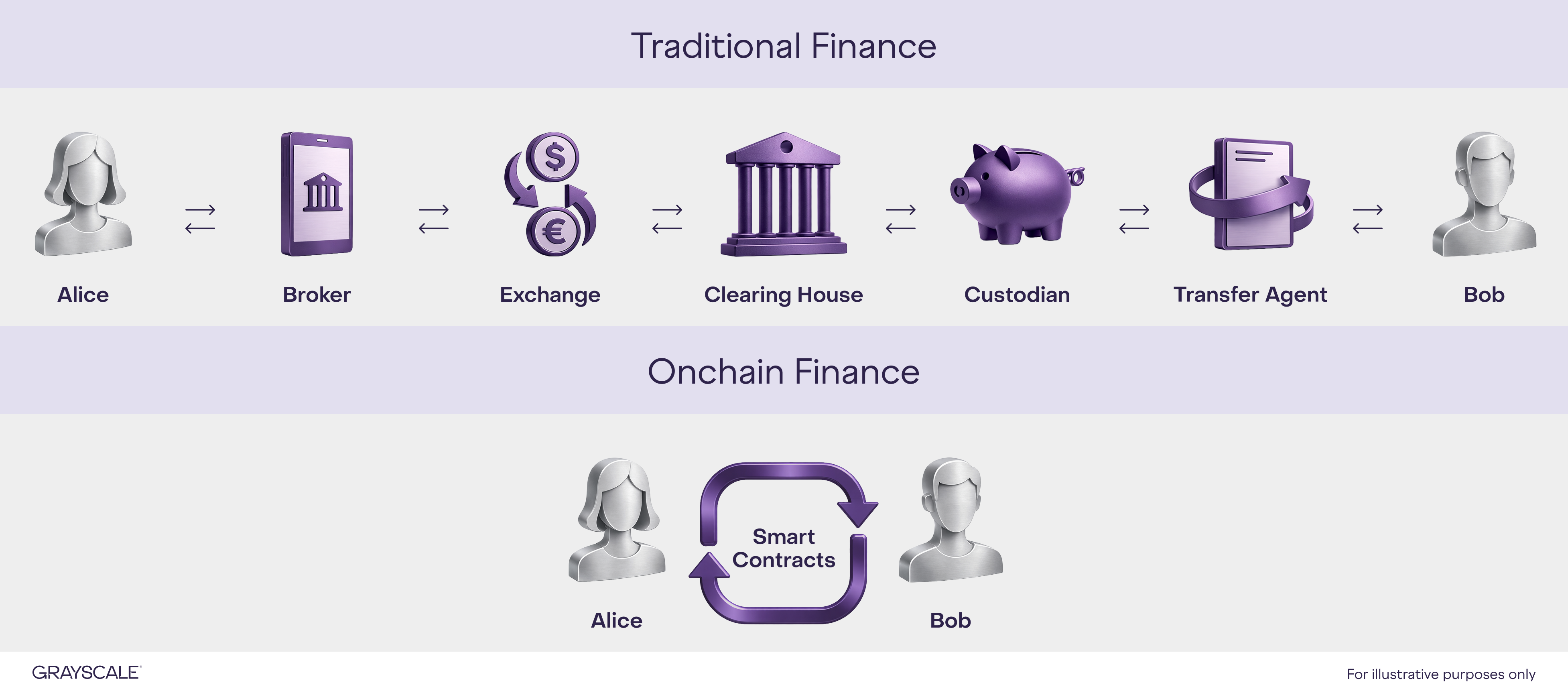
The technology behind this shift often overlaps with broader onchain investment platforms. For instance, tools like the On-Chain™ Index (OCI) demonstrate how smart contracts can manage access and value simultaneously. Creators are adopting similar logic, using smart contracts to automatically grant or revoke access to content based on subscription status, ensuring transparency and control for both parties.
Onchain subscriptions 2026 choices that change the plan
Use this section to make the Onchain Subscription Revolution decision easier to compare in real life, not just on paper. Start with the reader's actual constraint, then separate must-have requirements from details that are merely nice to have. A practical choice should survive normal use, maintenance, timing, and budget. If a recommendation only works in an ideal situation, call that out plainly and give the reader a fallback path.
| Factor | What to check | Why it matters |
|---|---|---|
| Fit | Match the option to the primary use case. | A good deal still fails if it does not fit the job. |
| Condition | Verify age, wear, and service history. | Hidden condition issues erase upfront savings. |
| Cost | Compare purchase price with likely upkeep. | The cheapest option is not always the lowest-cost option. |
Choose the next step
The onchain subscription landscape is fragmenting into specialized tools, each solving a different part of the creator economy puzzle. To pick the right infrastructure, you must align your technical comfort, audience geography, and revenue goals with the platform’s strengths. This decision framework breaks down the three dominant models currently shaping the 2026 creator economy.
Start by determining how your audience prefers to pay. Platforms like Superfluid and Mirror.xyz offer programmable recurring revenue on networks like Arbitrum or Base, which keep gas fees near zero. If your community is already active in Web3, these tools provide instant, permissionless payouts without the friction of traditional payment processors. However, if your audience is largely off-chain, you may need a hybrid solution that abstracts the wallet experience entirely.
Decide how you will gate your content. NFT-based access tokens (like Soulbound Tokens) create a permanent, transferable record of subscription that can be traded or used across multiple platforms. This model builds long-term asset value for your subscribers. Alternatively, token-gated allowlists on platforms like Guild.xyz offer more granular, role-based access that can be revoked instantly if a subscription lapses, providing tighter security for high-tier content.
Onchain data is public by default, which is both a feature and a liability. Choose a platform that offers clear, on-chain analytics dashboards so you can track churn, revenue, and holder concentration without relying on third-party trackers. Tools like Dune Analytics allow you to build custom queries to monitor your subscription health. Transparency builds trust, but ensure you are comfortable with the public visibility of your financial flows.
Before launching, assess the tax implications for both you and your subscribers. Crypto payments are often treated as property in many jurisdictions, triggering capital gains events on every transaction. Platforms that handle tax reporting or offer stablecoin-only subscriptions can simplify this burden. Consult a tax professional familiar with digital assets to ensure your subscription model remains compliant as regulations evolve in 2026.
Avoid the weak options
Use this section to make the Onchain Subscription Revolution decision easier to compare in real life, not just on paper. Start with the reader's actual constraint, then separate must-have requirements from details that are merely nice to have. A practical choice should survive normal use, maintenance, timing, and budget. If a recommendation only works in an ideal situation, call that out plainly and give the reader a fallback path.
The simplest way to use this section is to write down the must-have criteria first, then compare each option against those criteria before weighing nice-to-have features.
Onchain subscriptions 2026: what to check next
The landscape of creator monetization is shifting from platform-dependent algorithms to direct, programmable relationships. In 2026, the distinction between investing and subscribing is blurring as native onchain equity and debt instruments emerge. Creators are no longer just renting audiences; they are issuing verifiable access rights that users own outright.
This shift demands a new level of technical diligence. While the promise of 100% revenue retention is attractive, the responsibility for contract security and user experience falls entirely on the creator. Success in this environment relies on choosing infrastructure that balances automation with the transparency that blockchain users expect.
No comments yet. Be the first to share your thoughts!