
The shift to recurring on-chain payments
Traditional off-chain billing systems rely on a chain of intermediaries: payment processors, clearing houses, and banking networks. Each step introduces latency, fees, and points of failure. When a subscriber cancels or a card declines, the transaction fails silently, leaving creators to chase payments through opaque dispute portals. This friction is the primary reason Web3 monetization has struggled to scale beyond one-time transactions.
On-chain subscriptions solve this by moving the billing logic directly onto the blockchain. Instead of relying on a third-party processor to manage recurring charges, the smart contract itself holds the authority to debit the subscriber’s wallet at set intervals. This creates a "subscribe and forget" experience where the blockchain acts as both the payment network and the settlement layer. There is no escrow, no token wrapping, and no relayer networks to complicate the flow.
This shift transforms recurring revenue from a managed service into a protocol-level feature. Because every transaction is recorded on a public ledger, the system is immutable and transparent. Creators no longer need to worry about chargebacks or payment gateway bans. The subscriber’s wallet becomes the only point of control, allowing for instant cancellation or modification without waiting for customer support approval. This direct relationship reduces overhead and increases trust, establishing a new standard for digital monetization.
The economic implications are significant. By eliminating the 2-3% fees charged by Visa or Stripe, creators retain more revenue. The settlement is near-instant, improving cash flow for businesses that previously waited days for funds to clear. As Web3 adoption grows, this model offers a scalable alternative to traditional subscription services, aligning payment infrastructure with the decentralized ethos of the ecosystem.
Setting up your first on-chain subscription
On-chain subscriptions move recurring revenue between digital wallets, removing the friction of third-party payment processors. Instead of building custom billing contracts or relying on off-chain data, creators can plug into standard programs that handle verification and settlement on the blockchain. This approach reduces churn by automating recurring payments, ensuring members retain access without manual renewal steps.
1. Connect your creator wallet
Start by linking your primary creator wallet to a subscription platform like Unlock Protocol or a Solana-based standard. Ensure your wallet is funded with enough native tokens to cover initial deployment gas fees. This connection establishes the on-chain identity that will receive subscription payments.
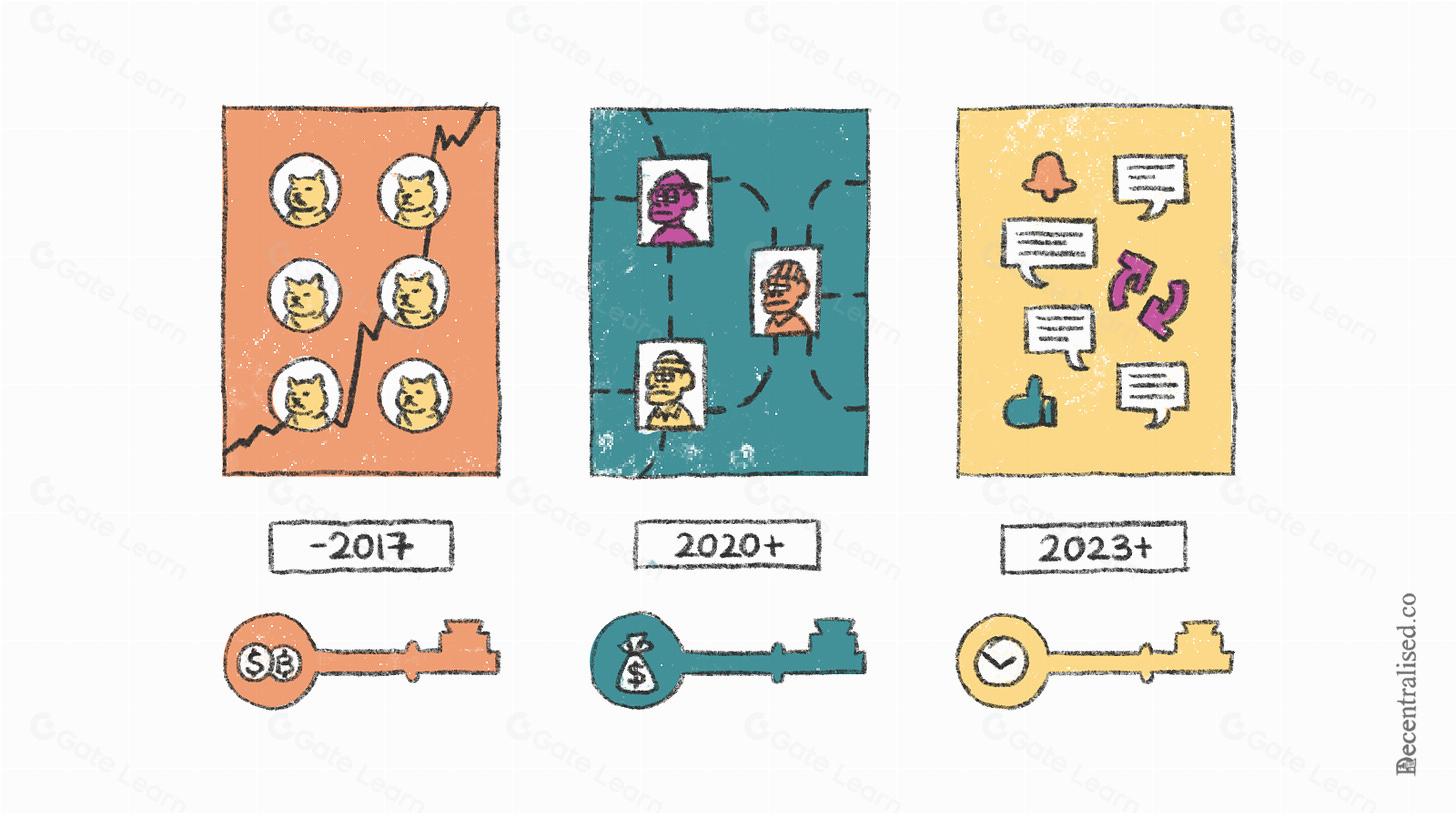
Link your wallet to the chosen protocol. Verify the network matches your target audience’s preferred chain (e.g., Ethereum, Solana) to minimize transaction costs and complexity for subscribers.
2. Define subscription tiers and access
Create distinct tiers that correspond to specific on-chain access rights. You can use NFTs as membership keys, where holding the token grants entry to gated content or communities. Configure the supply limits, pricing, and duration for each tier directly in the smart contract parameters.
Set up tier parameters such as price, duration, and transferability. Decide if memberships are perpetual or require regular renewal, which impacts how you structure the recurring payment logic.
3. Deploy the subscription contract
Execute the deployment transaction to publish your subscription logic to the blockchain. This step finalizes the smart contract that will manage member data, payments, and access control. Once deployed, you receive a contract address that serves as the hub for all subscriber interactions.
Review the deployment details and confirm the transaction. After confirmation, the contract is live, and you can begin inviting members to subscribe using the new on-chain system.
4. Integrate with content or community
Link the deployed contract to your content platform or community space. Use the contract address to verify membership status; if a user holds the required token, they gain access. This integration ensures that only verified subscribers can view gated materials or participate in exclusive channels.
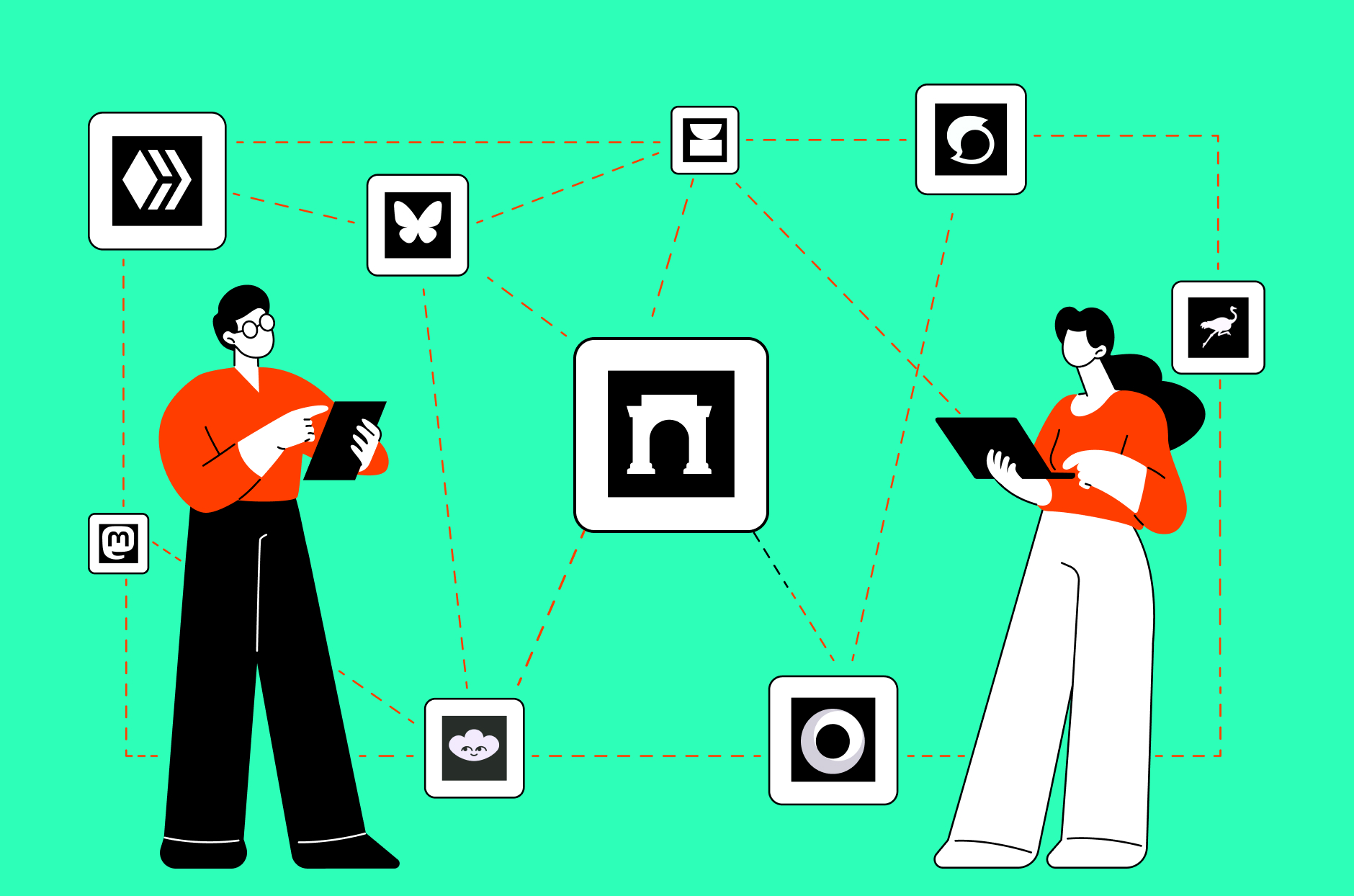
Connect your website or Discord to the smart contract. Implement a simple check that reads the user’s wallet balance to grant or deny access to your exclusive content.
5. Monitor and manage subscriptions
Track subscription metrics directly on the blockchain. Monitor active members, revenue flow, and churn rates using the platform’s dashboard or on-chain explorers. Use this data to adjust tier pricing or introduce new benefits to retain subscribers and maximize lifetime value.

Regularly review on-chain data to understand subscriber behavior. Adjust your strategy based on real-time feedback to optimize your on-chain subscription model.
Why on-chain beats traditional payment gateways
Traditional fiat processors like Stripe and PayPal act as intermediaries, holding your funds and enforcing their own rules. On-chain subscriptions remove these middlemen, moving money between digital wallets via the blockchain network. This shift changes the economics of recurring revenue, favoring creators who need speed, lower costs, and full control.
Fee Structure
Credit card networks and payment processors typically charge between 2.9% and 3.5% per transaction, plus fixed fees. For low-ticket subscriptions, these costs can consume a significant portion of your revenue. On-chain transactions often cost a fraction of a cent to a few cents, depending on the network. This allows you to monetize smaller amounts without losing margin to processing fees.
Settlement Speed
Fiat settlements are not instant. A payment processed on a Friday evening might not clear into your bank account until Tuesday or Wednesday. On-chain subscriptions settle in minutes or seconds. This immediate liquidity helps cash flow, especially for creators who need to cover hosting, tooling, or team payouts regularly.
Censorship Resistance
Payment processors can freeze accounts or reverse transactions if they deem your content policy-violating. This risk is real for creators in controversial or emerging niches. On-chain payments are permissionless. Once a smart contract executes, the funds are transferred. No third party can intervene or reverse the transaction, giving you true ownership over your revenue stream.
| Feature | On-Chain Subscriptions | Traditional Gateways |
|---|---|---|
| Settlement Time | Seconds to minutes | 2-5 business days |
| Average Fees | <1% (network dependent) | 2.9% + $0.30 |
| Control Over Funds | Full (self-custody) | Limited (processor holds) |
| Censorship Risk | Low (permissionless) | High (account freezes) |
The Bottom Line
On-chain subscriptions are not just a technological upgrade; they are a structural advantage. By eliminating intermediaries, you keep more of what you earn and gain access to global audiences without geographic banking restrictions. As the web3 ecosystem matures, this model is becoming the standard for creators who value financial sovereignty.
Track revenue with live market data
On-chain subscription revenue is not a fixed number; it fluctuates with the market. To understand your actual earnings, you must monitor the performance of the underlying assets in real time. A subscription paid in a volatile token can lose significant value between the moment a fan pays and the moment you convert it to stablecoin or fiat.
Linking your subscription model to live market data provides immediate visibility into these shifts. Instead of waiting for end-of-month statements, you can see exactly how much your revenue pool is worth at any given second. This transparency helps you set dynamic pricing or decide when to hedge your positions.
Use provider-backed tools to track the specific token you accept. For example, monitoring a major stablecoin or your blockchain’s native token shows liquidity and stability trends that directly impact payout reliability.

Common pitfalls in on-chain billing
The simplest way to use this section is to write down the must-have criteria first, then compare each option against those criteria before weighing nice-to-have features.
A practical choice should survive normal use, maintenance, timing, and budget. If a recommendation only works in an ideal situation, call that out plainly and give the reader a fallback path.
No comments yet. Be the first to share your thoughts!