
The shift to on-chain recurring billing
The 2026 crypto landscape is defined by a fundamental mismatch: traditional fiat gateways are built for a world of banking hours, cross-border intermediaries, and manual reconciliation. For Web3 monetization, these legacy rails are insufficient. They introduce friction that kills global scalability, charging high fees for small transactions and imposing settlement delays that make real-time value exchange impossible. On-chain recurring billing solves this by treating subscription payments as native settlement events rather than bank transfers.
This shift is not just about efficiency; it is about access. As noted in a16z’s outlook for 2026, the new infrastructure allows workers to be paid in real time across borders and merchants to accept global dollars without traditional bank accounts. For subscription models, this means an app can settle value instantly, regardless of the user’s location. The barrier to entry for global users drops to zero, replacing complex KYC-heavy fiat on-ramps with simple wallet interactions.
The result is a cleaner, more transparent revenue stream. On-chain billing removes the ambiguity of chargebacks and the opacity of hidden processing fees. It aligns the incentives of the platform and the user, creating a trustless environment where payments are final and immediate. This is the foundation for the next generation of Web3 services, where billing is invisible, instant, and borderless.
How Subscribe OnChain handles recurring payments
Subscribe OnChain transforms the friction of crypto billing into a passive, automated flow. Instead of manually requesting payments or relying on off-chain invoicing, creators and platforms use this protocol to establish on-chain billing cycles. The system manages the logic for weekly, monthly, and yearly intervals directly on the blockchain, removing the need for complex smart contract development.
At its core, the platform acts as an automated escrow and distribution layer. When a subscriber initiates a payment, the smart contract records the transaction and schedules the next charge. This ensures that recurring revenue streams are predictable and transparent. Creators no longer need to chase down late payments or manage currency conversion manually; the protocol handles the timing and execution.
Setting up the billing cycle
The first step is defining the subscription parameters. Creators select the token type (typically stablecoins like USDC or native assets like ETH) and set the interval. The platform supports granular controls, allowing for weekly updates, monthly retainers, or annual memberships. This flexibility ensures that the billing rhythm matches the content delivery schedule, whether it’s a daily newsletter or a quarterly masterclass.
Managing subscriber access
Once the cycle is active, the system automatically verifies payments. If a payment fails or is not received by the due date, the contract can trigger access revocation or send automated reminders. This reduces administrative overhead significantly. Creators can focus on production rather than accounting, while subscribers enjoy a seamless experience without interrupting their consumption habits.
Handling currency and fees
Subscribe OnChain integrates with decentralized exchanges to handle currency swaps if necessary. If a subscriber pays in a volatile asset, the protocol can convert it to a stablecoin at the time of charge, protecting the creator’s revenue value. Transaction fees are minimal and transparent, deducted directly from the payment before distribution to the creator’s wallet.
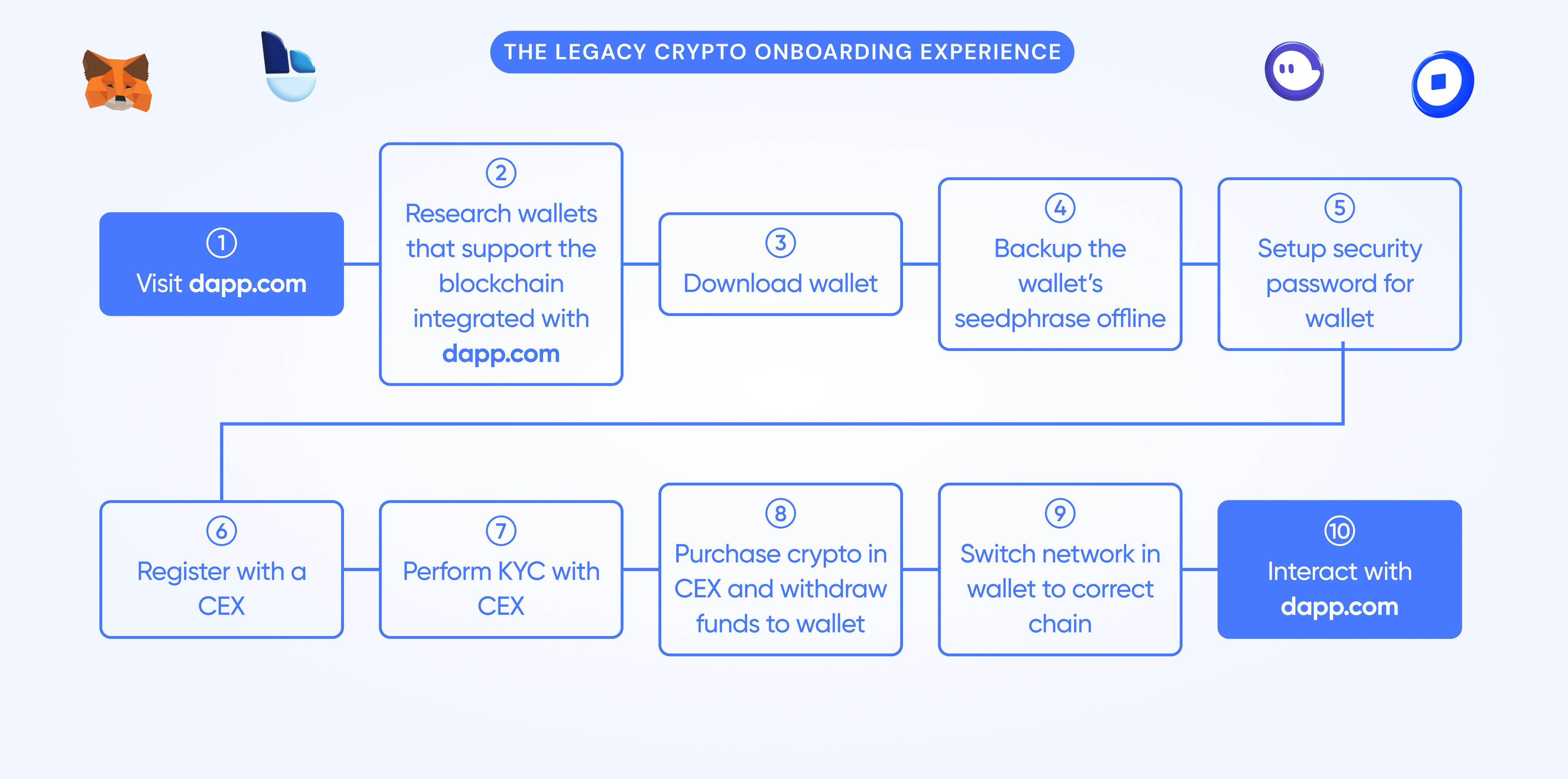
Select your preferred token and billing interval. The interface guides you through setting the price, frequency, and any trial periods. This configuration is stored on-chain, creating a immutable record of the agreement between creator and subscriber.
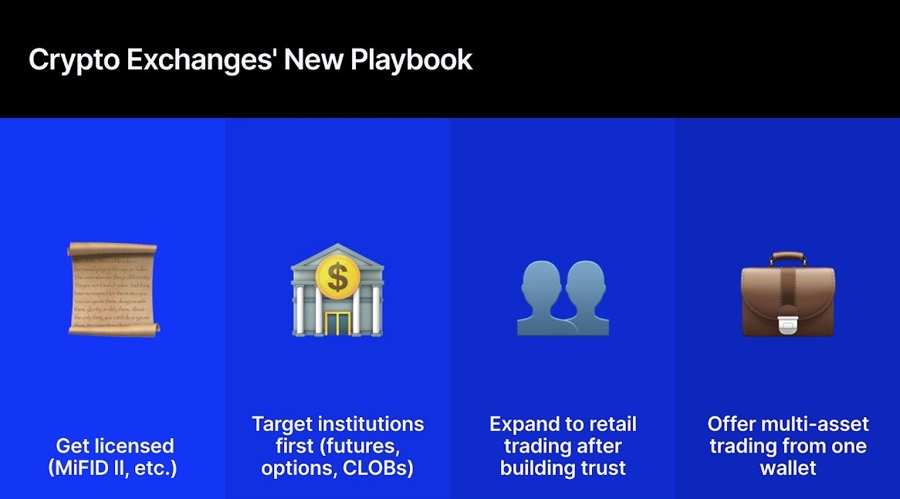
Once terms are set, the platform generates a unique subscription contract. This contract is deployed to the blockchain with minimal gas costs. It serves as the single source of truth for all recurring payments, ensuring that no manual intervention is required for each billing cycle.
Distribute the subscription link to your audience. Subscribers connect their wallets and authorize the recurring charge. The system automatically deducts the fee at each interval, transferring funds directly to your wallet while maintaining a public ledger of all transactions.
This automation creates a reliable income stream for creators. By removing the middleman and the friction of manual billing, Subscribe OnChain enables a new model of direct-to-consumer monetization. The result is a sustainable, on-chain economy where value exchange is immediate and transparent.


As an Amazon Associate, we may earn from qualifying purchases.
On-chain vs traditional payment gateways
Choosing between on-chain crypto subscriptions and traditional fiat processors like Stripe or PayPal comes down to a trade-off between frictionless global reach and regulatory familiarity. While fiat gateways offer a polished user experience for credit card holders, they introduce significant friction for cross-border crypto businesses through high interchange fees and geographic restrictions. On-chain billing models remove these intermediaries, allowing direct settlement in stablecoins or native tokens, though they require users to manage digital wallets.
The most critical differentiator is cost structure. Traditional processors typically charge 2.9% + $0.30 per transaction, plus additional fees for currency conversion and cross-border transfers. On-chain transactions, particularly on Layer 2 networks or high-throughput chains, often cost fractions of a cent, preserving margin for subscription-based businesses. Speed is also a factor; fiat settlements can take 2-3 business days to clear, whereas on-chain confirmations occur in seconds or minutes, improving cash flow predictability.
Geographic reach further separates the two models. Fiat gateways are constrained by local banking regulations and card network rules, often blocking merchants in high-risk jurisdictions or specific countries. On-chain systems are permissionless by design, accessible to anyone with an internet connection and a wallet, enabling truly global subscription models without regional banking hurdles.
| Feature | On-Chain Billing | Fiat Gateway (Stripe/PayPal) |
|---|---|---|
| Transaction Fee | ~0.1% - 1% (network dependent) | 2.9% + $0.30 per transaction |
| Settlement Time | Seconds to minutes | 2-3 business days |
| Global Accessibility | Permissionless, worldwide | Restricted by jurisdiction & banking |
| Chargeback Risk | Irreversible transactions | High risk, merchant bears cost |
| Currency Conversion | Native token or stablecoin | FX fees + conversion spread |
Key benefits for global Web3 creators
Crypto subscription models remove the friction that traditional payment processors add to digital income. For creators, the primary advantage is instant settlement. Unlike fiat systems that hold funds for days, on-chain billing settles value immediately, allowing creators to access their revenue without waiting for bank clearances. This immediacy transforms cash flow from a delayed utility into a real-time asset.
The borderless nature of these models expands your potential audience beyond local banking constraints. A16z notes that in the 2026 landscape, workers and merchants can settle value instantly across borders without needing traditional bank accounts. This accessibility allows you to monetize a global community directly, capturing revenue from regions where fiat infrastructure is limited or expensive.
Platforms like BoomFi illustrate this shift by enabling effortless collection of weekly, monthly, or usage-based fees in cryptocurrency. By integrating these tools, you reduce operational overhead and retain more of your earnings. The result is a leaner, more resilient revenue stream that scales with your audience rather than against it.
Integrating Subscribe OnChain into your workflow
Setting up recurring crypto payments no longer requires a dedicated engineering team. Modern platforms like BoomFi allow founders to accept weekly, monthly, or usage-based fees directly on-chain. This approach transforms complex smart contract interactions into a plug-and-play billing system, letting you focus on product development rather than payment infrastructure.
The implementation process is designed for speed. Most providers offer a dashboard where you can define subscription tiers, set billing intervals, and generate payment links in minutes. For those who prefer code, well-documented SDKs and API endpoints enable seamless integration into existing web3 applications. The goal is to abstract the blockchain complexity while maintaining the transparency and control that crypto users expect.
To get started, review the official documentation for your chosen provider. These guides typically walk you through wallet connection, contract deployment, and webhook setup for real-time payment notifications. By leveraging these tools, you can launch a subscription model that scales with your user base without the friction of traditional banking rails.
No comments yet. Be the first to share your thoughts!