

Subscription-based SaaS models are rapidly migrating to blockchain, and Solana is emerging as a top choice for developers seeking low fees, high throughput, and robust smart contract support. For SaaS providers, one of the most complex challenges is implementing onchain subscription proration: the process that ensures users are billed fairly when they upgrade, downgrade, or cancel their plans mid-cycle. Proration is essential for user trust and revenue accuracy, but it requires precise logic to handle dynamic billing on decentralized infrastructure.
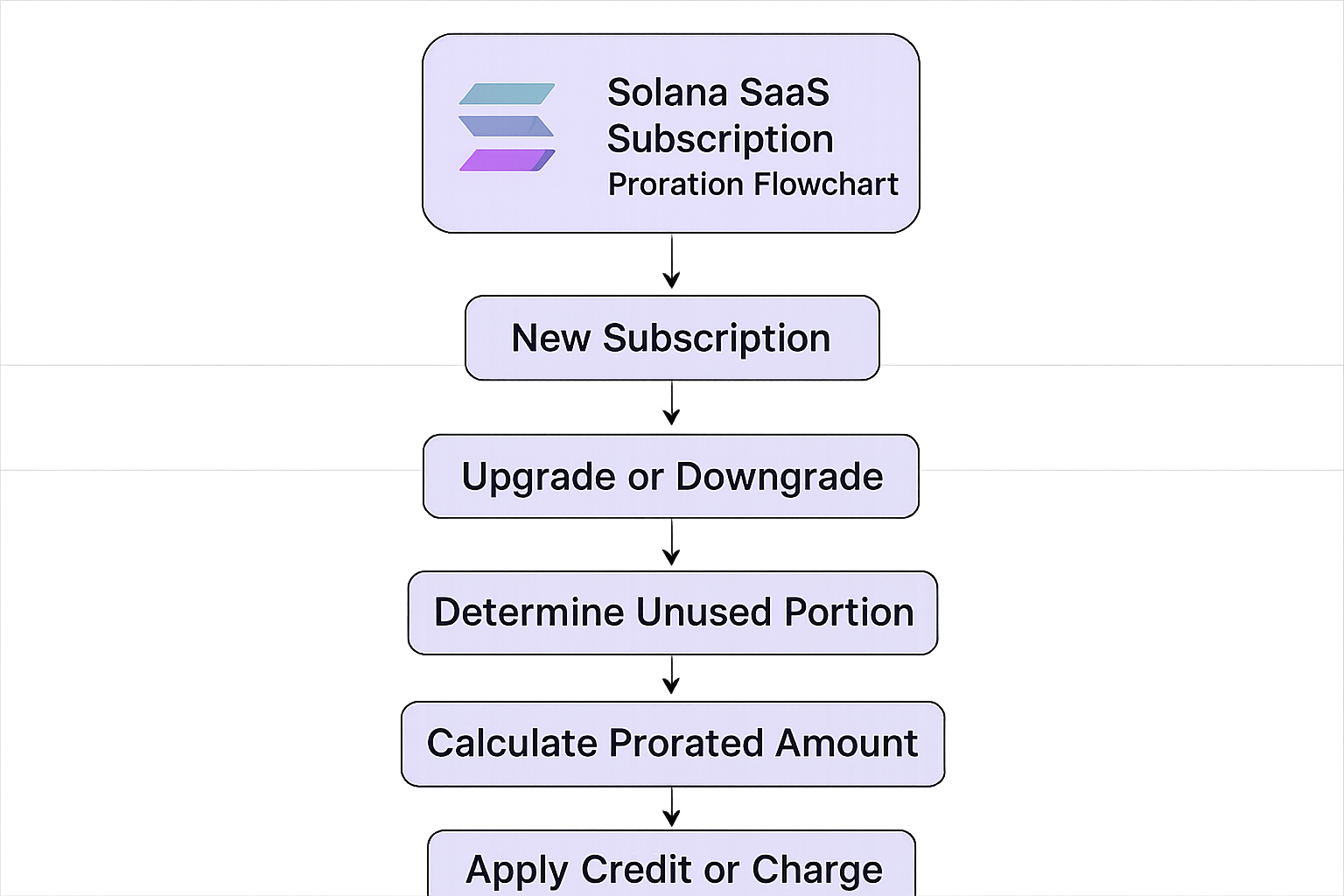
Why Proration Matters in Onchain SaaS Billing
Traditional Web2 subscription platforms like Stripe or Recurly handle proration behind the scenes. In Web3, this responsibility shifts to onchain programs (smart contracts) that must transparently calculate adjustments based on elapsed time and plan changes. On Solana, with its sub-second block times and efficient token transfers, you can deliver a seamless experience rivaling centralized systems, but only if your proration logic is airtight.
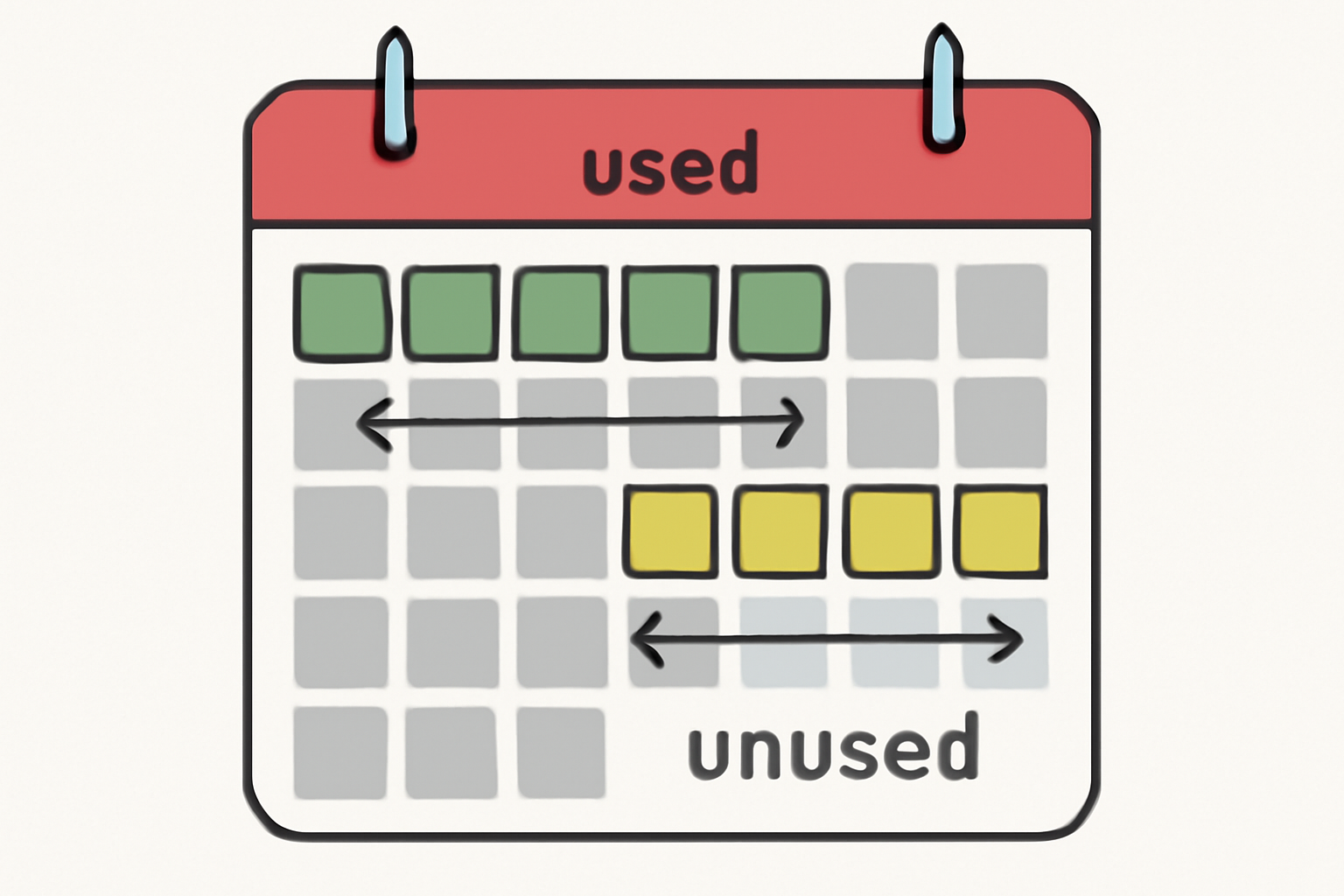
Prorated crypto subscriptions improve fairness by ensuring users pay only for what they use. For example, if a customer switches from a $20/month basic plan to a $50/month premium plan halfway through their cycle, the system should credit the unused portion of their basic plan and charge them proportionally for the premium tier's remaining days.
Core Components of Solana Subscription Proration
To implement accurate Solana subscription billing with proration, you need several key elements:
Implementing Prorated Onchain Subscriptions on Solana: A Step-by-Step Guide
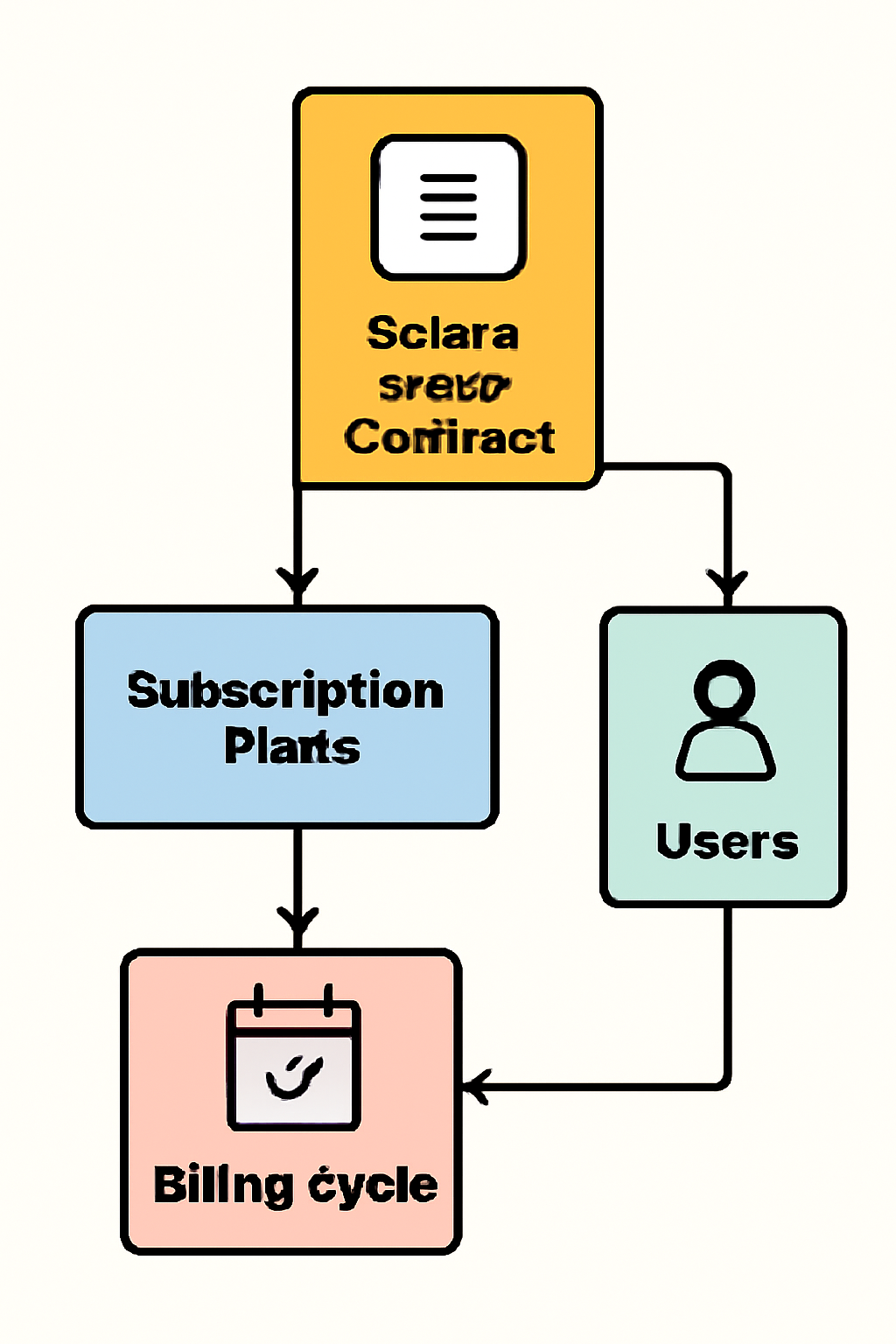


The heart of your solution will be a custom Solana program (smart contract) that tracks each user's subscription state. This includes:
- User account data: Current plan type, start date, next billing date
- Plan metadata: Cost per cycle (in USDC/SOL), duration (e. g. , 30 days)
- Status flags: Active, paused, canceled states
- Event log: Record of upgrades/downgrades with timestamps
Your smart contract should expose instructions for creating new subscriptions, updating plans mid-cycle, and calculating credits or additional charges based on exact timestamps.
The Proration Calculation: Step-by-Step Logic
The core algorithm behind prorated billing is straightforward in concept but must be implemented meticulously for security and accuracy:
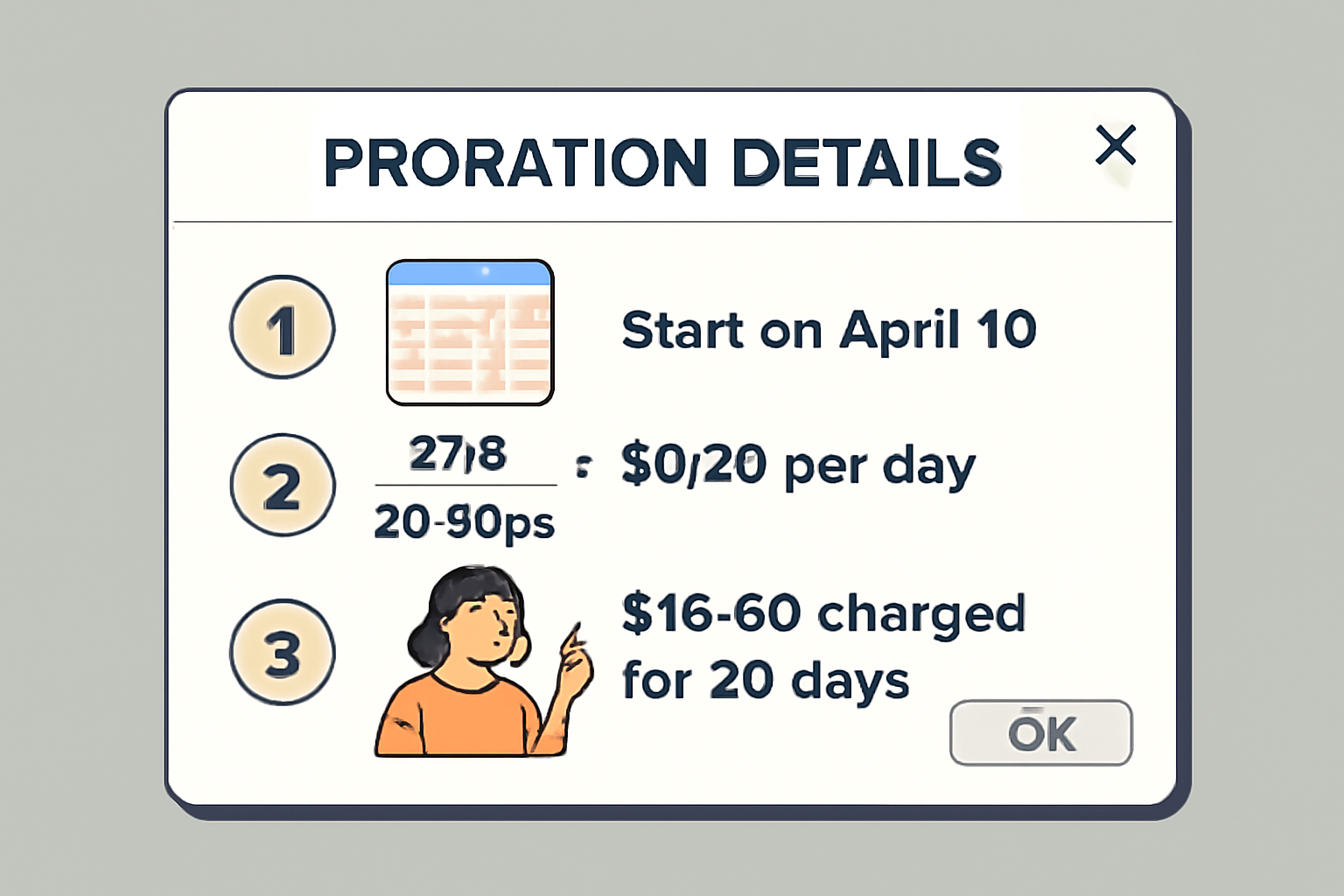
- Identify time elapsed: Calculate how many seconds/days remain in the current billing cycle at the moment of plan change.
- Compute credit: Multiply the unused portion by the current plan's daily rate to determine refund/credit.
- Calculate new charge: Multiply remaining period by new plan's daily rate.
- Adjust final invoice: Subtract credit from new charge; bill or refund accordingly using SPL tokens like USDC or SOL.
This logic must be embedded securely within your program's upgrade/downgrade instructions. For a practical example and open-source reference implementation see Buoyant Protocol on GitHub, which demonstrates extendable recurring payment logic suitable for SaaS platforms.
SaaS Billing Best Practices: Security and Transparency Onchain
No matter how elegant your code is, real-world usage demands rigorous safeguards. Always audit your proration calculations under various scenarios, rapid upgrades/downgrades, cancellations just before renewal, and ensure clear communication with users about how charges are determined. Consider providing detailed invoices directly from your smart contract’s event logs so customers can verify every calculation themselves using public blockchain data.
Integrating proration into your onchain SaaS billing is not just about fairness, it's a cornerstone for regulatory compliance and user retention. Users expect the same level of clarity and control they experience with traditional Web2 platforms, and Solana’s transparency gives you the tools to exceed those expectations. By leveraging Solana’s fast confirmation times and robust event logging, you can provide near-instant updates to subscription status, credits, or refunds, all while maintaining a tamper-proof audit trail.
Real-World Implementation Tips
When building your proration logic on Solana, pay special attention to edge cases that can trip up even experienced developers:
- Plan Overlaps: Ensure users cannot double-dip by rapidly switching between plans multiple times in one cycle.
- Time Drift: Use Solana’s native clock sysvar to avoid discrepancies due to block time variations.
- Token Volatility: If you’re billing in volatile tokens like SOL instead of stablecoins (e. g. , USDC), lock exchange rates at transaction time or clearly communicate rate policies to users.
- Partial Refunds: Decide whether refunds are issued immediately or credited toward future invoices, make this explicit in your terms.
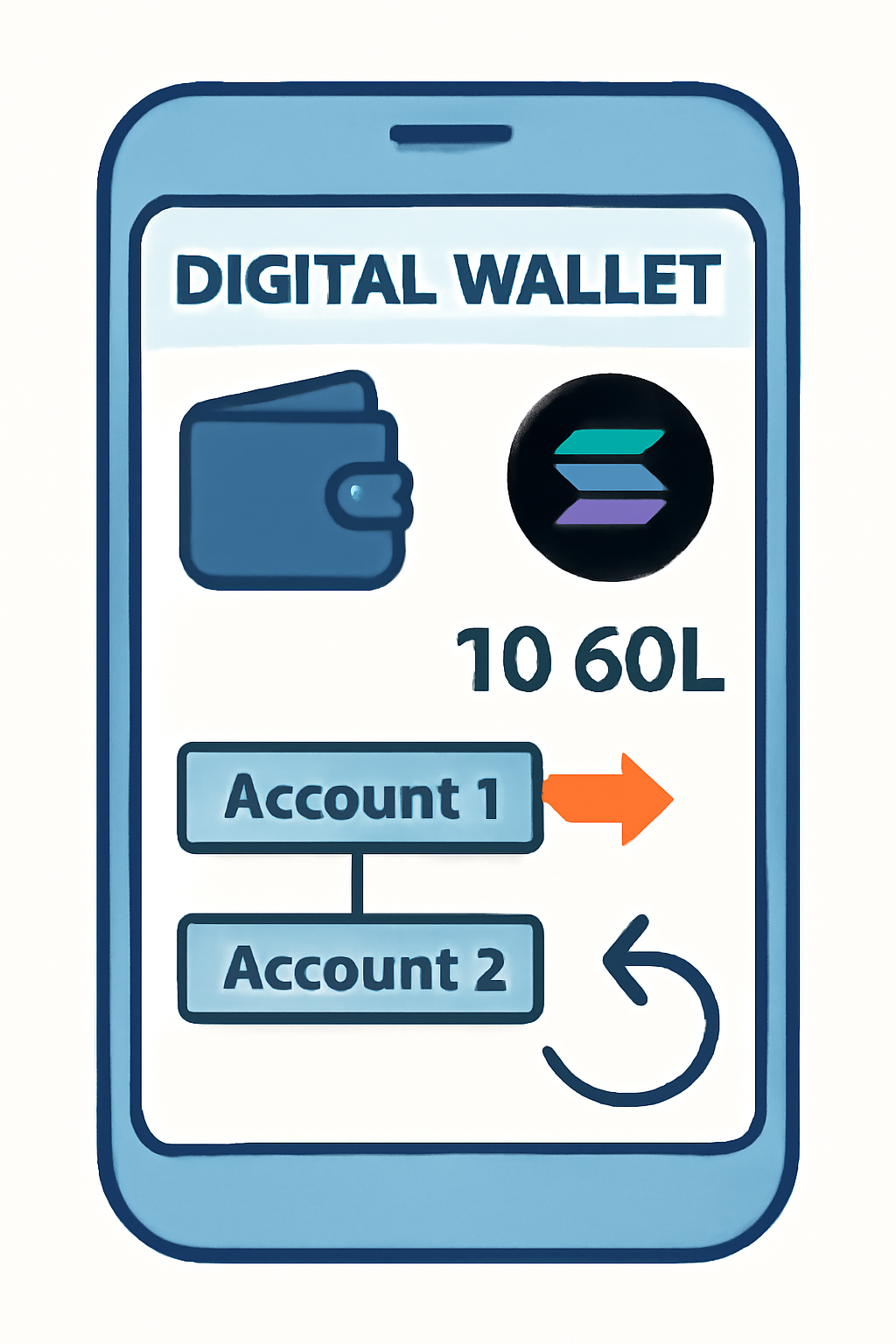
You’ll also want robust front-end interfaces that pull live data from the blockchain, showing users exactly how their charges are calculated. This builds trust and reduces support requests. The Solana Subscription Program provides an adaptable starting point for these features, including deposit accounts and withdrawal logic that can be extended for proration use cases.
Monitoring, Notifications and User Experience
Modern SaaS customers expect real-time notifications about subscription changes. Leverage Solana’s accountSubscribe method (see Chainstack docs) to trigger off-chain alerts when a subscription state changes. Integrate with email or push notification services so users are instantly informed when their plan upgrades, downgrades, or renews, with detailed breakdowns of any prorated charges or credits applied.
This level of transparency is only possible with well-designed event logging in your smart contract. Each upgrade/downgrade transaction should emit events containing timestamps, amounts credited/debited, and new plan details, all easily accessible via public RPC endpoints or block explorers.
Scaling Your Solution: From MVP to Production
Start simple, a minimal viable product (MVP) supporting basic upgrades/downgrades and clear proration logic is enough for early adopters. As your user base grows, invest in automated testing pipelines covering edge cases like rapid plan changes or cancellations just before renewal. Periodically audit your smart contracts for accuracy and security vulnerabilities; a single miscalculation can erode customer trust quickly in the transparent world of Web3.
If you’re considering advanced features like metered usage billing or dynamic pricing models based on DAO votes or off-chain data feeds, architect your program with modularity in mind so you can add complexity without risking core proration logic stability.
The decentralized nature of Solana means every billing event is public, use this as an opportunity to build unmatched user confidence through radical transparency and bulletproof proration math.
Key Takeaways for SaaS Founders and Developers
- User trust is built on accurate, transparent billing, proration must be bulletproof from day one.
- Leverage open-source projects like Buoyant Protocol as blueprints but customize rigorously for your business model.
- Solve edge cases up front; audit everything before mainnet launch.
- Communicate every charge clearly using both onchain logs and off-chain notifications, your users will thank you with loyalty (and fewer support tickets).
The future of SaaS billing is decentralized. By mastering onchain subscription proration on Solana today, you're positioning yourself at the forefront of fair, programmable financial infrastructure, and setting new standards for transparency in Web3 commerce.




No comments yet. Be the first to share your thoughts!