
Imagine a SaaS world where billing is not only automated but also perfectly fair, no matter when your customers upgrade, downgrade, or pause their subscriptions. This is the promise of onchain subscription proration: a breakthrough in SaaS billing that leverages blockchain's transparency and programmability to ensure users pay exactly for what they use. As more businesses migrate to blockchain-powered recurring payments, understanding how to implement smart contract proration becomes essential for developers and finance teams alike.
Why Prorated Billing Matters in the SaaS Blockchain Era
Traditional SaaS platforms have long relied on proration to avoid overcharging or undercharging when customers change plans mid-cycle. The logic is simple: take the monthly price, divide it by the number of days in the month, and multiply by the number of days used. But when you move this process onchain, you gain added benefits, immutable records, programmable trust, and instant settlements through decentralized payment rails.
The need for SaaS billing blockchain solutions with dynamic invoicing has never been greater. Customers expect fairness and clarity. Businesses demand automation and auditability. Prorated billing delivers both, if implemented correctly at the smart contract level.
The Mechanics of Onchain Subscription Proration
Let’s break down how smart contract proration works in a real SaaS scenario:
- A user starts on a $30/month plan.
- Midway through (after 15 days), they upgrade to a $100/month plan.
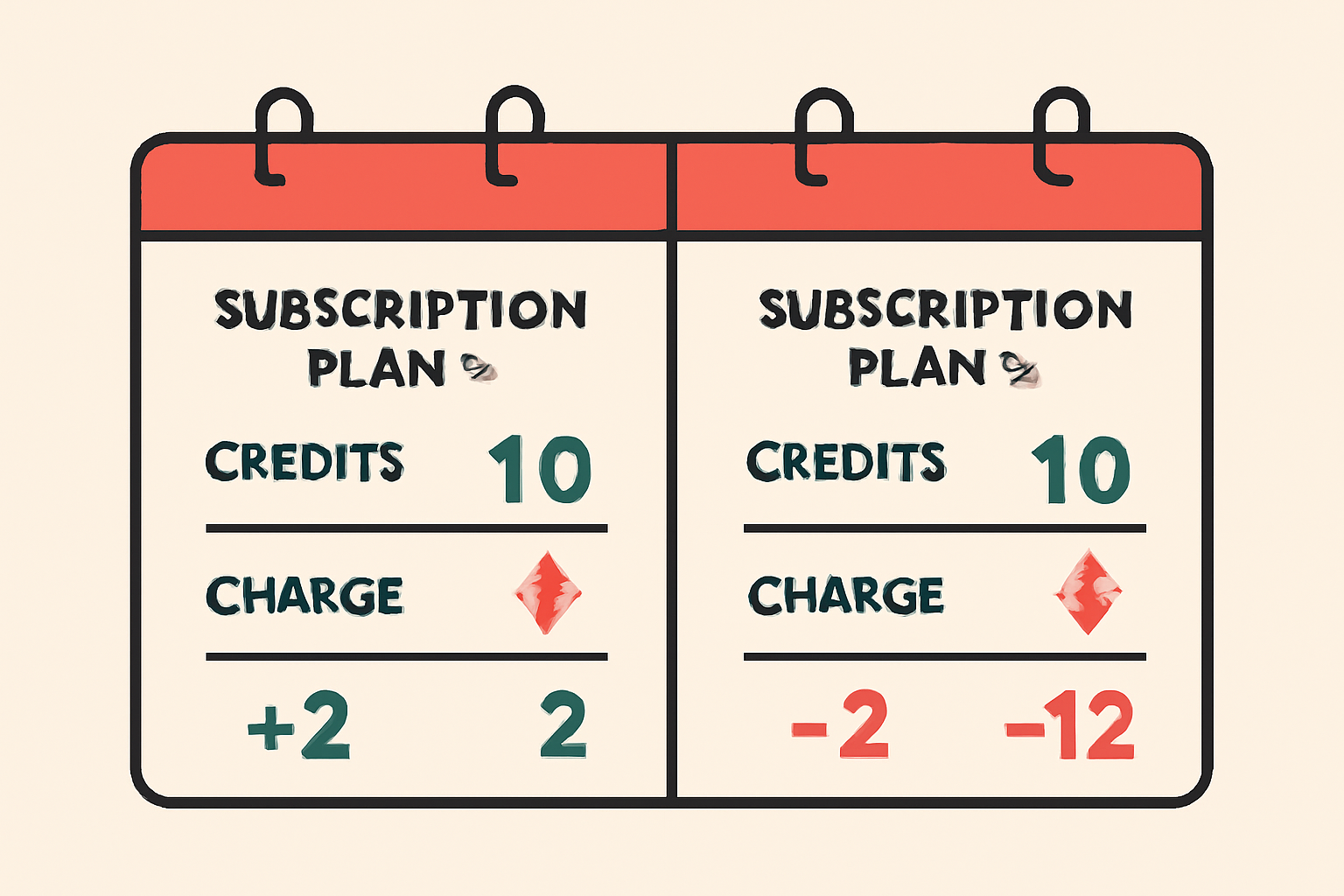
- The smart contract calculates:
- Unused credit: $30/30 days * 15 days = $15 credit
- New charge: $100/30 days * 15 days = $50 charge
- Total due: $50 - $15 = $35 net charge
This calculation ensures that your customer only pays for what they actually use, no more arbitrary full-month charges or manual refunds.
Key Benefits of Onchain Subscription Proration for SaaS
- Transparent and Fair Billing: Onchain proration ensures customers are only charged for the exact period they use a service, with all calculations and transactions visible on the blockchain for maximum transparency.
- Automated and Accurate Charge Adjustments: Smart contracts automatically calculate and apply prorated charges or credits when users upgrade, downgrade, or cancel subscriptions, reducing manual errors and administrative overhead.
- Real-Time Payment Settlement: Leveraging on-chain payments enables immediate processing of additional charges or refunds, improving cash flow and customer satisfaction.

- Enhanced Trust and Auditability: All proration logic and transactions are recorded immutably, making it easy for customers and auditors to verify billing accuracy and fairness.

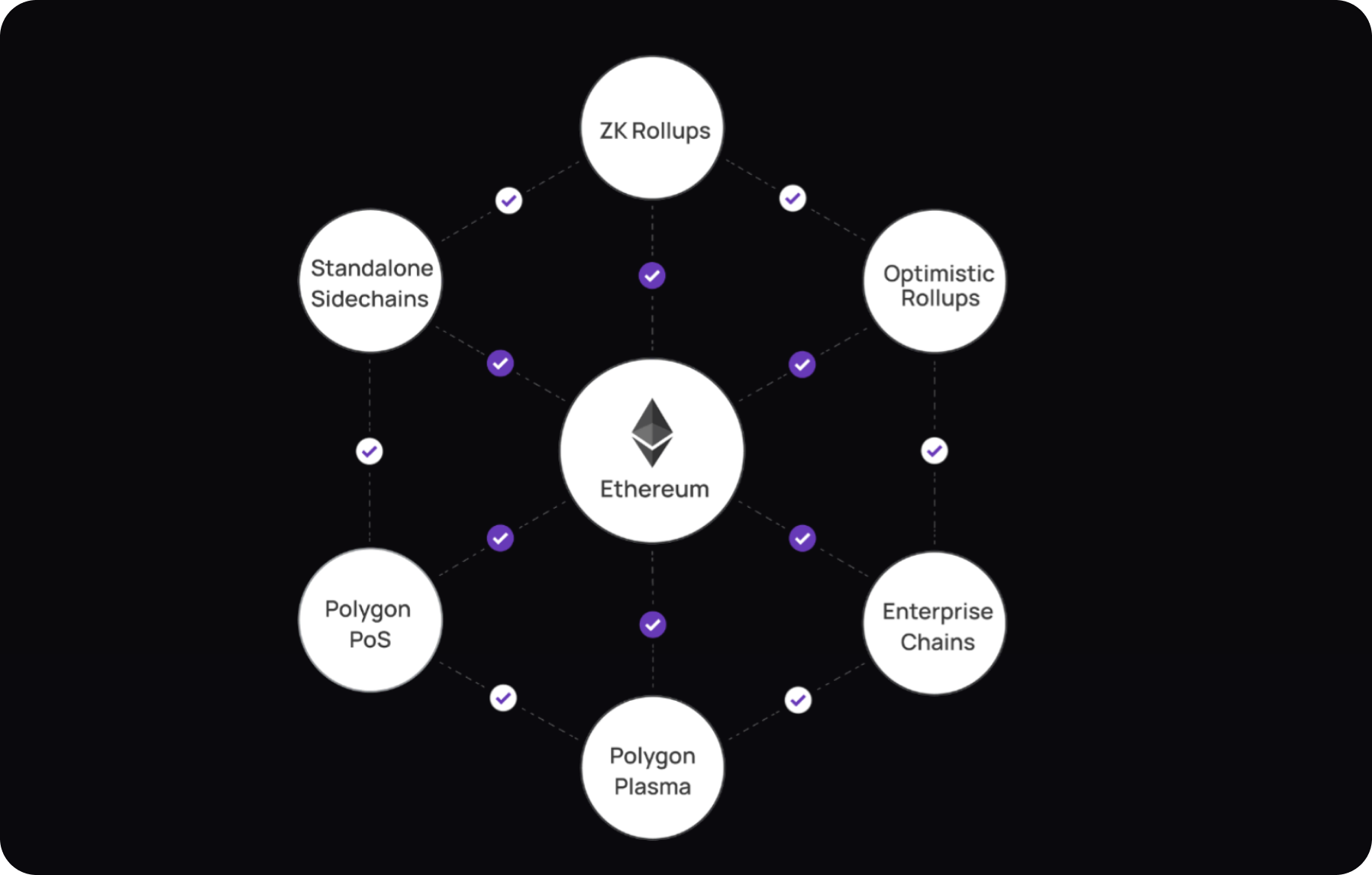
Coding Proration Logic Into Smart Contracts
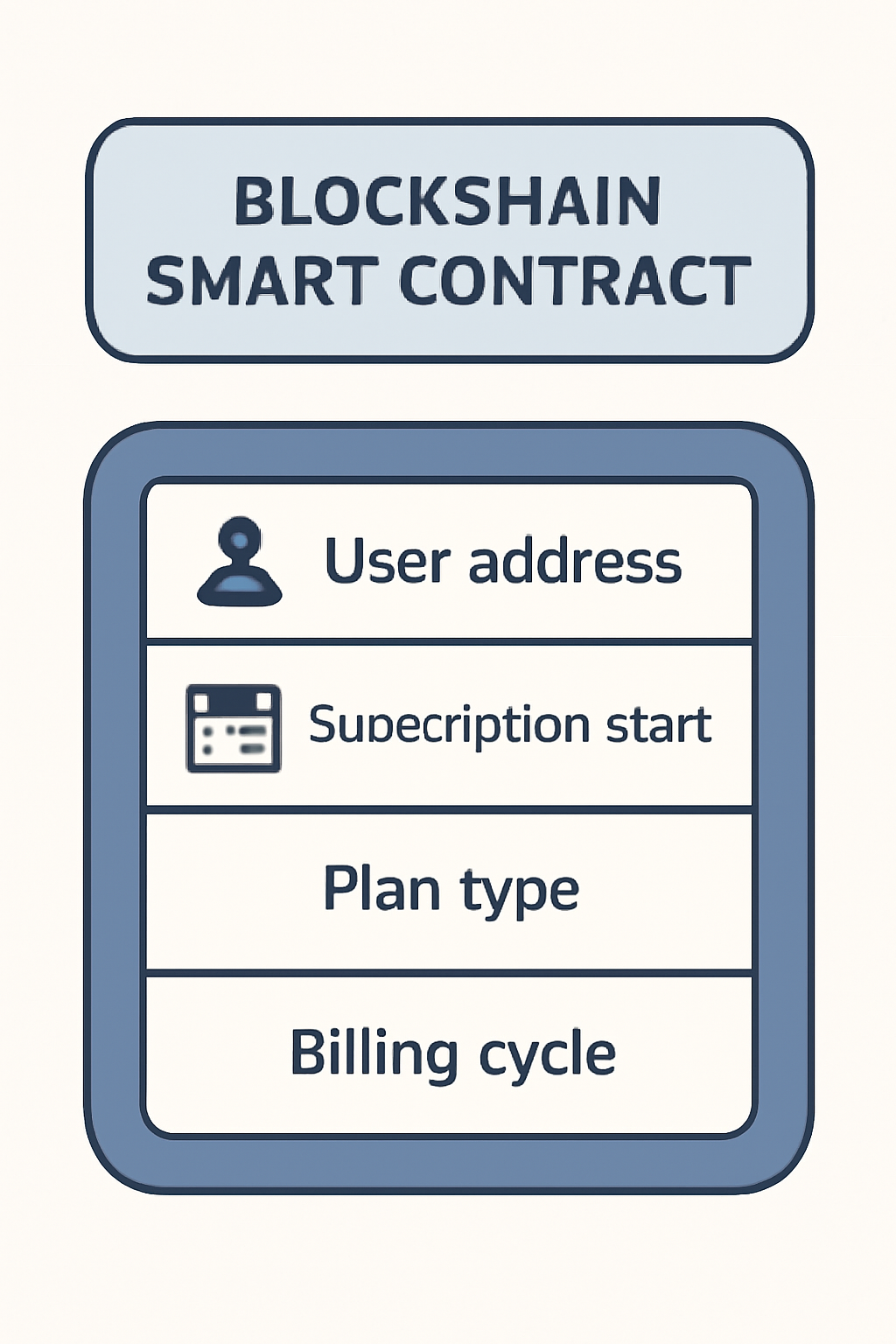
The heart of onchain subscription proration lies in well-designed smart contracts. These contracts must track each subscriber’s state: plan type, start date, last change date, and current cycle. When an event occurs, say an upgrade, the contract triggers its proration logic using up-to-the-second data recorded immutably onchain.
This is where blockchain’s unique strengths shine. Every transaction (upgrade, downgrade, cancellation) is time-stamped and tamper-proof. Developers can write deterministic code that automatically issues credits or calculates additional charges based on exact usage periods, eliminating disputes and manual reconciliation.
Pillars of a Robust Prorated Billing System Onchain
- Transparency: All calculations are visible on the blockchain ledger.
- Automation: No human intervention needed for upgrades or downgrades, everything happens via code.
- User Trust: Customers can verify charges themselves using transaction records.
- Error Reduction: Automated math removes risk of miscalculation common in manual systems.
Designing Smart Contracts for Prorated SaaS Subscriptions On-Chain
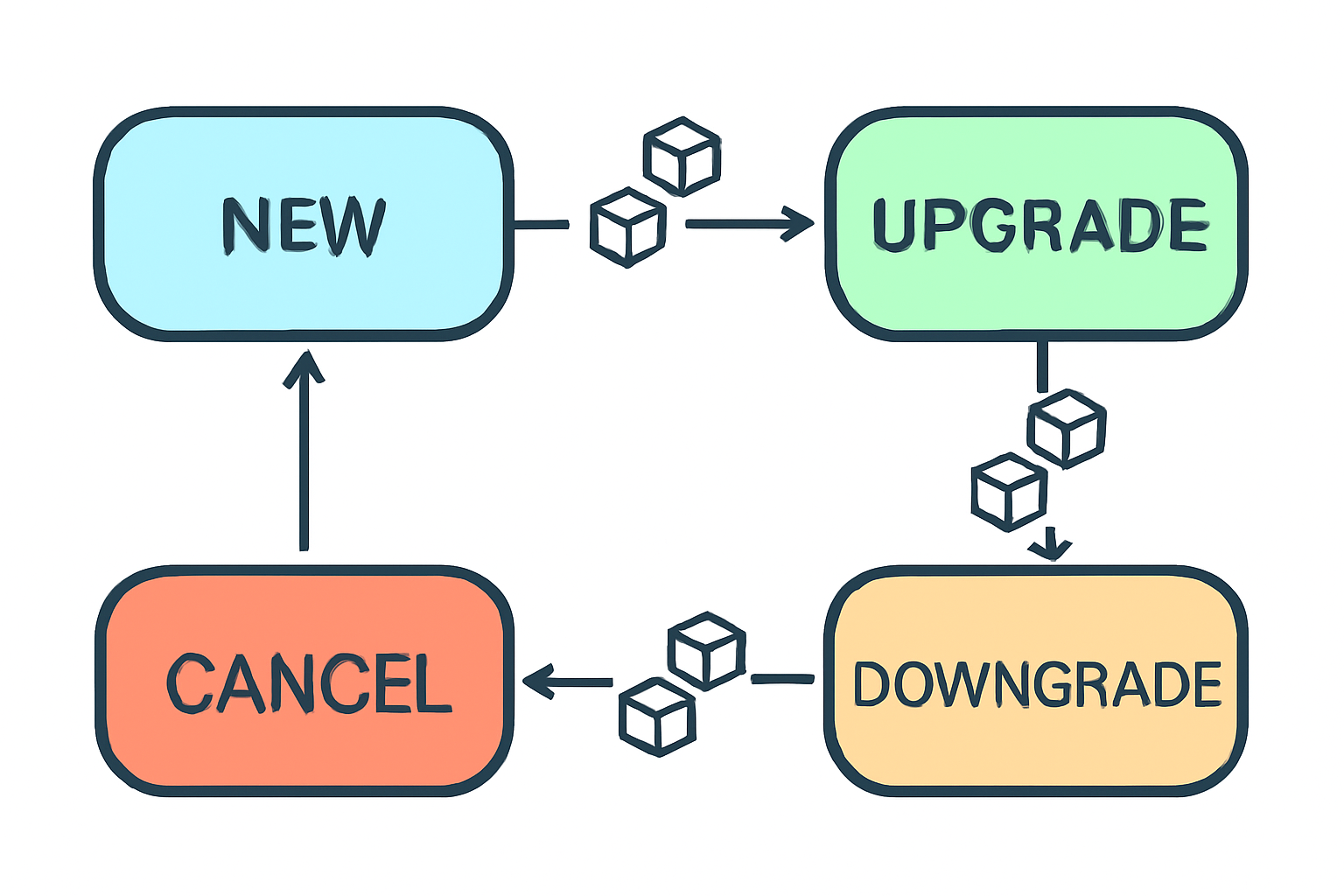
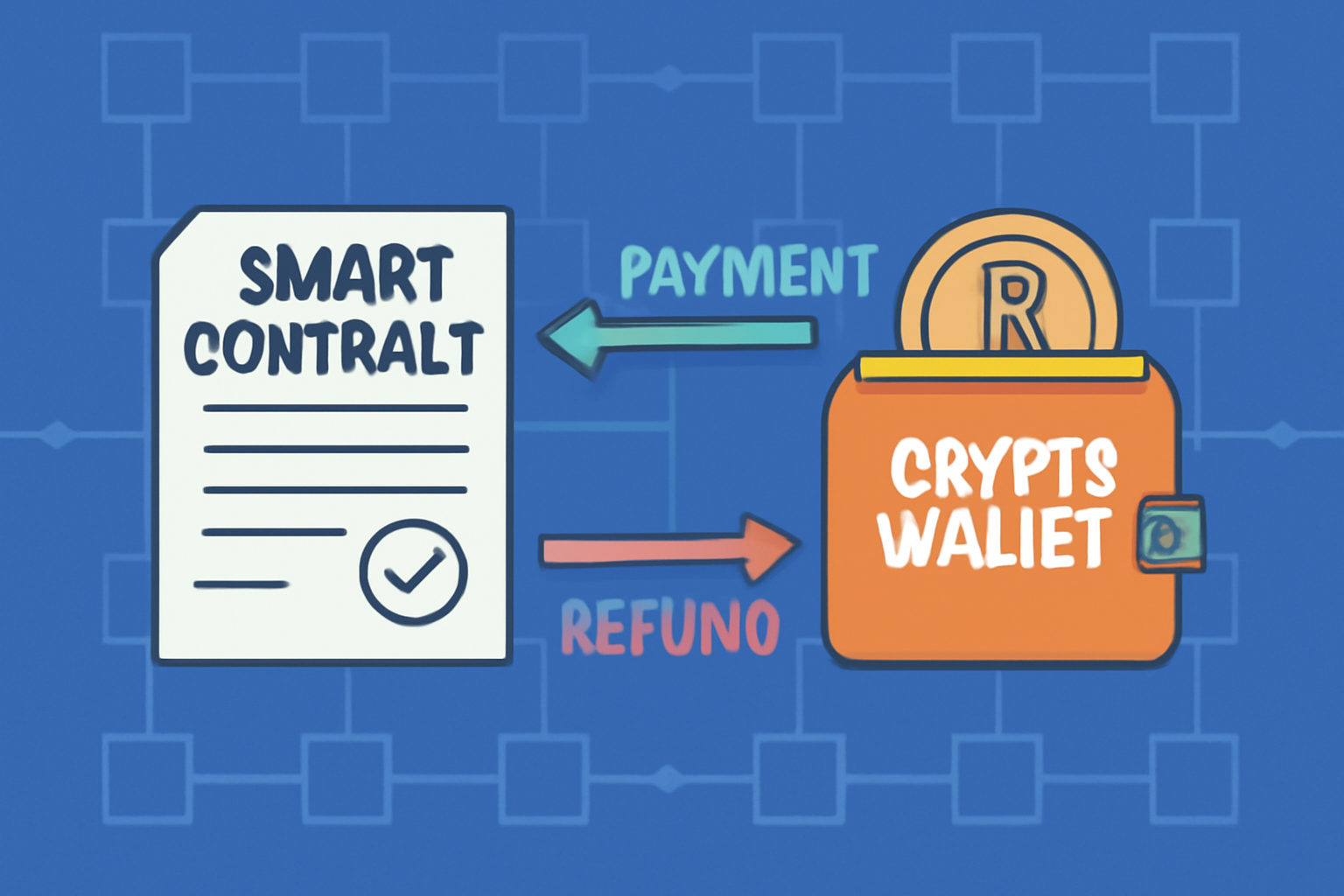

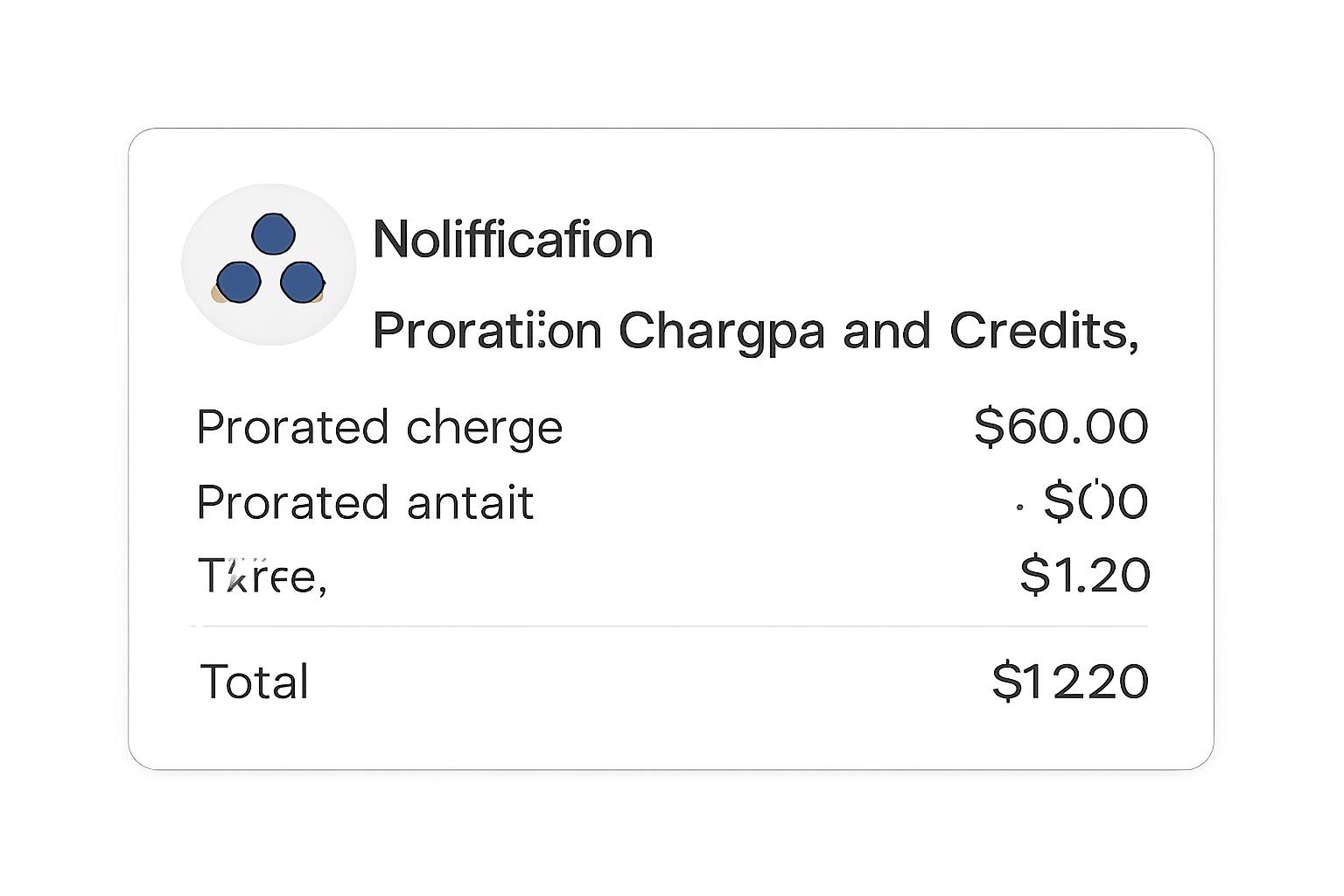
This new paradigm allows recurring payments via blockchain not just to match legacy systems but surpass them in accuracy and reliability. The next section will dive deeper into payment handling, refunds, security audits, and best practices for communicating proration policies to users, all critical steps as you build your own dynamic invoicing system powered by decentralized technology.
Handling payments and refunds in an onchain subscription proration system requires both precision and flexibility. When a customer changes their plan mid-cycle, the smart contract must instantly calculate the net charge or credit, then trigger the appropriate onchain transaction. This means sending or receiving tokens, often stablecoins, to or from the user’s wallet, all without manual intervention. The beauty of recurring payments on blockchain is that every adjustment is executed with full transparency, ensuring no party is left guessing about how amounts were determined.
Security cannot be an afterthought. Before deploying your proration logic, comprehensive testing and third-party security audits are non-negotiable. Even a minor bug in a smart contract could result in overcharging users or leaking funds. Many SaaS teams now rely on automated test suites and simulated billing cycles to verify that edge cases, like leap years, partial upgrades, or rapid plan switches, are handled flawlessly.
Best Practices for Dynamic Invoicing and User Communication
Dynamic invoicing on blockchain means every invoice reflects real-time usage and adjustments. Instead of static monthly bills, users receive invoices that detail credits from unused days and charges for new plans with a clear audit trail onchain. To maximize trust, it’s essential to provide customers with transparent breakdowns of each charge or credit, ideally via both your app’s UI and public blockchain explorers.
- Proactive notifications: Send alerts when any change triggers proration, upgrades, downgrades, cancellations.
- Clear receipts: Itemize credits and charges so customers understand exactly what they’re paying for.
- Accessible records: Encourage customers to verify transactions directly on the blockchain for maximum trust.
The transition to blockchain-based SaaS billing is not just about automation, it’s about building systems that are fundamentally more fair and auditable than their predecessors. With smart contract proration at its core, your SaaS can offer unmatched clarity and flexibility while minimizing support tickets related to subscription changes.
Sample Solidity Proration Calculation
If you’re ready to implement these concepts yourself, here’s an example of how you might code proration logic in Solidity (Ethereum’s smart contract language):
Solidity Function for Prorated Billing Calculation
Let's look at a Solidity function that calculates the prorated subscription amount based on the number of days used within a billing period. This is essential for fair onchain SaaS billing.
/**
 * @dev Calculates the prorated amount for a subscription based on days used.
 * @param fullAmount The full subscription amount for the period (e.g., monthly price in wei).
 * @param totalDays The total number of days in the billing period (e.g., 30).
 * @param daysUsed The number of days the user has used the service.
 * @return proratedAmount The amount owed for the days used.
 */
function calculateProratedAmount(
    uint256 fullAmount,
    uint256 totalDays,
    uint256 daysUsed
) public pure returns (uint256 proratedAmount) {
    require(totalDays > 0, "Total days must be greater than zero");
    require(daysUsed <= totalDays, "Days used cannot exceed total days");
    proratedAmount = (fullAmount * daysUsed) / totalDays;
}
This function ensures that users are only charged for the portion of the billing cycle they actually used. You can integrate this logic into your smart contract to handle prorated subscription fees.
This snippet demonstrates how you can structure calculations so that every upgrade or downgrade results in an immediate and accurate adjustment, no waiting for manual review or batch processing at the end of the month.
Future-Proofing Your SaaS Billing With Blockchain
The push toward decentralized finance is reshaping expectations around recurring payments and dynamic invoicing. By embracing onchain subscription proration, SaaS providers can future-proof their revenue streams while delivering an unprecedented level of fairness to their users. As regulations evolve and customer demands grow more sophisticated, those who invest now in transparent, automated billing systems will be best positioned to thrive.
The next wave of SaaS innovation will be defined by programmable money flows: real-time settlement, tamper-proof records, and frictionless upgrades, all powered by blockchain technology. Whether you’re building from scratch or migrating legacy systems onto decentralized rails, mastering smart contract proration will give your business a competitive edge in this new era of digital subscriptions.




No comments yet. Be the first to share your thoughts!