

In the fast-evolving world of Web3 SaaS, managing recurring subscriptions blockchain-style has always been a headache. Users upgrade, downgrade, or cancel mid-cycle, leaving providers to juggle messy refunds or overcharges. Enter onchain proration: smart contracts that slice billing with pixel-perfect accuracy, charging only for actual usage. This isn't just a tweak; it's a game-changer for web3 saas billing, turning potential revenue leaks into steady streams.
Picture a developer on your platform switching from a basic to pro plan on day 15 of a 30-day cycle. Traditional offchain systems might bill the full month upfront, sparking disputes. But with onchain proration, the contract instantly computes the credit for unused basic days and applies it to the pro upgrade. Divide the monthly fee by cycle days, multiply by remaining time, and execute. Platforms like SubscribeOnChain. com make this seamless, embedding proration logic directly into subscription smart contracts.
Why Mid-Cycle Changes Demand Onchain Precision
Web3 users expect flexibility, yet blockchain's rigidity once clashed with it. High gas fees and signature fatigue made frequent onchain transactions impractical, as noted in discussions around "true" onchain subscriptions. A Netflix-style $7 monthly hit could balloon to $10-20 per renewal due to Ethereum congestion. Reddit threads in r/SaaS echo this: many wonder if recurring crypto payments are production-ready or just demos.
Dynamic invoicing onchain flips the script. Smart contracts automate adjustments without user signatures every time. When a subscriber cancels, proration credits the remainder instantly, visible on-chain for trust. Upgrades? The contract pulls from an approved allowance, prorating seamlessly. This precision tackles volatility too, especially with stablecoins like USDC on Base or Polygon, as Stripe's recent expansions highlight for AI and SaaS tools.
Smart Contracts as Billing Engines
At its core, blockchain subscription proration relies on deterministic code. Deploy a contract with parameters: plan tiers, cycle length (e. g. , 30 days), fee amounts. On upgrade, it triggers a function like prorateUpgrade(newPlan, currentTimestamp), calculating:
Elapsed days determine the credit: (elapsed/total_days) * old_fee refunded to a pool, then new_fee * (remaining/total_days) charged. No intermediaries, no disputes. SubscribeOnChain. com's tools modularize this, integrating with wallets for gas-efficient execution. For downgrades, overpayments credit forward, smoothing churn.
Key Benefits of Onchain Proration
- Automated Mid-Cycle Adjustments: Smart contracts handle proration for upgrades, downgrades, or cancellations, calculating precise charges based on usage days via platforms like SubscribeOnChain.
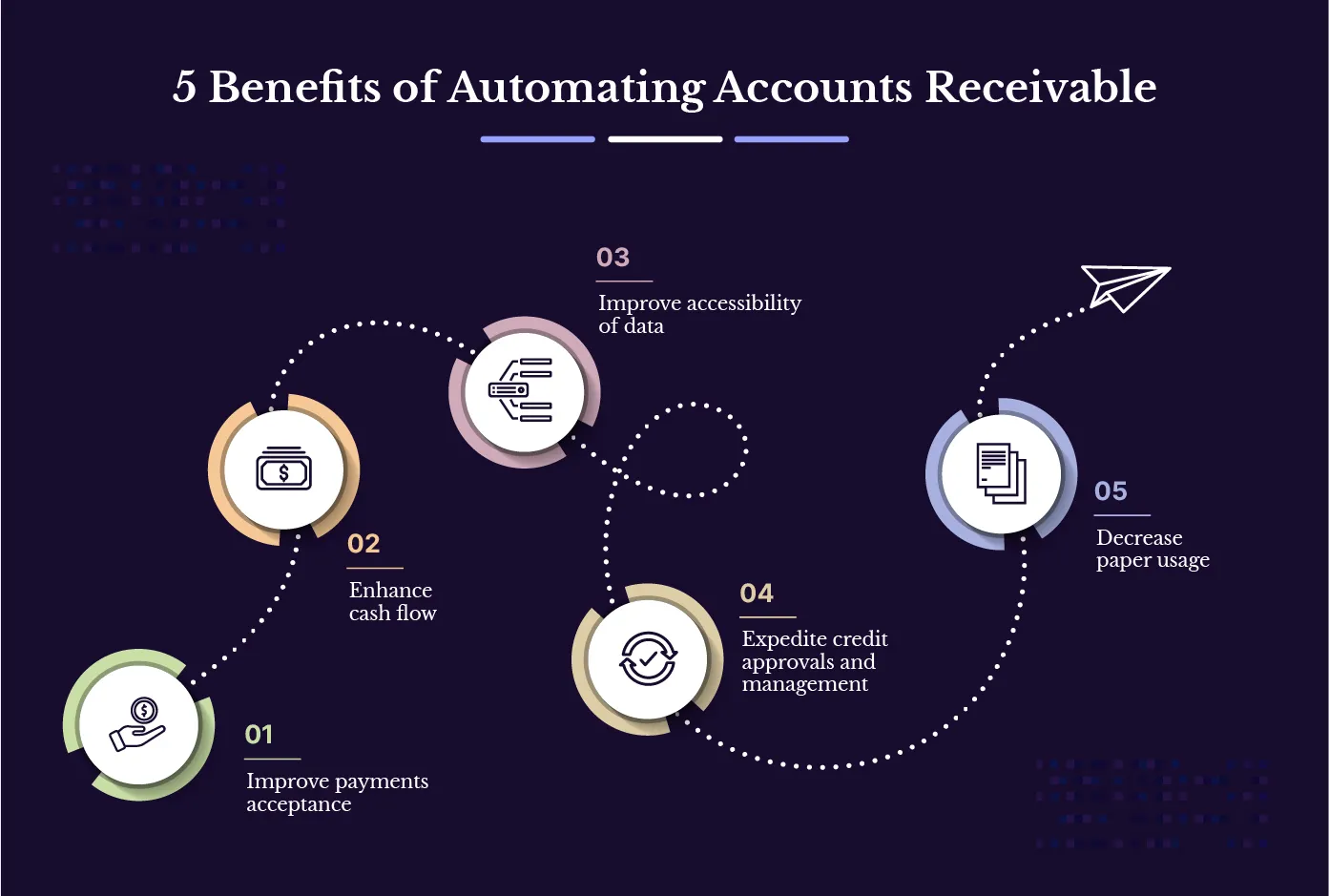
- Transparent Audits: Blockchain provides a tamper-proof, onchain record of all billing events, enabling easy verification and building user trust.
- Stablecoin Support: Integrates USDC on Base and Polygon for volatility-free recurring payments, as enabled by Stripe for SaaS tools.

- Reduced Disputes: Fair, automated calculations minimize billing errors and conflicts, with full visibility into charges.

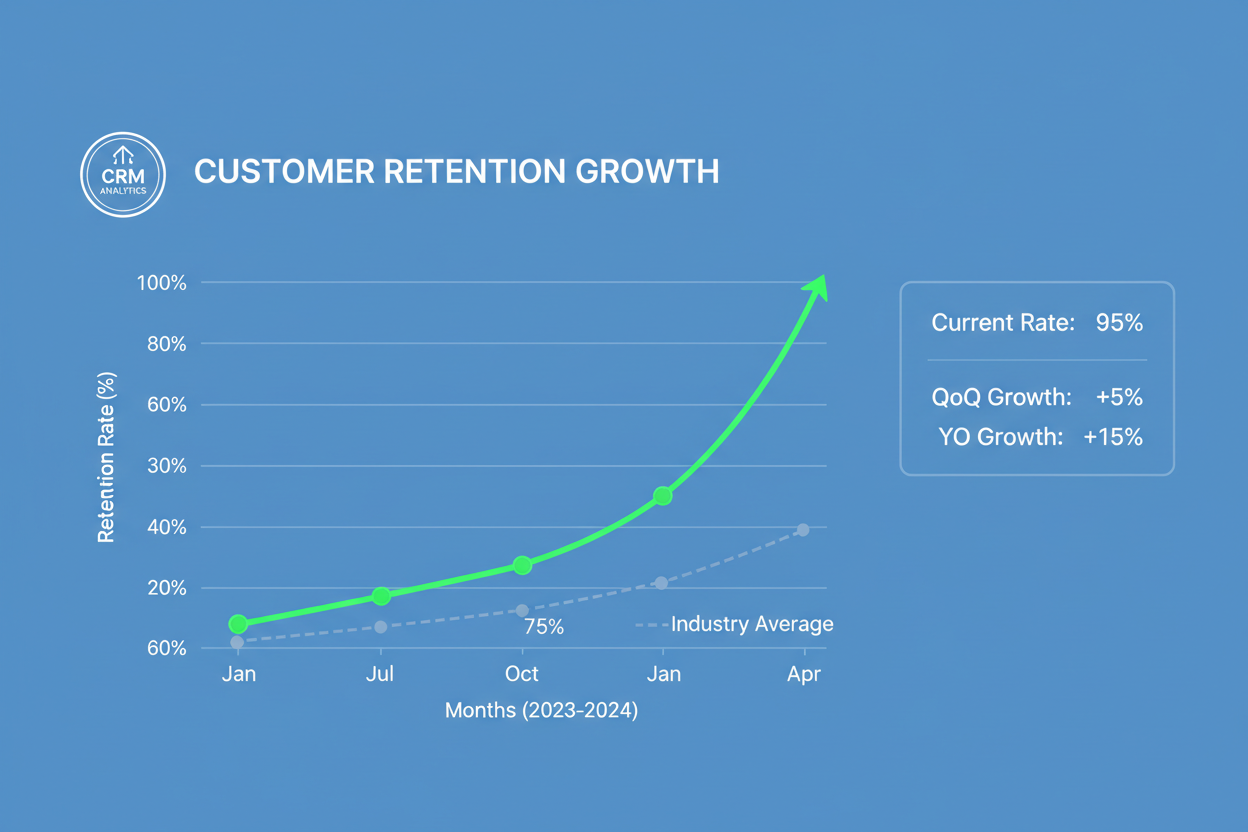
- Higher Retention: Seamless adjustments and real-time updates improve UX, boosting customer satisfaction for Web3 SaaS like PayerOne solutions.
This setup shines for global providers. No currency conversions, instant settlements across chains. PayerOne-like solutions extend it to hybrid fiat-crypto, but pure onchain keeps it decentralized. Early adopters report fewer failed payments, as retries bake into the contract logic.
Building Trust Through Transparency
Users scrutinize every transaction in Web3. Onchain proration delivers an immutable ledger of every adjustment. Query the contract: see exact proration math, timestamps, amounts. This auditable trail crushes opacity in legacy SaaS billing, where black-box calculations breed skepticism.
For instance, a content platform with NFT-gated tiers can prorate access dynamically. User A holds a basic NFT, upgrades mid-month: contract transfers partial value, no manual ops. Developers integrate via APIs from platforms specializing in this, slashing dev time. Retention climbs as users feel fairly billed, per industry guides on implementation.
Stablecoin integration amplifies reliability. USDC payments avoid crypto swings, enabling predictable recurring subscriptions blockchain models. As AI subscriptions proliferate, this positions Web3 SaaS ahead of Web2 laggards still wrestling with card declines.
Onchain proration isn't theoretical; it's deployable today with platforms that handle the heavy lifting. Developers start by defining subscription tiers in a smart contract, setting cycle durations and proration rules. When a user interacts via a frontend dApp, the contract executes the math on-chain, pulling from pre-approved allowances to avoid repeated signatures. This dynamic invoicing onchain approach sidesteps the pitfalls of high gas fees through batched or Layer 2 optimizations, making it viable even on Ethereum.
Overcoming Legacy Billing Pain Points
Traditional SaaS billing often stumbles on mid-cycle changes. Offchain processors like Stripe approximate proration but lack blockchain's verifiability, leading to disputes or revenue shortfalls. In contrast, blockchain subscription proration enforces rules immutably. Failed payments? Contracts automate retries with escalating fees or grace periods, funded by over-collateralized deposits. Global access improves too, as crypto bypasses banking rails, serving users in underserved regions without forex headaches.
Consider a Web3 analytics tool with tiered plans. A user upgrades on day 10: the contract calculates 10/30 of the old fee as credit, applies it to 20/30 of the new fee, netting a precise charge. This precision scales to complex models like usage-based tiers or token-weighted access, fostering innovation in recurring subscriptions blockchain.
Subscription Downgrade with Onchain Proration
This Solidity function exemplifies gas-efficient handling of subscription downgrades. It precisely calculates prorated credits for unused premium access within the current cycle and provides options for instant ERC-20 wallet refunds or crediting future cycles, streamlining Web3 SaaS operations.
```solidity
pragma solidity ^0.8.20;

import "@openzeppelin/contracts/token/ERC20/IERC20.sol";

contract SubscriptionManager {
    IERC20 public immutable paymentToken;
    uint256 public constant CYCLE_DURATION = 30 days;
    uint256 public constant PREMIUM_PRICE = 100 * 10**18;  // 100 tokens per cycle

    enum Tier { None, Basic, Premium }

    struct Subscription {
        Tier tier;
        uint256 cycleStart;
        uint256 creditBalance;
    }

    mapping(address => Subscription) public subscriptions;

    constructor(IERC20 _paymentToken) {
        paymentToken = _paymentToken;
    }

    /// @dev Handles downgrade from Premium to Basic with proration.
    /// Calculates credit for unused cycle time and either refunds instantly
    /// or credits for future cycles. Gas-optimized with minimal storage writes.
    function downgrade(bool instantRefund) external {
        Subscription storage sub = subscriptions[msg.sender];
        require(sub.tier == Tier.Premium, "Not a premium subscriber");

        uint256 elapsed = block.timestamp - sub.cycleStart;
        require(elapsed < CYCLE_DURATION, "Current cycle has ended");

        // Precise proration: (remaining / total) * price
        uint256 remainingTime = CYCLE_DURATION - elapsed;
        uint256 credit = (PREMIUM_PRICE * remainingTime) / CYCLE_DURATION;

        // Perform downgrade
        sub.tier = Tier.Basic;
        sub.cycleStart = block.timestamp;  // Start new basic cycle

        if (instantRefund) {
            require(paymentToken.transfer(msg.sender, credit), "Refund failed");
        } else {
            sub.creditBalance += credit;
        }
    }
}
```
This design balances user flexibility with blockchain efficiency, leveraging immutable constants and direct token interactions to minimize gas costs while ensuring verifiable fairness in proration logic.
This code integrates with ERC-20 approvals, ensuring gas efficiency. Platforms streamline deployment, offering pre-audited templates that plug into your stack.
Real-world traction builds momentum. AI platforms now accept USDC subscriptions on Polygon, per recent Stripe integrations, signaling mainstream readiness. Web3 SaaS providers like those using PayerOne report enterprise-grade reliability, blending crypto with fiat for hybrid models. Transparency shines: every proration event lives on-chain, queryable via explorers, quelling user doubts.
Enhanced user experience follows suit. Real-time dashboards show prorated balances, upcoming charges, and adjustment histories, boosting satisfaction. Retention metrics improve as fair billing reduces cancellations. For creators, NFT-linked subscriptions prorate access seamlessly, unlocking token-gated content with dynamic pricing.
Looking ahead, onchain proration paves the way for sophisticated models: pay-per-query AI, fractional ownership in DAOs, or adaptive pricing tied to network usage. Challenges like oracle dependencies for off-chain events persist, but Layer 2 scaling and account abstraction mitigate them. Developers integrating via specialized guides find it straightforward, often live in days.
Web3 SaaS providers adopting this now position themselves at the forefront. Automated, transparent, and precise, web3 saas billing via onchain proration doesn't just simplify subscriptions; it redefines revenue reliability in a decentralized world. Dive into the tools, deploy a pilot, and watch disputes vanish while streams stabilize.




No comments yet. Be the first to share your thoughts!