
Subscription-based businesses, especially in the SaaS and Web3 sectors, face a unique challenge: how to handle billing when customers change their plans mid-cycle. Whether it’s an upgrade to unlock premium features or a downgrade to save on costs, these mid-cycle changes demand precise, fair billing adjustments. Enter onchain subscription proration, a blockchain-powered solution that automates and transparently manages these complexities.
What Is Proration and Why Does It Matter in SaaS?
Proration is the process of adjusting charges based on the actual time or usage a customer spends on each plan within a billing cycle. For example, if you’re halfway through your monthly subscription and decide to upgrade from a $20 plan to a $50 plan, proration ensures you are billed fairly for both periods: part at the $20 rate, part at the $50 rate. This approach is essential for:
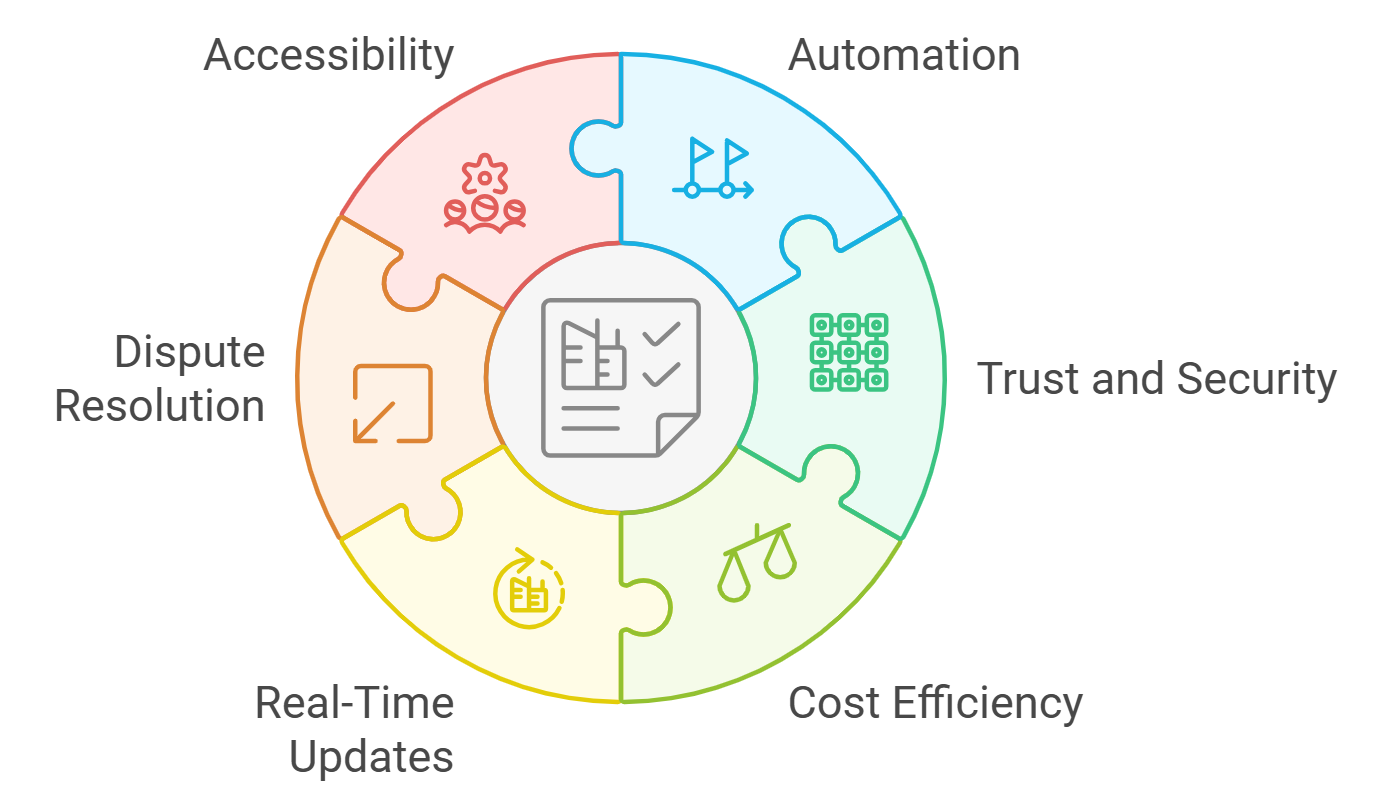
- Fairness: Customers pay only for what they use, building trust and reducing churn.
- Accuracy: Precise calculations prevent overcharging or undercharging.
- Loyalty: Transparent billing keeps users confident in your service.
This isn’t just theory, leading SaaS platforms like Orb Billing and Chargebee highlight proration as critical for customer satisfaction when handling mid-cycle upgrades, downgrades, or add-ons (source).
The Pitfalls of Traditional Prorated Billing
Legacy systems often require manual intervention to recalculate invoices when users switch plans. This not only increases operational overhead but also introduces risk of human error, incorrect bills can erode trust and trigger disputes. As pricing models become more complex (think metered usage, cross-sells, add-ons), even advanced SaaS platforms can struggle with integration headaches and reconciliation issues (source). Manual processes simply don’t scale well in fast-moving digital businesses.
The Onchain Alternative: Automated Proration via Smart Contracts
Onchain subscription proration leverages smart contracts, self-executing code on blockchains, to automate all aspects of prorated billing. When a subscriber makes any change mid-cycle (upgrade, downgrade, pause), the smart contract instantly recalculates charges based on predefined rules. The benefits are substantial:
Key Advantages of Automated Onchain Proration
- Automated Accuracy: Smart contracts on platforms like Polygon execute proration logic instantly and precisely, eliminating manual errors and ensuring customers are billed exactly for the service used.

- Transparent Billing: Every proration adjustment is recorded immutably on the blockchain, allowing customers and businesses to audit billing changes in real time, which boosts trust and compliance.
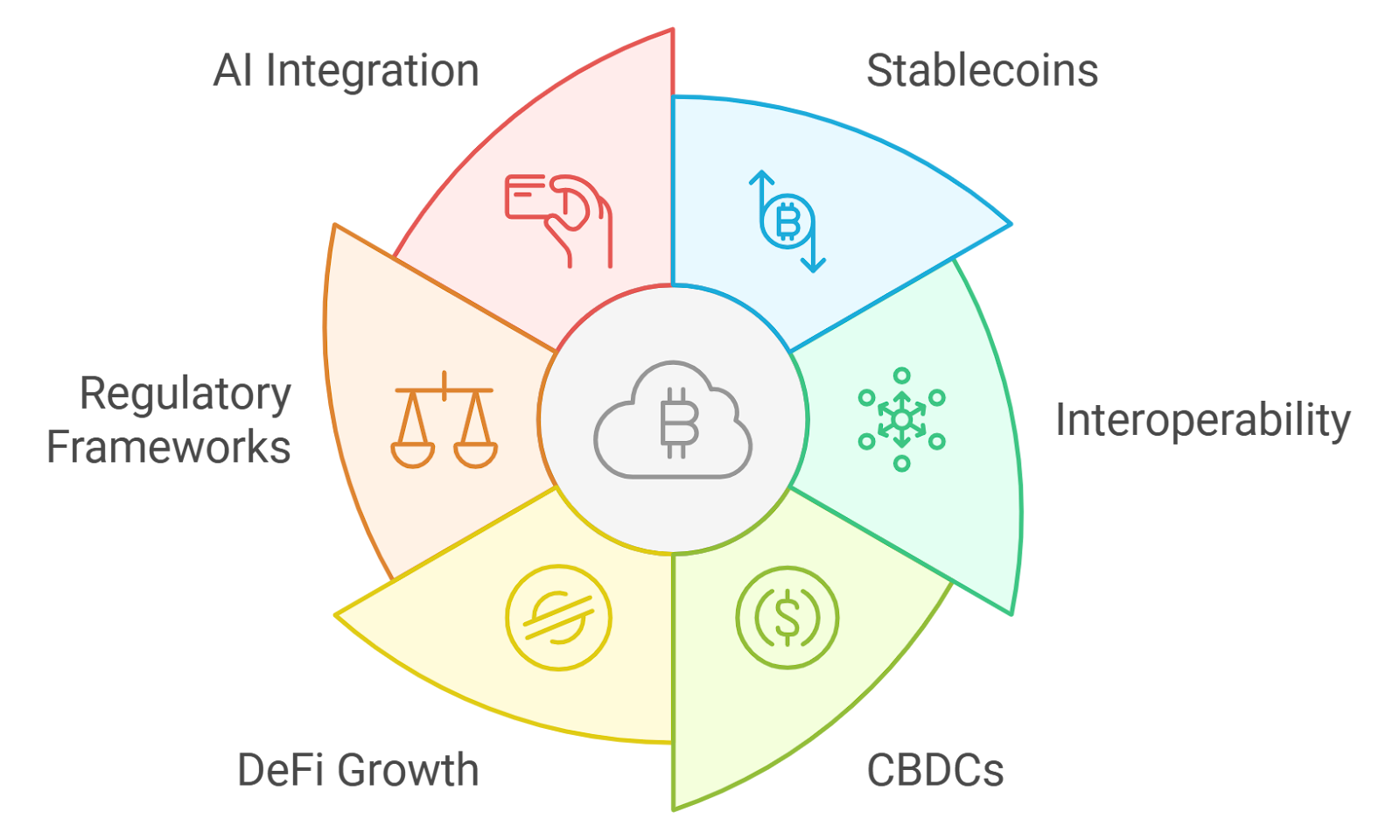
- Operational Efficiency: Automated proration reduces administrative workload by handling mid-cycle upgrades, downgrades, and plan changes without human intervention, enabling SaaS and Web3 businesses to scale seamlessly.

- Seamless Integration with Web3 Wallets: Platforms like Recurrable enable users to manage subscriptions and payments directly from their crypto wallets, streamlining user experience and payment collection.

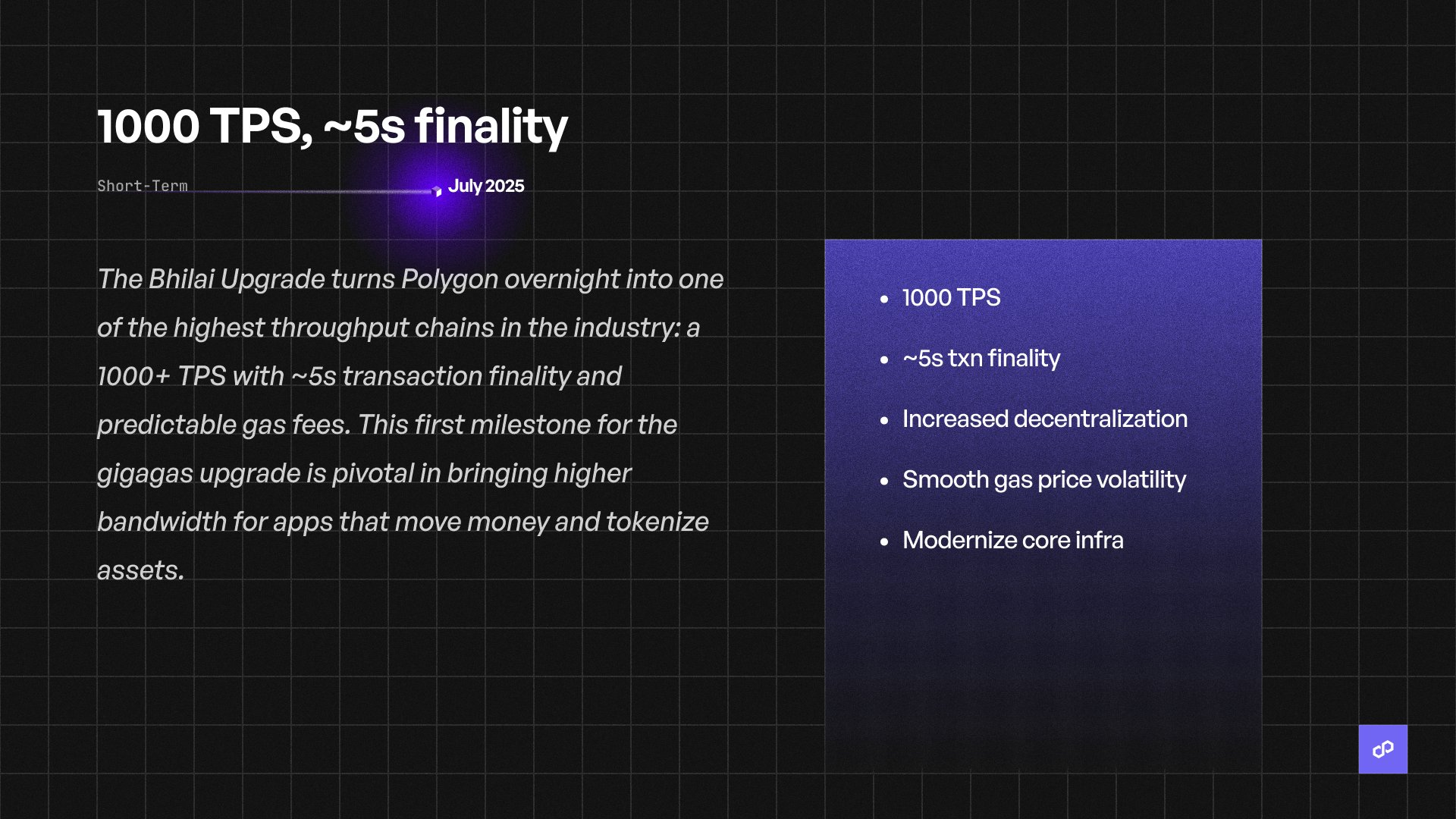
- Lower Transaction Costs: Utilizing efficient blockchains such as Polygon helps keep transaction fees minimal, making frequent billing adjustments affordable for both businesses and subscribers.
This approach offers several key advantages over traditional systems:
- No manual calculations: All adjustments happen automatically based on immutable logic encoded in the contract.
- Total transparency: Every transaction is recorded on-chain for auditability, no more opaque adjustments or hidden fees.
- Error reduction: Automated logic minimizes costly mistakes that can occur with spreadsheets or legacy software.
- Scalability: As your user base grows or pricing models evolve, smart contracts adapt without additional development overhead.
The result? More efficient operations and happier customers who can trust that their invoices reflect exactly what they used, and nothing more.
Pioneering Platforms and Real-World Adoption
SaaS providers and decentralized platforms are already embracing this model. For example, solutions like Recurrable implement onchain proration features on scalable networks such as Polygon, minimizing transaction fees while ensuring accurate recurring crypto payments (source). This trend signals a shift toward blockchain subscription management as the new standard for digital businesses seeking both automation and transparency.
As onchain subscription proration matures, it is rapidly moving from a cutting-edge feature to an operational necessity for SaaS and Web3 businesses aiming to stay competitive. With the rise of decentralized applications, content platforms, and software services that transact value directly on blockchain networks, the demand for seamless, automated billing logic is only growing. The ability to handle mid-cycle subscription changes on blockchain is not just a technical upgrade, it’s a strategic advantage that can set your business apart in a crowded market.
How Onchain Proration Works in Practice
Imagine a scenario: A user on your SaaS platform upgrades their plan halfway through the billing period. Traditionally, this would trigger a cascade of manual adjustments, calculating days remaining, usage differentials, issuing credits or new invoices. With automated proration smart contracts, these steps are executed instantly and transparently:
How Smart Contracts Handle Plan Upgrades and Prorated Charges Onchain
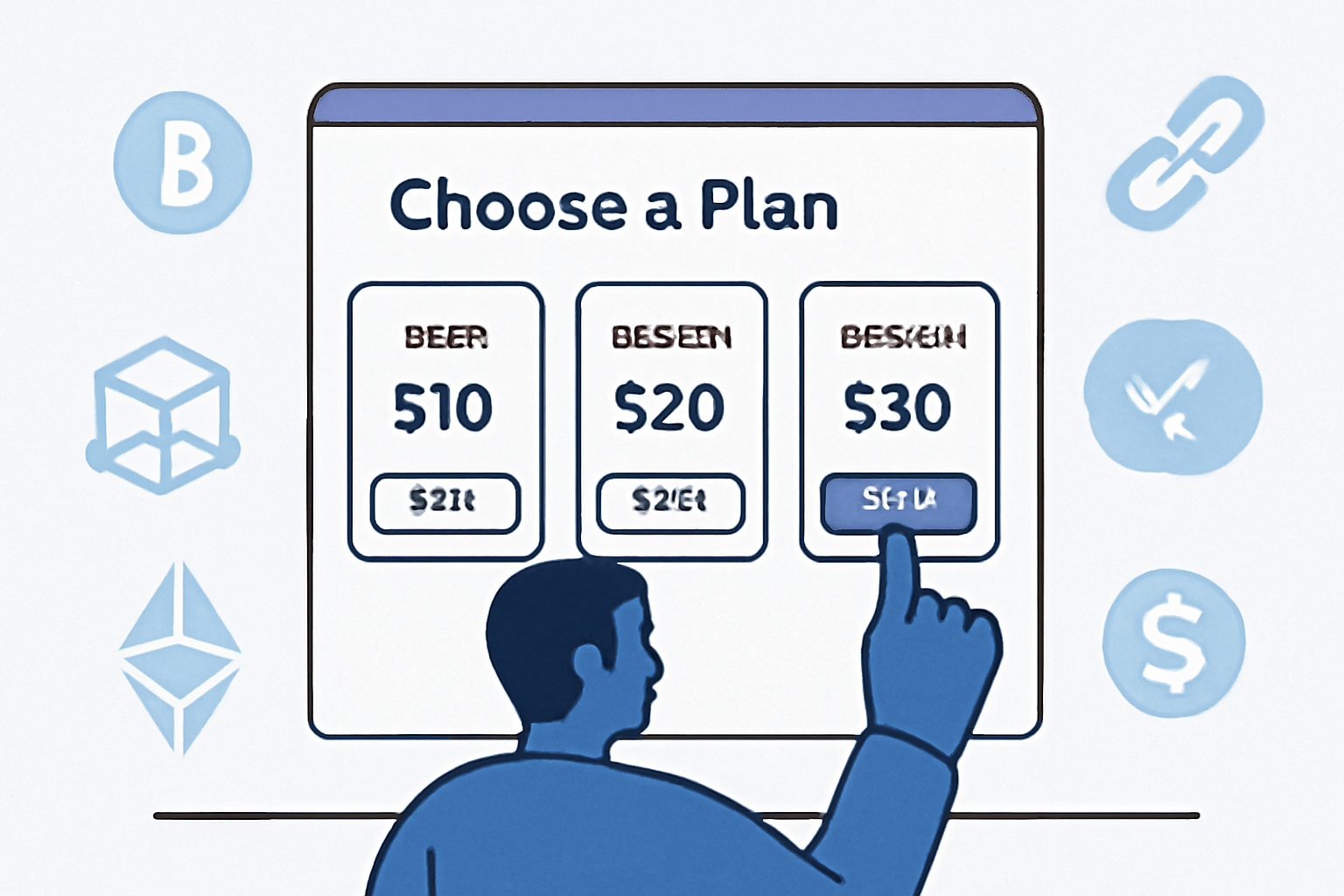
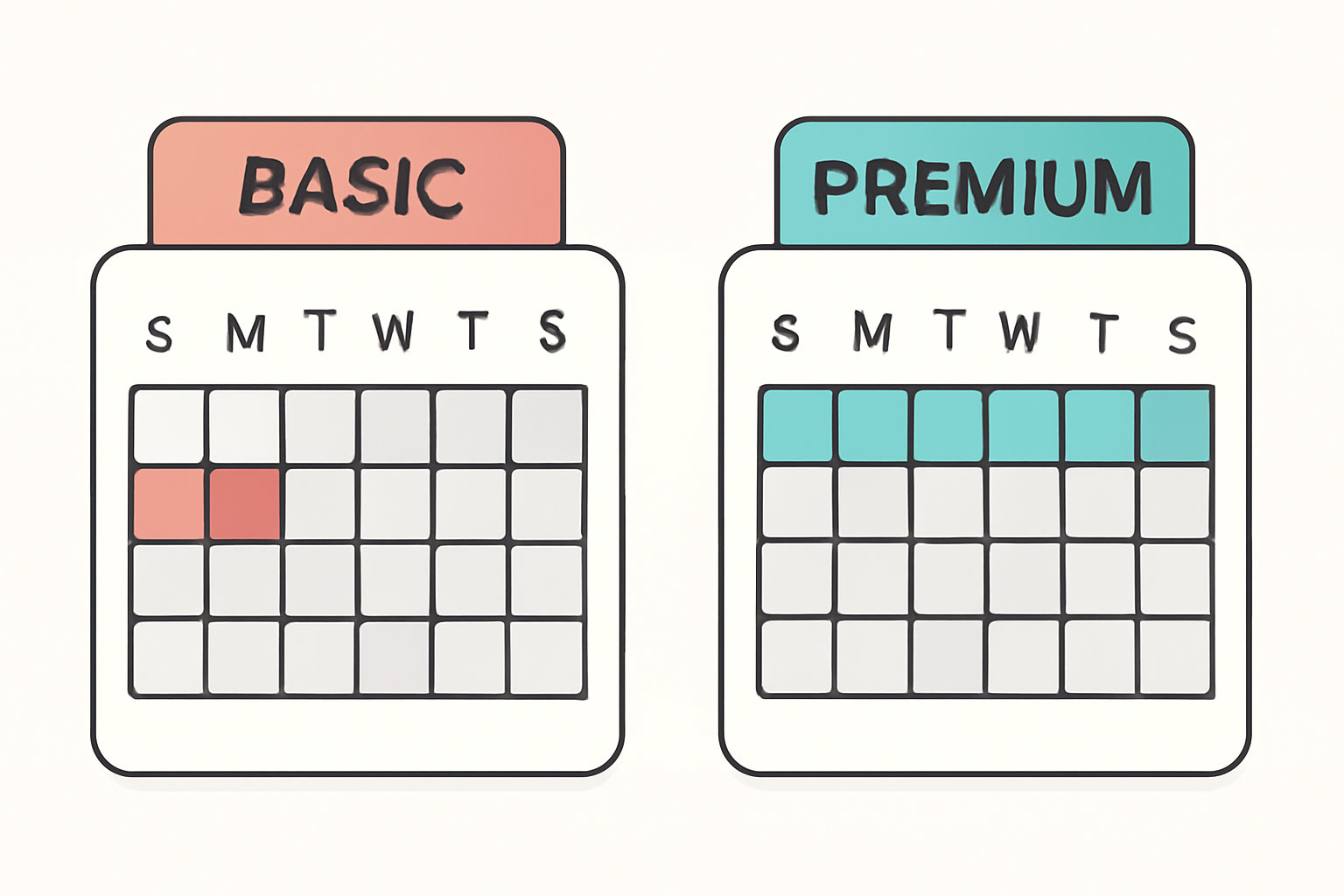
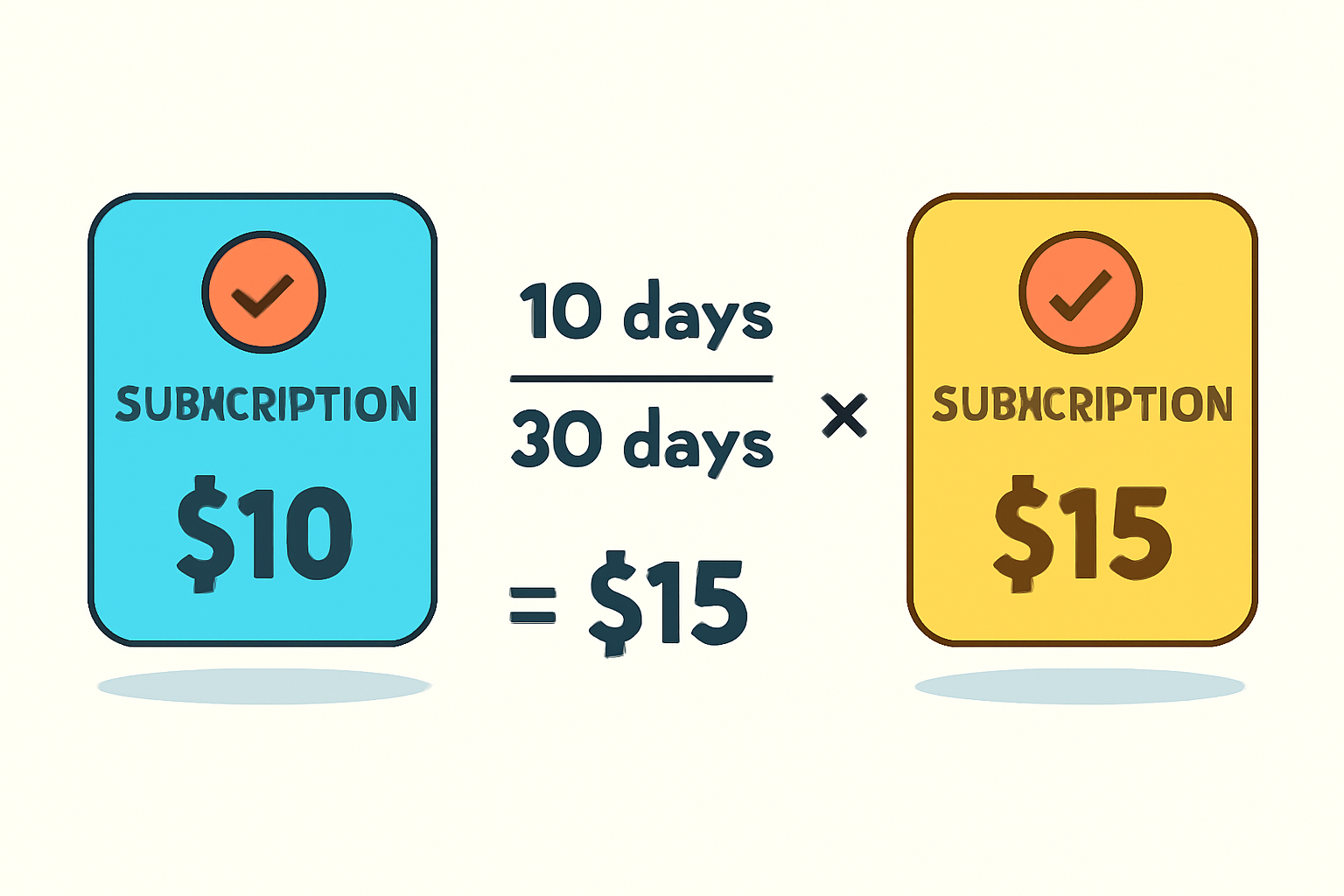
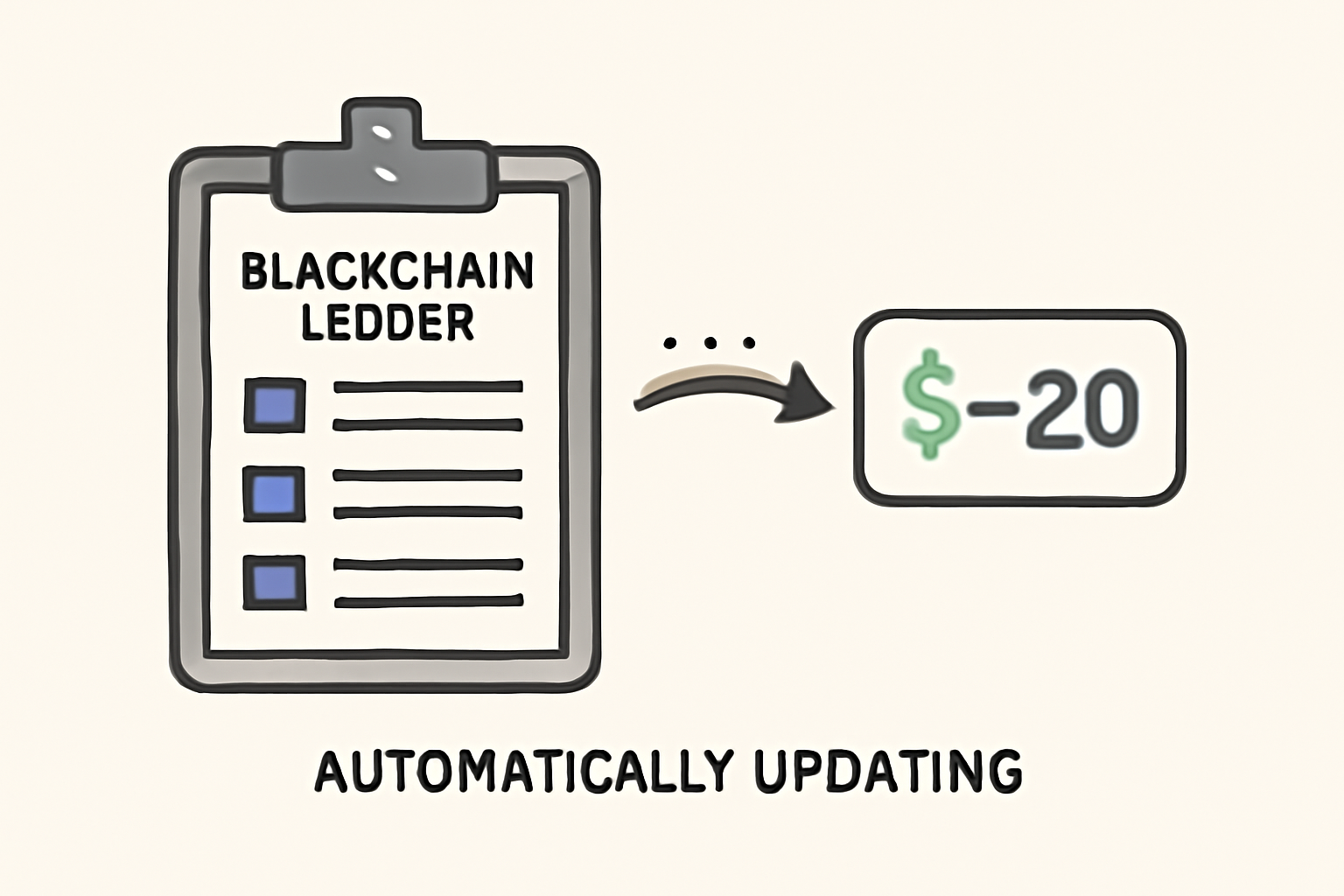

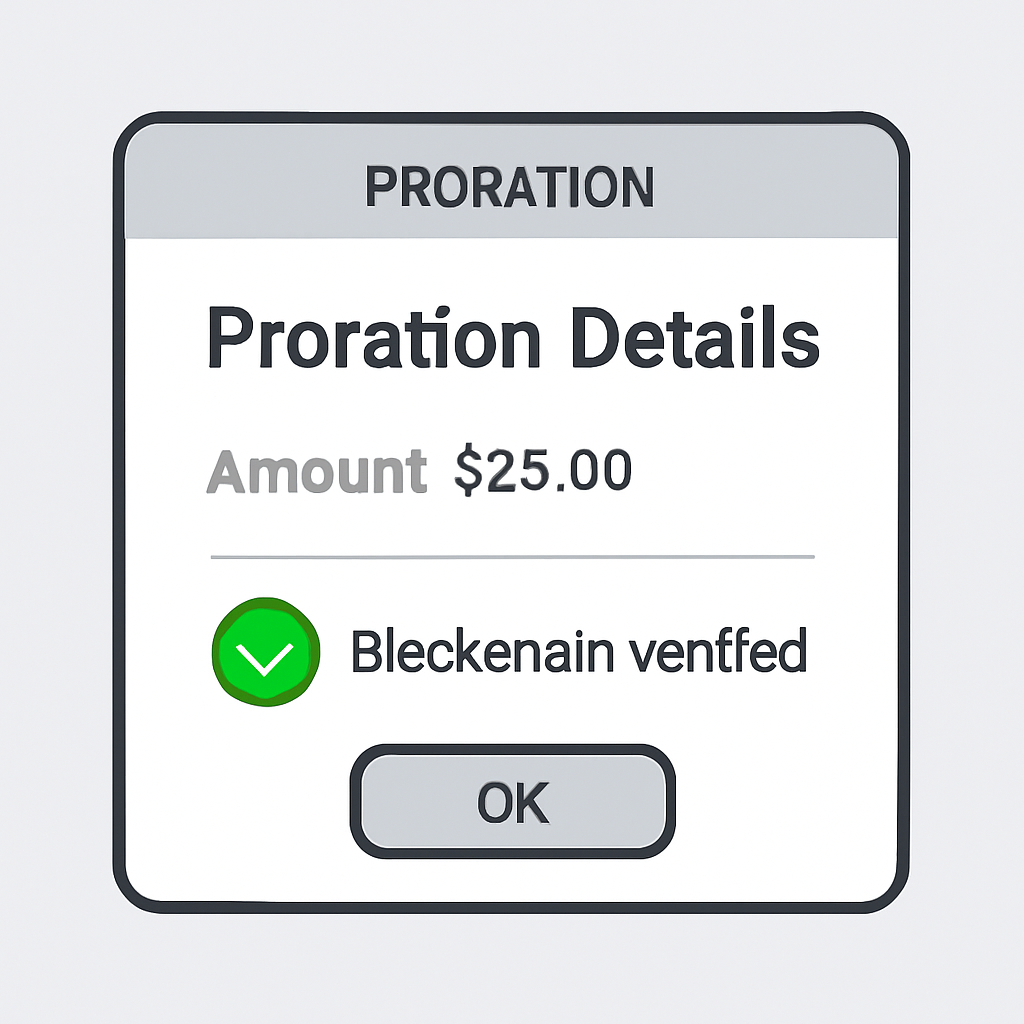
The smart contract checks the time spent on each plan tier, calculates the exact amount owed or credited based on immutable rules, and updates the ledger in real time. Every action is visible to both parties, drastically reducing disputes and support tickets.
Key Implementation Considerations for Web3 Teams
While the benefits are clear, transitioning to blockchain-based subscription management requires thoughtful planning. Here are some critical factors to address:
- Smart Contract Security: Audit your contracts thoroughly, proration logic must be airtight to prevent exploits or unintended charges.
- User Experience: Integrate wallet-based authentication smoothly so subscribers can easily manage plans without friction.
- Network Selection: Choose blockchains like Polygon that offer low fees and high throughput for frequent microtransactions.
- Compliance and Reporting: Leverage onchain data for transparent financial reporting and regulatory compliance as rules evolve.
Solidity Example: Prorated Billing for Mid-Cycle Subscription Changes
To illustrate how onchain proration can be handled in Solidity for SaaS and Web3 subscription models, consider the following contract. It allows users to subscribe, and if they change their plan mid-cycle, the contract calculates the prorated cost difference and requires only the additional payment if upgrading.
// SPDX-License-Identifier: MIT
pragma solidity ^0.8.0;

contract ProratedSubscription {
    struct Subscription {
        uint256 startTime;
        uint256 endTime;
        uint256 ratePerSecond;
        uint256 lastPayment;
    }

    mapping(address => Subscription) public subscriptions;

    // Subscribe for a period at a given rate (e.g., monthly)
    function subscribe(uint256 duration, uint256 ratePerSecond) external payable {
        require(subscriptions[msg.sender].endTime < block.timestamp, "Already subscribed");
        uint256 cost = duration * ratePerSecond;
        require(msg.value >= cost, "Insufficient payment");
        subscriptions[msg.sender] = Subscription({
            startTime: block.timestamp,
            endTime: block.timestamp + duration,
            ratePerSecond: ratePerSecond,
            lastPayment: block.timestamp
        });
    }

    // Change subscription mid-cycle (e.g., upgrade/downgrade)
    function changePlan(uint256 newRatePerSecond) external payable {
        Subscription storage sub = subscriptions[msg.sender];
        require(sub.endTime > block.timestamp, "No active subscription");
        uint256 timeLeft = sub.endTime - block.timestamp;

        // Calculate unused value from old plan
        uint256 unusedValue = timeLeft * sub.ratePerSecond;

        // Calculate cost of new plan for the remaining time
        uint256 newCost = timeLeft * newRatePerSecond;

        if (newCost > unusedValue) {
            require(msg.value >= newCost - unusedValue, "Insufficient payment for upgrade");
        }
        // Update the subscription to the new rate
        sub.ratePerSecond = newRatePerSecond;
    }

    // Helper: get current subscription info
    function getSubscription(address user) external view returns (Subscription memory) {
        return subscriptions[user];
    }
}
This example demonstrates the core logic for prorated billing in Solidity. In a production scenario, you would want to add more robust error handling, event logging, and possibly support for token-based payments instead of Ether.
The technical leap isn’t trivial, but platforms like SubscribeOnChain. com provide frameworks and templates that abstract much of this complexity away. This empowers product teams to focus on customer value rather than backend billing headaches.
The Competitive Edge: Beyond Billing Accuracy
The impact of adopting blockchain subscription management extends beyond correct invoices. It unlocks new business models, think token-gated access, NFT memberships with dynamic pricing, or automated revenue sharing among ecosystem partners. The transparency inherent in blockchain also builds trust with users who increasingly demand both privacy and fairness in digital transactions.
Innovative Use Cases for Onchain Proration in SaaS & Web3
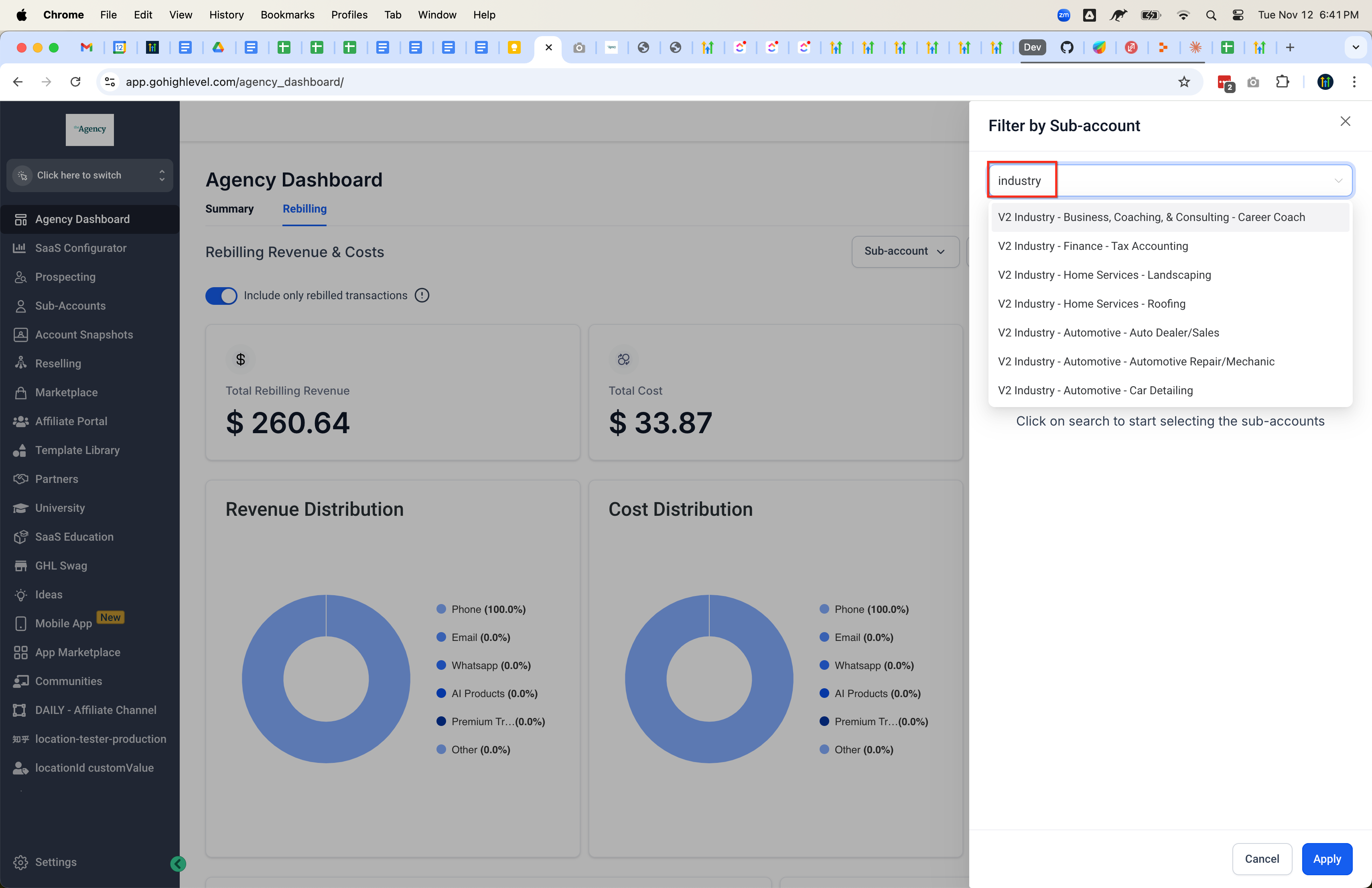
- Automated Mid-Cycle Plan Upgrades on Orb: Orb leverages smart contracts to instantly recalculate and apply prorated charges when users upgrade or downgrade their SaaS subscriptions mid-billing cycle, ensuring precise and transparent billing without manual intervention.
- Recurring Crypto Payments for Content Creators on Recurrable: Recurrable uses onchain proration on Polygon to automate subscription adjustments for creators, allowing real-time billing updates and fair charges when subscribers change their tiers mid-month.

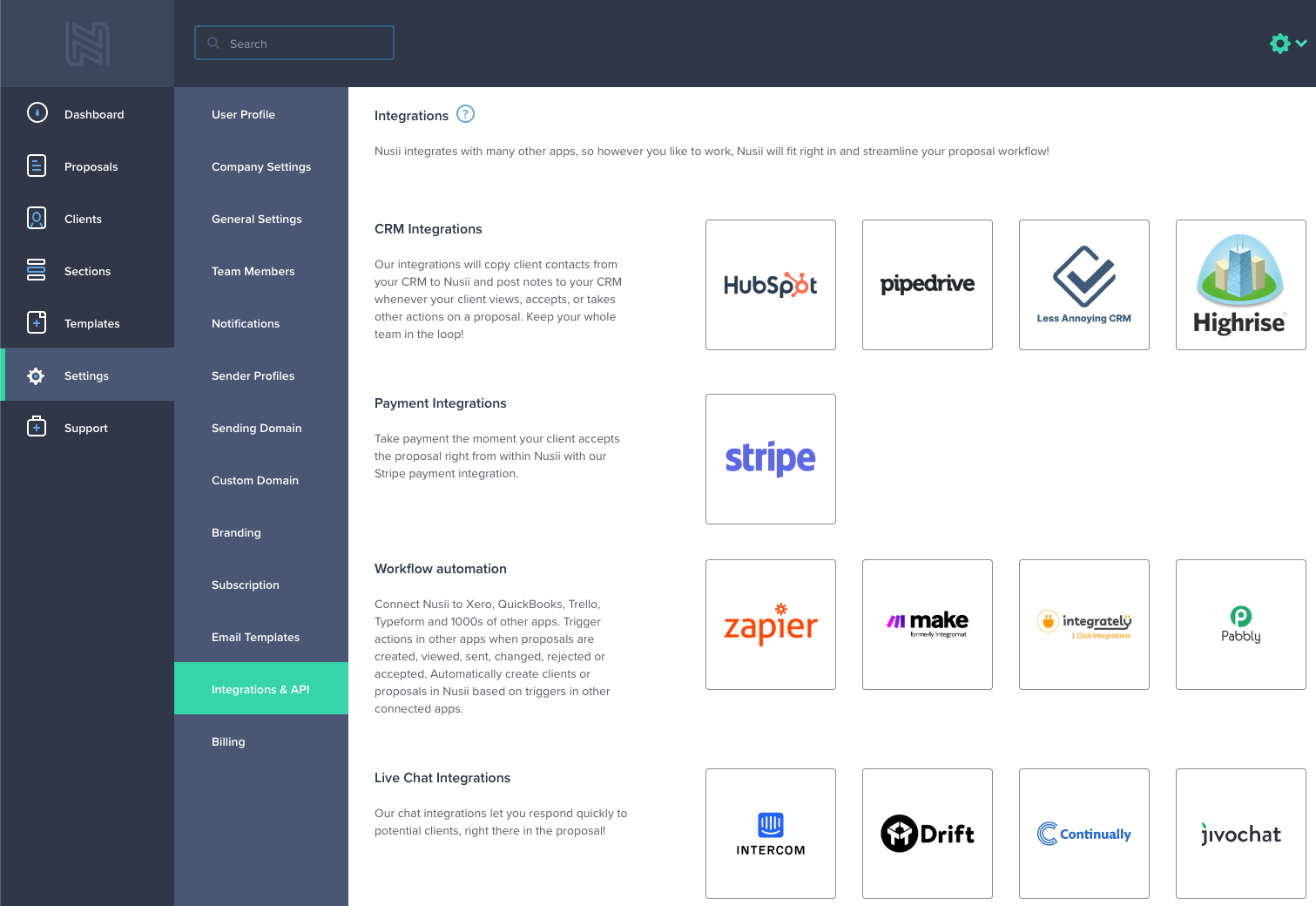
- Transparent Usage-Based Billing with Stripe Billing + Web3 Integrations: Stripe enables prorated billing for SaaS, and when integrated with Web3 wallets, it can provide immutable, onchain records of all subscription changes and proration events, enhancing auditability and customer trust.
- Decentralized SaaS Marketplaces on thirdweb: thirdweb empowers SaaS providers to deploy smart contracts that automatically handle proration for subscription-based dApps, supporting seamless plan modifications and transparent fee adjustments on blockchain.
- Automated Prorated Access for NFT-Gated Services on Unlock Protocol: Unlock Protocol allows NFT-based subscriptions to be dynamically adjusted with onchain proration, so users pay only for the exact access period when upgrading or downgrading their membership NFTs.
This shift isn’t just about technology, it’s about aligning incentives between providers and customers in real time. As more enterprises adopt these standards, expect user expectations around billing clarity and flexibility to rise accordingly.
Final Thoughts: Future-Proofing Subscription Businesses
The next wave of SaaS and digital service growth will be driven by platforms that make recurring payments effortless, transparent, and adaptive to user needs. Onchain subscription proration offers exactly this foundation provides a programmable layer where every mid-cycle change is handled fairly by code. For product leaders evaluating their next move in pricing automation or customer experience design, integrating automated proration via smart contracts isn’t just solving today’s pain points, it’s preparing your business for tomorrow’s opportunities.




No comments yet. Be the first to share your thoughts!