
Get on-chain subscriptions right
Before you deploy a recurring payment contract, you need to handle the friction points that kill retention in crypto. Unlike credit cards, blockchain payments are irreversible and require user action. If you don’t set up the infrastructure correctly, your subscribers will churn the moment a transaction fails or a gas spike hits.
1. Implement ERC-20 Allowances, Not Transfers
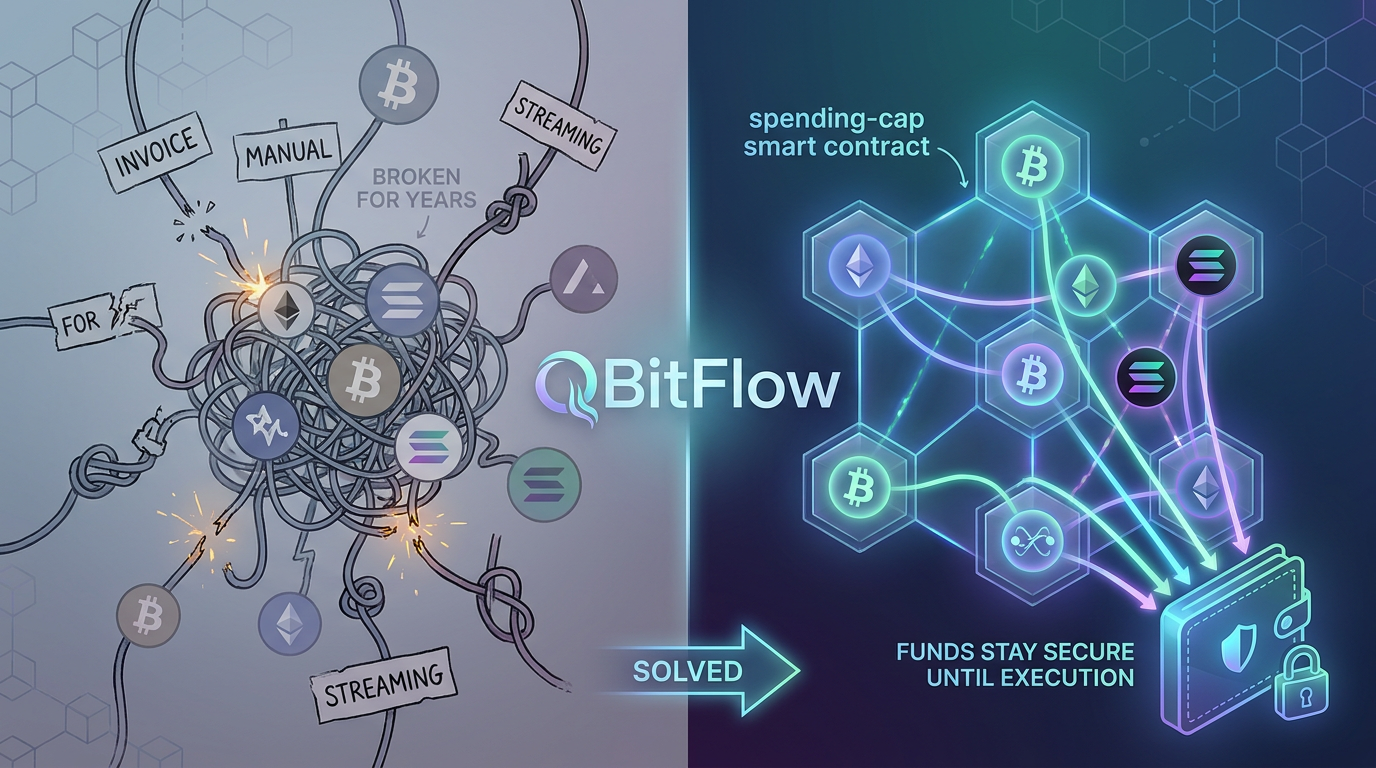
The core mechanic of on-chain subscriptions is the user approval. Instead of asking users to send money every month, they sign a transaction granting your contract permission to spend a specific amount of their tokens up to a set limit. This is how services like SpherePay facilitate "true" on-chain subscriptions by allowing merchants to pull funds non-custodially.
This approach reduces friction significantly. Users only sign one approval transaction, and subsequent renewals happen automatically via smart contract logic. However, you must clearly communicate the allowance limit to users. If the limit is too low, renewals fail. If it’s too high, security-conscious users may hesitate to connect their wallets.
2. Choose the Right Token Standard
Not all tokens support the same logic. ERC-20 tokens are the standard for most stablecoin subscriptions (USDC, USDT) because they support the approve and transferFrom functions. ERC-721 or ERC-1155 tokens might be used for membership passes, but they don’t fit the recurring payment model as cleanly.
Stick to ERC-20 for pure payment subscriptions. If you’re dealing with NFT-based memberships, consider separating the payment layer from the access layer. This keeps your subscription logic simple and focused on the token transfer, reducing the complexity of your smart contract and lowering the risk of bugs.
3. Handle Gas Fees and Network Choice
Gas fees are the biggest barrier to recurring crypto payments. If a user has to pay gas every time a subscription renews, the cost might exceed the subscription fee itself. To solve this, consider using Layer 2 networks like Arbitrum or Base, where gas fees are fractions of a cent.
Alternatively, you can implement a gas sponsorship model, where the merchant pays the gas fees for the renewal transactions. This improves the user experience but increases your operational costs. Test both models with a small group of users to see which one drives better retention.
4. Set Up Clear Failure Notifications
When a renewal fails, it’s often due to insufficient balance or a revoked allowance. You need a system to notify users immediately so they can fix the issue before their service is cut off. Email and on-chain event listeners are essential here.
Don’t rely solely on on-chain events, as users don’t always check their wallets. Use a backend service to monitor transaction status and trigger emails or push notifications when a payment fails. This proactive approach can recover a significant portion of otherwise lost subscribers.
5. Test with Real Users on Testnets
Before going live, run a beta program on a testnet like Sepolia or Goerli. Have users go through the entire flow: approval, renewal, failure, and recovery. This will help you identify UX hurdles that you might miss in a code review.
Pay attention to how users interact with wallet prompts. Are they confused by the allowance amount? Do they understand why they need to sign multiple transactions? Use this feedback to refine your interface and documentation. A smooth testnet experience is a good indicator of a successful mainnet launch.
How to set up on-chain subscriptions for recurring crypto payments
Setting up a true on-chain subscription requires moving beyond one-time wallet approvals. Instead, you need a system where smart contracts manage recurring billing, token allowances, and automatic renewals. This approach eliminates failed transactions and reduces manual overhead for both merchants and users.
The process involves configuring your payment infrastructure to handle recurring logic on-chain. You will set up token allowances, define renewal conditions, and integrate a wallet that supports these automated interactions. Here is the step-by-step workflow to get your on-chain subscriptions running.
Select a stablecoin like USDC or USDT for predictable billing. Volatile assets like ETH or BTC introduce price risk for both parties. Ensure your chosen token is supported by the smart contract platform you are using. Most Web3 payment gateways prioritize USDC for subscription models due to its stability and widespread adoption in DeFi.
Users must approve a spending limit for the merchant’s contract. This is an ERC-20 approve transaction where the user sets a maximum amount the contract can pull. For subscriptions, this limit should cover several billing cycles to avoid frequent approval prompts. Without this allowance, the smart contract cannot automatically deduct the subscription fee.
Use a pre-audited smart contract template or a payment gateway API that handles the logic. The contract should store the subscription start date, renewal interval, and price. When the interval arrives, the contract triggers a transferFrom call using the user’s approved allowance. This automation removes the need for manual invoicing or email reminders.
Integrate a wallet provider (like MetaMask, WalletConnect, or Coinbase Wallet) into your frontend. The checkout flow should initiate the approval transaction first, then confirm the subscription. Ensure the UI clearly displays the recurring nature of the payment and the token being used. A confusing UX leads to abandoned carts, so clarity is critical.
Even with allowances, transactions can fail due to insufficient balance or network congestion. Set up a backend listener to detect failed renewals and notify the user via email or push notification. Provide a simple interface for users to update their payment method or cancel the subscription. Transparency builds trust in on-chain recurring billing.
-
Verified stablecoin support (e.g., USDC)
-
ERC-20 allowance configured correctly
-
Smart contract deployed and audited
-
Wallet integration tested for approval flow
-
Failure notification system active
This setup ensures your on-chain subscriptions are reliable, transparent, and user-friendly. By following these steps, you leverage the efficiency of blockchain technology while maintaining the predictability users expect from subscription services.
Common Mistakes in On-Chain Subscriptions
Setting up recurring crypto payments sounds simple: approve a token allowance and let a smart contract handle the rest. In practice, friction kills retention. Users abandon subscriptions when they encounter unexpected failures, opaque costs, or confusing interfaces. Avoiding these pitfalls requires attention to specific technical and user experience details.
Forgetting to Cover Gas Fees
Most on-chain transactions require the payer to hold the native token (ETH, MATIC, SOL) to pay for gas. If a user’s wallet contains only USDC but no ETH, the smart contract call fails, and the subscription renewal is skipped. This silent failure leads to service interruptions and frustrated users who assume the payment went through.
Fix this by implementing gas sponsorship or meta-transactions. With gas sponsorship, the merchant pays the network fees on behalf of the user, allowing subscriptions to run smoothly regardless of the user’s native token balance. Alternatively, use account abstraction (ERC-4337) to batch operations or allow gas payments in stablecoins. Always test edge cases where the user’s native token balance is zero.
Relying on Basic ERC-20 Allowances
Standard ERC-20 approvals are designed for single transactions, not recurring ones. If a merchant sets a fixed allowance limit that is too low, the subscription payment fails when the token price spikes or the subscription tier increases. If the limit is too high, it exposes the user to unnecessary risk and may trigger wallet security warnings.
Use dynamic approval strategies or dedicated subscription smart contracts (like those used by SpherePay or similar protocols) that manage incremental allowances. Ensure the contract can request additional approval only when necessary, or implement a "pay-per-use" model where the user approves the exact amount needed for that cycle. Clear UI indicators showing the current allowance and renewal amount reduce user anxiety.
Ignoring Network Congestion and Timing
Subscriptions often trigger at a specific time. If that moment coincides with high network congestion, transaction fees spike, and confirmations delay. A delayed payment might result in double-charging attempts or failed renewals if the merchant’s logic doesn’t handle retries gracefully.
Implement retry logic with exponential backoff in your smart contract or off-chain indexer. Monitor network status and adjust renewal windows slightly to avoid peak congestion times. Communicate potential delays clearly to users, so they aren’t surprised by late access to their service.
On-chain subscription: what to check next
Before committing to recurring crypto payments, it helps to clear up how the mechanics differ from traditional billing. The following answers address the most common practical objections regarding control, costs, and technical requirements.
These mechanisms shift the burden of payment collection from the user to the protocol. By automating the renewal process through verified on-chain permissions, you reduce churn and administrative overhead while maintaining transparency for all parties involved.
No comments yet. Be the first to share your thoughts!