
Choose your billing infrastructure
Selecting the right protocol depends on whether you need a hosted platform or a self-hosted smart contract. Your choice dictates your development effort, gas costs, and which blockchains you can serve. The following table compares four primary options for on-chain recurring payments.
| Platform | Type | Supported Chains | Fee Structure |
|---|---|---|---|
| Solana Subscriptions | Native Protocol | Solana | Network gas only |
| Superfluid | Streaming Protocol | EVM, Solana | Protocol fee + gas |
| Stripe Crypto | Hosted Gateway | EVM (stablecoins) | ~1.5% + network fee |
| Request Network | Open Network | Multi-chain EVM | Network fee only |
Solana offers native subscription plans directly on-chain, allowing merchants to publish fixed billing tiers with immutable terms. This approach minimizes overhead by leveraging the network's built-in capabilities rather than relying on external smart contracts. If your audience is primarily on Solana, this is the most direct path to recurring revenue.
For multi-chain needs, Superfluid enables continuous money streaming rather than discrete periodic payments. This reduces transaction frequency and gas costs, as the balance updates in real-time rather than through separate billing cycles. It is ideal for developers building decentralized applications that require granular, time-based access control.
If you prefer a hosted solution, Stripe’s crypto gateway handles the complexity of stablecoin conversions and compliance. While it introduces a platform fee, it abstracts away the technical challenges of wallet management and transaction monitoring. Request Network provides an open alternative for multi-chain EVM environments, focusing on invoice-based recurring billing without protocol-level fees.
Define your subscription tiers
Structure your pricing model before writing any code. The goal is to align token selection and access levels with predictable revenue, not speculative gains. On-chain subscriptions rely on smart contracts that automatically renew payments, eliminating the failed transactions common in manual crypto billing [[src-serp-2]].
Start by selecting your payment token. Use USD-pegged stablecoins like USDC or USDT for your base tiers. This approach provides predictable revenue for your business and protects subscribers from volatility risk. If you choose volatile assets like ETH, you must account for significant price swings in your renewal logic.
Next, define your access levels. Mirror traditional SaaS models: a basic tier for core access, a pro tier for advanced features, and an enterprise tier for high-volume needs. Ensure your smart contract maps these tiers to specific wallet permissions or NFT requirements. Platforms like Confirmo’s Subscribe allow merchants to set USD-denominated plans where customers approve once and payments pull automatically, simplifying the user experience [[src-serp-7]].
Finally, test your tier logic in a sandbox environment. Verify that upgrading or downgrading a tier correctly updates the subscriber’s access rights on-chain. This step prevents revenue leakage and ensures a smooth transition for users moving between plans.
Deploy the smart contract
Launch On-Chain Subscriptions works best as a clear sequence: define the constraint, compare the realistic options, test the tradeoff, and choose the path with the fewest hidden costs. That order keeps the advice usable instead of decorative. After each step, pause long enough to check whether the recommendation still fits the reader's actual situation. If it depends on perfect timing, unusual access, or a best-case budget, include a simpler fallback.

Integrate the checkout flow
Launch On-Chain Subscriptions works best as a clear sequence: define the constraint, compare the realistic options, test the tradeoff, and choose the path with the fewest hidden costs. That order keeps the advice usable instead of decorative. After each step, pause long enough to check whether the recommendation still fits the reader's actual situation. If it depends on perfect timing, unusual access, or a best-case budget, include a simpler fallback.
Monitor and manage renewals
Once your on-chain subscription is live, the focus shifts to tracking active users and preventing churn. Automated recurring payments reduce friction for members, but they also require active management to ensure access control aligns with payment status. You need a system that distinguishes between a missed payment and a voluntary cancellation.
Track active subscribers
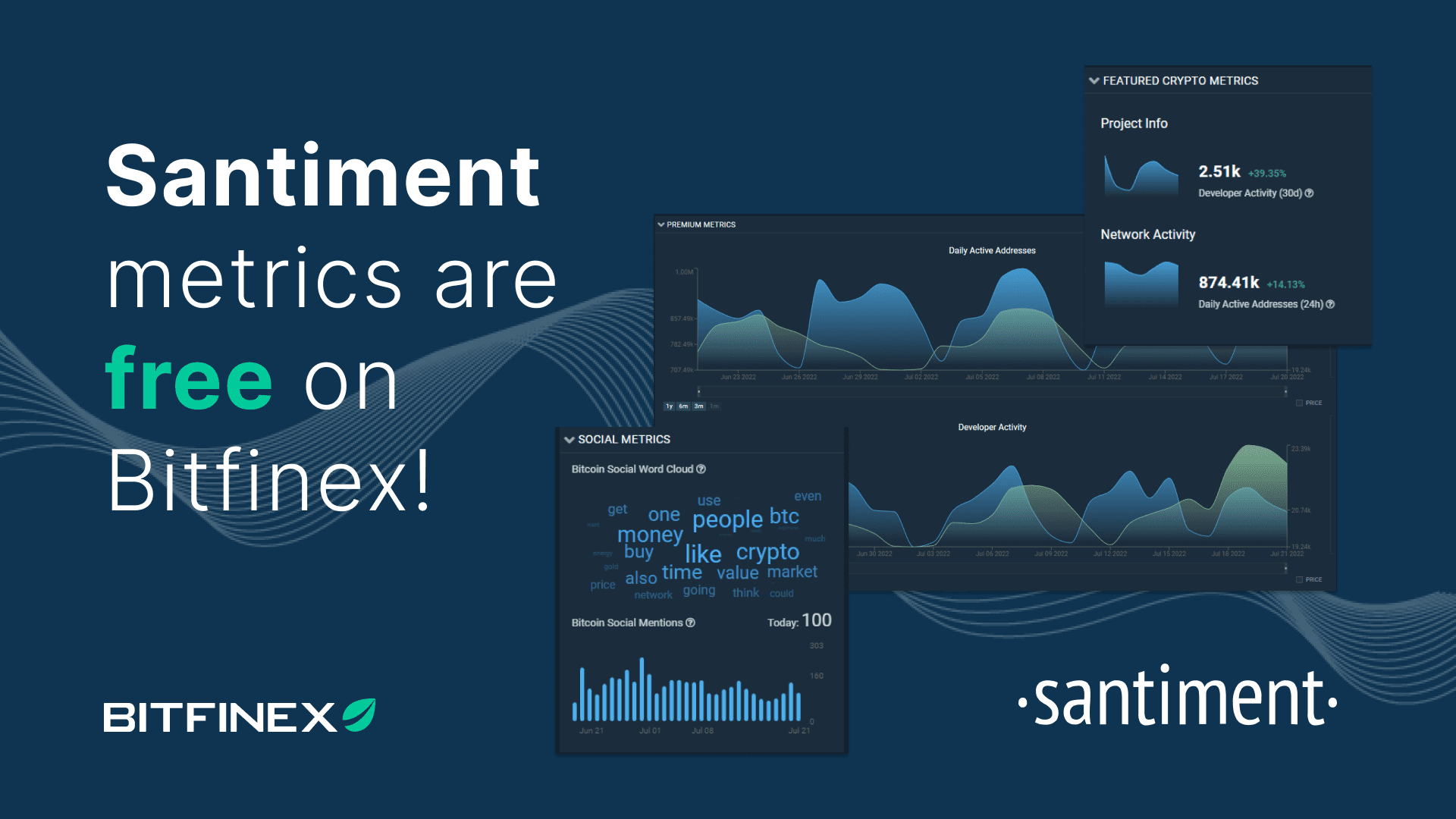
Use a block explorer or a dedicated analytics dashboard to monitor your smart contract’s state. Look for the balance or stake variable associated with each user address. A drop in balance or a failed transaction indicates a potential churn event. Set up alerts for addresses that have not renewed within their billing cycle. This data helps you identify at-risk users before they lose access to your content.
Handle churn and renewals
Churn is inevitable, but on-chain subscriptions offer a unique advantage: transparency. If a user’s payment fails, their access should be immediately revoked or downgraded according to your smart contract logic. For voluntary cancellations, ensure the contract allows for a clean exit without gas penalties. According to Unlock Protocol, automated recurring subscriptions can reduce churn by removing manual billing friction, but only if the user experience remains smooth.
Manage off-chain access control
On-chain tokens represent ownership, but off-chain platforms need to verify that status. Integrate a service like Check API or a custom webhook to listen for on-chain events. When a user’s subscription renews or expires, your off-chain system should update their permissions in real-time. This ensures that users who have paid retain access, while those who haven’t are locked out. Without this bridge, your on-chain payments may not translate to actual product access.
No comments yet. Be the first to share your thoughts!