

Get on-chain subscriptions right
Before writing a single line of smart contract code, you need to verify three technical prerequisites. On-chain subscriptions are not just "recurring transactions"; they require specific account structures and fee models to function without draining user wallets or failing silently.
First, ensure your target chain supports Account Abstraction (ERC-4337). Standard EOAs (Externally Owned Accounts) cannot easily sponsor gas fees or handle complex validation logic for recurring payments. Without AA, users must pay gas in the native token for every single renewal, even if they are paying in a stablecoin. This friction kills conversion rates. If you are building on Solana, look for native subscription programs like those recently introduced on Solana, which allow merchants to publish fixed billing tiers with immutable terms directly on-chain.
Second, calculate your gas vs. subscription value ratio. If your content costs $5/month and the on-chain gas fee to process the renewal is $2, your model is broken. You must implement a gas-sponsorship strategy or batch transactions. For high-frequency, low-value content, consider layer-2 solutions or chains with near-zero transaction fees. Never assume a standard Ethereum mainnet deployment will scale for micro-subscriptions.
Third, define your failure state. What happens when a user's wallet runs out of funds? On-chain subscriptions must have a clear, automated fallback mechanism—such as pausing access or sending a one-time payment request via a separate transaction. Manual intervention is not scalable.
By addressing these structural requirements first, you avoid the most common failure modes in Web3 monetization: high churn due to gas friction and loss of user trust due to opaque backend dependencies.
Work through the steps
Setting up on-chain subscriptions requires moving from manual, one-off payments to automated, recurring billing logic embedded in smart contracts. This guide walks you through the practical setup, focusing on Solana’s native subscription infrastructure as a primary example of how to implement this correctly.

Before writing code, determine the exact structure of your billing. Unlike traditional platforms that handle complex proration and tax calculations in the background, smart contracts require immutable terms. Define fixed billing tiers (e.g., $49/month, $199/month) and the duration of each billing cycle. Ensure these terms are simple enough to be encoded directly into the contract logic without requiring off-chain oracles for basic price adjustments.
Choose a blockchain that supports native subscription features to avoid building complex recurring payment logic from scratch. Solana, for instance, now offers native Subscription Plans and Allowances, allowing merchants to publish fixed billing tiers on-chain with immutable terms. This reduces development time and gas costs compared to custom ERC-20 or ERC-721 implementations on other chains. Verify that your chosen network has the liquidity and user base for your target audience.
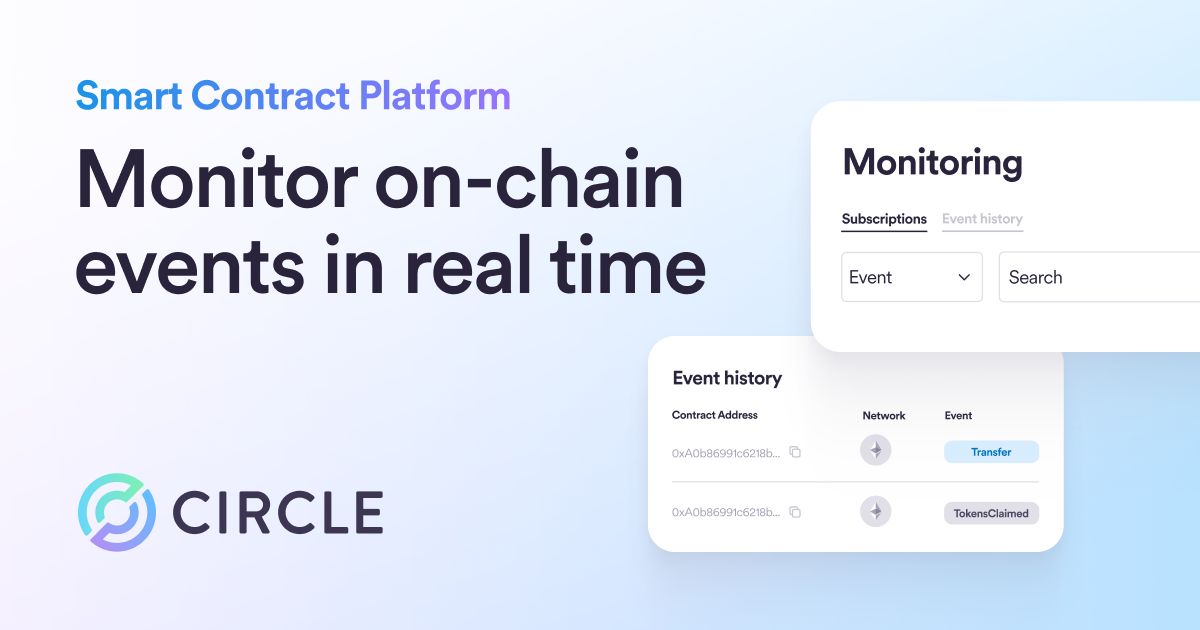
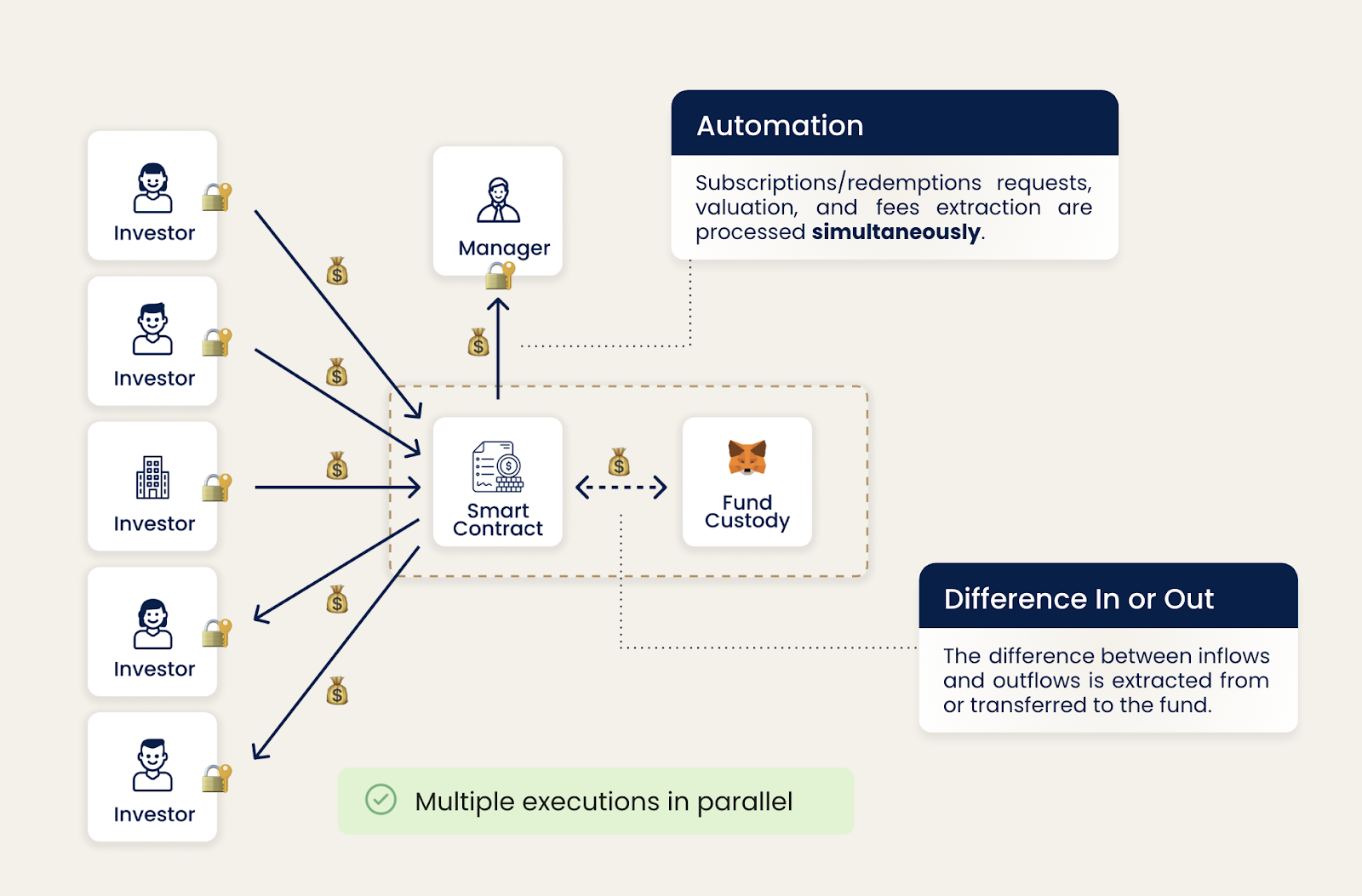
Write or deploy the smart contract that handles the recurring payments. This contract must manage user allowances, track subscription status, and automatically deduct funds at each billing interval. Use established libraries like Solana’s Subscription Program or similar frameworks on Ethereum L2s to ensure security. Test the contract thoroughly using a testnet environment to simulate multiple billing cycles and edge cases, such as failed transactions or insufficient funds.

Build a frontend that allows users to view available subscription tiers, approve allowances, and manage their subscriptions. The UI should clearly display the cost, billing frequency, and cancellation policy. Integrate a wallet connection provider (like Phantom or MetaMask) to enable seamless on-chain interactions. Ensure the UI provides real-time feedback on transaction status, such as pending approvals or successful billing events.
Deploy your contract to the mainnet and monitor on-chain activity using block explorers or dedicated analytics dashboards. Track key metrics such as active subscribers, churn rates, and failed transactions. Use this data to optimize your subscription model and address any technical issues. Regularly audit your smart contracts for security vulnerabilities, especially if you plan to scale or add new features.
Fix common mistakes
Even with robust smart contract infrastructure, on-chain subscriptions fail when creators overlook the friction between blockchain mechanics and user expectations. The gap between a technical deployment and a sustainable revenue model is often wider than anticipated. Below are the most frequent errors that stall growth or erode trust, along with practical fixes.
Assuming gas fees are negligible. Many creators deploy contracts without considering that users must pay transaction fees (gas) for every interaction. If a subscriber pays a $5 monthly fee but spends $2 in gas to confirm the payment, the value proposition collapses. This is especially true on legacy networks like Ethereum mainnet. The fix is to build on Layer 2 solutions (like Arbitrum or Optimism) or use account abstraction to sponsor transactions, ensuring the user never sees a gas prompt.
Ignoring automatic renewal complexity. Unlike Stripe, where a token is stored securely and charged automatically, blockchain requires explicit on-chain signatures or allowances for each renewal. If your contract does not handle "allowances" correctly, users will face a new confirmation pop-up every month. This friction causes churn. Use platforms that support native subscription allowances, which let merchants publish fixed billing tiers with immutable terms, removing the need for repetitive user interaction.
Failing to handle failed transactions. A payment failure on a credit card is a soft decline; a failed on-chain transaction might mean the user’s wallet ran out of native currency (ETH/SOL) to pay the gas, even if they hold enough tokens for the subscription. Your logic must distinguish between "insufficient funds for payment" and "insufficient funds for gas." Implementing a grace period or a "top-up" prompt before revoking access prevents losing subscribers over temporary technical hiccups.
Overlooking off-chain data synchronization. Smart contracts are excellent at enforcing rules but poor at storing large amounts of data. If your content is gated, ensure your backend correctly listens for on-chain events. A common mistake is assuming the contract state immediately reflects across all your servers. Use reliable indexers or webhooks to ensure that when a subscription expires on-chain, access is revoked on your site instantly, not hours later.
On-chain subscriptions: what to check next
Before launching a recurring billing system, it helps to separate the mechanics of the blockchain from the user experience. These answers address the most common friction points for creators and readers navigating on-chain subscriptions.
No comments yet. Be the first to share your thoughts!