
What are on-chain subscriptions?
On-chain subscriptions are recurring payments processed directly on a blockchain, replacing traditional credit card networks with smart contracts. Instead of handing over card details to a merchant, the user’s wallet authorizes a protocol to pull funds at set intervals. This shifts the trust model from a central payment processor to code that executes automatically.
The promise is a "subscribe and forget" experience without the friction of manual renewals or the risk of forgotten charges. However, the current landscape is fragmented. Early attempts often relied on complex escrow systems or token wrapping, creating high gas fees and poor user experiences that drove adoption down.
The shift in 2026 is driven by new protocols that eliminate these barriers. By removing relayer networks and unnecessary token conversions, these systems allow merchants to accept recurring payments in stablecoins or native tokens with minimal overhead. This makes on-chain subscriptions viable for everyday digital services, from software access to content feeds.
On-chain subscription choices that change the plan
Moving from fiat gateways to blockchain-based recurring payments introduces distinct operational realities. You are not just changing payment processors; you are shifting liability and user experience onto the ledger. Before committing a brand’s revenue stream to on-chain infrastructure, evaluate these specific tradeoffs against your current fiat baseline.
Transaction finality and chargeback risk
Fiat subscriptions rely on intermediaries that can reverse transactions. On-chain payments are immutable. Once a recurring payment is confirmed, it cannot be disputed or charged back by the network. This protects merchants from fraud but requires robust customer service protocols to handle legitimate errors. Users lose the safety net of bank intervention, meaning your brand must resolve issues directly.
Gas fees and network volatility
Every recurring transaction may trigger a blockchain network fee. While Layer 2 solutions and stablecoins minimize this, the cost structure differs from flat monthly SaaS fees. Additionally, if you accept volatile tokens, you face exchange rate risk between the billing cycle and your treasury conversion. You must decide whether to absorb gas costs or pass them to the user, which can increase churn.
User friction and key management
The "subscribe and forget" model is ideal, but it requires users to maintain active wallets with sufficient balance. If a user’s wallet is empty or they lose access to their private keys, the subscription fails silently or permanently. Unlike credit cards, which auto-renew indefinitely, crypto subscriptions require active user participation or sophisticated relayer networks to maintain continuity.
Regulatory compliance and tax reporting
On-chain transactions are public. This transparency complicates privacy expectations and creates a complex audit trail for tax authorities. You must ensure your subscription infrastructure can generate accurate, compliant reports for both you and your customers. Fiat processors often handle this automatically; on-chain solutions require you to build or integrate specialized compliance tools.
| Factor | Fiat Gateway | On-Chain |
|---|---|---|
| Chargebacks | Allowed | Impossible |
| Fees | Flat + % | Variable gas |
| Privacy | High | Public ledger |
| Auto-renewal | Automatic | Requires balance |
How to Choose the Right On-Chain Subscription Model
Deciding between a true on-chain subscription and a hybrid model comes down to one question: who bears the cost of reliability? The market has split into two distinct approaches. One prioritizes the user experience by removing friction, while the other prioritizes developer control and cost efficiency. Understanding this tradeoff is the first step in selecting a framework that fits your brand’s risk tolerance.
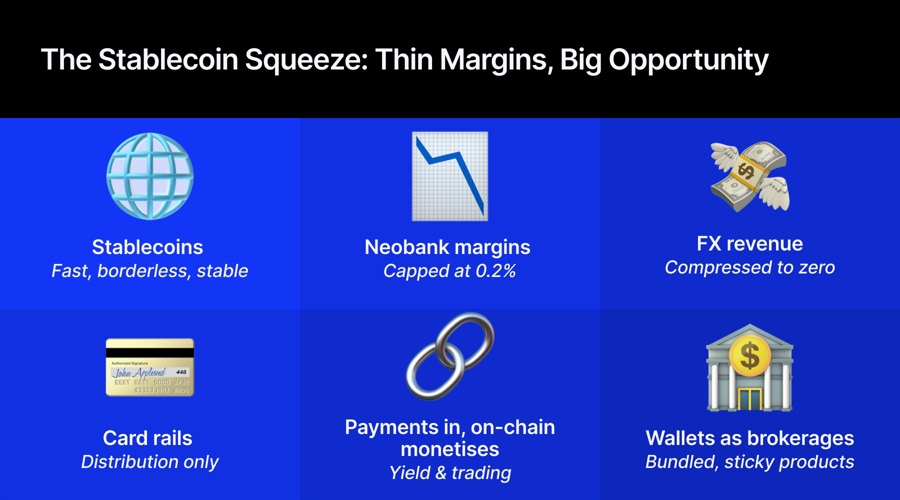
True on-chain subscriptions, such as those pioneered by SpherePay, operate without escrow, token wrapping, or relayer networks. The user approves a recurring payment, and the protocol handles the rest. This "subscribe and forget" approach mimics the ease of a credit card charge. It is ideal for brands that want to minimize churn and reduce the cognitive load on their customers. The tradeoff is higher transaction fees, which the protocol absorbs or passes to the user, but the conversion rate often justifies the cost.
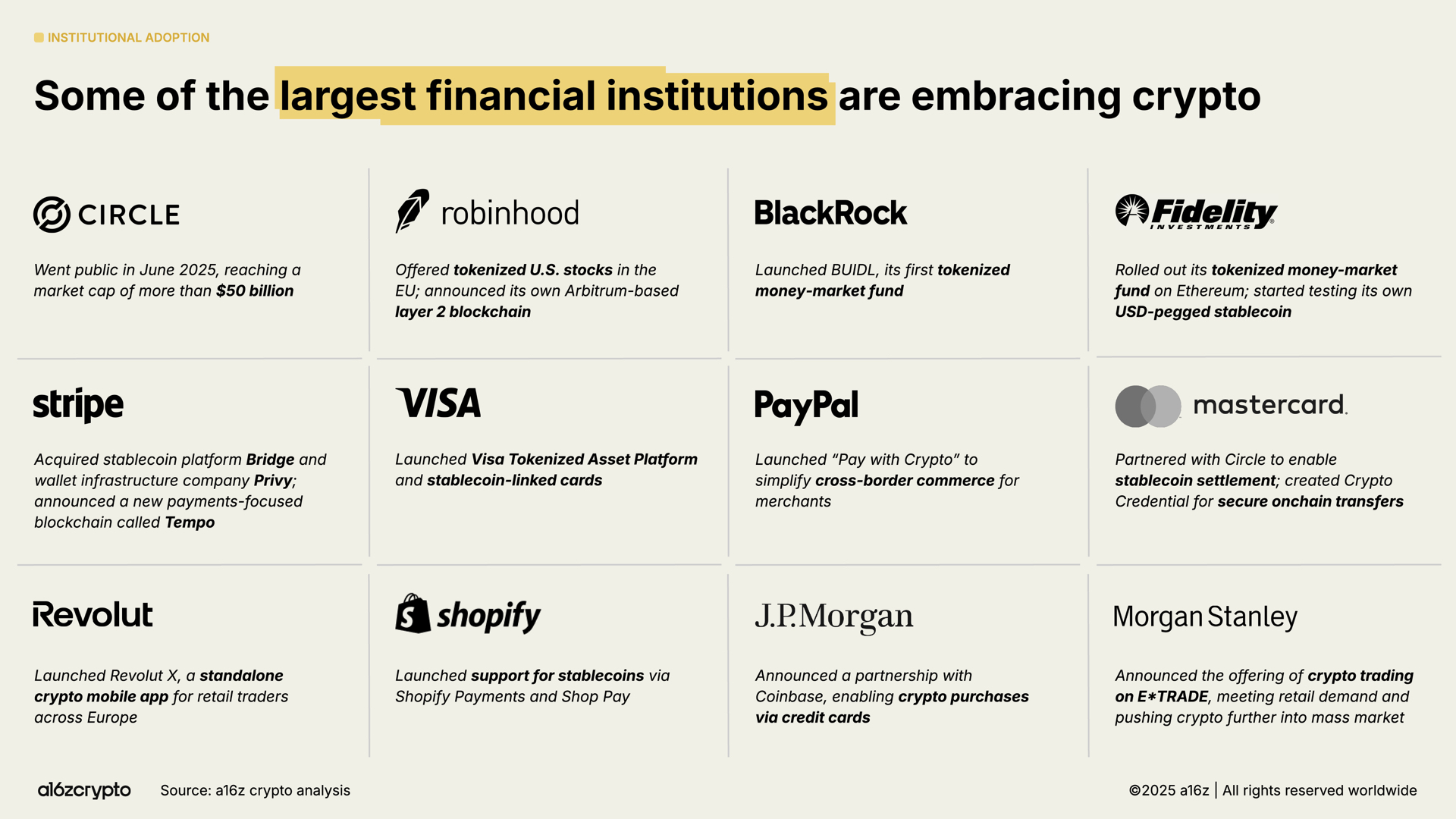
For brands with tight margins or high-volume, low-value subscriptions, hybrid models or those using escrow may be more viable. These models often require the user to wrap tokens or lock funds in a smart contract. While this reduces the operational burden on the merchant, it introduces friction. Users must manage gas fees and approve multiple transactions. This approach is better suited for B2B services or high-value memberships where the user is already deeply embedded in the Web3 ecosystem and understands the mechanics.
Your choice of blockchain dictates the viability of your subscription model. Ethereum mainnet is generally too expensive for recurring micro-transactions, making Layer 2 solutions or high-throughput chains like Solana the preferred choice for 2026. Before committing to a protocol, calculate the average gas cost per transaction. If the fee exceeds 5% of the subscription value, the model is unsustainable. Look for protocols that offer batch processing or meta-transactions to abstract these costs away from the end user.
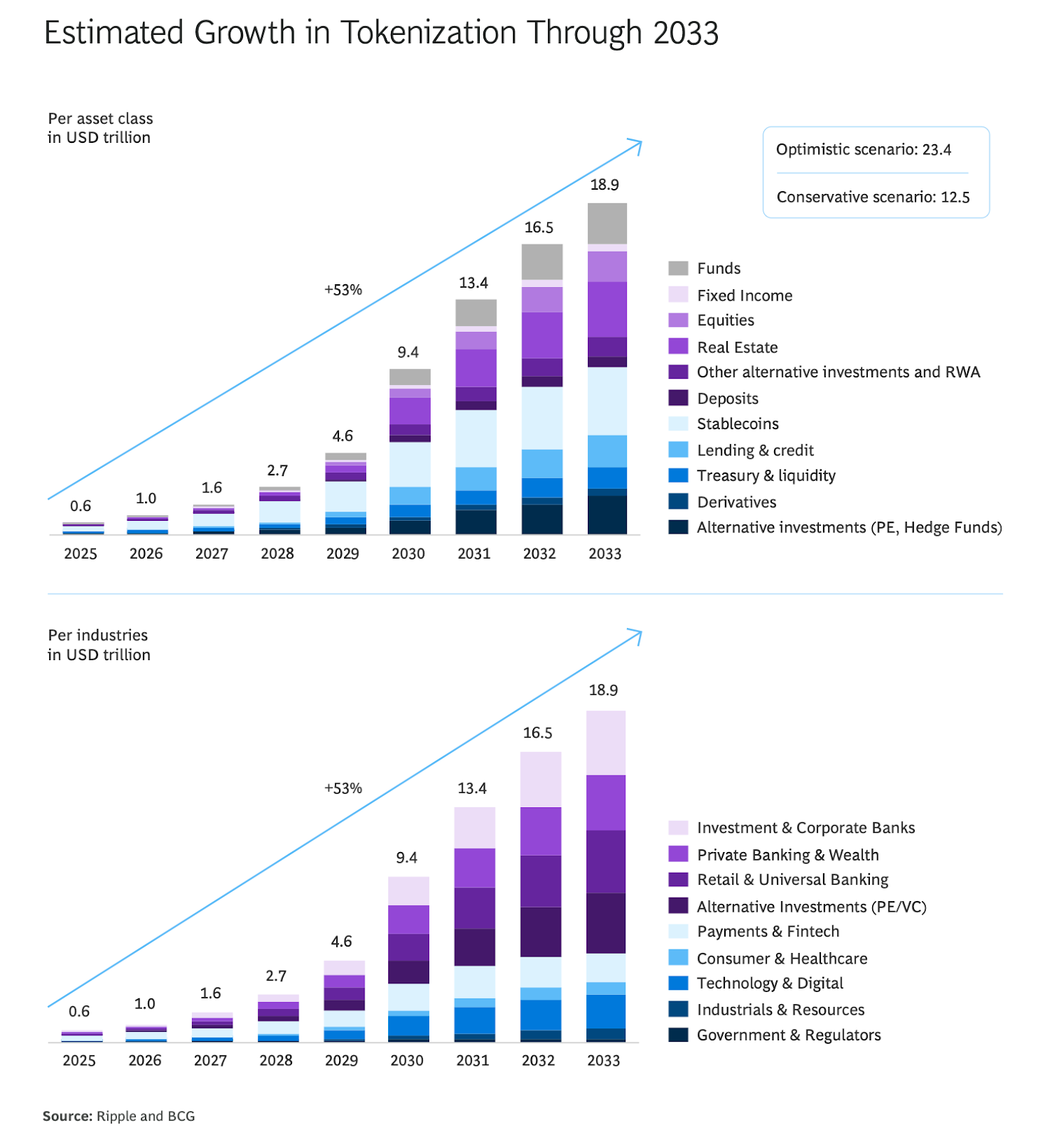
Recurring payments increase your attack surface. A broken subscription trap can lead to lost revenue or user funds. Scrutinize the protocol’s smart contract audits and the reliability of its relayer networks. If the relayer goes down, subscriptions fail. Choose providers with redundant infrastructure and clear failure states. Always test the "unsubscribe" flow thoroughly; a subscription that cannot be easily canceled is a legal liability and a brand killer.
Spotting the Weak Options in On-Chain Subscriptions
While on-chain subscriptions promise "subscribe and forget" convenience, many current implementations fail to deliver that simplicity. The gap between marketing claims and technical reality often leaves users with hidden friction or security risks. Before committing to a crypto brand’s recurring payment model, you need to know what to look for.
The "No Escrow" Trap
Many platforms advertise no escrow to reduce costs, but this often shifts risk entirely to the subscriber. Without a neutral third party holding funds, disputes over service delivery become difficult. You are effectively lending money to the protocol with no guarantee of refund if the service stops. This is a common pitfall in early-stage Web3 billing.
Hidden Token Wrapping Fees
Some solutions require you to wrap tokens (e.g., wrapping ETH to wETH) before subscribing. This adds gas fees and complexity at every renewal cycle. A true on-chain subscription should handle native token payments directly. If your wallet prompts for a swap or wrap every month, the user experience is broken.
Relayer Network Dependencies
To save users gas, some subscriptions use relayers to batch transactions. However, this introduces a central point of failure. If the relayer network goes down or raises fees, your subscription may pause or cost more than expected. Always verify if the subscription relies on a centralized relayer service rather than native chain execution.
Subscription Traps via Smart Contract Permissions
A subscription trap occurs when you approve a smart contract with unlimited token access. If the contract is compromised, attackers can drain your wallet. Always check the approval limits. A secure on-chain subscription should use minimum-approval limits or time-bound permissions that you can revoke easily.
Lack of Cancellation Transparency
Unlike traditional SaaS, crypto subscriptions often bury cancellation logic in complex smart contracts. If the contract doesn’t expose a simple "cancel" function, you may be stuck paying indefinitely. Look for protocols that offer a clear, one-click cancellation mechanism in their interface, not just a theoretical right to stop payments.
On-chain subscriptions: frequently asked: what to check next
On-chain subscriptions are reshaping how crypto brands bill users, but the technology introduces new complexities compared to traditional credit card recurring billing. Before committing to an on-chain model, it helps to understand the mechanics and the risks involved.
What is onchain payment?
Onchain payment refers to transactions executed directly on a blockchain ledger without traditional banking intermediaries. For subscriptions, this means automated, recurring charges are settled on-chain. Unlike fiat payments, these transactions rely on smart contracts to manage billing cycles, often requiring users to hold specific tokens or use stablecoins for predictable pricing.
What is a subscription trap?
A subscription trap in Web3 usually involves hidden fees or difficult cancellation mechanisms. While some protocols promise "subscribe and forget" simplicity, others may require manual transaction confirmations for every billing cycle or bury cancellation steps in complex interface flows. Always check if the protocol uses escrow or relayers, as these add layers of friction that can trap funds if not managed correctly.
Which online subscription is best?
The best on-chain subscription depends on your network and token preferences. Solana’s recent native subscription billing tools offer low fees and fast finality, making it ideal for high-frequency micro-subscriptions. Ethereum-based solutions like Unlock Protocol provide robust governance features but come with higher gas costs. For most brands seeking scalability, chains with native recurring payment support are currently the most practical.
What is Onchain used for?
Beyond subscriptions, on-chain infrastructure is used for decentralized identity verification, token-gated content access, and automated revenue sharing. It allows brands to create transparent, trustless membership models where access rights are tied directly to wallet holdings rather than third-party account databases.
No comments yet. Be the first to share your thoughts!