Set up your self-custodial wallet
Onchain monetization begins with a self-custodial wallet. Unlike centralized exchanges, self-custody gives you direct control over the ERC-20 or ERC-721 tokens you receive from fans, subscribers, or NFT sales. This direct line of ownership is non-negotiable for creators who want to bypass platform gatekeepers and retain full revenue rights.
Choose a wallet that supports the specific blockchain where you plan to operate. Ethereum, Polygon, and Solana are common choices, but your platform's requirements will dictate the correct network. Ensure the wallet allows you to export a private key or seed phrase, as this is your only backup if you lose access to your device.
Research wallets that prioritize security and multi-chain support. Look for providers with a track record of regular security audits and transparent development. Options like MetaMask, Rabby, or specialized creator wallets offer different interfaces, but all must give you full control over your private keys.
Download the wallet from the official vendor website or app store. Avoid third-party download links, which may host malware. Verify the URL and publisher credentials before installing the browser extension or mobile application to ensure you are interacting with the genuine software.
During setup, the wallet will generate a 12 or 24-word seed phrase. Write this down on paper and store it in a secure, offline location. Never store this phrase digitally, in cloud notes, or via email. This phrase is the master key to your wallet; anyone with access to it can drain your funds.
Once set up, generate a receive address to test incoming transactions. Send a small test amount of the native token (e.g., ETH or MATIC) to ensure the wallet appears correctly and the address is accurate. This step confirms your wallet is active and ready to receive onchain monetization payments.
With a funded, verified wallet, you are ready to integrate payment rails and token-gated access into your content strategy.
Choose a token-gated content platform
Selecting the right platform determines how smoothly subscribers verify ownership and access your work. A token-gated content platform automates the check: it confirms the user holds the required NFT or token, then unlocks the exclusive material without manual intervention.
This automation reduces friction. Instead of asking users to prove ownership via Discord roles or manual email verification, the platform handles the verification onchain. The goal is to make the transition from "holder" to "reader/viewer" instantaneous.
When comparing options, focus on three practical factors: transaction fees, supported chains, and ease of setup. You need a platform that supports the blockchain your audience already uses. If your community trades on Polygon, a platform that only supports Ethereum Mainnet adds unnecessary gas costs and complexity.
Use the comparison below to evaluate the leading tools for 2026. Each platform offers different balances of cost, technical depth, and subscriber retention features.
| Platform | Transaction Fees | Supported Chains | Ease of Setup | Retention Tools |
|---|---|---|---|---|
| Friend.tech | ~2% on secondary sales | Base | Simple | Keypads & profiles |
| Guild.xyz | Gas only | Multi-chain | Moderate | Role management |
| Collab.Land | Gas only | Multi-chain | Moderate | Discord integration |
| Thirdweb | Gas only | Multi-chain | Developer-focused | SDK & API |
Start by listing the specific actions you want subscribers to take. Do they need to mint a new token? Or simply hold an existing one? Platforms like Guild.xyz and Collab.Land excel at role-based access for communities already active on Discord. They connect your wallet to your social channels, granting access based on token holdings.
If you prefer a dedicated content feed rather than social media integration, Friend.tech offers a streamlined experience on Base. It ties access directly to profiles and keypads, making it easy for fans to support creators they follow. For developers or those building custom storefronts, Thirdweb provides the infrastructure to build your own gated experiences.
Avoid platforms that require complex smart contract deployments unless you have a development team. The best platform for token-gated content is the one that removes barriers between your audience and your work. Test the user flow yourself: if it takes more than two clicks to access content, you will lose subscribers.
Deploy your subscription token or NFT
Creating the onchain access mechanism is the core technical step in building onchain monetization. You must choose between a recurring payment contract using an ERC-20 token or a non-transferable NFT that proves membership. This decision dictates how users interact with your content and how you manage access control.
Choose your token standard
For recurring revenue, an ERC-20 token is often the most flexible option. Users hold the token in their wallet, and your smart contract checks for their balance to grant access. This model mirrors traditional subscriptions but removes the middleman. Alternatively, a soulbound or non-transferable NFT (ERC-721) acts as a permanent, non-sellable membership card. This approach is better for exclusive communities where ownership status matters more than the token itself.
Select a low-fee L2 chain
Deploying on Ethereum Mainnet can be prohibitively expensive for both you and your subscribers. Instead, use a Layer 2 (L2) chain like Base or Arbitrum. These networks offer the security of Ethereum with transaction fees that are a fraction of a cent. This cost efficiency is critical for micro-transactions and frequent subscription renewals. Check the current gas prices and finality times for your chosen L2 before proceeding.
Write and deploy the smart contract
Use a standard template from OpenZeppelin to ensure security. For an ERC-20 subscription, implement a mint function that requires a payment in ETH or USDC. For an NFT, use the ERC721 standard with a burn or freeze mechanism to make it non-transferable if required. Deploy the contract using a tool like Remix IDE or Hardhat. Verify the source code on the block explorer to build trust with your users.
Install Node.js and Hardhat. Initialize a new project with npx hardhat init. Install OpenZeppelin contracts with npm install @openzeppelin/contracts. This provides the secure, audited base code for your token or NFT.
Write your Solidity contract. If using ERC-20, define a minimumBalance that grants access. If using NFT, define a tokenId range that represents members. Ensure your contract has a grantAccess function that checks these conditions before allowing content interaction.

Use Hardhat’s mainnet fork feature to simulate real-world transactions. Deploy your contract to the fork and test paying for access with real token balances. This step prevents costly bugs before you go live. Check for edge cases like failed transactions or insufficient funds.
Configure your Hardhat network settings for Base or Arbitrum. Use your private key to deploy the contract. Once deployed, copy the contract address and verify it on the L2 block explorer. This transparency allows users to audit your code before they pay.
Connect your website or app to the contract using Web3.js or Ethers.js. When a user visits a locked page, check their wallet balance or NFT ownership. If they qualify, render the content. If not, prompt them to mint the subscription token or NFT.
Integrate payment rails and pricing
To build reliable onchain monetization, you need to treat payments like a utility, not an experiment. Your audience expects instant confirmation and predictable costs. If they face high gas fees or volatile currency swings, they will leave.
Use stablecoins for predictable revenue
Accepting stablecoins like USDC eliminates the risk of price volatility between the moment a fan clicks "Pay" and the moment you receive the funds. This stability allows you to forecast revenue accurately, which is essential for sustainable content creation. Stablecoins also simplify cross-border transactions. Traditional international payments often involve multiple intermediaries, high fees, and delays. Onchain FX models, as described by Stripe, offer a faster and clearer alternative for clearing international payments, allowing you to reach a global audience without the friction of legacy banking rails.
Minimize gas costs for the end-user
High transaction fees are the biggest barrier to adoption for casual fans. If a $10 subscription costs $5 in gas, the model fails. You must design your payment flow so the user never sees a gas fee.
Use Layer 2 solutions like Arbitrum or Base, where transaction costs are fractions of a cent. Alternatively, integrate gasless transaction relayers. These services sponsor the gas fees on behalf of the user, abstracting away the technical complexity. The goal is to make the transaction feel as seamless as a credit card swipe, removing the "crypto tax" anxiety.
Set up your payment gateway
Don't build your own wallet infrastructure from scratch. Use established payment gateways that handle the complexity of onchain transactions. Services like Stripe, Coinbase Commerce, or specialized platforms like Gitcoin Grants allow you to generate unique payment links or QR codes for each piece of content or subscription tier.
- Choose a gateway: Select a provider that supports stablecoins and your target blockchain network.
- Generate payment links: Create unique links for one-time purchases or recurring subscriptions.
- Integrate into content: Place these links prominently in your video descriptions, newsletters, or gated content areas.
By focusing on stablecoins and low-friction payment rails, you remove the technical barriers that prevent mass adoption. Your audience pays in a currency they trust, and you receive it instantly, without the headache of managing private keys or tracking down transactions manually.
Verify access and manage subscriber retention
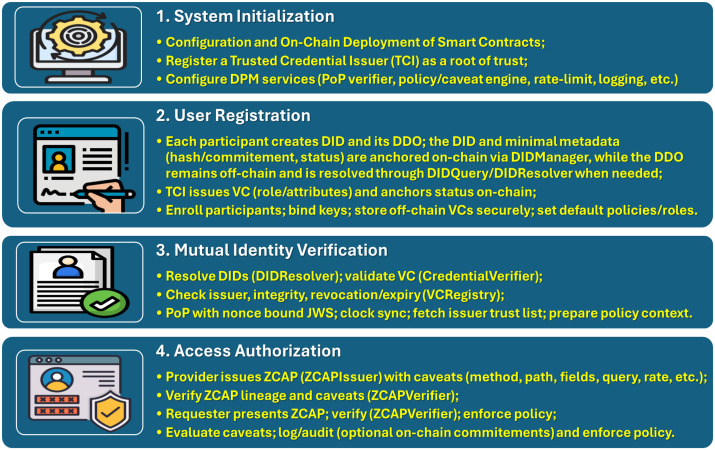
Once a creator sets up token-gated content, the workflow shifts to post-sale operations. The goal is to verify token ownership, deliver the content, and handle renewals or cancellations without centralized intervention. This process relies on smart contracts and decentralized identity protocols to automate access control.
The system first checks if the user’s wallet holds the required token. This is done via an on-chain query to the token contract. If the balance is sufficient, access is granted. If not, the user is redirected to a purchase page or airdrop claim. This step ensures only verified holders can view premium content.
Content is delivered through a decentralized storage network like IPFS or Arweave. Access is controlled by a smart contract that mints a non-transferable token (Soulbound Token) upon purchase. This NFT acts as a permanent proof of membership, granting the holder access to the content library without a central server.
Subscriptions are managed through recurring token transfers or snapshot-based access. For token-based subscriptions, the smart contract checks for new tokens in the user’s wallet at set intervals. If a user cancels or fails to renew, the contract automatically revokes access. This eliminates the need for manual billing or churn management.
Revenue is distributed automatically via smart contracts. When a user purchases a token or subscription, the funds are split according to predefined rules. A portion goes to the creator, and a small fee may go to the platform. This transparency reduces friction and ensures creators are paid promptly.
This automated workflow reduces operational overhead for creators. By removing intermediaries, creators retain more control over their audience and revenue streams. The result is a more resilient and transparent monetization model.
FAQ: Onchain Monetization Basics
Creators often worry about the mechanics of getting paid, the tax burden, and the technical friction of onchain tools. Here are the answers to the most common questions about onchain monetization.
No comments yet. Be the first to share your thoughts!