Get bitcoin ordinals 2026 right
Start The to Bitcoin Ordinals with the constraint that matters most in real life: space, timing, budget, skill level, maintenance, or availability. That first constraint should shape the rest of the plan instead of appearing as an afterthought. Keep the first pass simple enough to verify. Compare the main options against the same criteria, remove choices that only work in ideal conditions, and save optional upgrades for later.
The simplest way to use this section is to write down the real constraint first, compare each option against it, and choose the path that still works outside ideal conditions.
How to subscribe onchain with Bitcoin Ordinals
Subscribing onchain means committing to a recurring inscription or batch process that automates your Ordinals strategy. Instead of manually minting individual satoshis or inscriptions, you use a protocol or wallet feature that locks funds and schedules future onchain actions. This approach saves time and reduces gas waste during high-fee periods.
The process requires a compatible Bitcoin wallet, sufficient sats for fees, and a clear understanding of the subscription contract or script you are interacting with. Below is the step-by-step workflow to execute your first onchain subscription safely.
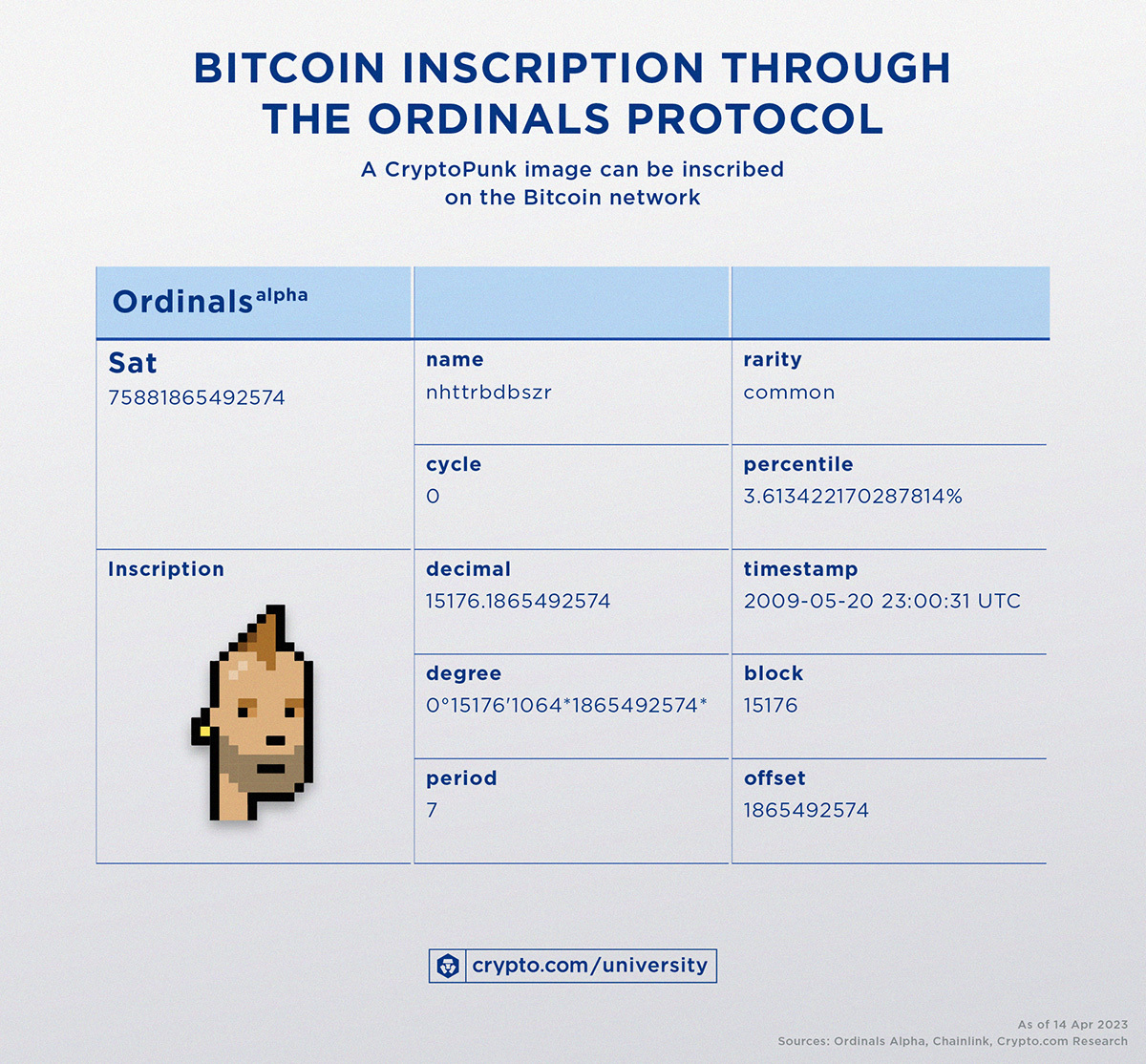
Start by ensuring your wallet supports Ordinals and BRC-20 token standards. Not all Bitcoin wallets handle inscriptions natively. Look for wallets that explicitly mention Ordinals support, such as Xverse, Unisat, or OKX Web3. Verify that your wallet allows custom transaction signing if you are interacting with a smart contract or subscription script.
You need satoshis for two purposes: the inscription data itself and the network transaction fees. Bitcoin fees fluctuate based on mempool congestion. Check the current fee rate on a block explorer like Mempool.space. Aim for a balance that covers at least three months of subscription fees plus a buffer for fee spikes. Avoid funding with large amounts at once if you plan to scale later.
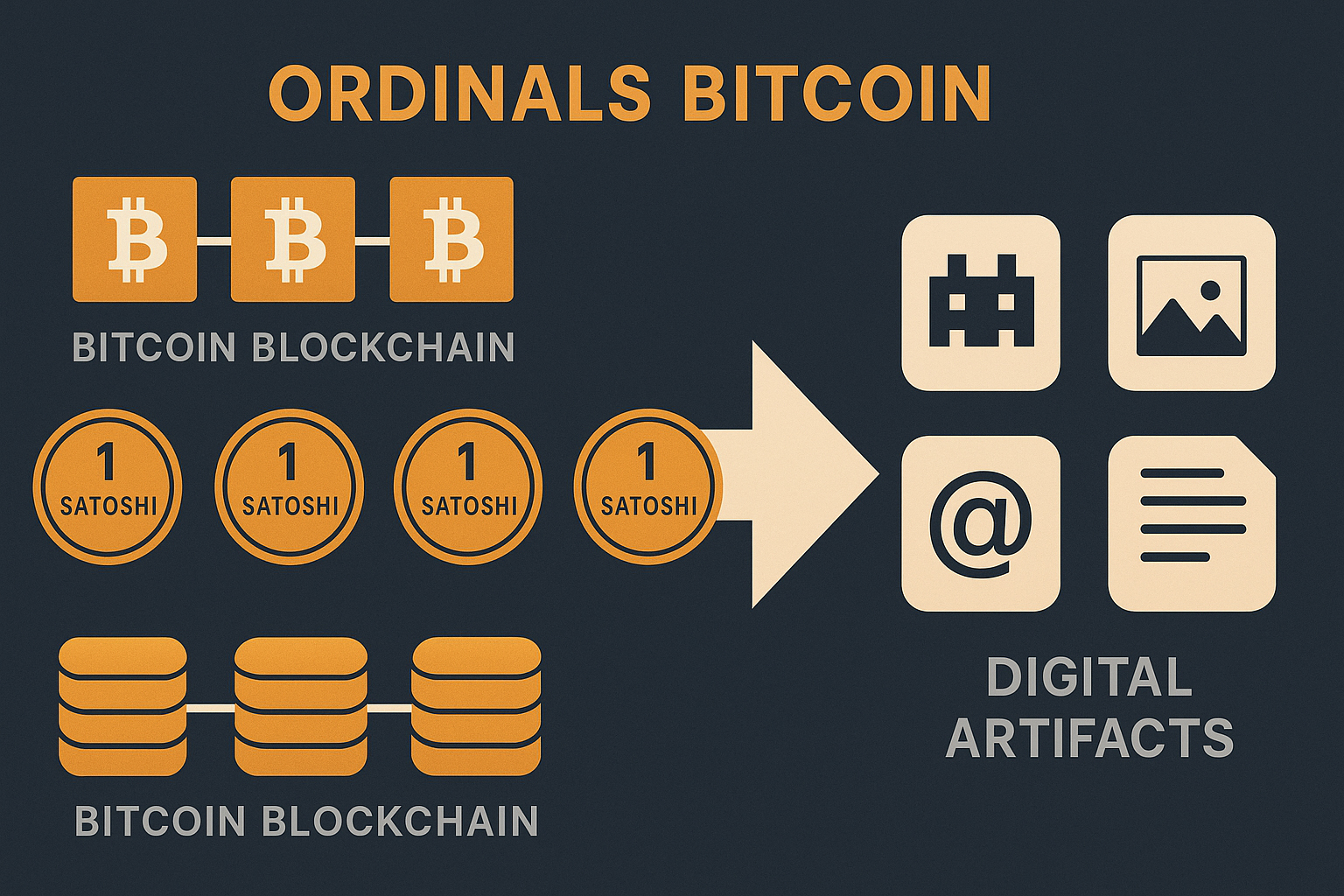
Identify the Ordinals protocol or marketplace offering the subscription service you want. Some platforms offer recurring mints for NFTs, while others automate BRC-20 token purchases. Review the contract details, including the cost per interval, the duration of the subscription, and the cancellation policy. Ensure the protocol is reputable and has been audited or widely used by the community.
Set up the specific terms of your subscription. This includes the interval (daily, weekly, monthly), the amount of sats to commit per interval, and the recipient address or contract. Double-check the recipient address to ensure it matches the official protocol contract. A single typo here can result in permanent loss of funds. Save your configuration as a draft if the wallet allows it.

Review the transaction details one last time, focusing on the total cost and the gas fees. Confirm that the subscription is active by checking the transaction hash on a block explorer. You should see the initial inscription or token transfer recorded. Monitor your wallet for subsequent automatic transactions if the subscription is recurring. Set up alerts for any failed transactions or unusual fee changes.
Common Bitcoin Ordinals mistakes to avoid
Most errors when Subscribe OnChain for Ordinals come from treating Bitcoin like Ethereum. The protocols behave differently. A small misstep can lock up funds or produce a broken inscription. Check these points before you submit any transaction.
Using the wrong wallet or network
Ordinals live on the Bitcoin blockchain. Sending an Ordinal to an Ethereum address or using an EVM-compatible wallet will move the sats to a place the Ordinals protocol cannot read. The data will be lost or rendered as a standard satoshi. Always verify your wallet supports Bitcoin Taproot addresses and Ordinal inscription logic.
Skipping the indexer or preview step
Many users assume the inscription is live the moment they broadcast the transaction. This is not always true. Indexers need time to parse the UTXO and assign the ordinal number. If you mint without checking the indexer preview, you may pay higher fees for a duplicate or fail to verify the content hash. Wait for the indexer to confirm the inscription before considering the job done.
Ignoring fee market spikes
Ordinals transactions are large. They push block weight limits and trigger high priority fees. Users who set a static fee during a busy period often get stuck in the mempool or pay 10x the necessary amount. Use a fee estimator that accounts for the specific byte size of your inscription data. Check the current mempool pressure before broadcasting.
Storing content off-chain incorrectly
While many Ordinals store data on-chain, some projects use off-chain references. If you choose off-chain, you must ensure the IPFS hash or URL remains accessible. If the link breaks, the inscription becomes a dead link. For maximum longevity and yield protection, prefer on-chain storage for small files or verify the permanence of the off-chain host.
No comments yet. Be the first to share your thoughts!