
Set up a Bitcoin Ordinals wallet
Brands must separate their Ordinals infrastructure from standard Bitcoin holdings. Standard Bitcoin wallets only track satoshi balances and cannot view or transfer Ordinals inscriptions. Using a generic wallet risks losing brand assets or failing to display NFTs correctly. You need a non-custodial wallet specifically built to handle Ordinals data.
Select a wallet that explicitly supports Ordinals inscriptions. Popular options include Xverse, UniSat, and Leather. These wallets provide the necessary interface to read inscription metadata and execute transfers. Avoid wallets that only support legacy Bitcoin transactions, as they will ignore Ordinals data entirely. Verify the wallet’s compatibility with your intended marketplace before proceeding.
Write down your 12 or 24-word recovery phrase on paper and store it in a secure, offline location. Never store this phrase digitally, in cloud notes, or via email. Since Ordinals are on the Bitcoin blockchain, losing your private keys means losing your assets permanently. This step is critical for brand security and asset recovery.
Ordinals transactions require Bitcoin for network fees (satoshis per vByte). Transfer a small amount of BTC to your new wallet address to cover inscription and transfer costs. Ensure you send native Bitcoin (BTC) to the wallet address, not wrapped Bitcoin or tokens from other chains. The wallet must recognize the address as its own to sign transactions.
Test the wallet by attempting to view a known Ordinal or by making a small test inscription if the platform allows. Confirm that the wallet correctly displays the inscription details and that you can initiate a transfer. This verification ensures your brand’s operational infrastructure is ready for live marketing campaigns.
How to inscribe brand assets onto the blockchain
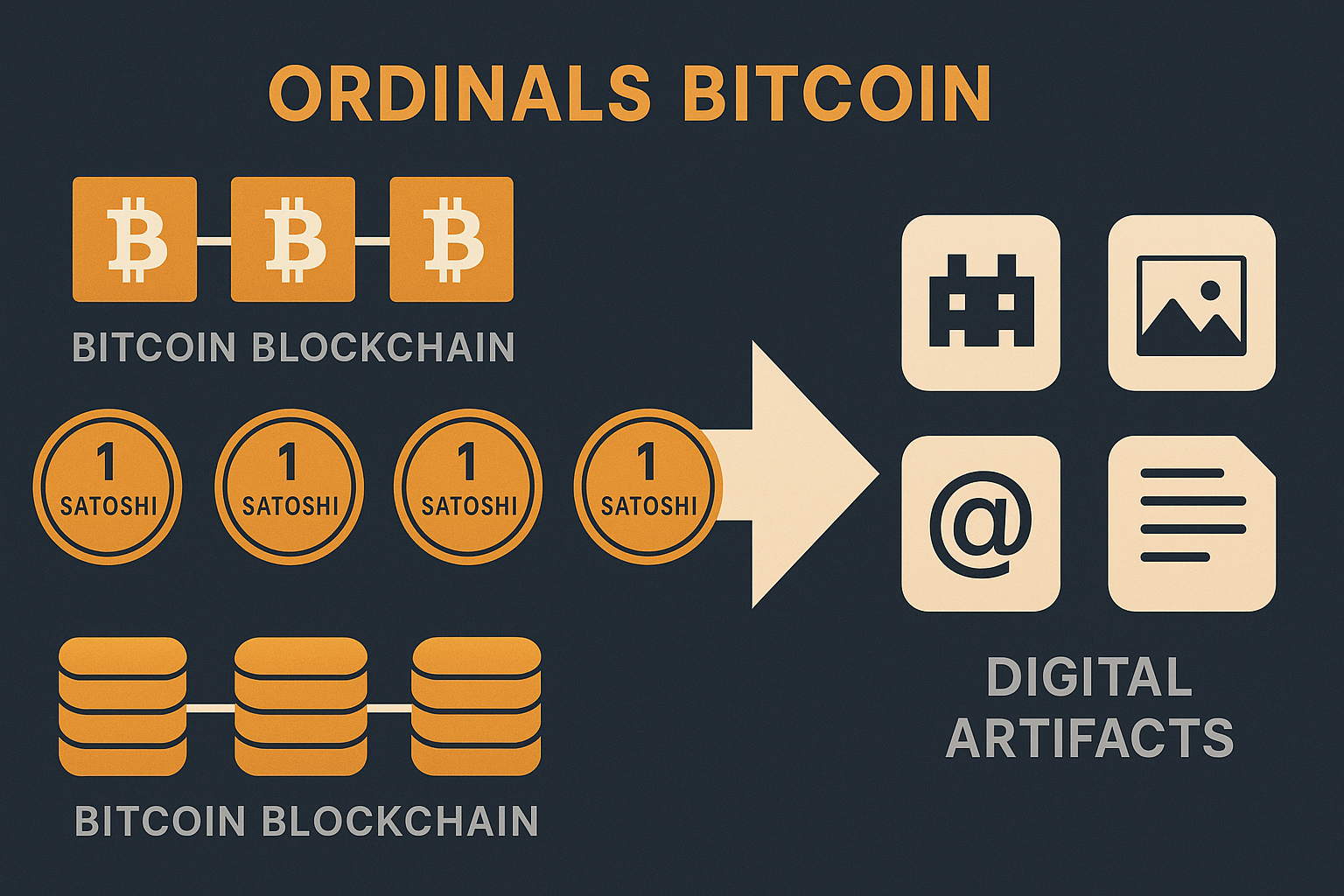
Bitcoin Ordinals work by attaching digital files—such as logos, coupons, or artwork—to individual satoshis, the smallest unit of Bitcoin. Because each satoshi is assigned a unique serial number, you can inscribe data directly onto them. This process turns standard Bitcoin transactions into permanent, on-chain records that brands can use for verification or engagement.
To inscribe your brand assets, follow this sequence:
Ensure your file (image, text, or audio) is finalized. Ordinals inscribe data directly into the Bitcoin blockchain via witness data. Keep file sizes reasonable to avoid excessive transaction fees, as you pay for every byte inscribed.
Use a wallet that supports Ordinals, such as Xverse or UniSat. These wallets allow you to manage your satoshis and interact with inscription protocols. Disconnect any wallets that do not support Ordinals to prevent accidental transactions.

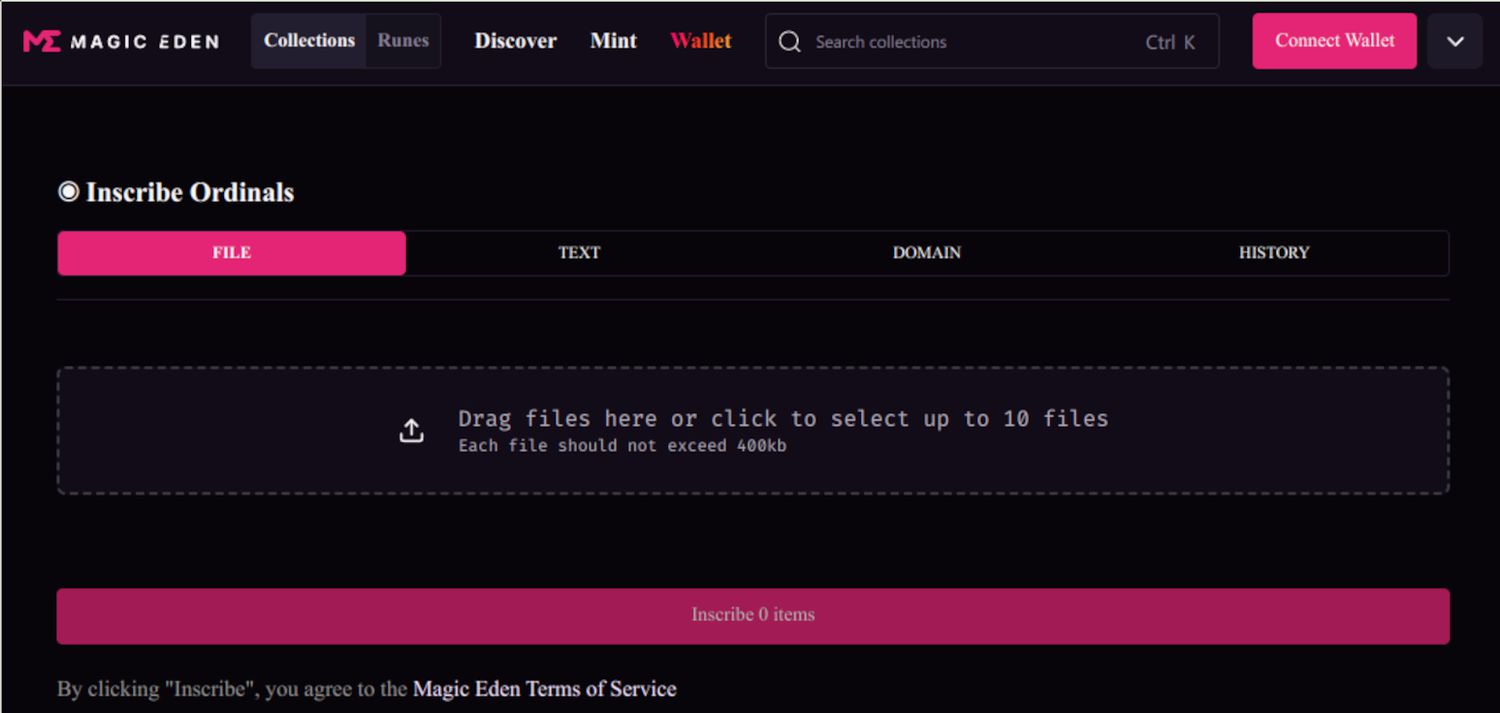
Choose a marketplace or tool like Magic Eden or Ordinals Explorer. These platforms provide the interface to broadcast your inscription to the network. Review the supported file types and any platform-specific limits before proceeding.
Ordinals transactions are standard Bitcoin transactions with extra data. You must set a competitive miner fee to ensure your inscription is confirmed quickly. Check current network congestion to avoid overpaying or waiting too long.
Review the file details and fee one last time. Once you broadcast the transaction, the data is permanently recorded on the Bitcoin blockchain. You can then track the inscription via a block explorer or your wallet dashboard.
Choose a distribution strategy for holders
Brands must select a distribution method that aligns with their budget and loyalty goals. The two primary paths are direct airdrops to existing wallets or structured paid sales via Ordinals marketplaces. Each approach carries distinct implications for cost, exclusivity, and community engagement.
Direct Airdrop
Airdropping Ordinals to loyal customers is the most direct way to reward existing holders. This method requires no transaction fees for the recipient, lowering the barrier to entry. However, it demands a pre-existing wallet infrastructure and precise wallet address collection.
This strategy works best for brands with an established digital footprint. It signals exclusivity by giving assets away for free, but it may attract "airdrop hunters" who lack genuine brand affinity. To execute this, brands typically use multisig wallets to batch-sign transactions, ensuring efficiency and security.
Paid Sale
Paid sales involve minting Ordinals and listing them on platforms like Gamma or Xverse. This model generates immediate revenue and filters for highly engaged users willing to spend Bitcoin. It also creates public on-chain proof of support, which can boost social signaling.
However, paid sales require users to hold Bitcoin and navigate marketplace interfaces, which can be a friction point for mainstream audiences. Brands must set competitive pricing and manage gas fees carefully. This approach is ideal for limited-edition drops that drive urgency and FOMO (fear of missing out).
| Strategy | Customer Cost | Exclusivity | Community Engagement |
|---|---|---|---|
| Direct Airdrop | Free | Low to Medium | High (if targeted) |
| Paid Sale | Bitcoin Transaction | High (pay-to-join) | High (financial commitment) |
Platform Selection
Regardless of the distribution method, brands should list their Ordinals on established marketplaces. Platforms like Gamma and Xverse provide the necessary infrastructure for browsing, buying, and selling. These marketplaces handle the complex L1 Bitcoin infrastructure, making it easier for users to interact with your brand.
Choosing the right marketplace ensures visibility. Gamma, for example, offers robust discovery tools that can help your Ordinals reach a broader audience. Xverse provides a seamless wallet integration, which is crucial for users who already hold Bitcoin. Aligning with these platforms reduces technical friction and builds trust with your audience.
Integrate Ordinals into your loyalty program
Turning Bitcoin Ordinals into functional loyalty assets requires shifting focus from speculative value to utility. Brands can use these on-chain items as redeemable tokens for real-world perks, exclusive digital access, or tier upgrades. This approach transforms a static NFT into a dynamic key for customer engagement.
Define the utility and redemption structure
Start by determining what the Ordinal unlocks. Common use cases include access to VIP events, early product drops, or physical merchandise. Ensure the redemption mechanism is clear: does the user burn the Ordinal for a one-time reward, or does holding it grant ongoing benefits? Clarity here prevents customer confusion and builds trust in the program's value.
Verify wallet connectivity and inscription data
Your platform must accurately identify the specific Ordinal in a user's wallet. Use reliable indexing services to verify the inscription's metadata and ownership. This step ensures that only valid, brand-approved tokens are accepted for redemption. Rely on official documentation from wallet providers like Trust Wallet or Coinbase to understand how Ordinals are stored and transferred on the Bitcoin network.
Test the redemption flow end-to-end
Before launching, run a full simulation of the user journey. Have test accounts hold Ordinals and attempt to redeem them for the defined perks. Check for edge cases, such as expired tokens or insufficient network fees. This testing phase is critical to ensure that the technical integration does not break when real customers interact with your loyalty system.
Ensure legal compliance for digital assets
Loyalty programs involving blockchain assets must adhere to local regulations regarding digital securities and consumer protection. Consult legal counsel to ensure that your redemption terms do not inadvertently classify the Ordinals as unregistered securities. Clear terms of service should outline the non-refundable nature of digital rewards and any jurisdictional restrictions.
Determine if the Ordinal grants access, merchandise, or status. Clear utility drives adoption.
Use indexing services to confirm ownership and metadata accuracy before accepting redemptions.
Simulate user journeys to catch technical errors in the redemption process.
Review legal terms to ensure the program complies with digital asset regulations.
Avoid common pitfalls in Ordinals marketing
Bitcoin Ordinals are an "artificial" add-on to the Bitcoin network, meaning they are not native to the protocol's base layer. This technical distinction creates specific risks for brands that treat Ordinals like standard web2 assets. Before launching a campaign, you must understand that these inscriptions sit on-chain but rely on secondary indexing services for visibility. If those indexers fail or change their rules, your marketing content can become invisible to users instantly.
Technical fragility and indexer dependency
Unlike native Bitcoin transactions, Ordinals require specific indexers to render images and text correctly in wallets and marketplaces. Many brands fail to test their inscriptions across multiple wallet providers before going live. A single incompatibility can break the user experience. Always verify that your Ordinal displays correctly in major wallets like Xverse or UniSat, not just in the block explorer. This is a critical step that separates a functional campaign from a broken one.
Regulatory and compliance blind spots
The regulatory landscape for crypto marketing remains fluid. The SEC has not provided clear guidance on whether specific Ordinals constitute securities or commodities. Brands must assume that any financial promise attached to an Ordinal could trigger securities laws. Avoid language that implies guaranteed returns or future profit. Instead, focus on the utility or collectible nature of the asset. Consult legal counsel familiar with digital assets to ensure your marketing copy complies with current financial regulations.
Market volatility and liquidity risks
Ordinals markets are highly illiquid compared to major cryptocurrencies. A brand might mint 1,000 items, but if there is no active buyer base, the assets may never trade. This can damage brand reputation if customers feel they purchased a worthless digital item. Do not overcommit to large mint sizes without validating demand through community engagement first. Start small, measure engagement, and scale only when there is proven interest.
No comments yet. Be the first to share your thoughts!