
The shift to pull payments
On-chain subscriptions represent a structural shift from the traditional push model of recurring payments. In the legacy fintech world, merchants must initiate every transaction. This "push" approach creates friction: users must keep payment methods updated, and merchants face high failure rates when cards expire or funds are insufficient. Each failed payment triggers a cascade of recovery emails and manual intervention, eroding revenue and user trust.
Web3 recurring payments solve this by moving to a "pull" model. Instead of chasing payments, merchants rely on pre-approved smart contract allowances. A user grants permission for a merchant to withdraw a specific amount up to a limit, and the protocol executes the transfer automatically at set intervals. This removes the need for constant user interaction, effectively creating a "subscribe and forget" experience that mirrors the convenience of fiat subscriptions while leveraging the transparency of the blockchain.
This efficiency gain is critical for Web3 merchants. By automating the collection process, they reduce churn caused by payment failures and lower operational costs associated with manual reconciliation. The system eliminates the need for complex escrow arrangements, token wrapping, or relayer networks, streamlining the flow of value. As the market matures, this shift from active payment initiation to passive, authorized withdrawals will define the standard for sustainable Web3 business models.
How on-chain billing works
On-chain subscriptions replace manual payment processing with automated smart contract logic. Instead of relying on a central processor to track credit card expirations or retry failed transactions, the protocol executes recurring payments directly on the blockchain. This architecture removes the need for complex escrow accounts and reduces the friction that typically leads to churn.
The core mechanic relies on allowances. Users grant a smart contract permission to spend a specific amount of their tokens up to a set cap. This approval acts as a standing order. When the billing cycle hits, the contract initiates the transfer. If the user has sufficient balance, the payment clears instantly. If not, the transaction fails without penalty, and the subscription pauses or cancels based on the contract rules. This is a significant shift from traditional models where merchants might charge a card repeatedly, incurring fees and risking chargebacks.
Automation also eliminates the need for third-party escrow. In legacy systems, funds are often held in trust until a service is delivered, adding layers of complexity and counterparty risk. On-chain, the transfer is atomic. The token moves from the subscriber to the creator only when the conditions are met. This transparency ensures that payments are final and immutable, reducing disputes and administrative overhead.
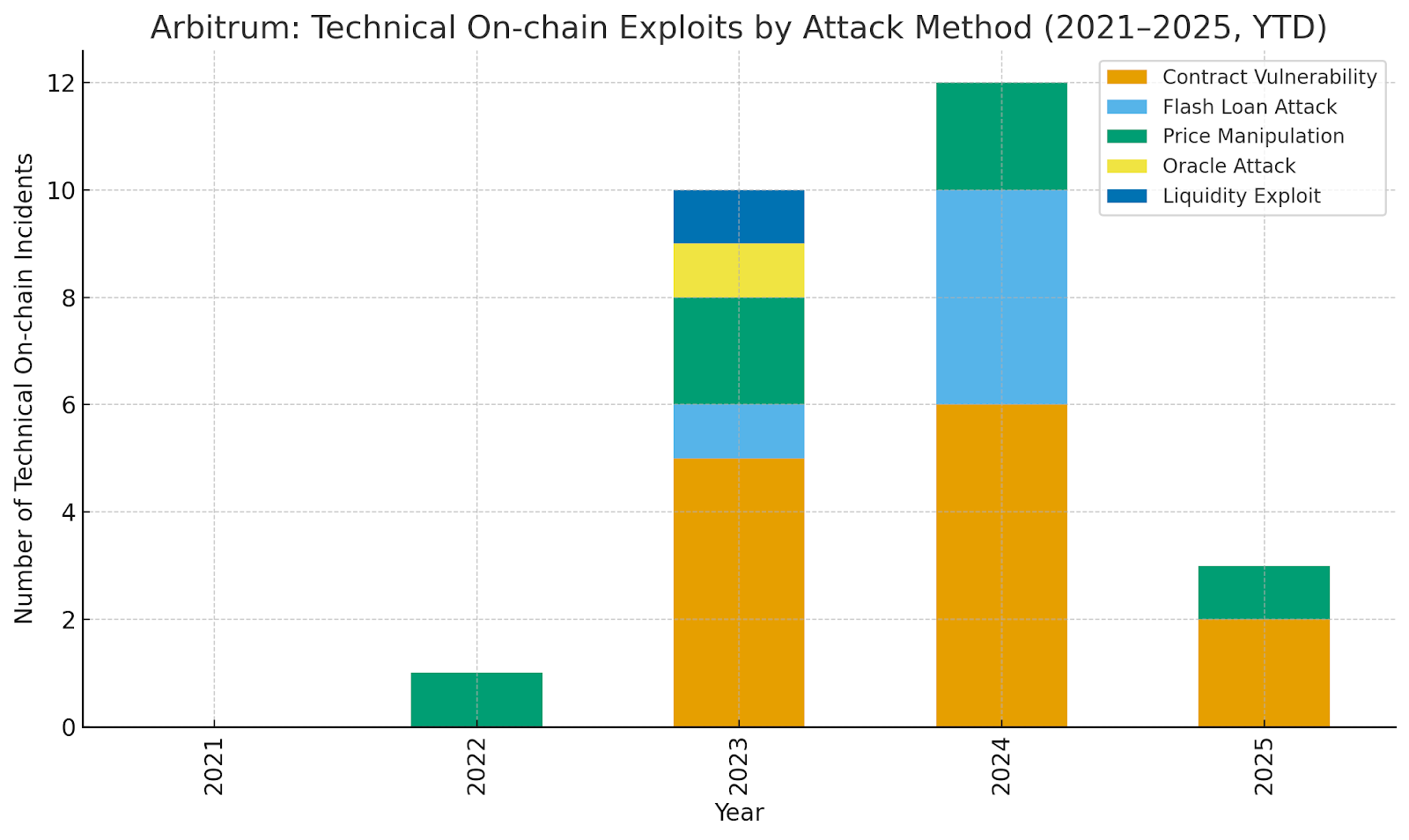
The subscriber approves the subscription contract to spend a specific amount of tokens, such as USDC or SOL, up to a predefined limit. This one-time signature sets the spending power for the recurring cycle.

When the subscription period expires, the smart contract automatically executes a transfer function. The contract checks the allowance and the user's balance to ensure the payment can be processed without error.
The tokens move directly from the subscriber's wallet to the creator's wallet. The transaction is recorded on the blockchain, providing an immutable receipt for both parties without the need for an intermediary.
This model is particularly effective for stablecoin-based subscriptions. Because the value of the payment asset remains constant, both creators and subscribers can forecast revenue and expenses with high precision. The removal of foreign exchange risk and payment processing fees makes on-chain billing a robust solution for global digital services.
Tokenized loyalty and membership models
Recurring on-chain payments are shifting from simple utility billing to verifiable membership assets. When a subscription is tokenized, the recurring payment becomes a liquid, transferable record of access. This changes the nature of loyalty from a closed-loop points system to an open, programmable economy.
Unlike traditional subscription traps that lock users into opaque billing cycles, on-chain subscriptions create transparent, auditable access rights. The subscription token acts as a key, granting entry to services or communities while remaining tradeable on secondary markets. This liquidity allows users to recoup value if they cancel, a feature absent in legacy SaaS models.
| Feature | Traditional Recurring | On-Chain Subscription |
|---|---|---|
| Asset Ownership | None (Service Access) | Transferable Token |
| Cancellation Value | Zero (Lost Fees) | Resale Market |
| Fraud Protection | Chargebacks & Disputes | Smart Contract Logic |
| Attribution | Cookie-Based (Fragile) | On-Chain Verification |
This structural shift reduces friction for both providers and consumers. Providers gain guaranteed payouts without the risk of bad-faith cancellations, while consumers hold a tangible asset that reflects their tenure. Platforms like Droplinked are already leveraging on-chain attribution to protect partner relationships and eliminate fraud typically associated with bad actors [src-6].
The result is a membership economy where loyalty is not just a metric, but a marketable instrument. As the infrastructure matures, we will see more projects offering subscription-based access to AI audits, security reviews, and exclusive data feeds, all secured by the same reliability as the underlying blockchain [src-serp-2].
Market adoption and platform support
The infrastructure for on-chain subscriptions is shifting from experimental pilots to standardized payment rails. This transition relies on two parallel tracks: high-throughput blockchains optimizing for cost and speed, and traditional fintech giants integrating crypto into their existing merchant networks.
Solana has emerged as a primary layer for recurring on-chain payments. The network recently introduced native subscription models that allow users to pre-approve spending caps with optional expiration dates. This "allowance" model reduces the friction of repeated signing, making micro-subscriptions for content or software viable without excessive gas fees. The approach mirrors traditional fiat recurring billing but operates directly on the ledger, offering transparency that off-chain systems cannot match. Solana's announcement highlights how these built-in payment primitives are designed to replace third-party aggregators for many use cases.
Meanwhile, Stripe is bridging the gap between legacy e-commerce and Web3. By offering on-chain crypto processing, Stripe allows merchants to accept stablecoins and major cryptocurrencies while handling the settlement in fiat if desired. This hybrid model lowers the barrier for traditional businesses to offer "subscription" services that are technically on-chain but operationally familiar. As Stripe explains, these transactions are recorded immutably on public ledgers, providing a verification layer that reduces chargeback fraud common in traditional recurring billing.
The convergence of these platforms creates a robust ecosystem for 2026. Developers no longer need to build custom smart contract logic for every subscription type; they can leverage Solana's native primitives for low-cost, high-frequency payments or Stripe's API for broader merchant compatibility. This dual-track adoption ensures that on-chain subscriptions are not just a niche crypto feature, but a competitive advantage for businesses seeking transparent, automated recurring revenue.
Common Pitfalls in Subscription Design
Building on-chain subscriptions requires more than just deploying a smart contract; it demands rigorous attention to user experience and security. The friction between traditional Web2 expectations and Web3 realities often leads to design failures that alienate users immediately. When the payment mechanism feels opaque or the cancellation process is buried in technical jargon, adoption stalls before it begins.
Poor Cancellation Clarity
Users are often wary of "subscription traps," a term increasingly associated with opaque recurring billing practices. In Web3, this fear is amplified by the permanence of blockchain transactions. If a user cannot easily revoke their token allowance or find a clear "stop subscription" button within the dApp interface, they will likely refuse to engage. Transparency is not just a feature; it is the foundation of trust. Always provide clear on-chain cancellation mechanisms and transparent allowance limits to maintain user trust.
Insecure Allowance Management
Many developers overlook the security implications of token allowances. Granting a smart contract unlimited approval for a user's ERC-20 tokens is a significant risk. If the contract is compromised, the attacker can drain the user's entire balance, not just the subscription amount. Implementing periodic allowance resets or using limited-approval patterns is essential for protecting user funds.
Neglecting Gas Volatility
Subscriptions rely on predictable costs, but gas fees can fluctuate wildly. If a subscription payment fails due to insufficient gas, the user's access is cut off abruptly. This breaks the recurring nature of the service and creates a poor experience. Designers must account for gas estimation errors and provide fallback mechanisms, such as allowing users to pay gas separately or using meta-transactions to abstract gas costs away from the end user.
Frequently asked questions about on-chain subscriptions
On-chain subscriptions automate recurring crypto payments directly on the blockchain, eliminating the need for traditional payment processors or manual renewal clicks. Unlike off-chain systems that rely on centralized ledgers, these transactions are verified by the network and permanently recorded, offering transparency and reduced friction for both merchants and subscribers. This shift allows creators and SaaS platforms to manage memberships with smart contracts, ensuring payments are executed exactly as programmed without intermediary delays.
A subscription trap typically refers to deceptive practices where users are tricked into signing up for paid services with unclear costs or difficult cancellation processes. In the on-chain space, this risk is mitigated by the immutable and transparent nature of smart contracts. Users can verify the exact terms, fees, and cancellation conditions before signing, as the code dictates the flow of funds. However, users must still exercise caution, ensuring they understand the gas fees and token volatility associated with the recurring payments.
Common examples of on-chain activities include sending cryptocurrency between wallets, executing smart contracts on networks like Ethereum or Solana, and minting or transferring NFTs. For subscriptions, this often involves a smart contract that automatically deducts a specific amount of tokens from a user’s wallet at set intervals. Some protocols enable "subscribe and forget" experiences, allowing merchants to offer seamless recurring payments without requiring escrow, token wrapping, or complex relayer networks, making the user experience closer to traditional fiat subscriptions.
No comments yet. Be the first to share your thoughts!