
The shift to on-chain subscriptions
The recurring revenue models that power Web2 are fracturing under the weight of friction. Traditional subscription services rely on fiat rails—credit cards and bank transfers—that are plagued by high failure rates, opaque chargebacks, and geographic restrictions. In contrast, on-chain subscriptions represent a structural upgrade. They replace fragile payment gateways with smart contracts that automatically renew payments in tokens or stablecoins, eliminating the need for escrow, token wrapping, or complex relayer networks [src-serp-2].
This shift is not merely about accepting cryptocurrency; it is about automating trust. When a user signs a smart contract, the recurring payment logic is immutable and transparent. This eliminates the "subscription fatigue" caused by forgotten trials and failed transactions, creating a "subscribe and forget" experience that is native to the blockchain [src-serp-1].
Why 2026? The convergence of mature stablecoin infrastructure and user demand for self-custody has reached a tipping point. As market volatility persists, the ability to peg recurring revenue to stable assets while retaining on-chain settlement is becoming a competitive necessity. The following chart illustrates the volatility context of Solana (SOL/USDT), the underlying asset often used for these subscription pricing models, highlighting the need for stablecoin-native recurring revenue solutions.
Smart contract mechanics for recurring payments
On-chain subscriptions replace manual card updates and escrow with automated smart contract logic. This shift eliminates the friction of failed payments and reduces churn, allowing creators to focus on content rather than billing infrastructure.
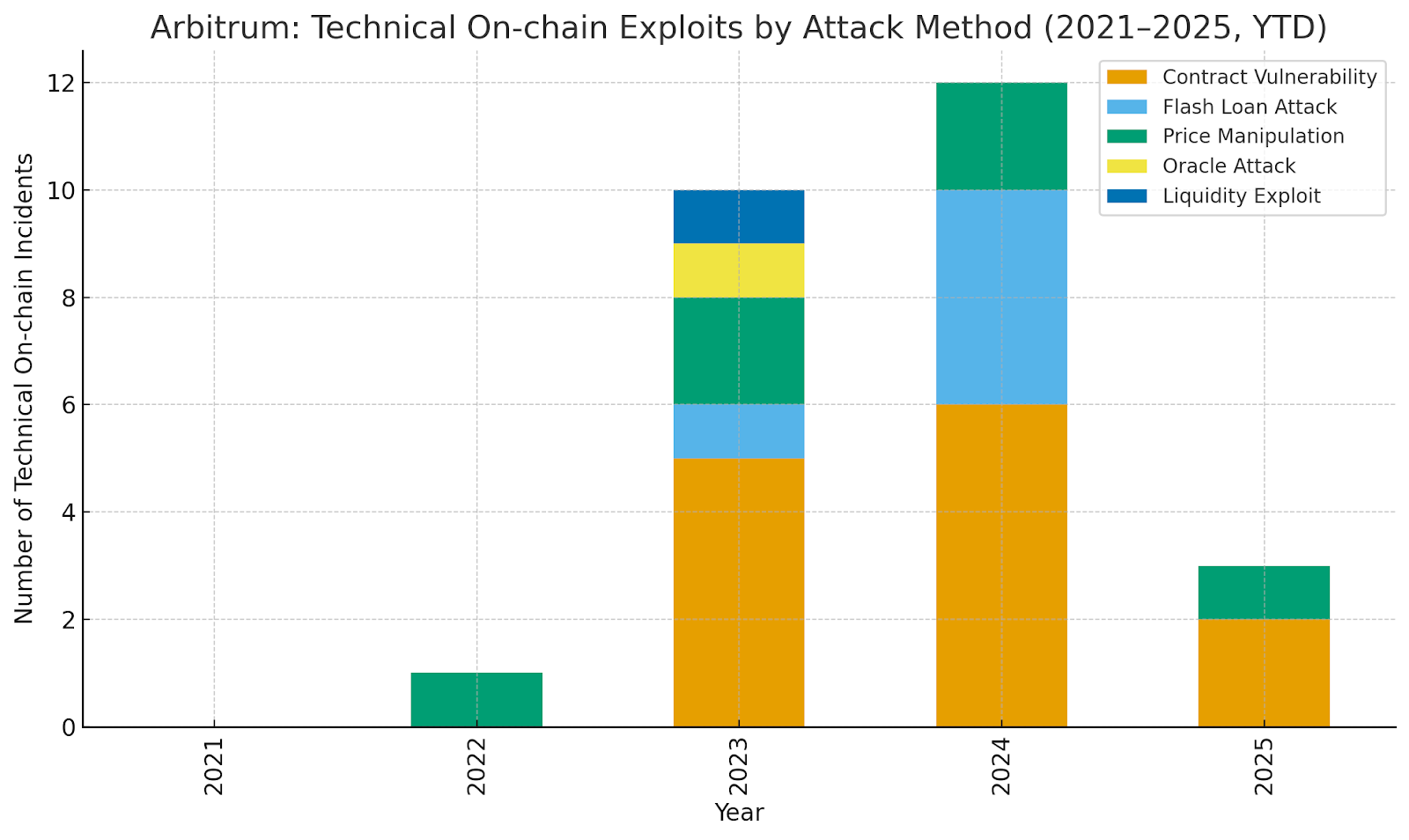
The foundation is a smart contract that defines the subscription terms. This includes the token type (e.g., USDC, ETH), the payment amount, the billing interval (weekly, monthly), and the access conditions. The contract acts as the single source of truth for who is subscribed and when the next payment is due.
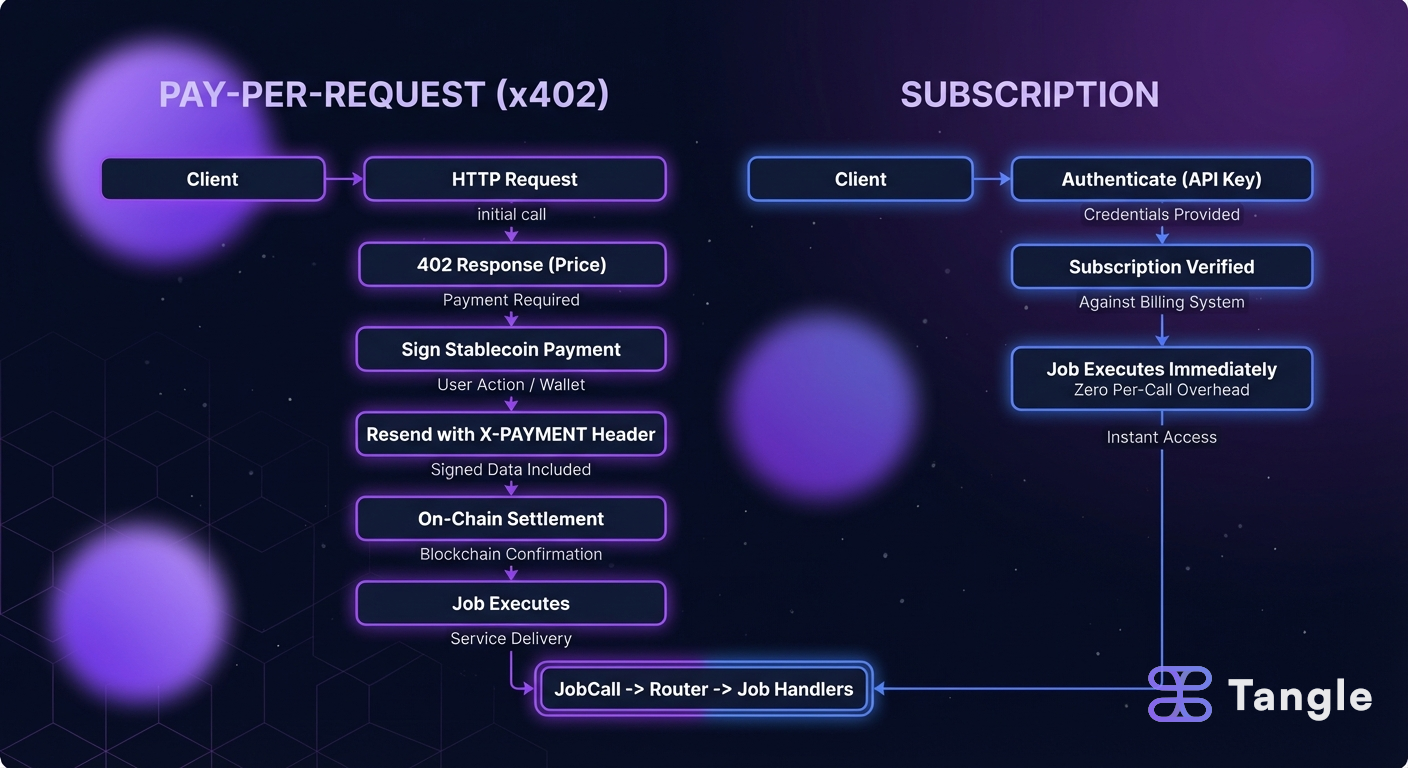
The user must first approve the smart contract to spend their tokens on their behalf. This is done via a standard ERC-20 approve transaction. Once approved, the contract holds the authority to deduct payments automatically. The user does not need to hold the exact amount in the contract; the contract pulls funds from the user's wallet when the renewal date arrives.
When the billing interval ends, the smart contract checks the user's balance and executes a transfer. If the payment succeeds, the contract updates the user's subscription status to "active" and records the next due date. If the payment fails due to insufficient funds, the contract marks the subscription as "past due" or cancels it, depending on the configured grace period.
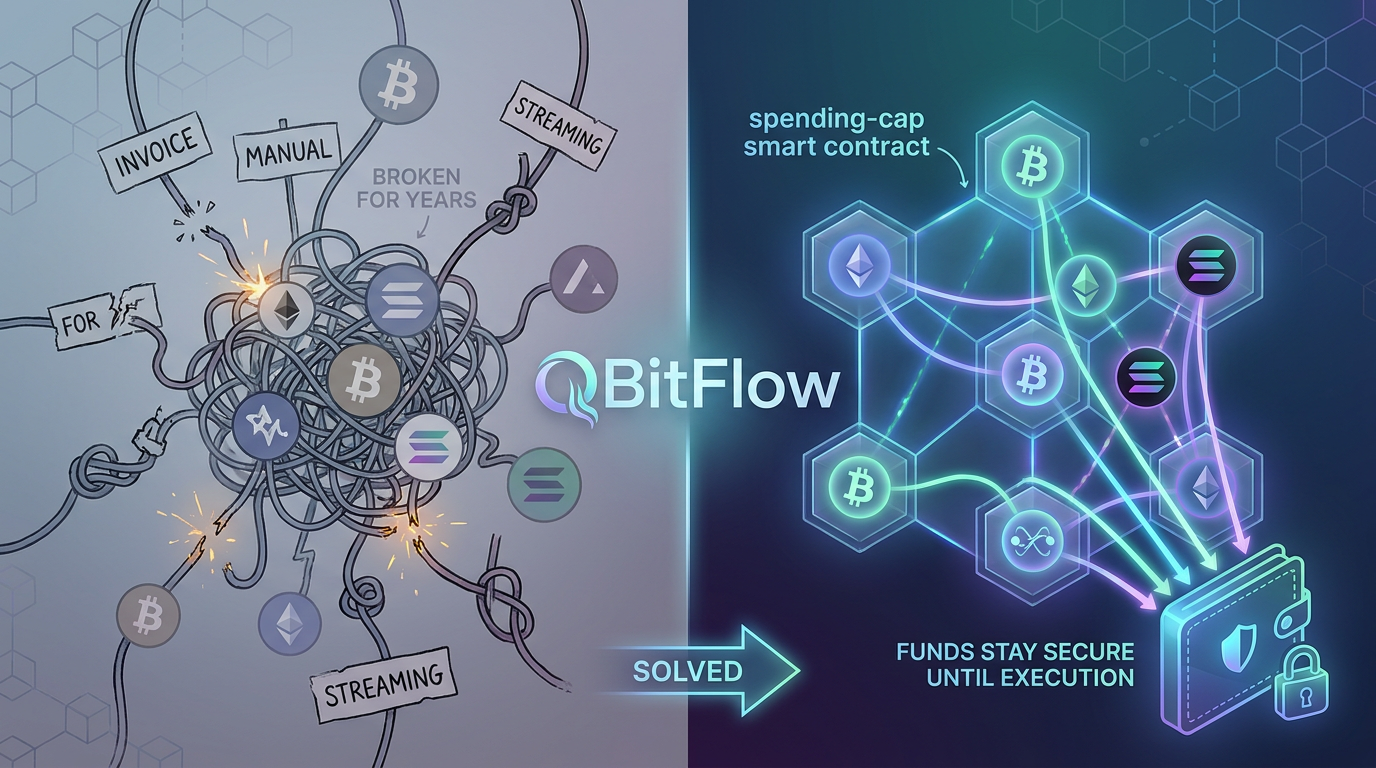
The smart contract continuously verifies the subscription status whenever a user attempts to access protected content. If the subscription is active, access is granted. If it lapses, access is revoked automatically. The user can also cancel the subscription at any time by revoking the contract's spending allowance, ensuring no further payments are processed.
This automated system ensures that revenue is predictable and consistent. By removing the need for manual intervention, creators can scale their operations without the overhead of managing billing disputes or failed transactions.
Fixing the broken on-chain subscription model
Early implementations of on-chain subscriptions faced a structural failure: the cost of execution often exceeded the value of the recurring fee. When a user must pay gas for every renewal, the friction breaks the utility. This "broken" state is not a theoretical risk; it is a current market reality where high gas fees on legacy networks like Ethereum Mainnet make micro-subscriptions economically unviable. The protocol must absorb the overhead, or the user experience collapses.
The fix lies in architectural shifts toward low-cost execution environments. Solana’s recent rollout of on-chain subscriptions for payments and payroll demonstrates this pivot. By allowing merchants to publish fixed pricing tiers on-chain and pull funds each billing cycle, the system removes the need for manual, gas-heavy transactions for every renewal. This approach aligns the cost structure with the value delivered, making recurring revenue models sustainable for both service providers and consumers.
Token volatility remains the second major hurdle. A subscription priced in a volatile asset can erode merchant margins overnight. New protocols are addressing this by integrating stablecoin settlement layers or automated hedging mechanisms directly into the subscription logic. This ensures that the revenue stream remains predictable, transforming on-chain payments from a speculative exercise into a reliable utility.
The technical debt of early adopters
Beyond gas and volatility, early on-chain subscription platforms suffered from poor integration standards. Many required users to manage multiple wallets or approve excessive token allowances, creating significant security risks. The current generation of protocols is correcting this by adopting non-custodial, user-centric designs that minimize approval overhead and enhance security through smart contract audits.
This evolution is critical for mass adoption. As the market matures, the focus is shifting from novelty to reliability. The protocols that survive will be those that offer seamless, low-cost, and secure recurring payment solutions, effectively bridging the gap between traditional SaaS models and the decentralized web.
Platform landscape and feature comparison
The on-chain subscription market in 2026 is defined by a shift from experimental escrow models to direct, gas-optimized recurring payments. As merchants seek to replicate the frictionless experience of fiat subscriptions, platform capabilities have diverged significantly. The competitive edge now belongs to protocols that eliminate token wrapping, relayer networks, and complex smart contract interactions while maintaining strict compliance with blockchain security standards.
Sphere Pay leads the sector by enabling "true" on-chain subscriptions that require no escrow or token unwrapping. This approach reduces transaction costs and user drop-off, positioning it as a primary candidate for high-volume merchant adoption. Meanwhile, Onchain Pay and Droplinked focus on specific niches: Onchain Pay emphasizes seamless automatic processing similar to traditional payment gateways, while Droplinked integrates secure affiliate tracking to combat fraud in creator economy payouts.
The following comparison highlights the core differentiators for 2026 adoption:
| Platform | Gas Handling | Supported Chains | Merchant Tools |
|---|---|---|---|
| Sphere Pay | Zero-escrow, direct settlement | Multi-chain (EVM, Solana) | Subscribe-and-forget UI |
| Onchain Pay | Relayer-sponsored | EVM-focused | Automated recurring processing |
| Droplinked | Gas-optimized batching | Multi-chain | Affiliate fraud tracking |
Selection depends on whether the priority is user friction reduction (Sphere) or backend compliance and affiliate management (Droplinked). As the infrastructure matures, platforms that combine low gas costs with robust merchant analytics will capture the majority of the recurring revenue market.
Financial implications for web3 businesses
On-chain subscriptions fundamentally alter the revenue mechanics for web3 businesses by shifting from manual, high-friction payments to automated, smart-contract-driven recurring transactions. This structural change directly impacts the bottom line through three primary channels: reduced churn, lower payment processing fees, and the enablement of new token-gated monetization models.
Reduced churn through automation
Manual payment failures are a leading cause of subscription attrition in traditional digital services. On-chain subscriptions eliminate this friction by allowing users to sign smart contracts that automatically renew payments using tokens or stablecoins. According to Unlock Protocol, these automatically recurring subscriptions reduce friction for members, which can significantly reduce churn and increase overall revenue. By removing the need for users to manually re-enter payment details or manage expiring credit cards, businesses retain subscribers more effectively.
Lower payment processing fees
Traditional payment gateways often charge 2-3% per transaction, plus fixed fees that erode margins on smaller subscription tiers. On-chain transactions, particularly when executed on low-cost layer-2 networks or using stablecoins, bypass these intermediaries. This reduces the cost of acquiring and retaining revenue, allowing web3 businesses to offer more competitive pricing or maintain higher profit margins. The elimination of chargeback risks further protects revenue integrity, as blockchain transactions are immutable and irreversible once confirmed.
New monetization models
Beyond simple recurring payments, on-chain infrastructure enables sophisticated token-gated content models. Businesses can tie subscription access directly to token ownership or specific wallet states, creating dynamic pricing and exclusive access tiers that are difficult to replicate in Web2. This allows for more granular segmentation of users, where access to premium content or community features is automatically verified and granted via smart contracts. This level of integration fosters deeper user engagement and loyalty, as the subscription becomes an integral part of the user’s on-chain identity and asset portfolio.
Frequently asked questions about on-chain subscriptions
On-chain subscriptions automate recurring revenue by leveraging smart contracts to handle billing cycles directly on the blockchain. This shift moves away from traditional payment processors, allowing Web3 businesses to manage subscriptions with tokens or stablecoins without manual intervention.
No comments yet. Be the first to share your thoughts!