How on-chain subscriptions work
On-chain subscriptions replace manual billing with automated, permissioned recurring payments. Instead of entering credit card details repeatedly, users sign a smart contract that grants a merchant permission to pull stablecoins or tokens at set intervals. This mechanism shifts the burden of payment collection from the user to the protocol.
The core distinction lies in the absence of third-party escrow. Traditional fiat gateways like Stripe often hold funds in transit or require complex reconciliation. On-chain, the smart contract acts as the executor, renewing payments automatically using on-chain allowances. This eliminates the friction of failed transactions and reduces the operational overhead for creators.
Unlike Stripe, on-chain subscriptions rely on on-chain allowances and smart contracts rather than third-party escrow.
This "subscribe and forget" model ensures that creators receive consistent revenue without chasing late payments. For users, it means a single approval can cover months or years of access, provided the underlying tokens remain in their wallet. The result is a seamless, permission-based flow that aligns incentives between creators and their audience.
| Feature | Fiat (Stripe) | On-Chain |
|---|---|---|
| Payment Method | Credit Card | Smart Contract Allowance |
| Escrow | Third-Party Held | Direct Transfer |
| Renewal | Manual/Re-auth | Automated |
| Failed Payments | High (expired cards) | Low (user manages funds) |
The Infrastructure Finally Catches Up
For years, on-chain subscriptions failed at the most basic level: they could not pull payments. In a world where credit cards and bank transfers rely on recurring authorization, blockchain wallets only pushed funds when a user explicitly clicked "send." This friction made recurring revenue models impossible for most creators, forcing them back to Web2 platforms that took 30% cuts or relied on fragile, off-chain payment processors.
That bottleneck broke in 2026. Solana introduced native subscription plans and allowances, allowing merchants to publish fixed billing tiers directly on-chain with immutable terms. Instead of chasing every payment, creators now set the rules once. Sphere Labs followed by unveiling "true" on-chain subscriptions, solving the pull payment problem by enabling authorized recurring withdrawals without constant user intervention.
This shift is not just technical; it is structural. The infrastructure has matured enough to support mainstream adoption. Creators can now offer $49 or $199 monthly plans that settle automatically, removing the need for third-party intermediaries. The "pull" mechanism, once the industry's biggest unsolved problem, is now a standard feature of the base layer.
The result is a clean split. Web3 is no longer trying to replicate Stripe; it is building a native payment rail that is cheaper and more transparent. As these tools stabilize, the barrier for entry drops, allowing creators to retain more value while offering subscribers a seamless, trustless experience.
Leading Platforms and Protocols
Choosing the right infrastructure depends on your technical stack and the specific needs of your audience. The current landscape is defined by three primary approaches: native chain solutions, modular SDKs, and legacy protocol upgrades.
Solana has integrated subscriptions directly into its core protocol. This native approach allows merchants to publish fixed billing tiers on-chain with immutable terms. Because the logic lives at the protocol level, developers benefit from lower gas costs and faster settlement times compared to custom smart contract implementations. This makes Solana a strong candidate for high-frequency, low-value recurring payments.
Unlock Protocol offers a flexible, modular alternative that operates across multiple chains. Its SDK focuses on reducing friction for members through automatic recurring billing, which can help lower churn rates. Unlock is particularly useful for creators who want to maintain cross-chain compatibility or are already embedded in the NFT ecosystem, as it bridges the gap between one-time token sales and ongoing access.
Sphere provides a specialized layer for social and community monetization. It often integrates with existing social graphs, allowing creators to monetize engagement rather than just content. While less of a general-purpose payment rail than Solana or Unlock, Sphere’s focus on social-native features makes it distinct for creators building community-driven membership models.
The following table compares the core technical differences to help you select the appropriate stack.
| Platform | Supported Chains | Fee Model | Integration Complexity | Best Use Case |
|---|---|---|---|---|
| Solana Native | Solana | Network fees + Protocol fee | Low (Native SDK) | High-volume, low-cost recurring payments |
| Unlock Protocol | Multi-chain (EVM, Solana, etc.) | Smart contract gas + Platform fee | Medium (SDK/Plugins) | Cross-chain NFT memberships |
| Sphere | EVM, Solana | Variable based on tier | High (API/Custom) | Social community monetization |
The Technical Infrastructure Underpinning On-Chain Subscriptions
The shift toward on-chain subscriptions is not merely a change in payment rails; it is a structural upgrade to how value flows between creators and audiences. For a finance-focused audience, the primary concern is not just the novelty of the technology, but the stability and reliability of the underlying infrastructure. This section outlines the technical foundations that make recurring on-chain payments viable, secure, and scalable.
At the heart of this ecosystem lies the blockchain itself, serving as the immutable ledger for all subscription events. Each recurring payment, renewal, and cancellation is recorded on-chain, providing a transparent and auditable history that traditional fiat systems often obscure. This transparency is crucial for both creators and subscribers, ensuring that funds are managed according to pre-defined smart contract rules without the need for intermediaries.
Smart Contracts and Automation
Smart contracts are the engines that drive on-chain subscriptions. These self-executing agreements automatically process payments based on predefined conditions, such as time intervals or specific triggers. By automating the payment process, smart contracts reduce the friction associated with manual billing and minimize the risk of human error or fraud. This automation ensures that creators receive their earnings consistently, while subscribers have clear visibility into their subscription terms and billing cycles.
Stability and Volatility Mitigation
For recurring payments, stability is paramount. Many on-chain subscription platforms integrate with stablecoins or use mechanisms to mitigate the volatility of native cryptocurrencies. This ensures that the value of the subscription remains consistent over time, protecting both the creator's revenue and the subscriber's investment. The use of stablecoins allows for predictable pricing and reduces the risk of significant value fluctuations that could impact the subscription model.
Market Context
Understanding the broader market context is essential for evaluating the viability of on-chain subscriptions. The performance of the underlying assets, such as Solana (SOL), can influence the cost and speed of transactions. A healthy market environment supports lower fees and faster processing times, enhancing the user experience for both creators and subscribers.
Choosing the right subscription model
Deciding between native chain features and third-party wrappers depends on your technical capacity and user experience goals. The choice defines whether you manage the complexity of recurring billing yourself or outsource it to specialized infrastructure.
If your audience is already active on Solana or Ethereum L2s, native solutions like Solana’s Subscriptions and Allowances offer the most direct path. These protocols let merchants publish fixed billing tiers with immutable terms, removing the need for escrow or token wrapping. This approach minimizes transaction costs and reduces the number of clicks required to subscribe, which is critical for retaining casual creators.
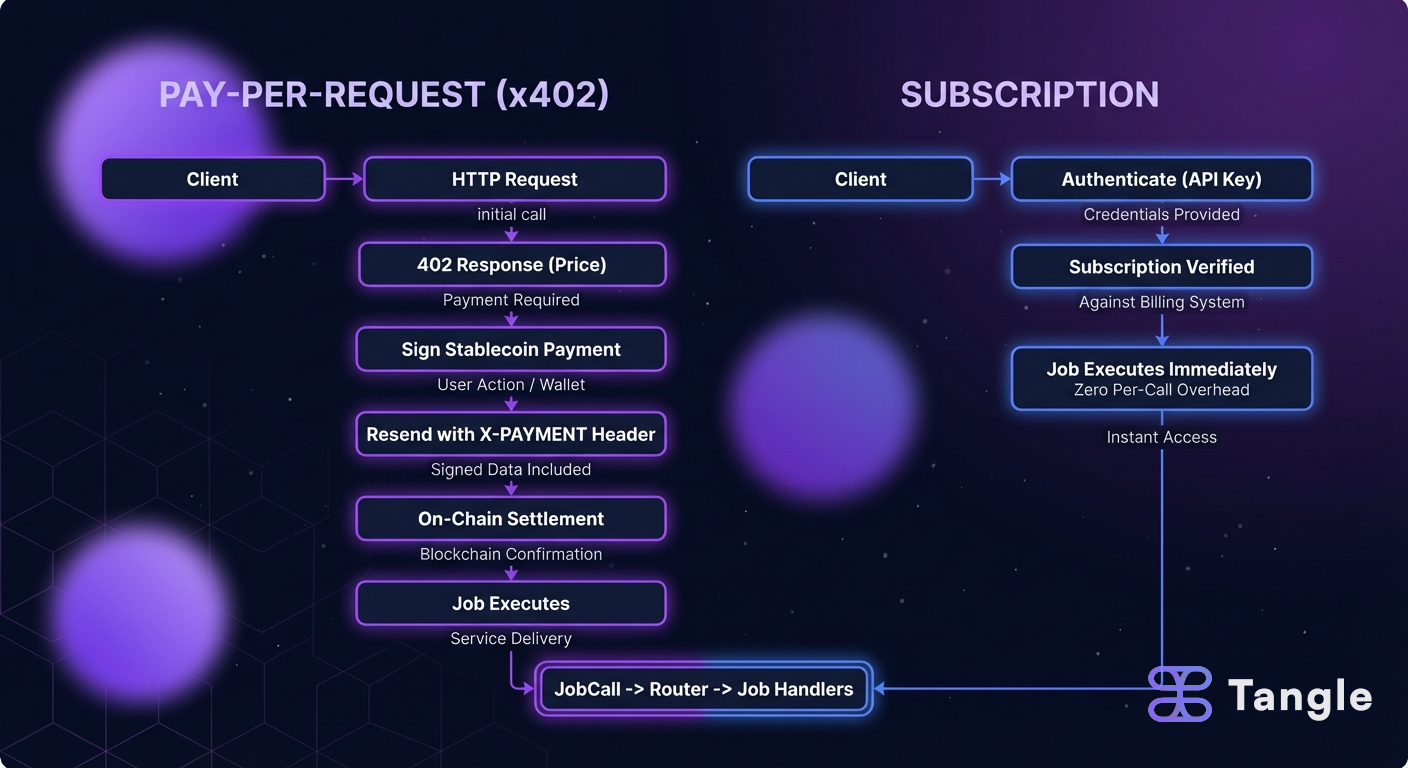
Third-party wrappers, such as Sphere’s "true" on-chain subscriptions or Unlock Protocol, solve the pull-payment problem across multiple chains. These platforms handle the complexity of automated renewals and failed payment retries, allowing you to accept stablecoins or tokens without managing smart contract logic. This is ideal if you want to reach users on chains that lack native recurring payment infrastructure.
Native features offer lower fees but require users to have wallets with sufficient native tokens for gas. Wrappers provide a smoother experience by abstracting these costs, often leading to lower churn. Choose the wrapper if your priority is maximizing conversion rates from non-technical users; choose native if your priority is minimizing platform fees for a highly engaged, crypto-native community.
Common questions about on-chain subscriptions
The shift toward recurring on-chain payments solves the friction of manual renewal, but choosing the right infrastructure remains a technical hurdle. Understanding how these protocols handle billing tiers and access control is essential for creators moving away from centralized platforms.
What is on-chain used for?
On-chain subscriptions automate recurring payments using smart contracts, allowing creators to bill users in tokens or stablecoins without intermediaries. As noted by Sphere, "true" on-chain subscriptions eliminate the need for escrow or complex token wrapping, enabling a "subscribe and forget" model where access is granted automatically upon payment.
What is the best subscription platform?
No single platform dominates; the choice depends on your blockchain ecosystem. Solana offers native subscription plans and allowances that let merchants publish fixed billing tiers with immutable terms. Ethereum-based creators often rely on protocols like Unlock Protocol, which focuses on reducing churn by automating membership renewals directly on-chain.
Is there a website that shows all subscriptions?
There is no central directory listing every on-chain subscription because they are distributed across various chains and protocols. Unlike traditional SaaS marketplaces, these agreements are embedded in smart contracts. Users typically discover subscriptions through the specific dApp or creator they follow rather than a global aggregator.
Which online subscription is best?
The best option aligns with your audience's preferred chain and payment method. If your community trades heavily on Solana, native subscription features offer the lowest gas fees and fastest settlement. For Ethereum-based communities, established protocols like Unlock provide robust access management, ensuring that token holders maintain perpetual access to content until they choose to sell or transfer their keys.
No comments yet. Be the first to share your thoughts!