
Recurring billing is the backbone of SaaS, digital content, and decentralized service platforms. But as businesses migrate to blockchain-based models, traditional billing systems fall short. Enter onchain recurring billing powered by smart contracts, a solution that not only automates payments but also handles proration with mathematical precision. This approach eliminates intermediaries, reduces error rates, and brings transparency to every transaction cycle.
Why Automate Recurring Billing Onchain?
The global shift toward blockchain SaaS billing is more than a trend, it's a pragmatic response to the demand for secure, self-executing agreements. Smart contract subscriptions allow businesses to define payment terms directly in code, ensuring that transactions are enforced without manual intervention or third-party oversight.
Recent research (Unlock Protocol, Nadcab Labs) highlights several key drivers:
- Cost Efficiency: No middlemen means lower transaction costs and fewer reconciliation headaches.
- Error Reduction: Automated logic reduces missed payments and manual errors.
- Transparency and Auditability: Every invoice and payment is recorded on the blockchain for full traceability.
- User Trust: Clear proration rules and transparent invoicing build confidence among subscribers.
The Core Components of Blockchain Proration
A robust onchain subscription system must do more than just collect payments at regular intervals. It needs to intelligently handle partial periods, for example, when a customer subscribes mid-month or upgrades their plan mid-cycle. Here’s how smart contracts achieve this:
Key Steps to Build a Prorated Recurring Payment Smart Contract
- Define Subscription Parameters: Set up the contract with details like subscription name, billing frequency (e.g., monthly), pricing, and the ERC-20 token used for payments. This forms the foundation for automated billing.
- Implement Proration Logic: Add functions to calculate charges for partial periods. For example, if a user starts mid-month, the contract computes the fee based on active days versus total days in the billing cycle.
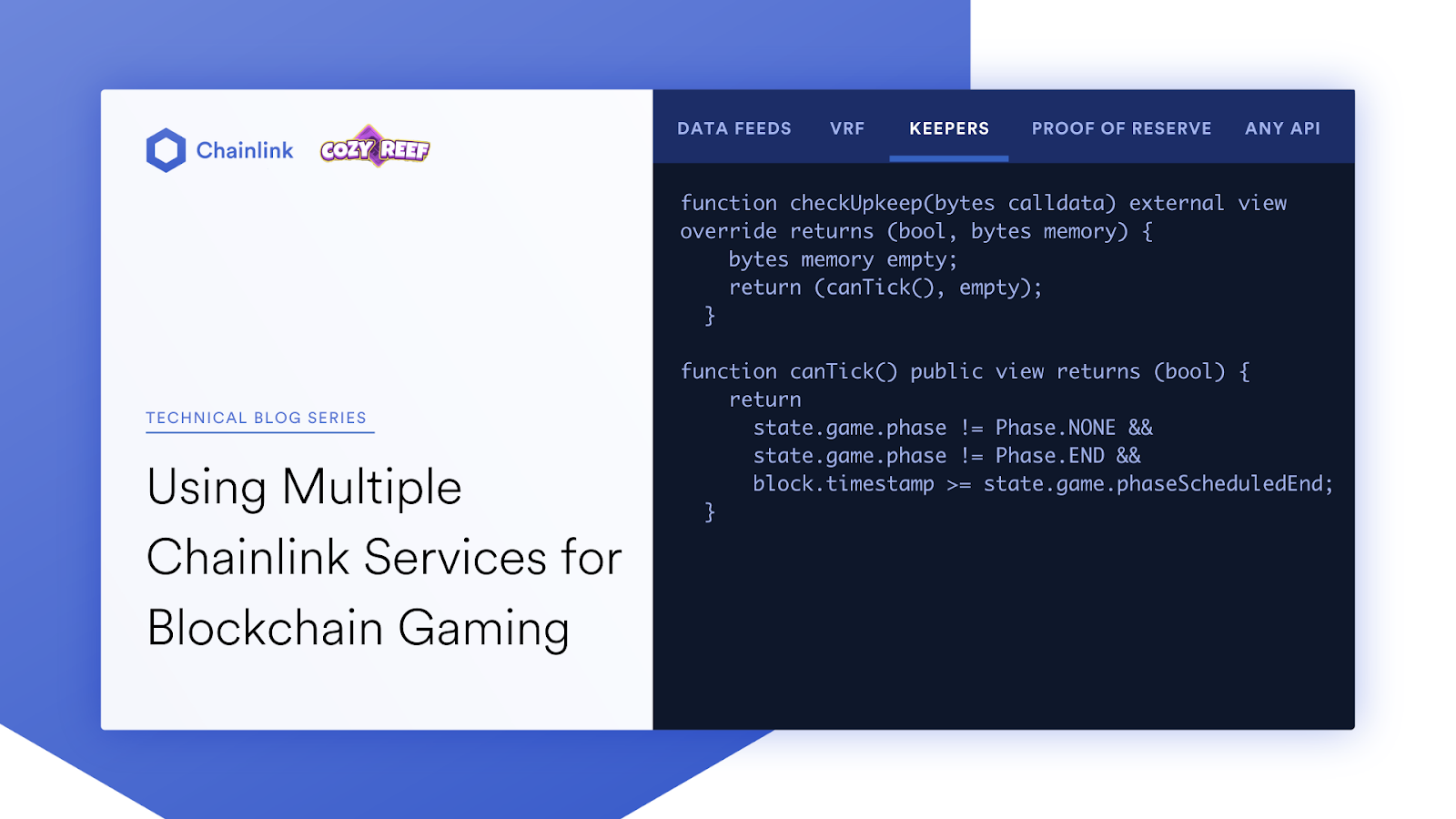
- Set Up Recurring Billing Mechanisms: Require subscribers to approve the contract for token withdrawals. Use scheduled or automated functions (like Chainlink Keepers or Gelato) to trigger payments at regular intervals, checking for allowance and balance.
- Emit Events for Transparency: Program the contract to emit events for actions such as new subscriptions, successful payments, proration adjustments, and cancellations. This enables off-chain monitoring and user notifications.
- Integrate Cancellation and Refund Handling: Allow subscribers to cancel anytime, with logic to process refunds or final prorated charges based on usage. This ensures a user-friendly and fair experience.

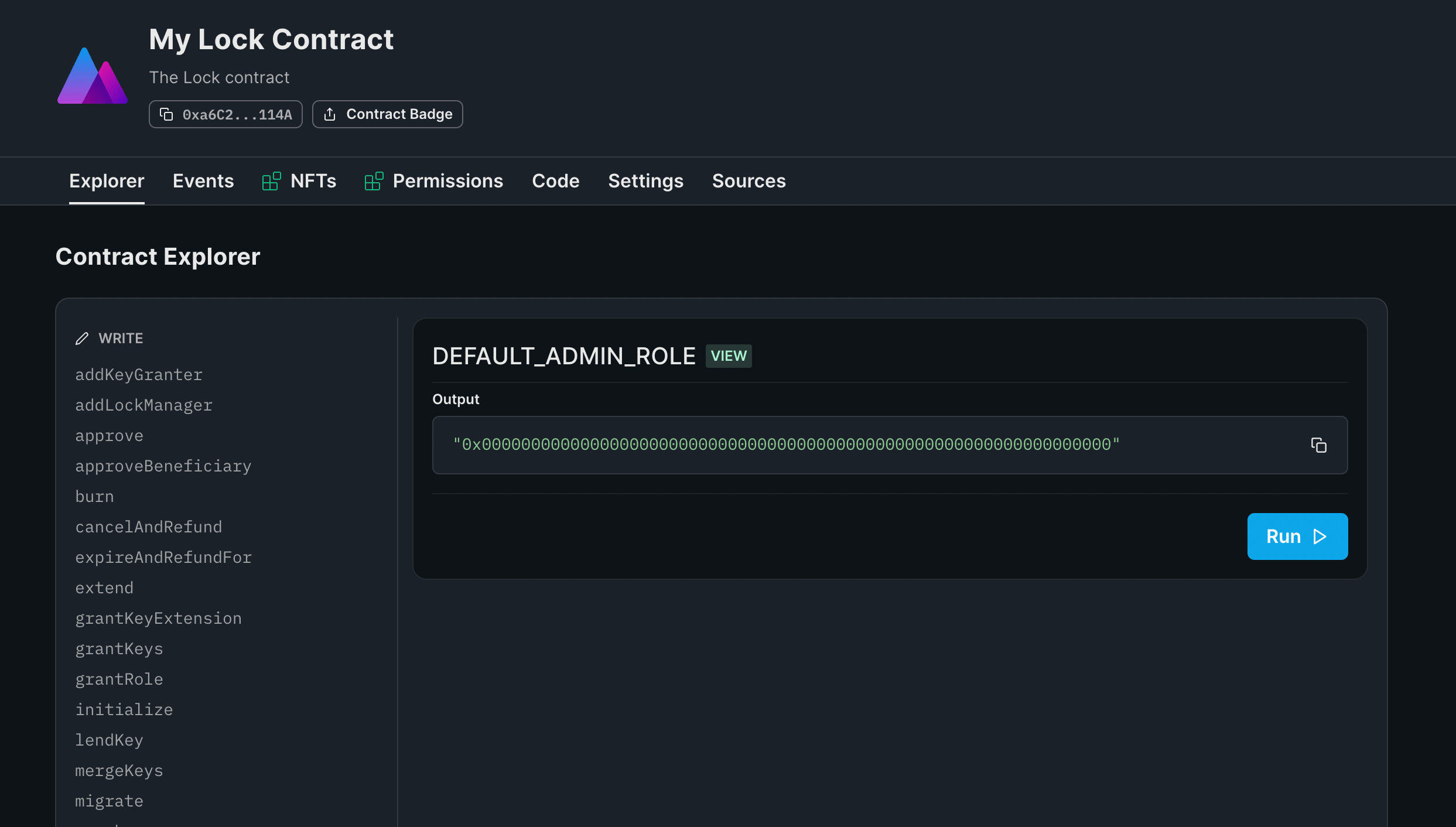
- Leverage Proven Tools and Frameworks: Utilize established platforms like Unlock Protocol for on-chain subscriptions, or explore repositories like DreamTeam's Recurring Billing Smart Contracts for adaptable code examples.
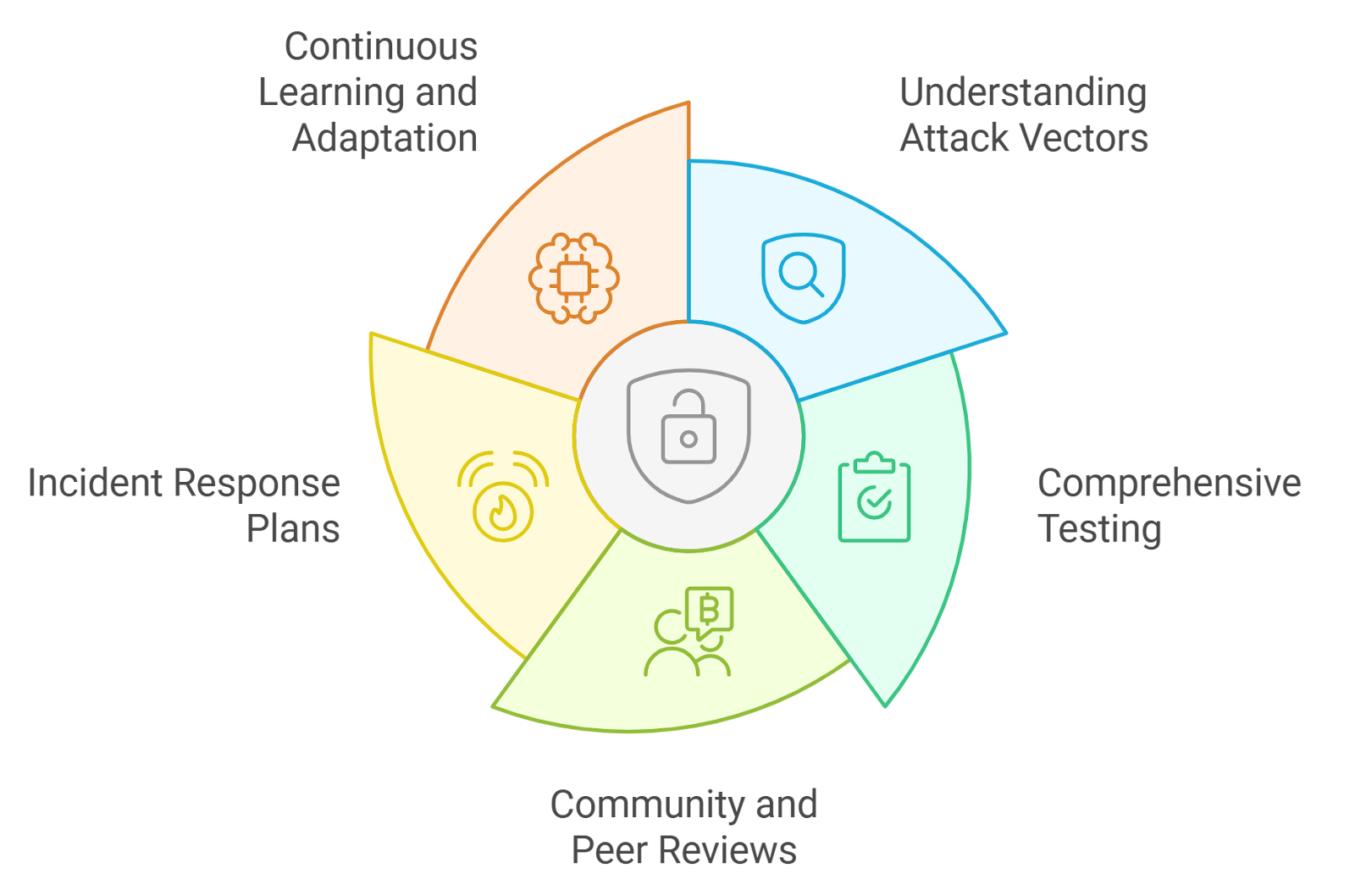
- Prioritize Security and User Experience: Conduct thorough security audits and provide clear communication about billing, proration, and cancellation policies to build trust and prevent vulnerabilities.
The contract’s logic typically includes:
- Defining Subscription Parameters: Set up plan names, pricing (in ERC-20 tokens), frequency (e. g. , monthly), and start dates.
- Proration Calculation: If a user joins or leaves part-way through a period, the contract calculates the exact amount owed based on days active versus total days in the cycle.
- Automated Invoicing: Each billing event triggers an onchain invoice with details of period covered and any prorated adjustments.
- User Authorization: Subscribers approve token allowances so the contract can withdraw funds automatically at each interval.
This level of automation isn’t just theoretical, it’s already being implemented by platforms leveraging frameworks like Unlock Protocol (see their guide here) and open-source repositories from DreamTeam (GitHub example). These solutions offer customizable templates for ERC-20 based recurring payments with built-in proration features.
The Technical Blueprint: How Smart Contracts Enable Recurring Payments with Proration
A well-designed subscription smart contract follows these steps:
- User Onboarding and Approval: The subscriber grants permission for the contract to withdraw tokens from their wallet (using ERC-20 allowances).
- Cron-like Scheduling Logic: The contract initiates charges at fixed intervals, monthly, weekly, or custom periods as needed.
- Sufficient Balance Checks: Before each withdrawal, the contract verifies that both allowance and balance are adequate to cover the charge (including any prorated amounts).
- Bespoke Proration Rules: For partial periods (e. g. , joining halfway through), fees are adjusted proportionally based on active days versus total days in period.
Solidity Function for Prorated Subscription Fee Calculation
Let's look at a Solidity function that calculates a prorated subscription fee based on the user's active time within a billing period. This is essential for fair onchain billing when users subscribe or unsubscribe mid-period.
function calculateProratedFee(uint256 fullPeriodFee, uint256 periodStart, uint256 periodEnd, uint256 userStart, uint256 userEnd) public pure returns (uint256) {
    require(periodEnd > periodStart, "Invalid period range");
    require(userEnd > userStart, "Invalid user range");
    require(userStart >= periodStart && userEnd <= periodEnd, "User time must be within period");

    uint256 periodDuration = periodEnd - periodStart;
    uint256 userDuration = userEnd - userStart;

    // Calculate prorated fee
    uint256 proratedFee = (fullPeriodFee * userDuration) / periodDuration;
    return proratedFee;
}
This function takes the full period fee, the start and end times of the billing period, and the user's active start and end times. It returns the prorated fee the user should be charged.
- Cancellations and Refunds Logic: Users can cancel anytime; the contract computes final charges or refunds based on usage up to cancellation date.
This architecture not only streamlines operations but also enhances compliance and user experience. By emitting events at each key action (subscription start, payment success/failure, cancellation), businesses can monitor activity off-chain while keeping all financial data trustlessly verifiable on-chain.
As the ecosystem matures, more teams are leveraging these technical blueprints to deliver seamless recurring payments crypto experiences, especially for SaaS and digital content platforms. The flexibility of smart contracts means you can encode even complex proration policies, such as daily, hourly, or usage-based adjustments, directly into your subscription logic. This empowers businesses to offer granular plans without sacrificing automation or transparency.
Real-World Implementation: Tools and Best Practices
Deploying blockchain proration in production requires careful tooling and risk management. Platforms like Unlock Protocol provide audited frameworks that dramatically reduce development time while ensuring compatibility with ERC-20 tokens. For those seeking AI-driven customization, Docs. ai demonstrates how smart contracts can evolve into self-executing agreements that dynamically adapt to business logic (see Docs. ai showcase). Open-source repositories such as DreamTeam’s TokenRecurringBilling contract offer a starting point for developers looking to build or extend their own automated blockchain invoicing systems.
Top Frameworks for Onchain Recurring Billing
- Unlock Protocol: A leading open-source framework for creating onchain subscriptions and memberships. Supports ERC-20 recurring billing and can be customized for proration logic. Learn more.
- Superfluid: Enables real-time, continuous money streams on Ethereum and compatible chains. Ideal for subscriptions and flexible billing, with support for ERC-20 tokens and programmable payment flows. Explore Superfluid.
- Recurring Billing Smart Contracts by DreamTeam: Open-source smart contract templates for token-based recurring billing, easily adaptable for proration and subscription management. View on GitHub.
- Docs.ai: AI-powered platform that transforms static contracts into dynamic, self-executing agreements. Facilitates automated onchain payments and proration for subscriptions. See Docs.ai on ETHGlobal.
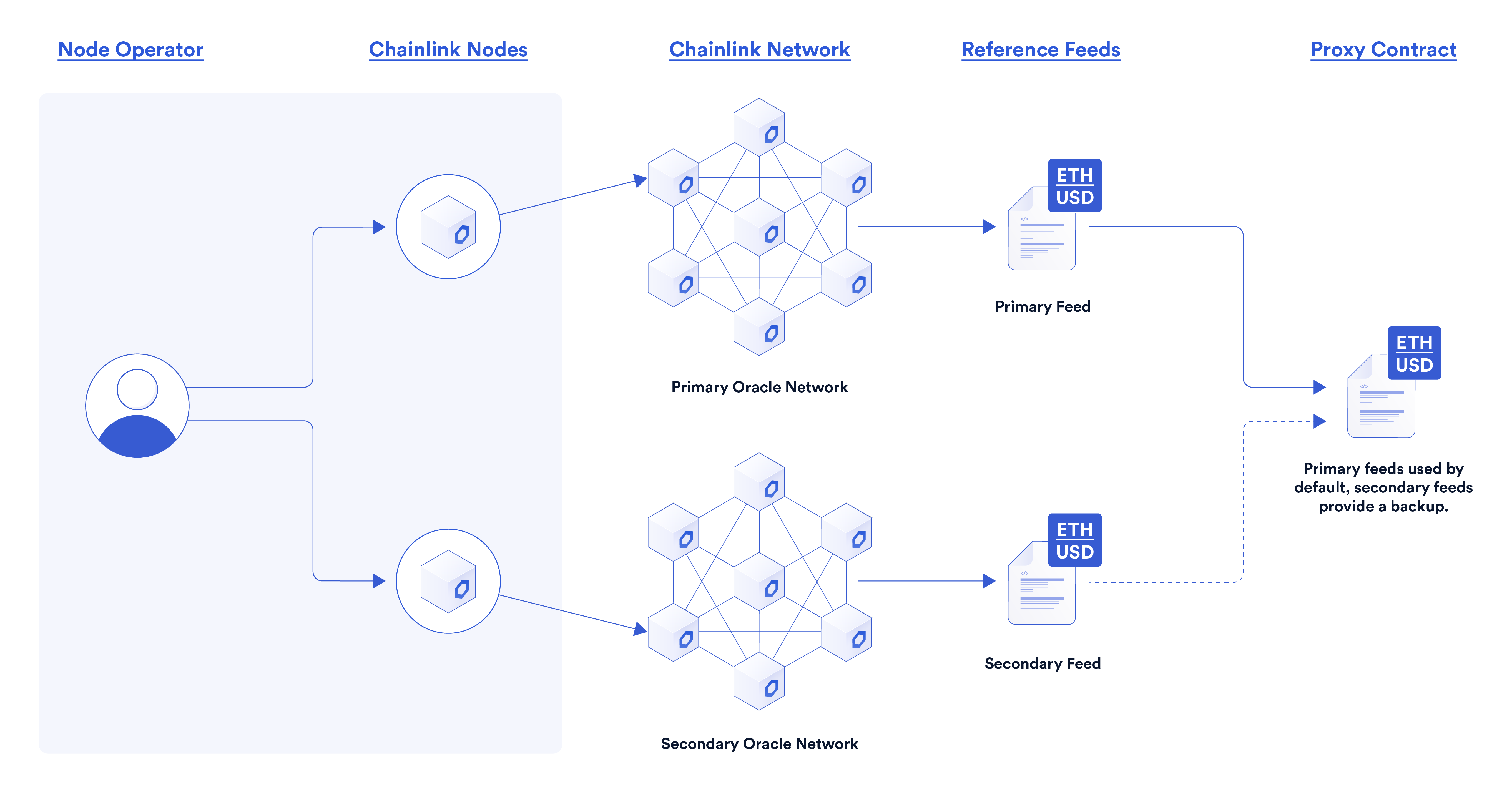
- Chainlink Automation (formerly Keepers): Decentralized automation service for triggering smart contract functions, including scheduled subscription payments and proration calculations. Discover Chainlink Automation.
Security is non-negotiable: Since these contracts handle ongoing financial transactions, rigorous audits are essential. Bugs in proration logic or withdrawal routines can lead to revenue leakage or user disputes. Prioritize clear documentation of your billing periods, proration formulae, and cancellation policies, these are critical not just for compliance but also for building subscriber trust.
Optimizing User Experience and Revenue Streams
The most successful onchain subscription models go beyond technical execution, they focus on proactive communication and customer empowerment. Emit events for every significant action (subscription start, payment processed, cancellation), so users have a real-time view of their billing status. Use transparent invoices that detail the exact period covered and any proration adjustments, this reduces support requests and boosts retention.
Consider offering self-service dashboards where users can:
- View current subscription status and next billing date
- See detailed breakdowns of all charges, including prorated amounts
- Easily pause, upgrade/downgrade plans, or cancel subscriptions at any time
- Access onchain receipts for accounting/audit purposes
The Bottom Line: Future-Proofing Your Subscription Stack
Automated blockchain invoicing with proration is no longer a theoretical ideal, it’s being deployed by forward-thinking SaaS providers who recognize the value of transparency, efficiency, and compliance in recurring payments. As stablecoins become mainstream settlement assets and smart contract standards evolve, expect even more granular control over billing cycles, discounts, upgrades/downgrades, and refunds, all enforced by code rather than manual processes.
If you’re ready to explore decentralized subscription management at scale, or simply want to reduce churn while optimizing cash flow, now is the time to invest in robust onchain recurring billing infrastructure. The tools exist; the market momentum is clear; all that remains is implementation tailored to your business model.




No comments yet. Be the first to share your thoughts!