

Onchain subscription proration is transforming the way SaaS platforms handle recurring billing, offering a level of fairness and transparency that traditional payment rails simply can't match. By leveraging the power of smart contracts, businesses can automate complex billing scenarios, such as mid-cycle upgrades, downgrades, and cancellations, while minimizing manual intervention and reducing the risk of disputes. In this guide, we’ll unpack the technical architecture and practical steps to implement onchain subscription proration for SaaS, with a focus on EVM-compatible blockchains and stablecoin payments.
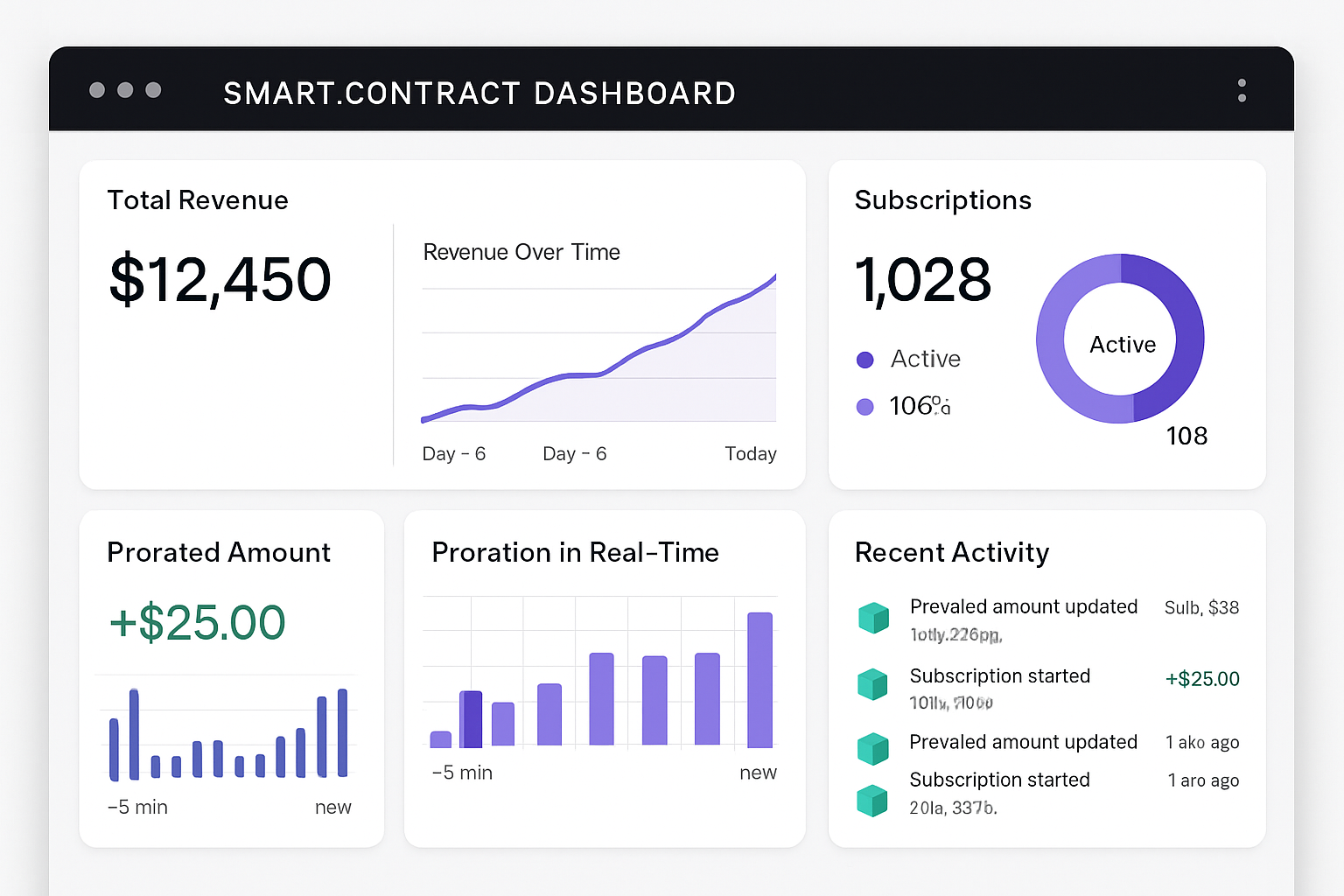
Why Onchain Proration Is the Next SaaS Billing Standard
Traditional SaaS billing systems often struggle with mid-cycle changes. When a user upgrades or downgrades their plan, calculating the exact amount owed can become a manual headache, leading to errors and customer dissatisfaction. Onchain proration solves this by encoding the logic directly into smart contracts, ensuring every billing cycle is accurate, auditable, and enforced by code, not by trust.
Let’s break down the core advantages:
Key Benefits of Onchain Subscription Proration for SaaS
- Fair and Transparent Billing: Smart contracts ensure users are charged only for the exact time or usage of a subscription, especially during mid-cycle upgrades, downgrades, or cancellations. This eliminates disputes and builds trust with customers.
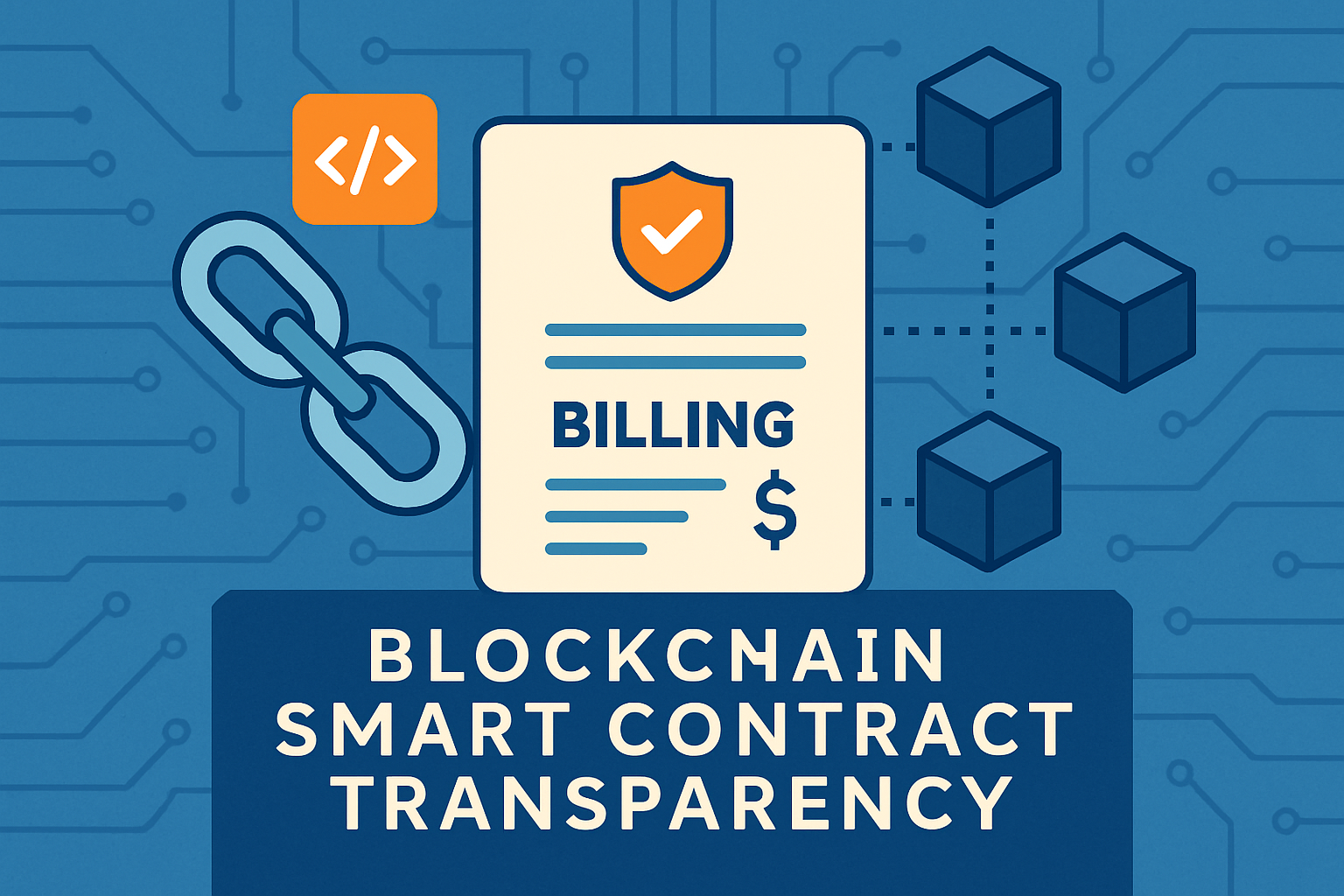
- Automated Proration and Payments: By leveraging Ethereum or EVM-compatible smart contracts, SaaS platforms can automate proration calculations and recurring billing using stablecoins like USDC or USDT, reducing manual errors and operational overhead.
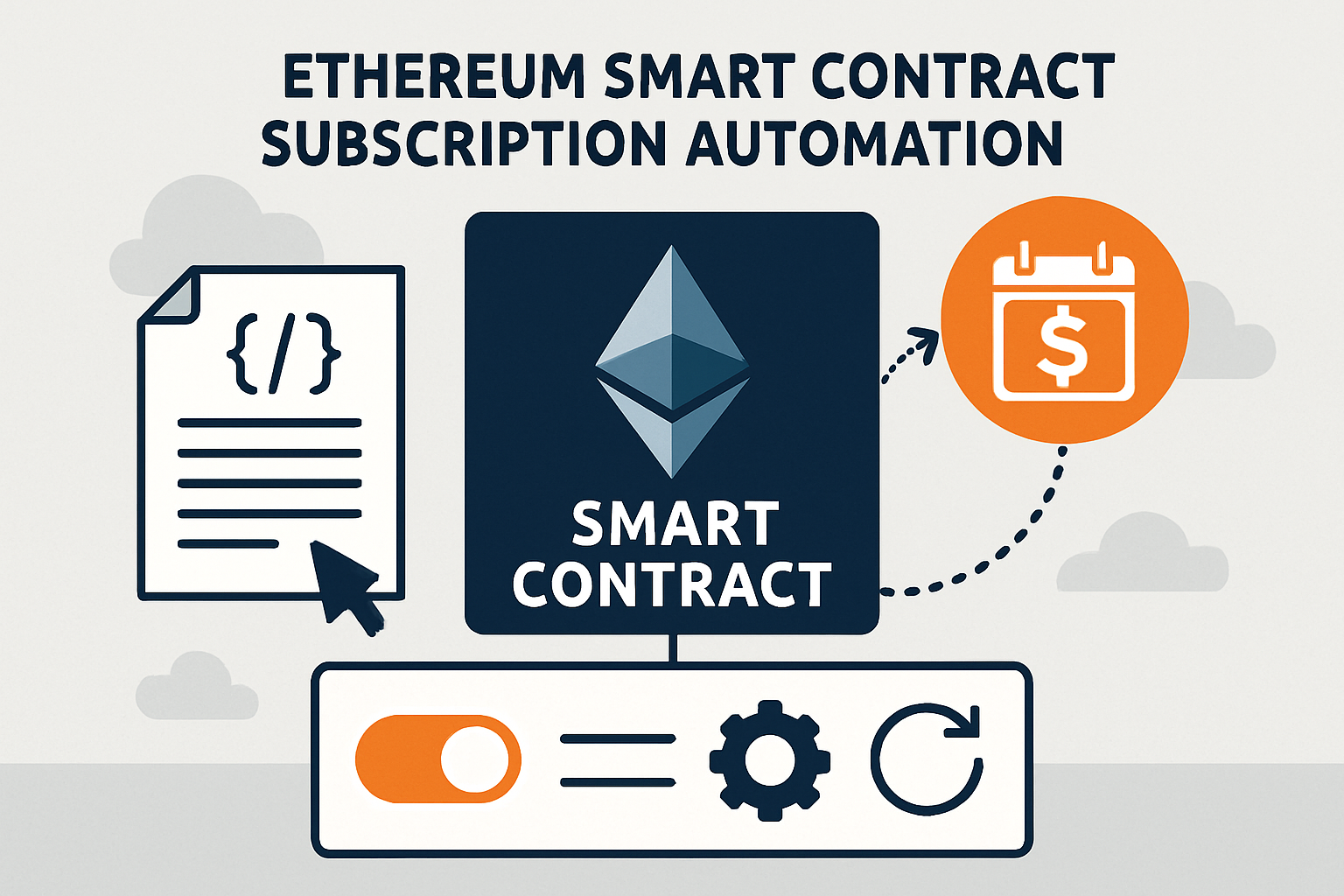
- Immutable and Auditable Records: All subscription transactions and proration adjustments are recorded on-chain, providing a tamper-proof, auditable history that users and auditors can independently verify.

- Enhanced User Experience: Real-time notifications and transparent access to on-chain billing history empower users to easily track, manage, and understand their subscriptions and proration charges.
- Seamless Integration with Major Payment Platforms: Onchain proration systems can integrate with services like Crossmint for credit card payments and Coinbase API Wallets for crypto payments, offering flexibility and convenience to users worldwide.
- Regulatory Compliance and Security: Smart contracts can enforce policy rules automatically and maintain compliance with digital payment regulations, while minimizing the risk of fraud or unauthorized access.

For a deeper dive into the mechanics of proration in Web3 billing, see this practical guide.
Designing Smart Contracts for Prorated SaaS Billing
At the heart of any onchain subscription system is a suite of smart contracts that manage subscription tiers, track user states, and calculate payments. Here’s how to architect these contracts for proration:
- Define Subscription Parameters: Set up your contract with clear plan names, billing frequencies (monthly, quarterly), and pricing. Each parameter should be immutable for historical accuracy but upgradable for future plans.
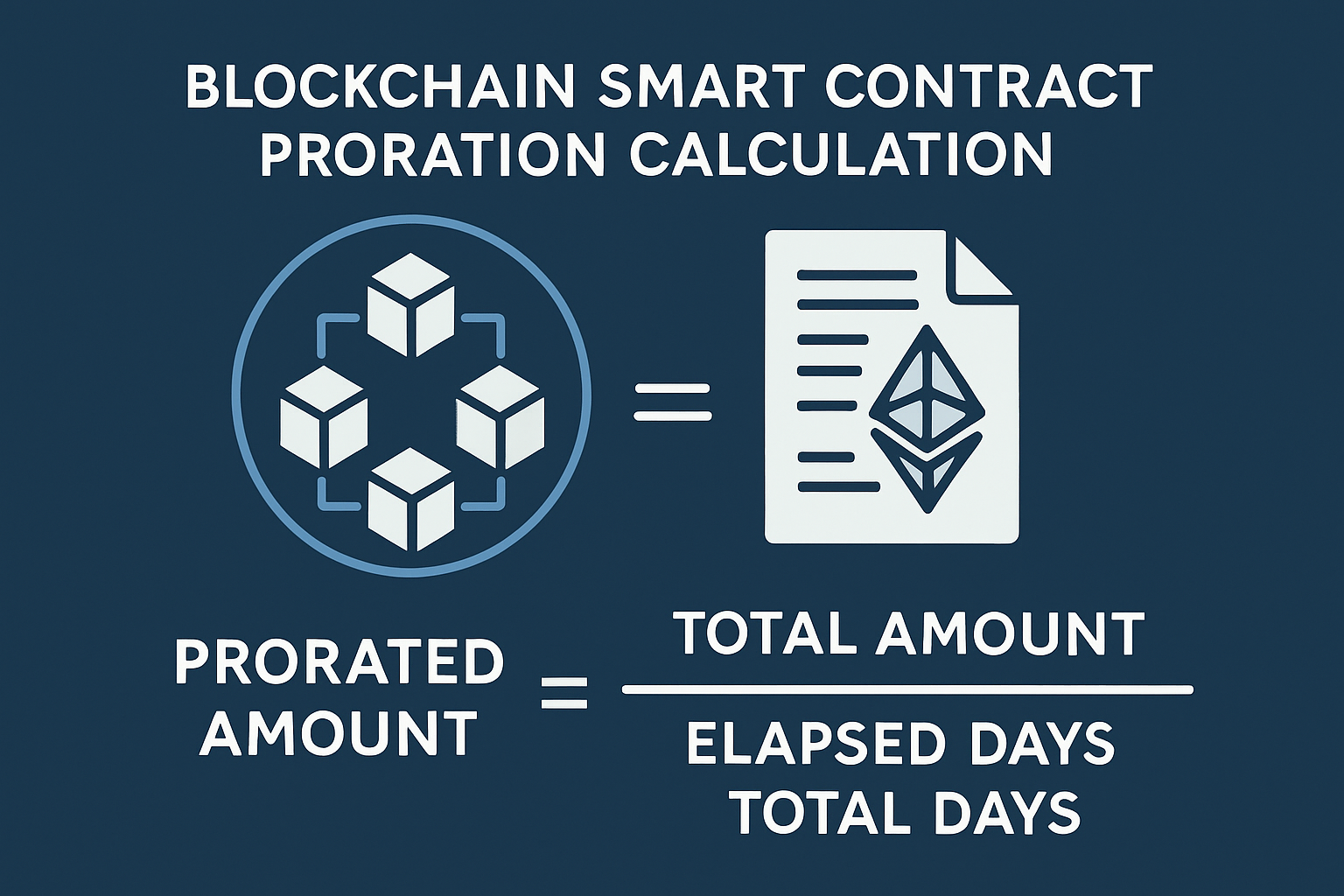
- Embed Proration Logic: Implement functions to calculate the daily rate of each plan. When a user changes their subscription mid-cycle, the contract computes how many days were spent on each plan and sums the prorated charges.
- Integrate Stablecoin Payments: Use stablecoins like USDC or USDT to protect both users and providers from crypto volatility. Require users to pre-authorize token allowances for seamless, automated deductions.
Here’s a high-level example of proration logic in Solidity:
Solidity Function for Prorated Subscription Charge Calculation
To enable precise billing when a user changes their subscription plan mid-cycle, we must prorate charges based on the time spent on each plan. Below is a Solidity function that calculates the prorated charge for a subscription period given the plan prices and the timestamp of the plan change.
// SPDX-License-Identifier: MIT
pragma solidity ^0.8.0;

contract SubscriptionProration {
    // Calculate prorated charge for a plan change
    // @param oldPlanPrice: price of the old plan per period (in wei)
    // @param newPlanPrice: price of the new plan per period (in wei)
    // @param periodStart: timestamp when the current period started
    // @param changeTimestamp: timestamp when the plan was changed
    // @param periodDuration: duration of the billing period in seconds
    // @return charge: total charge for the current period after proration
    function calculateProratedCharge(
        uint256 oldPlanPrice,
        uint256 newPlanPrice,
        uint256 periodStart,
        uint256 changeTimestamp,
        uint256 periodDuration
    ) public pure returns (uint256 charge) {
        require(changeTimestamp >= periodStart, "Change before period start");
        require(changeTimestamp <= periodStart + periodDuration, "Change after period end");

        uint256 timeOnOldPlan = changeTimestamp - periodStart;
        uint256 timeOnNewPlan = periodStart + periodDuration - changeTimestamp;

        uint256 oldPlanCharge = (oldPlanPrice * timeOnOldPlan) / periodDuration;
        uint256 newPlanCharge = (newPlanPrice * timeOnNewPlan) / periodDuration;

        charge = oldPlanCharge + newPlanCharge;
    }
}
This function can be integrated into your smart contract logic to ensure fair and transparent billing for your SaaS users, even when they upgrade or downgrade their plans mid-cycle.
This approach not only eliminates billing ambiguity but also allows every transaction and calculation to be publicly auditable onchain.
Automating Recurring Billing and Notifications
Blockchain recurring billing goes beyond just calculating charges, it’s about creating a frictionless experience for both users and providers. Since smart contracts can’t initiate payments autonomously, you’ll need to design mechanisms (such as scheduled off-chain bots or user-triggered functions) to process payments at the end of each billing cycle. Notifications can be broadcast via onchain events or integrated with off-chain services for real-time updates.
For a comprehensive step-by-step approach, check out this implementation guide.
Ensuring Transparency, Auditability, and User Trust
One of the most powerful features of onchain invoicing is the ability to provide users with a transparent, immutable record of every subscription change and payment. All proration calculations and state changes are stored onchain, making disputes virtually obsolete and empowering users to verify their own billing history.
Here’s a summary of essential features for robust SaaS billing smart contracts:
Essential Features for Onchain SaaS Proration Contracts
- Dynamic Proration Logic: Smart contracts must calculate prorated charges in real time based on actual usage or time elapsed within the billing cycle, ensuring fair billing for upgrades, downgrades, or cancellations.
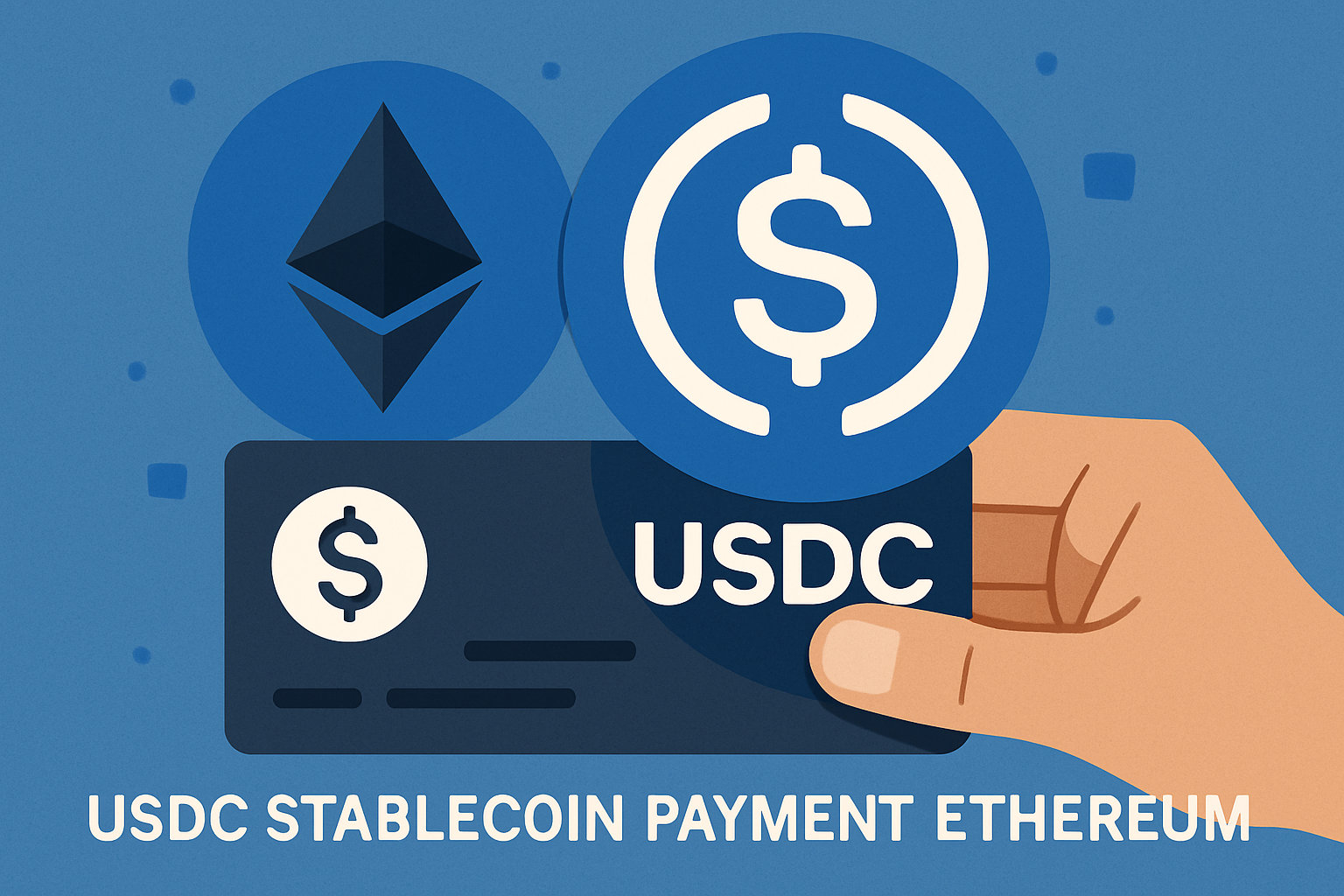
- Stablecoin Payment Support: Integrate major stablecoins like USDC or USDT to provide consistent, volatility-resistant subscription fees and seamless onchain transactions.
- Automated Recurring Billing: Enable automated deduction of subscription fees at each billing interval, utilizing ERC-20 token allowances for secure, pre-authorized payments.

- Onchain Transparency & Auditability: Record all subscription events and proration calculations on-chain, allowing users to verify billing history and ensuring full transparency.

- User Access Control: Leverage smart contracts to enforce access permissions based on each user’s current subscription status, ensuring only eligible users access premium features.

- Real-Time Notifications: Integrate with onchain or offchain notification services (such as Push Protocol) to keep users informed about subscription changes, upcoming payments, and proration adjustments.
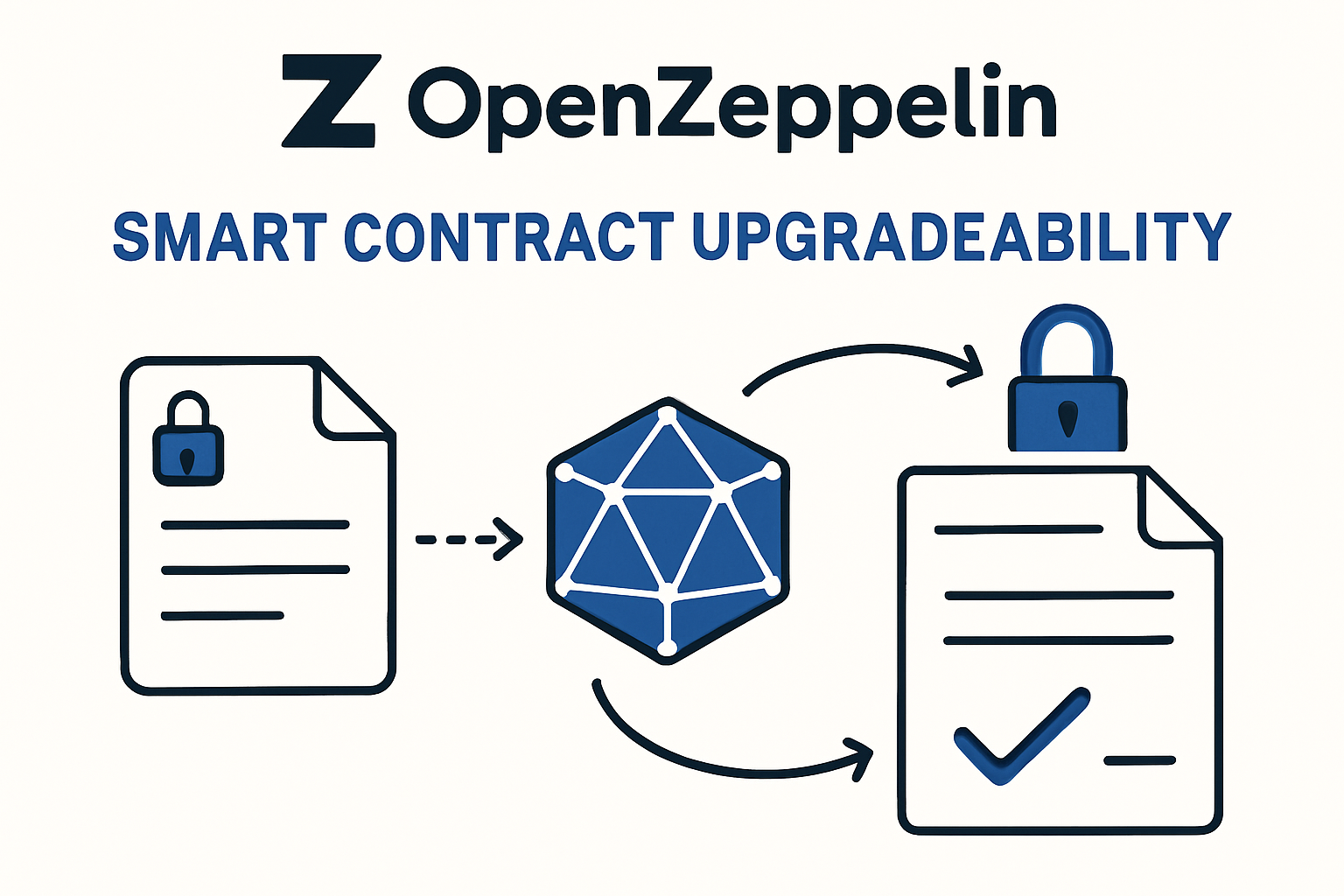
- Comprehensive Testing & Upgradeability: Deploy contracts first on Ethereum testnets (e.g., Sepolia), and design with upgradeability in mind using established frameworks like OpenZeppelin Upgrades.
- Regulatory Compliance Tools: Integrate with established compliance solutions (such as Chainalysis or TRM Labs) to monitor transactions and ensure adherence to digital payment regulations.
To see how this works in practice, explore our detailed breakdown at this guide.
Testing and deployment are critical when moving from design to production. Before launching your onchain subscription proration system, thoroughly audit your smart contracts for edge cases, such as leap years, billing overlaps, or rapid plan changes. Use testnets to simulate user actions and payment flows, ensuring that proration logic operates as intended and that all onchain records remain consistent and accessible.
Pro tip: Always implement circuit breakers and upgrade paths in your contracts to adapt to evolving business requirements or emerging vulnerabilities without disrupting user subscriptions.
Optimizing User Experience for Onchain SaaS Billing
Onchain solutions can be intimidating for mainstream SaaS users. A seamless interface is essential. Your dApp should allow users to:
- View active subscriptions, billing cycles, and upcoming charges
- Understand proration adjustments in real time
- Effortlessly upgrade, downgrade, or cancel plans with clear, onchain confirmations
Integrating wallet connectors, fiat-on-ramps, and clear transaction histories can bridge the UX gap between Web2 and Web3 billing. For added transparency, display proration calculations and onchain invoices directly within the dashboard, empowering users to verify billing details independently.
Monitoring, Compliance, and Continuous Improvement
After deployment, continuous monitoring is vital. Use analytics to track subscription churn, revenue leakage, and proration frequency. Smart contract upgradability, whether via proxy patterns or modular architectures, enables you to respond to regulatory changes or business pivots without downtime.
Compliance is non-negotiable. As digital payment regulations evolve, ensure your onchain invoicing and recurring billing processes align with local and global standards. This not only protects your business but also instills confidence in your user base.
Real-World Impact and Future Outlook
Onchain subscription proration is more than a technical upgrade, it’s a paradigm shift in SaaS billing. By automating fairness, transparency, and auditability, you unlock new revenue models for decentralized platforms and offer users an unprecedented level of trust. As the ecosystem matures, expect to see deeper integrations with decentralized identity, cross-chain payment rails, and even AI-driven billing optimizations.
For further technical deep dives, including advanced proration scenarios and cross-chain subscription strategies, explore this practical guide.
Onchain subscription proration is poised to become the gold standard for SaaS and Web3 businesses seeking precision, automation, and user trust. By following the outlined steps and leveraging robust smart contract frameworks, you can future-proof your billing infrastructure and deliver a superior experience to your customers.




No comments yet. Be the first to share your thoughts!