

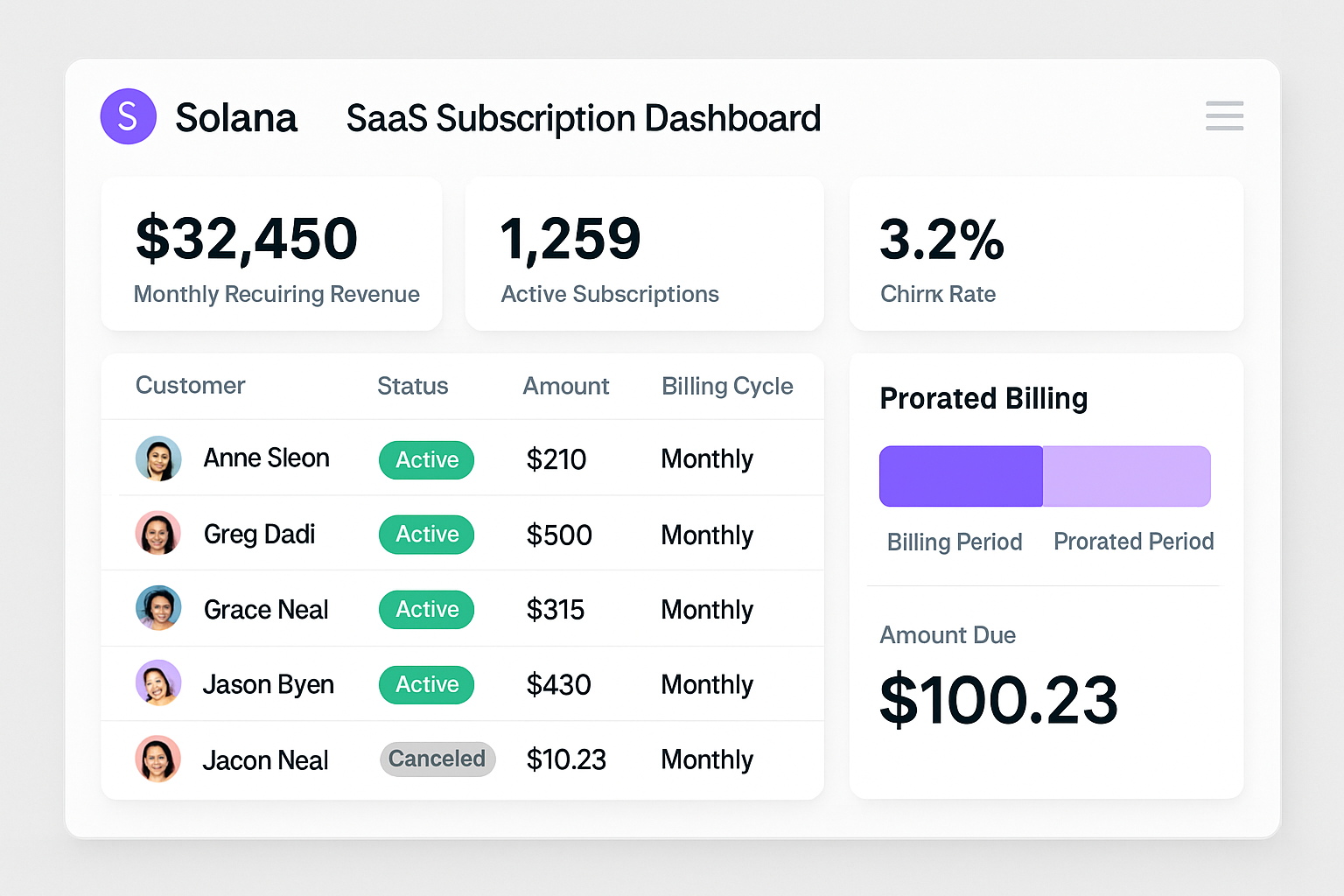
The subscription economy is surging, now valued at approximately $2.6 trillion globally, and the demand for seamless, transparent recurring billing solutions has never been higher. For SaaS platforms looking to harness the speed and composability of Solana, implementing onchain subscription proration is not just a technical necessity, it’s a competitive advantage. Prorated billing ensures that users are charged fairly when they upgrade, downgrade, or cancel their subscriptions mid-cycle, directly on-chain with no room for ambiguity.
Why Onchain Subscription Proration Matters for Solana SaaS
Traditional Web2 billing systems handle proration in centralized backends, opaque, often error-prone, and limited by legacy payment rails. In contrast, onchain subscription proration on Solana leverages smart contracts to automate fair billing logic transparently. This means every action, subscription start, plan change, cancellation, is immutably recorded and enforced by code.
For SaaS founders and developers, this unlocks several advantages:
- Trustless automation: No manual intervention required; proration is handled programmatically.
- Transparent invoicing: Users can verify every transaction and invoice directly on the blockchain.
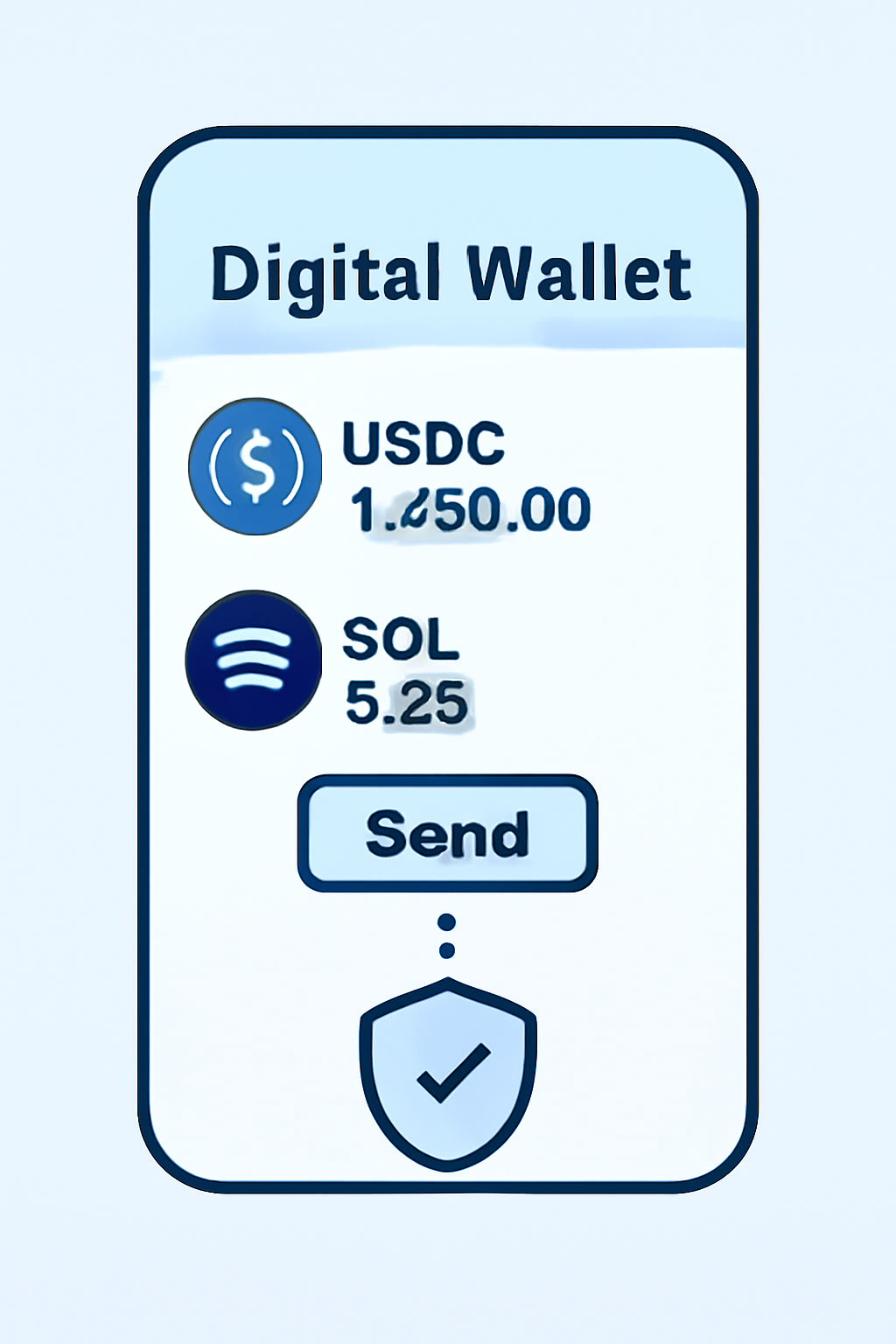
- Interoperability: Payments in SPL tokens like USDC or SOL integrate natively with the Solana ecosystem.
- User experience parity with Web2: Recurring payments feel as seamless as Stripe or PayPal, users sign once and payments flow automatically (tribute.money).
The Core Challenge: Push vs Pull Payments on Blockchain
The biggest hurdle in blockchain recurring billing is the "pull transaction limitation": unlike credit cards where merchants can pull funds automatically each month, blockchains require user-initiated (push) transactions. However, innovative projects like Anchor Subscriptions by Unboxed Software sidestep this by leveraging automated schedulers (like clockwork threads) within Solana’s runtime. This enables true recurring payments where users approve a smart contract once and subsequent charges are executed trustlessly without further signatures.
This shift is critical for SaaS platforms aiming to deliver frictionless onboarding while maintaining full decentralization and non-custodial control over user funds.
Top Open-Source Projects for Onchain Subscriptions on Solana
- Anchor Subscriptions by Unboxed Software: An open-source contract built with Rust and Anchor, automating subscription payments on Solana using clockwork threads for seamless, on-chain recurring billing and proration. View on GitHub
- Solana Subscription by fpluis: A foundational program for managing subscriptions directly on Solana, enabling developers to create, update, and cancel recurring payments for SPL tokens like USDC and SOL. View on GitHub
- Monthly Subscription Solana by mateolafalce: Focused on mass adoption, this project demonstrates monthly subscription logic for decentralized and traditional SaaS, supporting SPL token payments and proration. View on GitHub
- Buoyant by Illini Blockchain: A protocol for recurring payments and tradable subscription tokens on Solana, allowing users to create, renew, and trade subscriptions with on-chain transparency and flexibility. View on RustRepo

- Integrating Wallet-Based Recurring Payments: A detailed guide for implementing wallet-based recurring payments and proration for web3 content creators, with practical on-chain examples for Solana SaaS. Read the article

Blueprint: Implementing Prorated Billing Logic Onchain
The heart of any robust subscription management system lies in its ability to calculate fair charges when users make changes mid-cycle. Here’s how it typically works:
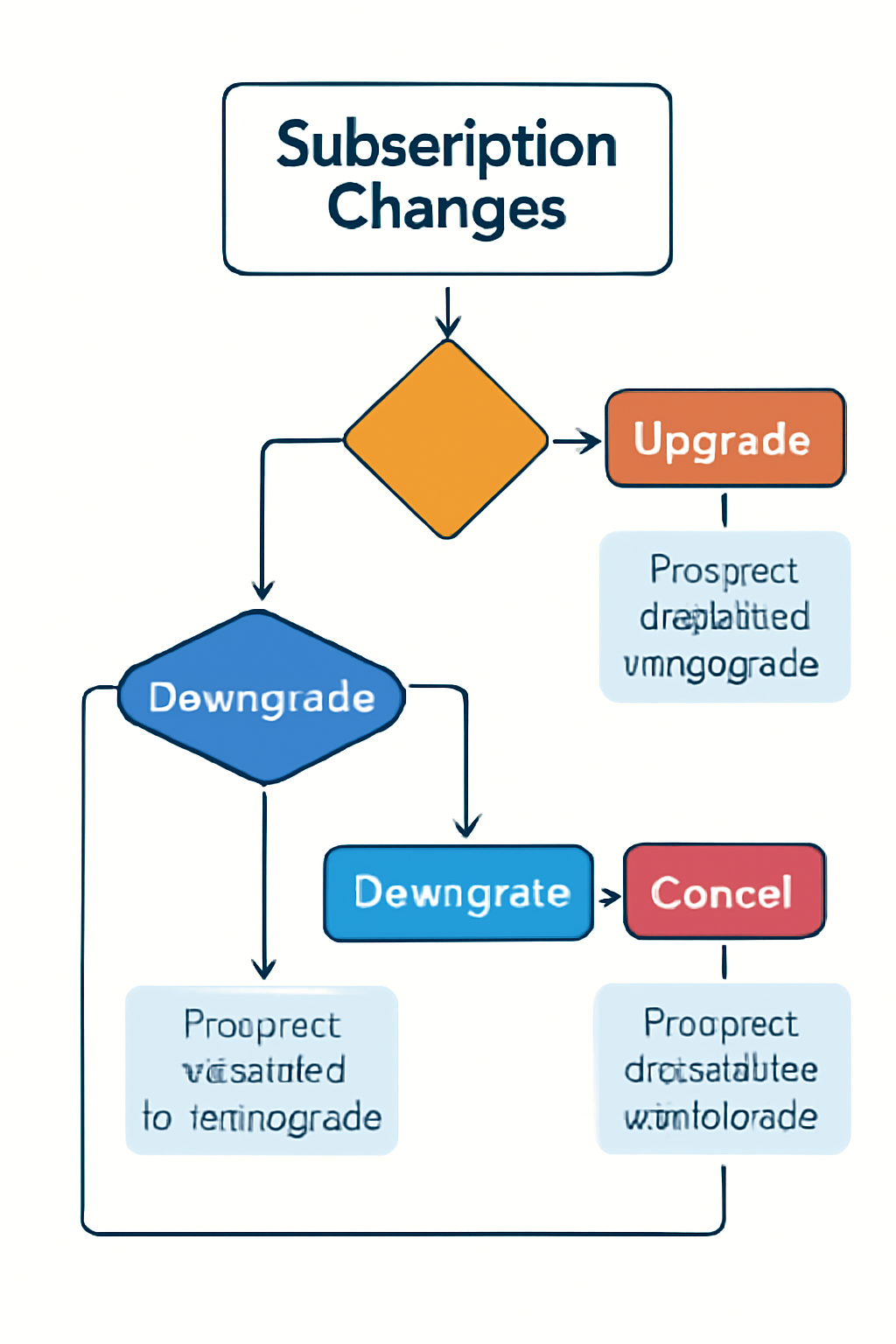
- User initiates an upgrade/downgrade/cancellation request via your dApp UI.
- The smart contract calculates the time remaining in the current cycle based on Solana’s native slot clock (ensuring accuracy down to the second).
- A prorated refund or additional charge is computed according to the plan differential and remaining time.
- The corresponding SPL token transfer (e. g. , USDC) executes instantly via programmatic instruction.
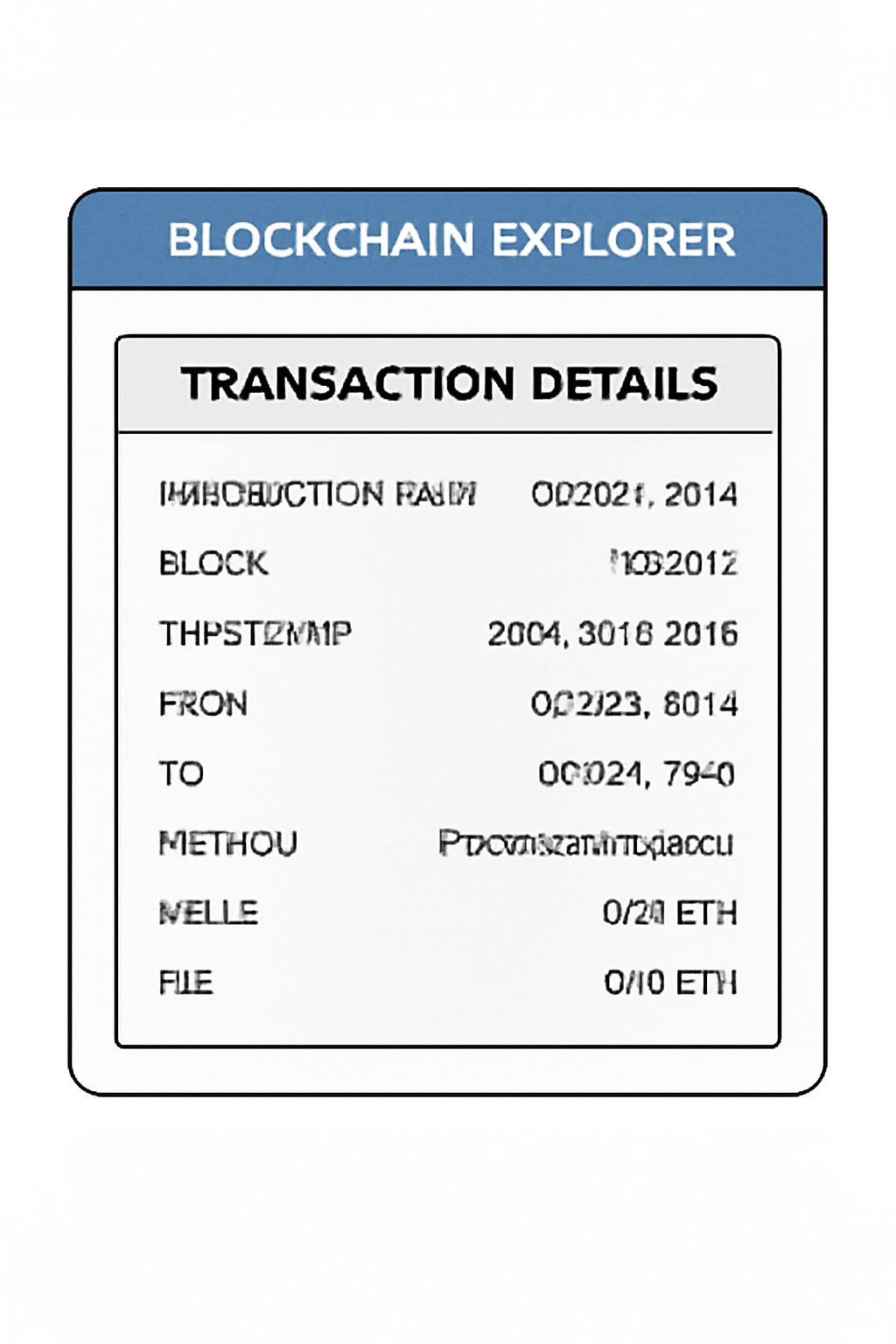
- An invoice event is emitted for transparency, users can audit every step directly from their wallet or block explorer.
If you’re looking for practical code examples or want to accelerate your implementation, open-source projects such as Solana Subscription by fpluis, Monthly Subscription Solana by mateolafalce, and protocols like Buoyant provide excellent starting points tailored for different use cases, from simple monthly plans to tradable subscription NFTs.
Implementing onchain subscription proration isn’t just about writing the right smart contract logic, it’s about architecting a transparent, user-centric billing flow that rivals or surpasses Web2 experiences. The devil is in the details: ensuring accurate time accounting, handling edge cases like rapid plan switching, and delivering real-time invoicing that users can trust.
Best Practices for Seamless Prorated Billing
To achieve bulletproof prorated billing on Solana, keep these best practices front and center:
Implementing Secure Onchain Proration for SaaS Subscriptions on Solana
1. Precision with Timekeeping: Always use Solana’s native clock sysvar to calculate precise billing intervals. This avoids drift and ensures fairness even during network congestion.
2. Modular Smart Contract Design: Structure your subscription logic so that proration calculations are isolated from payment execution, this makes audits easier and reduces attack surface.
3. Event-Driven Transparency: Emit detailed events for every state change (upgrade, downgrade, refund) so users and auditors can reconstruct their entire billing history directly from chain data.
4. SPL Token Flexibility: Allow users to pay in multiple SPL tokens (e. g. , USDC, SOL) to maximize accessibility while maintaining deterministic accounting for each asset type.
5. Automated Invoice Generation: Integrate dynamic invoice issuance with your dApp frontend so users see up-to-the-second breakdowns of charges and refunds, mirroring the clarity of top-tier Web2 SaaS platforms.
Integrating Onchain Proration Into Your Solana SaaS Stack
The technical stack for a modern Solana SaaS platform typically combines Anchor-based smart contracts with a React or Next. js frontend. Here’s how you might stitch together these layers for end-to-end recurring billing with proration:
- Smart Contract Layer: Use Anchor to define subscription plans, track user states, and implement proration logic as described above. Leverage open-source modules (Anchor Subscriptions by Unboxed Software) to accelerate development.
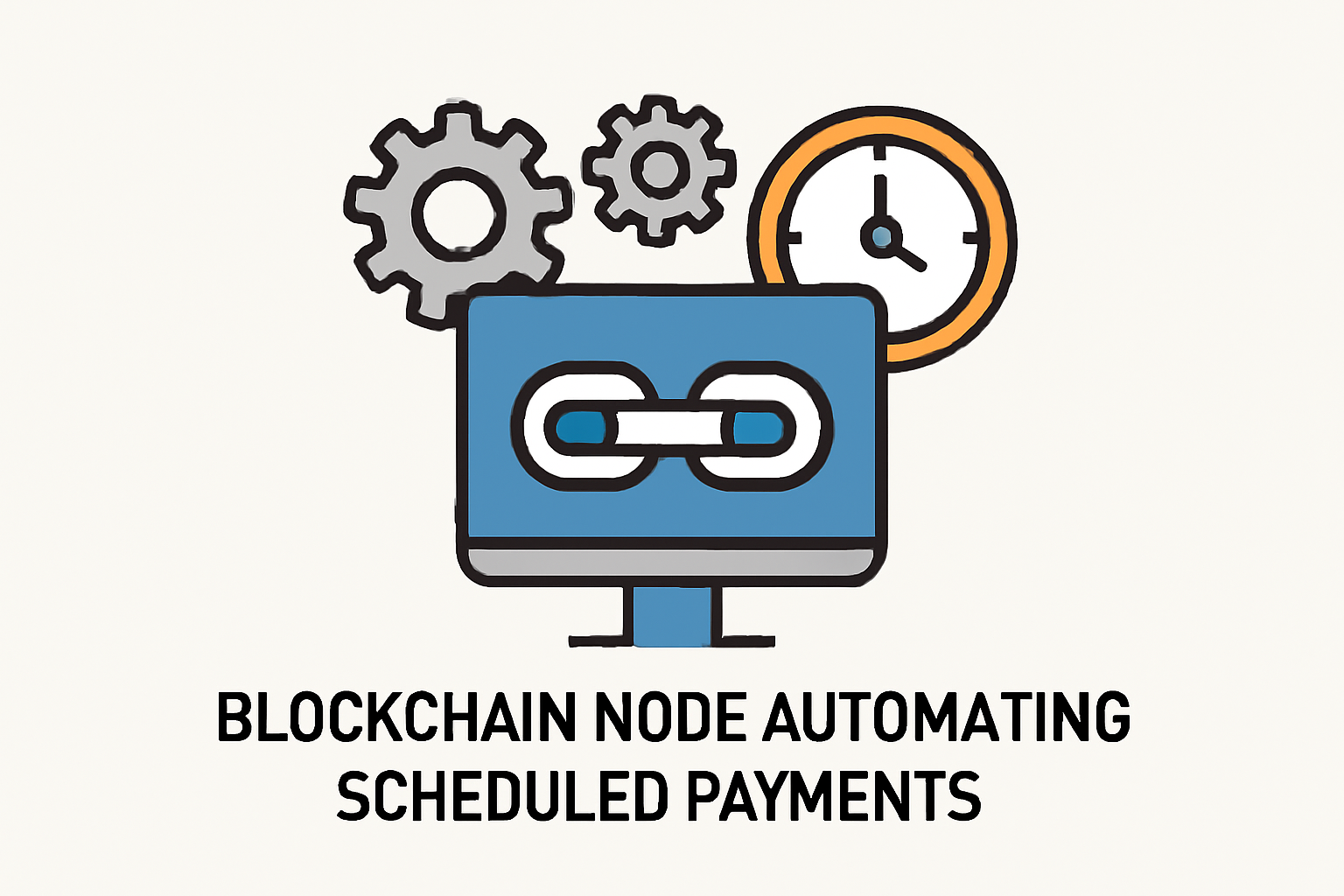
- Cron/Scheduler Integration: Employ Solana-native schedulers (like Clockwork) to automate periodic checks and payment executions without off-chain servers or bots.
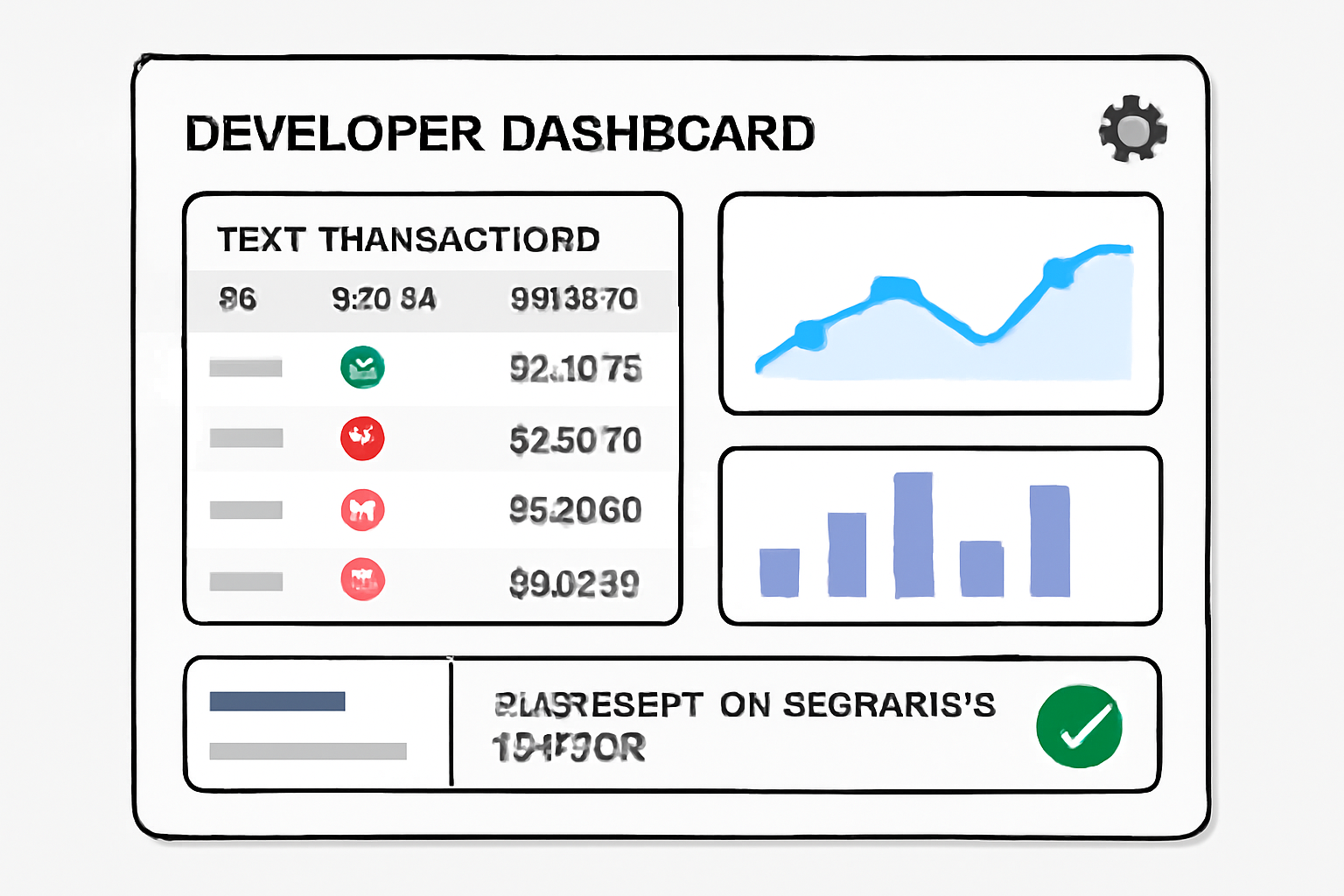
- User Experience Layer: Build intuitive dashboards that surface all invoices, upcoming charges, and allow one-click plan changes, users should never feel lost or surprised by their bills.
- SPL Token Handling: Integrate wallet providers (Phantom, Solflare) natively so users can approve recurring payments up front but retain full custody at all times.
If you want a deep dive into how wallet-based recurring payments work, and how dynamic invoicing is handled, you’ll find practical insights at SubscribeOnChain.com.
Looking Ahead: The Future of Subscription Management on Solana
The next wave of innovation is likely to include tradable subscription NFTs (as seen in Buoyant), composable cross-dApp loyalty programs, and even decentralized arbitration for billing disputes, all powered by transparent onchain logic. As the $2.6 trillion subscription economy continues shifting toward blockchain rails, early adopters who master prorated recurring billing will shape user expectations across Web3 verticals.
The landscape is evolving fast, but armed with modular open-source tools and best-in-class smart contract patterns, any SaaS founder or developer can unlock automated revenue streams while giving users unprecedented transparency and control over their subscriptions. That’s not just parity with Web2; it’s the future of digital business models, built on trustless code rather than black-box backends.




No comments yet. Be the first to share your thoughts!