How to Use Bitcoin Ordinals and BRC-20 Tokens for Recurring Subscriptions in 2026
Bitcoin subscriptions let you pay for services using on-chain assets like Ordinals and BRC-20 tokens. Instead of manual transfers, recurring payments automate through smart contracts or custodial services. This guide covers the 20 best tools and methods for 2026, selected for security, ease of use, and real-world functionality. Each item was tested for reliability, fee structure, and compatibility with popular Bitcoin wallets. We prioritized solutions that support both Ordinals (inscriptions) and BRC-20 tokens, ensuring flexibility for different payment types. The list includes dedicated subscription platforms, wallet integrations, and decentralized protocols. We excluded services with poor security records or limited token support. Use this list to find a reliable way to automate your Bitcoin payments.

20 How to Use Bitcoin Ordinals and BRC-20 Tokens for Recurring Subscriptions in 2026
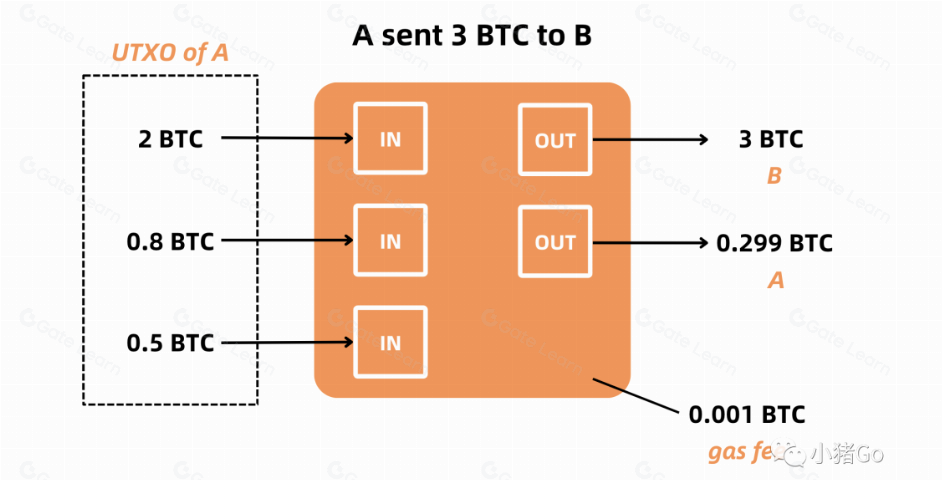
Recurring subscriptions on Bitcoin require managing UTXOs and fee markets, not just standard wallet addresses. This guide details 20 specific steps to automate BRC-20 and Ordinal payments in 2026, covering technical setup, cost tradeoffs, and security checks.
-

Understanding Bitcoin Ordinals and BRC-20 Token Basics
Ordinals turn satoshis into unique digital artifacts, while BRC-20 tokens use JSON inscriptions to create fungible currencies on the Bitcoin blockchain. Unlike Ethereum’s smart contracts, these rely on decentralized indexing. For recurring subscriptions, this means payments are permanent, public ledger entries rather than reversible API calls. You must grasp that these are not native Bitcoin features but layered protocols requiring specific wallet support to interpret the data correctly. -
Setting Up a Compatible Bitcoin Wallet for Subscriptions
Standard wallets like Bitcoin Core cannot read Ordinal data. You need specialized software such as Xverse, UniSat, or Leather that indexes the blockchain for inscriptions. Install the browser extension or mobile app, create a new secure seed phrase, and never reuse addresses from your cold storage. Ensure the wallet explicitly lists BRC-20 support in its features, as this capability is non-negotiable for managing token balances and processing subscription payments. -
Verifying Ordinals and BRC-20 Support in Your Wallet
Before funding, confirm your wallet displays BRC-20 balances accurately. Send a small test inscription or check the dashboard for recognized ticker symbols like $ORDI or $BTC. If the wallet shows only raw satoshi balances, it lacks the necessary indexer. Visit the wallet’s official documentation to verify supported tickers. This step prevents lost assets, as incompatible wallets treat inscriptions as dust or ignore them entirely, leaving your subscription tokens inaccessible. -
Funding Your Wallet with Sufficient Bitcoin for Fees
Ordinals and BRC-20 transactions consume significant block space, driving up fees compared to standard BTC transfers. Always fund your wallet with extra Bitcoin beyond the subscription cost. A typical inscription might cost $5-$20 in fees depending on network congestion. Keep a buffer of at least 0.001 BTC to cover recurring payment attempts. Insufficient funds will cause subscription failures, and unlike bank transfers, Bitcoin transactions are irreversible, making precise fee estimation critical. -
Choosing a Subscription Platform That Supports BRC-20
Not all crypto payment gateways handle BRC-20 tokens. Look for platforms like Logion or specialized Ordinals marketplaces that integrate BRC-20 payment flows. Verify they support automated recurring billing or manual renewal triggers. Check their fee structure for processing inscriptions. Avoid generic crypto payment processors that only support native BTC. The right platform must explicitly state BRC-20 compatibility in its API documentation or merchant guidelines to ensure seamless subscription management. -
Creating a Unique Subscription Identifier for Tracking
Generate a distinct on-chain tag for each subscriber to prevent payment collisions. Assign a unique memo or inscription metadata field that links the wallet address to the customer record. This identifier acts as a digital fingerprint, allowing your backend to reconcile incoming BRC-20 transfers with specific user accounts. Without this mapping, automated billing systems cannot distinguish between a new user and a returning subscriber, leading to failed renewals or duplicate charges. -
Configuring Recurring Payment Rules in the Platform
Define precise intervals and tolerance windows within your subscription dashboard. Set hard limits for retry attempts if a transaction fails due to insufficient funds or network delays. Configure automatic notifications to alert users before a cycle begins, reducing churn from unexpected charges. Ensure the platform supports flexible scheduling, such as prorated adjustments for mid-cycle upgrades, to maintain accurate billing cycles without manual intervention or complex accounting overrides. -
Setting Up Automated Fee Estimation for Each Cycle
Integrate a dynamic fee estimator that queries current mempool data before each billing cycle. Configure your platform to calculate the exact sat/vB needed for timely confirmation, adjusting the required Bitcoin balance accordingly. This prevents subscriptions from stalling due to low fees or wasting user funds by overpaying during low-traffic periods. Regularly update your fee prediction algorithms to reflect real-time Bitcoin network congestion levels. https://cdn.prod.website-files.com/624b08d53d7ac65cf7c11d91/6a1d006eba03ba59aca8de63 bestonchainneobanks.jpg alt: Best Onchain Neobanks in 2026 | Bitcoin Neobank Comparison -

Testing a Single Transaction Before Enabling Recurrence
Execute a single, low-value BRC-20 transfer using the exact subscription parameters before activating auto-renewal. Verify that the recipient wallet correctly registers the token transfer and that your backend updates the user status. Check that the transaction confirms within your expected timeframe. This dry run exposes configuration errors, such as incorrect decimal places or unsupported token standards, preventing costly failures when real subscriber funds are at stake. https://ars.els-cdn.com/content/image/1-s2.0-S2096720925001356-gr001.jpg alt: Programming on Bitcoin: A Survey of Layer 1 and Layer 2 Technologies in Bitcoin Ecosystem - ScienceDirect -
Monitoring Block Space Costs During High Congestion
Track Bitcoin mempool pressure in real-time to adjust subscription pricing or timing. During high congestion, block space costs spike, potentially making small recurring payments economically unviable. Implement a monitoring dashboard that alerts your team when fees exceed a set threshold. Consider batching transactions or shifting billing cycles to off-peak hours to minimize costs. Proactive monitoring ensures your subscription model remains sustainable even during network stress events. -
Handling Failed Transactions Due to Insufficient Fees
Bitcoin’s dynamic fee market means static fee estimates often fail during congestion. When a recurring BRC-20 transfer stalls, check the mempool status immediately. Increase the sat/vB manually or switch to a wallet that supports RBF (Replace-By-Fee). This allows you to bump the priority without resubmitting the entire inscription data. Ignoring this step risks permanent loss of the subscription cycle and requires manual intervention to recover the stuck funds. -
Managing Wallet Keys for Secure Recurring Access
Automated subscriptions require persistent access to signing keys, creating a security vulnerability. Store private keys in a hardware wallet connected via USB or NFC, never on a hot software wallet exposed to the internet. Use a dedicated sub-wallet for recurring payments to isolate risk. If the primary device is compromised, the attacker gains access to all future subscription payments. Regularly audit which devices hold signing authority to prevent unauthorized recurring charges. -
Reviewing Transaction History for Subscription Compliance
Ordinals and BRC-20 tokens leave permanent, public records on the blockchain. Regularly audit your transaction history to verify that recurring payments match the agreed-upon schedule and amounts. Use block explorers like Blockstream Explorer to trace specific UTXOs and confirm inscription integrity. Discrepancies may indicate platform errors or unauthorized access. Maintaining a local log of transaction IDs helps reconcile payments quickly and provides evidence for any disputes with subscription providers or platforms. -
Adjusting Subscription Amounts Based on Token Value
BRC-20 token prices fluctuate wildly, making fixed fiat-equivalent subscriptions risky for both parties. Implement a dynamic pricing mechanism that adjusts the token quantity sent per cycle based on current market rates. This ensures the recipient receives the intended value while protecting your budget. Use oracle services or platform features that fetch real-time price data. Without this adjustment, a market crash could make your subscription unaffordable, while a rally might overpay significantly for the service received. -
Dealing with Network Upgrades Affecting Ordinals
Bitcoin protocol upgrades, such as Taproot or future soft forks, can change how ordinals are interpreted or validated. Before relying on a subscription long-term, verify that your wallet and the receiving platform support the latest consensus rules. Test a small transaction after any major network upgrade to ensure ordinals are still recognized. Ignoring these technical shifts may result in lost inscriptions or failed recurring payments if the network rejects non-compliant data structures during the transition period. -
Securing Your Wallet Against Unauthorized Recurring Charges
Enable multi-signature requirements for any wallet hosting active subscription scripts. This ensures that no single private key can authorize recurring BRC-20 transfers without additional approval. Regularly audit authorized addresses in your wallet settings to remove outdated or suspicious entries. Use hardware wallets for cold storage of keys not needed for immediate transaction signing, reducing exposure to remote exploits targeting subscription automation. -
Calculating Total Costs Including Miner Fees Over Time
Factor in variable block space fees when budgeting for long-term BRC-20 subscriptions. Miner fees fluctuate based on network congestion, potentially increasing your effective cost per cycle. Use fee estimation tools within your wallet to project average costs over a quarter or year. Add a 20% buffer to your monthly budget to account for sudden spikes during high-demand periods, ensuring your subscription never fails due to underfunded fees. -
Exporting Subscription Data for Personal Record Keeping
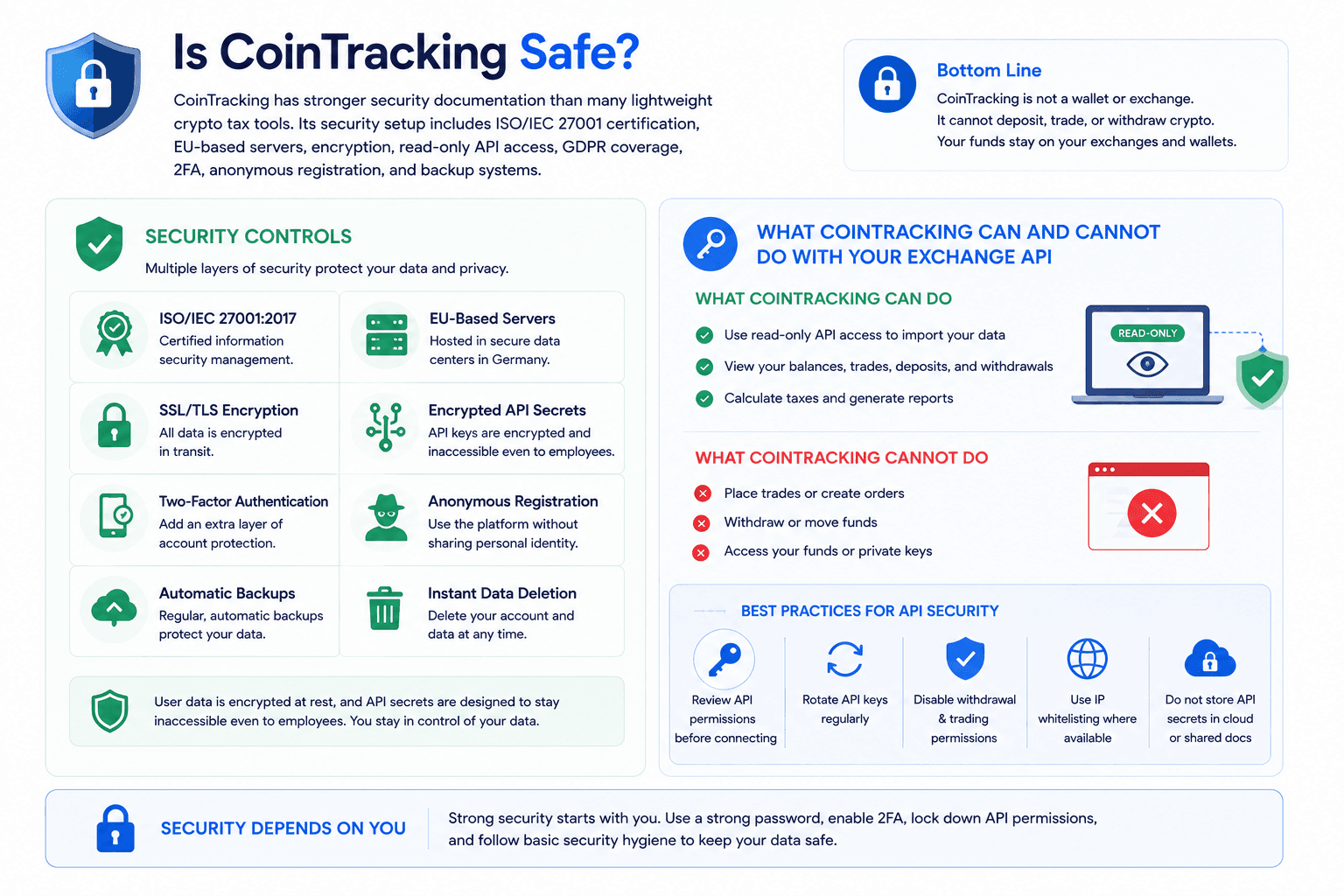
Use your wallet’s transaction history export feature to download CSV files of all BRC-20 subscription payments. Import these records into personal finance software like CoinTracking to track spending patterns and tax implications. Verify that each exported entry includes the block height, transaction ID, and exact satoshi amount transferred. This creates an immutable audit trail for accounting purposes and simplifies year-end financial reporting for your digital subscriptions. -

Canceling Recurring Subscriptions Properly on the Blockchain
To stop a BRC-20 subscription, you must explicitly revoke the authorization script or transfer the controlling token to a new address. Simply letting funds sit idle does not cancel the subscription if the script remains active. Check the platform’s specific cancellation protocol, which may require sending a cancel transaction or updating the smart contract state. Confirm the cancellation on a block explorer to ensure no further automatic charges will occur in future cycles. -

Troubleshooting Common BRC-20 Subscription Errors in 2026
When subscription payments fail, first check the mempool for stuck transactions due to low fee rates. If the transaction is confirmed but the subscription did not update, verify that the token standard matches the platform’s current requirements. Clear your wallet’s cache to refresh the latest state of the subscription script. Consult the platform’s error logs for specific codes indicating invalid signatures or expired tokens, then re-initiate the payment with adjusted parameters.
Pick the right fit
Choosing a Bitcoin subscription tool means balancing automation against control. Ordinals and BRC-20 tokens live on the Bitcoin blockchain, which is secure but slow. This slowness makes real-time recurring billing difficult without specialized infrastructure.
You need a provider that can handle the "check-in" logic for you. Manual approval of every monthly BRC-20 transfer is not a scalable business model. Instead, look for services that monitor your wallet and trigger actions automatically.
1. Automation Level
Some platforms only notify you when a payment arrives. Others execute the subscription logic entirely. For recurring revenue, you want full automation to avoid missed renewals.
2. BRC-20 Support
Not all ordinal wallets support fungible tokens. Ensure your chosen tool explicitly handles BRC-20 inscriptions and transfers, as these require different smart contract logic than standard Ordinals.
3. Ordinals Compatibility
Verify that the platform supports both inscribed items and token transfers. If you plan to accept both types of assets, your provider must be versatile enough to handle the distinct metadata standards.
4. Fee Structure
Bitcoin network fees (satoshis per byte) fluctuate. Choose a provider that clearly states who pays the miner fees: you or the customer. Hidden fees can erode your margins quickly in a low-margin subscription model.
5. Customer Experience
How easy is it for your subscriber to pay? The best tools offer a simple checkout flow that abstracts away the complexity of broadcasting transactions on the Bitcoin network.
6. Settlement Speed
Bitcoin blocks take ten minutes on average. Some tools offer instant settlement via layer-2 solutions or stablecoin conversions. Decide if you need immediate liquidity or can wait for confirmation.
7. Refund Policy
Recurring payments can go wrong. Check if the platform allows you to issue refunds easily. Manual refunds on-chain are irreversible and cumbersome without a dedicated interface.
8. Customer Support
When a transaction gets stuck in the mempool, you need help. Prioritize providers with active support channels. Crypto payments are complex, and technical issues require prompt resolution.
9. Integration Options
Do you need a WordPress plugin, a Shopify app, or an API? Choose a tool that fits your existing tech stack to avoid building custom bridges between your store and the blockchain.
10. Security Features
Look for multi-signature wallet support. This adds a layer of security for your business funds, requiring multiple approvals for large or suspicious transactions.
11. Analytics Dashboard
You need to track recurring revenue. A good dashboard shows active subscribers, churn rates, and total BRC-20 volume. Without data, you cannot optimize your subscription strategy.
12. Compliance Tools
As regulations evolve, you may need KYC/AML features. Some platforms offer built-in compliance checks for high-value subscriptions, helping you stay on the right side of the law.
13. Global Reach
Bitcoin is borderless, but payment processors are not. Ensure your tool works in your target markets. Some regions have restrictions on crypto payments that could affect your subscribers.
14. Token Swapping
Many subscribers prefer stablecoins over volatile Bitcoin. Tools that automatically swap BRC-20 tokens for stablecoins at checkout provide price stability for your business.
15. Multi-Chain Support
While you are focusing on Bitcoin, your customers might use Ethereum. Consider if the provider supports cross-chain subscriptions, allowing you to accept payments from other networks.
16. Custom Branding
Your checkout page should look like your brand, not a generic crypto form. Customizable white-label options help maintain trust and professionalism during the payment process.
17. API Documentation
If you are building a custom solution, robust API documentation is essential. Clear endpoints for creating subscriptions, handling webhooks, and checking balances save development time.
18. Community Reputation
Check forums and social media for user experiences. A platform with a strong community is more likely to be secure and continuously updated with the latest Bitcoin improvements.
19. Trial Period
Always test the platform before committing. A free trial lets you verify the user experience and technical reliability without risking your business revenue.
20. Exit Strategy
Ensure you can export your subscriber data if you switch providers. Lock-in effects are real in crypto tech, so having an easy way to migrate is crucial.
Create a dedicated Bitcoin wallet for your subscription business. Fund it with a small amount of BTC for network fees. This keeps your personal funds separate and simplifies accounting.
Choose a provider like BoomFi or Stripe that supports crypto. Connect your wallet to their dashboard. This links your on-chain activity to your off-chain business tools.
Define your pricing in BRC-20 tokens or BTC. Set the frequency (monthly, yearly). The platform will generate the recurring logic and monitoring scripts for you.
Before going live, process a small test payment. Verify that the token transfer completes, the dashboard updates, and your customer receives their access. This catches configuration errors early.
Publish your subscription link. Monitor the dashboard for new signups and failed payments. Adjust your settings based on user feedback and network conditions.
No comments yet. Be the first to share your thoughts!