
Bitcoin ordinals 2026
This guide focuses on using Bitcoin Ordinals and BRC-20 tokens to build direct creator subscriptions. We selected these methods because they allow creators to bypass traditional payment processors and keep the full value of their community support. The criteria for inclusion prioritize on-chain transparency, low barrier to entry for fans, and reliable infrastructure that works within Bitcoin’s current network constraints.
We evaluated the options based on three practical factors: wallet compatibility, transaction cost, and metadata permanence. Only tools that support standard Ordinals indexing and BRC-20 transfer protocols made the cut. We excluded platforms that rely on external layer-2 chains for core functionality, as the goal is to leverage Bitcoin’s native security. The following 20 items represent the most effective workflows for launching and managing these subscriptions in 2026.
20 2026 guide: How to Use Bitcoin Ordinals and BRC-20 Tokens for Direct Creator Subscriptions
Bitcoin Ordinals and BRC-20 tokens enable creators to monetize directly on-chain, bypassing traditional platform fees. This guide details the 20 specific steps to deploy these tools for subscriptions in 2026, covering wallet setup, inscription mechanics, and fee optimization.
-

Understanding Bitcoin Ordinals and BRC-20 Token Basics
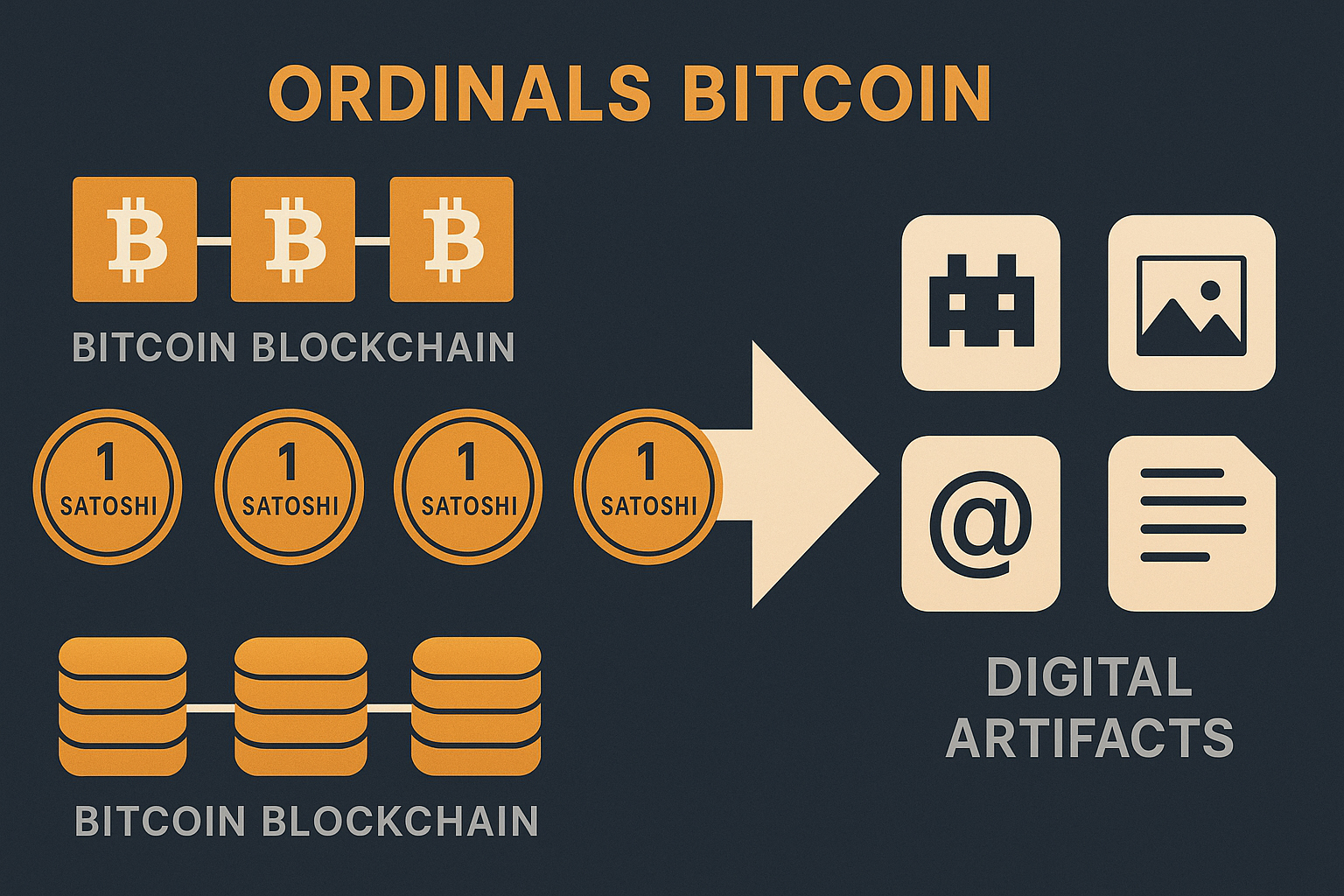
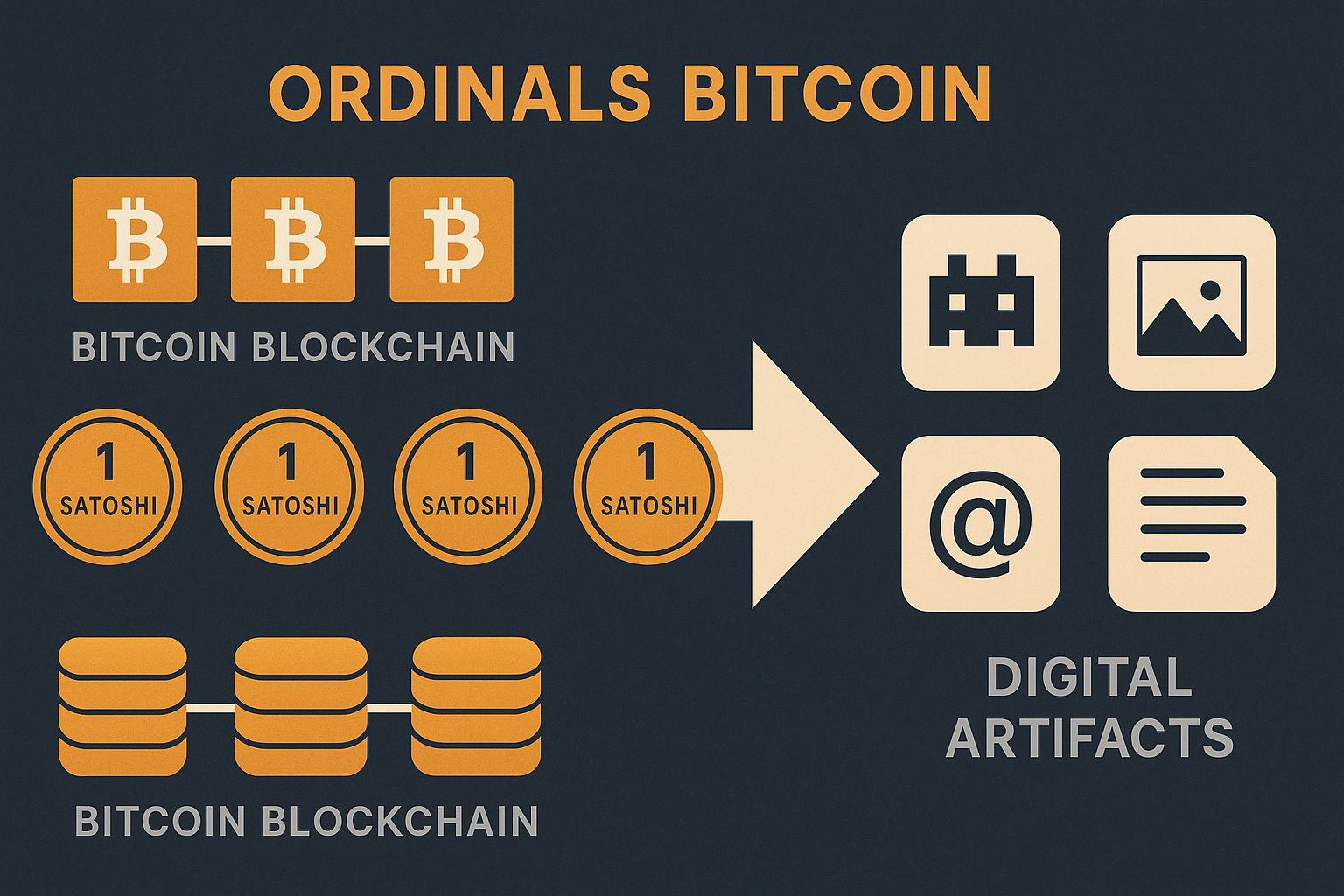
Ordinals treat satoshis as unique digital artifacts, enabling inscriptions on the Bitcoin blockchain. BRC-20 tokens build on this by using JSON inscriptions to create fungible tokens without smart contracts. This ledger-based approach allows creators to issue subscription tokens directly on-chain, offering a transparent, immutable record of ownership and access rights for their audience. -
Selecting a Compatible Bitcoin Wallet for Ordinals
Standard wallets often ignore inscription data, so choose one explicitly built for Ordinals like Xverse or Unisat. These wallets index the blockchain to display inscriptions correctly and handle the specific transaction formats required for BRC-20 operations. Ensure your selected wallet supports both Ordinal inscriptions and BRC-20 token balances to manage subscriptions effectively. -
Setting Up a BRC-20 Indexer Account
Indexers like Unisat or OKX provide the necessary data layer to track BRC-20 balances and transfer history since Bitcoin lacks native token support. Create an account on a reputable indexer to monitor your token supply and recipient addresses. This step is crucial for verifying subscription status, as the blockchain itself does not natively interpret token ownership without this external indexing. -
Funding Your Wallet with Bitcoin for Fees
BRC-20 operations require significant Bitcoin for transaction fees due to the large size of inscription data. Fund your wallet with enough BTC to cover minting, transfers, and potential network congestion spikes. Unlike Ethereum, you cannot use ERC-20 tokens for gas; only native Bitcoin pays for the block space needed to write your subscription token data to the ledger. -
Minting Your First BRC-20 Token Supply
Minting involves creating an inscription that defines your token’s name, ticker, and total supply using a specific JSON format. Use your Ordinals-compatible wallet to broadcast this inscription, which permanently records the token’s existence on-chain. This initial mint establishes the creator’s subscription token, allowing you to later transfer or sell these tokens to subscribers as proof of access. -
Creating Unique Bitcoin Ordinal Art for Perks
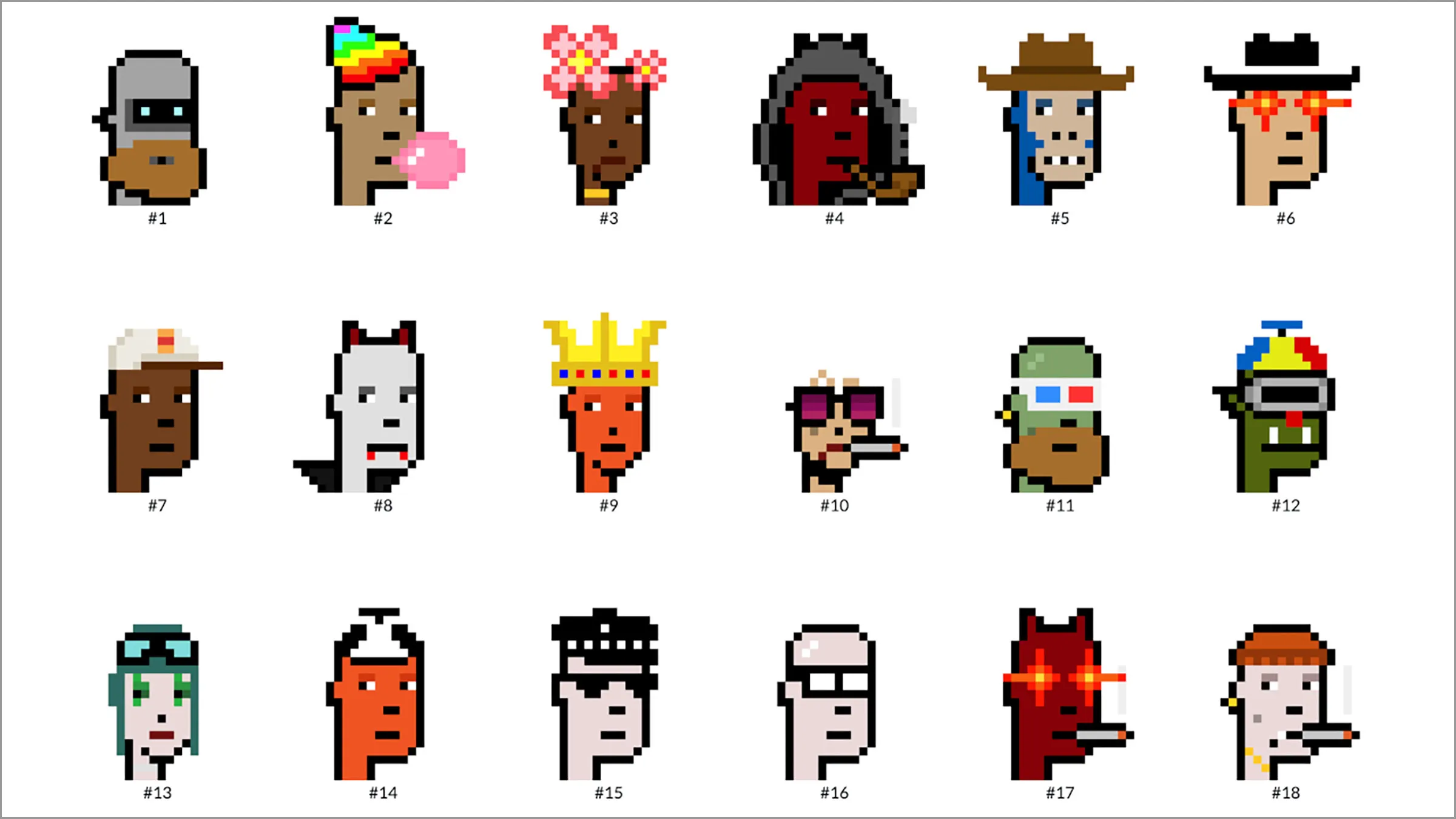
Design exclusive pixel art or generative collections that unlock specific community benefits. Unlike generic profile pictures, these ordinals serve as verifiable membership keys on the Bitcoin blockchain. Ensure your artwork is distinct enough to hold value but simple enough to render quickly. Creators often use these digital assets to grant early access to newsletters or private Discord channels, turning artistic effort into a tangible subscription perk. -

Listing Ordinal NFTs on a Bitcoin Marketplace
Upload your finished ordinal collections to established platforms like Magic Eden or UniSat to reach potential subscribers. These marketplaces handle the complex indexing and transaction broadcasting required for Bitcoin-based assets. Verify that your listing metadata correctly links the ordinal to your subscription terms. Proper categorization ensures buyers find your creator perks easily, streamlining the path from purchase to verified access without manual verification steps. -
Configuring Smart Contracts for Subscription Logic
Deploy BRC-20 token standards to automate recurring payment verification. While Bitcoin lacks native smart contracts, layer-2 solutions and inscriptions enable logic that checks token balances before granting access. Define clear rules for renewal and cancellation within your inscription metadata. This automation reduces administrative overhead, ensuring subscribers retain perks only while their token holdings remain active, creating a self-sustaining membership model. -
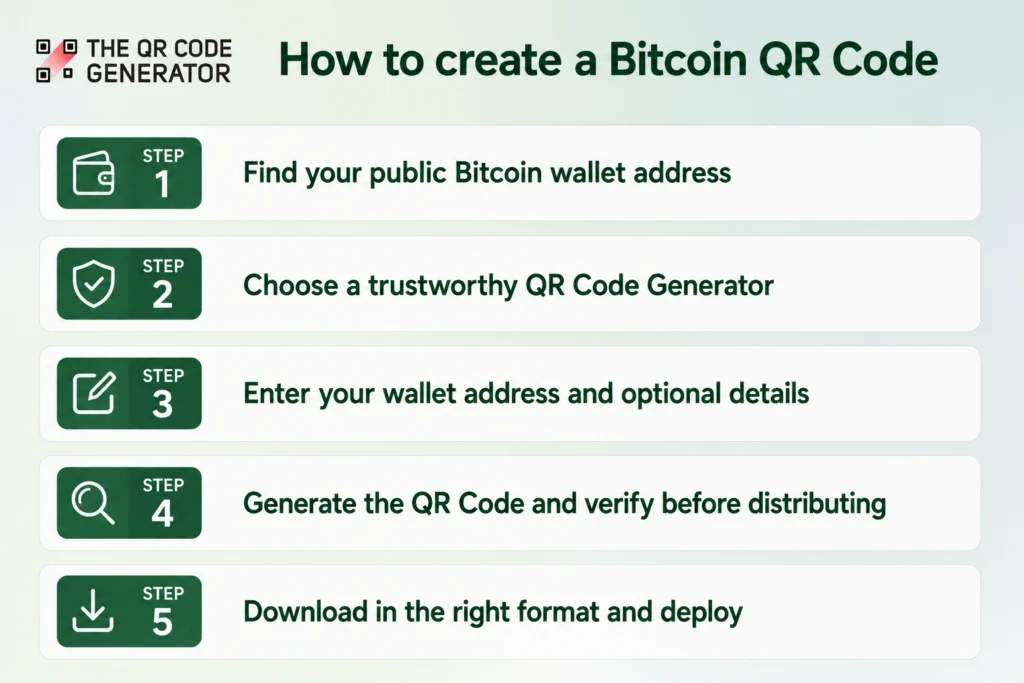
Setting Up a Dedicated Creator Wallet Address
Generate a separate wallet address exclusively for subscription revenue to simplify accounting. This isolation prevents mixing operational funds with personal holdings, reducing the risk of accidental transfers. Use hardware wallets for enhanced security when managing large ordinal collections. Regularly audit incoming transactions against your subscriber list to ensure accurate fulfillment of perks and maintain transparent financial records for tax reporting purposes. -
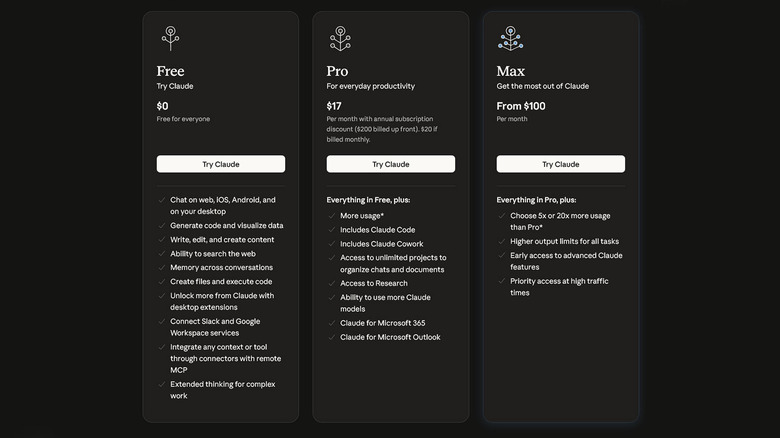
Defining Tiered Access Levels for Subscribers
Structure your offerings into distinct tiers, such as basic, premium, and elite, each requiring different BRC-20 token amounts or ordinal holdings. Higher tiers should unlock exclusive content, direct messaging, or voting rights on community decisions. Clearly communicate the benefits of each level to encourage upgrades. This stratification maximizes revenue by catering to varying levels of fan engagement and financial commitment, ensuring every subscriber finds a suitable entry point. -
Integrating Ordinal Verification into Your Website
Embed a lightweight JavaScript SDK that queries a BRC-20 indexer API to confirm subscriber wallet balances in real time. This backend check replaces manual email confirmations, ensuring only holders of your specific token gain access to premium member areas. Configure webhook listeners to trigger immediately after on-chain confirmation, creating a seamless login experience that feels native to your existing platform without requiring users to understand blockchain mechanics. -
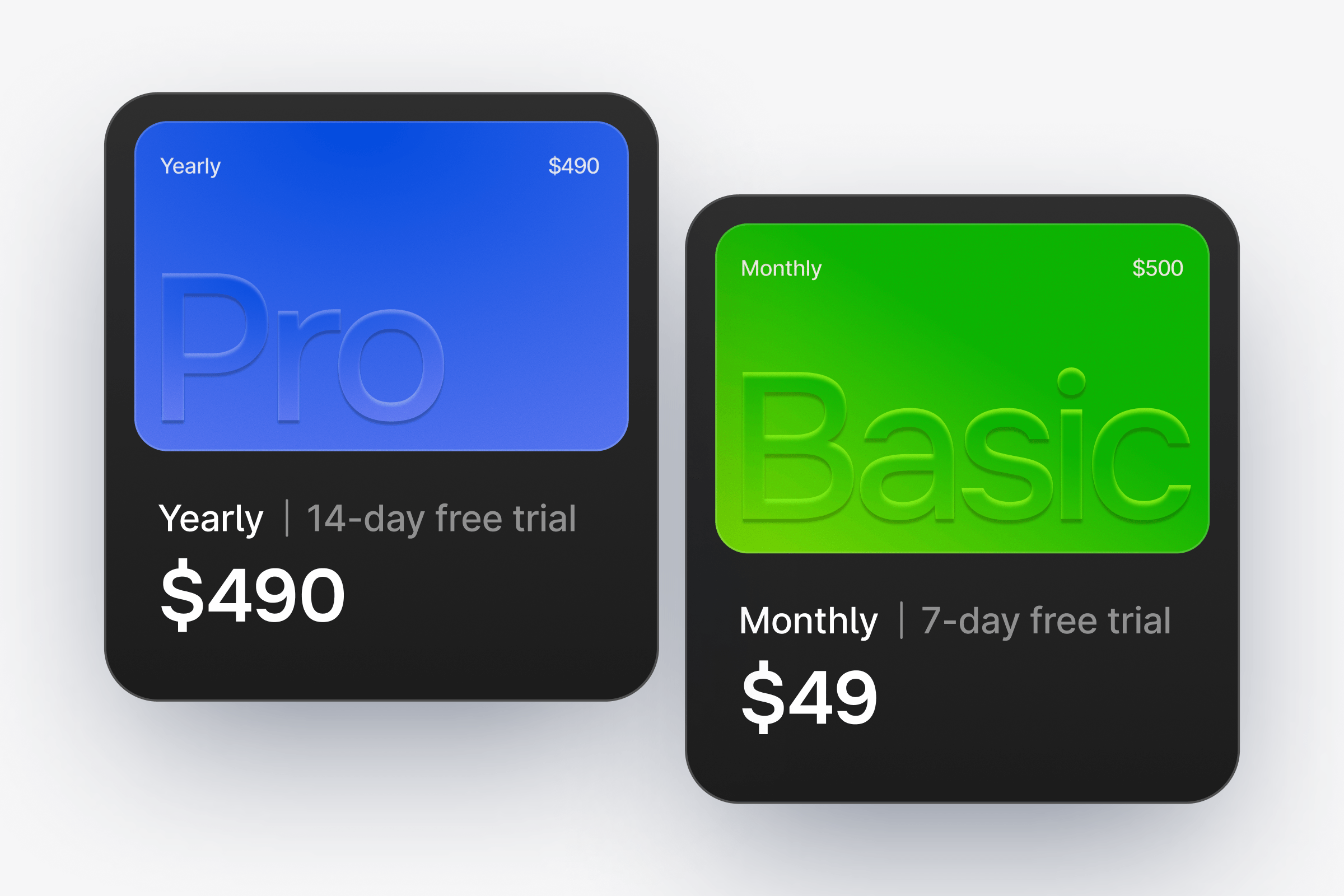
Automating Subscription Renewals via BRC-20 Transfers
Deploy a cron job that scans for incoming BRC-20 transfers from subscriber wallets at set intervals. When the indexer detects a renewal payment, automatically update the user’s access tier in your database and send a receipt notification. This approach eliminates third-party payment processors, reducing transaction fees significantly while giving creators direct custody of recurring revenue streams without intermediary delays or chargeback risks. -
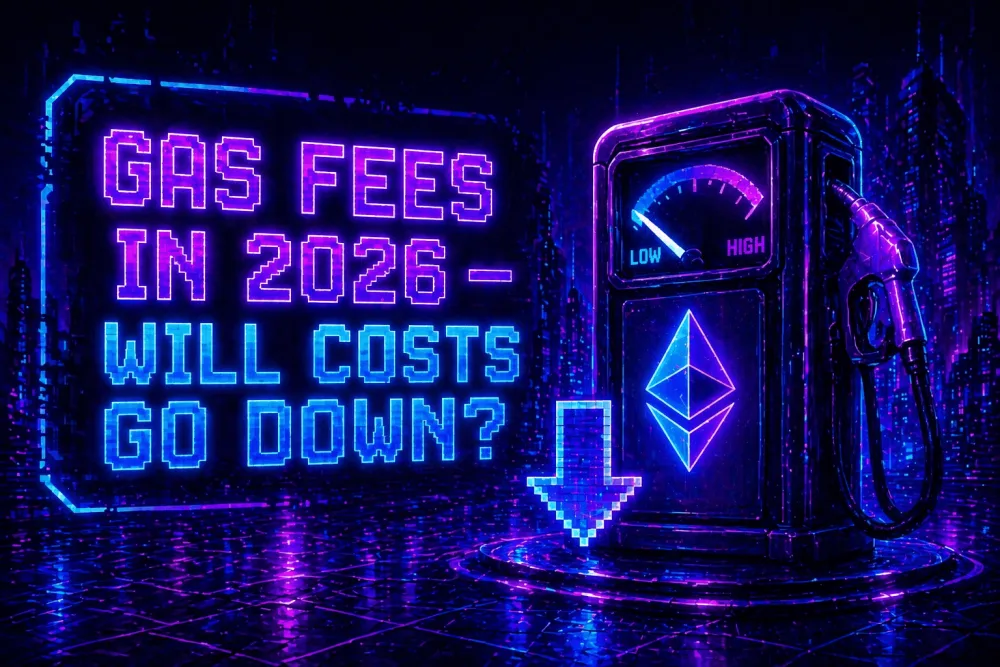
Handling Gas Fees During High Network Congestion
Implement dynamic fee estimation by monitoring mempool depth before broadcasting subscription transactions. If network congestion spikes, pause new minting or renewals temporarily to prevent user frustration from excessive costs. Encourage subscribers to batch their payments during off-peak hours or use Layer 2 solutions where available, ensuring your platform remains accessible even when Bitcoin base layer fees fluctuate unpredictably due to market activity. -
Verifying Subscriber Ownership of Specific Ordinals
Cross-reference the subscriber’s wallet address against the Ordinal inscription ledger to confirm they hold the exact PFP or collectible required for higher tiers. This granular verification ensures that access rights are tied to specific digital assets rather than generic token balances, adding a layer of exclusivity. Use API endpoints to fetch current holdings instantly, preventing fraudulent access attempts from wallets that previously owned but sold the required items. -
Delivering Exclusive Content via Encrypted Ordinal Metadata
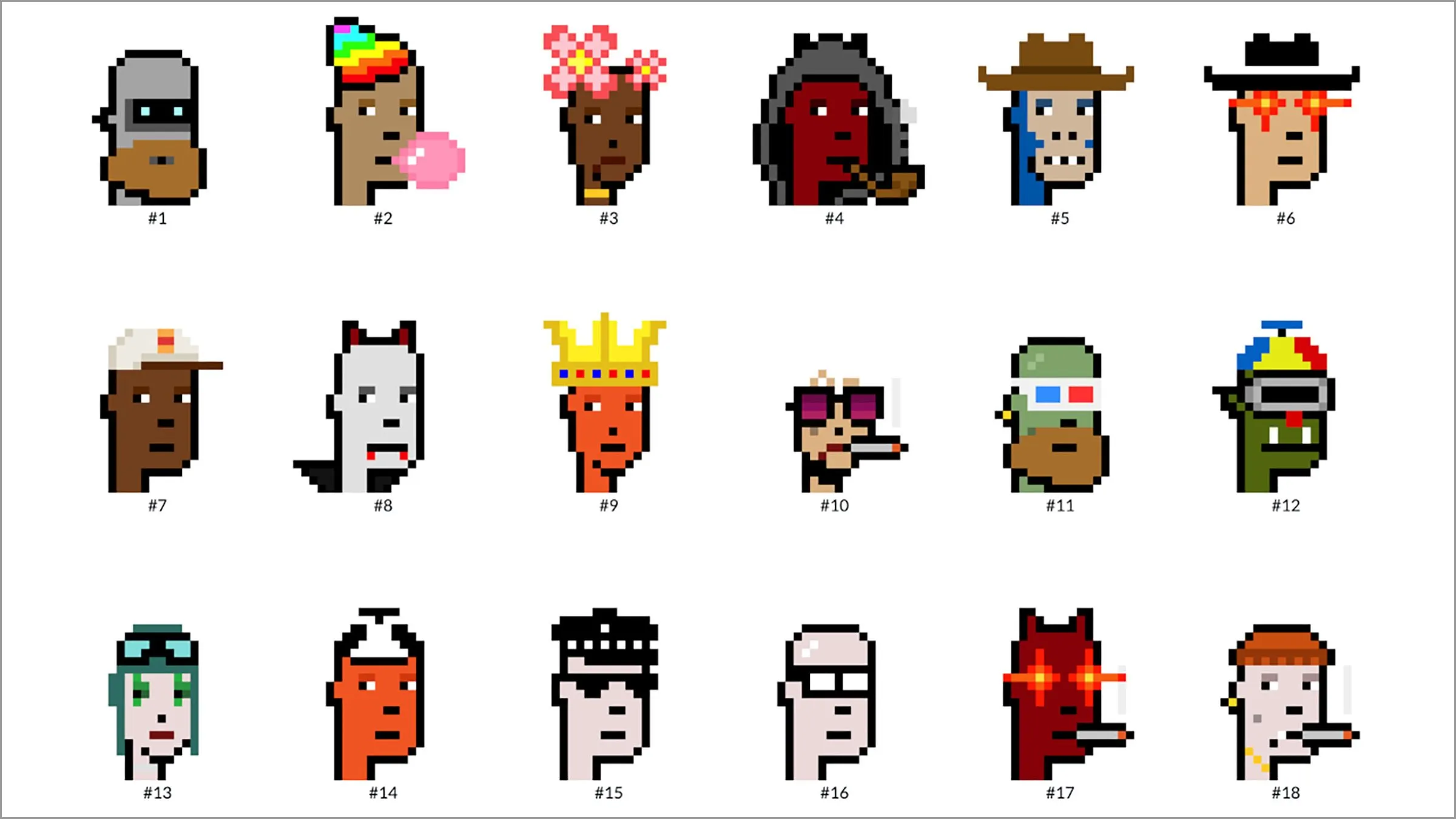
Store encrypted links to premium videos or documents within the metadata fields of newly minted BRC-20 tokens or Ordinal inscriptions. Subscribers must decrypt the data using a private key distributed only to verified holders, ensuring content remains secure and exclusive. This method leverages the immutable nature of Bitcoin to create a tamper-proof distribution channel for high-value creator assets, bypassing traditional content delivery networks entirely. -

Managing Tax Implications for Crypto Subscriptions
Treat every BRC-20 transfer as a taxable event. The IRS views token payments as property, triggering capital gains calculations upon receipt or spending. Maintain a detailed ledger tracking the fair market value in USD at the exact timestamp of each subscription transaction. This documentation is critical for accurate 1099-DA reporting and avoiding penalties during audits. -

Troubleshooting Failed BRC-20 Inscription Transactions
When an inscription fails, check the mempool status first. High fees often cause transactions to stall or drop. Verify that your wallet supports the specific BRC-20 standard, as some major wallets are deprecating inscription features. If the transaction remains unconfirmed after several blocks, resubmit with a higher fee or switch to a dedicated ordinal builder. -

Promoting Your Ordinal Subscription to Crypto Natives
Target communities on X and Discord where Bitcoin maximalists gather. Share your ordinal’s utility, not just its art, to attract serious subscribers. Leverage CoinGecko’s community insights to identify trending topics. Engage authentically in threads discussing creator economies on-chain. Avoid spam; provide value through educational content about how your subscription enhances their Bitcoin holdings. -

Securing Private Keys for Long-Term Access
Store your private keys in a hardware wallet, never on cloud storage. This physical separation protects against remote hacks and phishing attacks. Regularly back up your seed phrase on metal plates to ensure durability against fire or water damage. Test recovery procedures annually to guarantee you can access funds if your primary device fails. -

Evaluating Liquidity and Exit Strategies for Tokens
Before launching, assess the depth of liquidity pools for your BRC-20 token. Low liquidity can trap subscribers’ funds, damaging your reputation. Plan exit strategies that allow users to sell tokens without crashing the price. Transparent communication about vesting schedules and market conditions builds long-term trust with your subscriber base.
Pick the right fit
Choosing between Bitcoin Ordinals and BRC-20 tokens for creator subscriptions comes down to how your audience interacts with the blockchain. Ordinals are unique digital artifacts inscribed directly onto satoshis. They function like collectible art or membership passes. BRC-20 tokens are fungible, meaning every token is identical. They behave more like loyalty points or shares.
Your decision should prioritize technical friction and user intent. Ordinals require wallets that support inscriptions and often higher transaction fees. BRC-20s rely on indexer networks, which can sometimes lag during high traffic. If your subscribers are crypto-natives who value rarity, Ordinals offer a superior experience. If you want low-friction, repeatable micro-payments, BRC-20s are the practical choice.
Evaluate the following criteria to align the technology with your community’s habits.
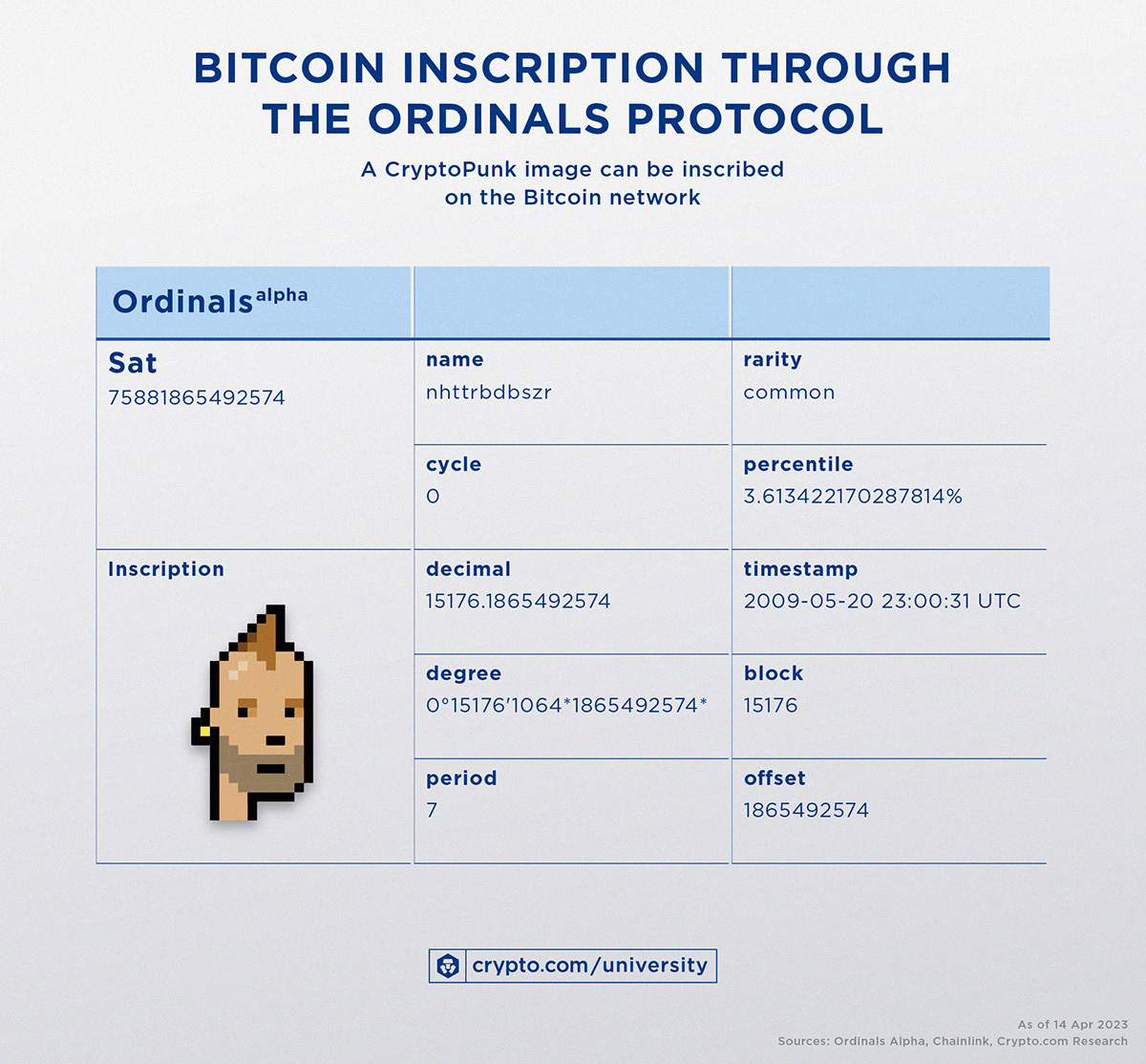
Before launching, verify that your target audience uses wallets capable of handling your chosen standard. Ordinals require wallets like Xverse or Unisat. BRC-20s need support from indexers like OKX or Magic Eden. If your subscribers use standard Bitcoin wallets, neither option may be viable yet.
Determine if the subscription reward is unique or interchangeable. Ordinals are best for exclusive, one-of-a-kind digital items like profile pictures or verified membership badges. BRC-20s are ideal for recurring benefits like access to a private channel or discounted content feeds. Match the token type to the reward structure.
Bitcoin network fees fluctuate significantly. Inscribing an Ordinal can cost more than the subscription fee itself during peak times. BRC-20 transfers are generally cheaper but still depend on block space. Run a simulation of a typical subscription cycle to ensure fees don’t eat into your revenue or burden the subscriber.

You don’t have to build from scratch. Platforms like Magic Eden and OKX now support both Ordinals and BRC-20s for trading and holding. Look for platforms that offer "subscription" or "membership" features. These tools automate the minting or transfer process, reducing the technical barrier for your users.
Launch a beta version with a small group of loyal fans. Observe how they interact with the wallet prompts and transaction confirmations. Note any friction points in the user journey. Use this feedback to refine your onboarding instructions before opening the subscription to the public.
FAQ: Bitcoin Ordinals and BRC-20 Subscriptions in 2026
What are Bitcoin Ordinals?
Bitcoin Ordinals are a numbering and tracking system that assigns unique identifiers to each of the 21 million satoshis (the smallest unit of Bitcoin). By inscribing data—such as images, text, or code—directly onto individual satoshis, creators turn these tiny fragments into unique digital collectibles or artifacts. Unlike Ethereum NFTs that live on separate networks, Ordinals are stored permanently on the Bitcoin blockchain itself, leveraging Bitcoin's security and immutability for digital ownership.
How do BRC-20 tokens work for subscriptions?
BRC-20 is a fungible token standard built on top of the Ordinals protocol, functioning similarly to ERC-20 tokens on Ethereum. These tokens are inscribed as JSON data on the blockchain, allowing creators to issue their own currency. For subscriptions, creators can set up recurring payments where fans send BRC-20 tokens or the underlying Bitcoin satoshis to a designated wallet. This creates a direct, peer-to-peer revenue stream without intermediaries like Patreon or Stripe, though it requires users to manage their own wallets and understand transaction fees.
Will Bitcoin hit $150,000 in 2026?
Price predictions for Bitcoin in 2026 vary significantly among analysts, with some forecasting highs near $150,000 driven by post-halving supply shocks and institutional adoption. However, these are speculative projections rather than guaranteed outcomes. Market volatility remains high, and factors like regulatory changes or macroeconomic shifts could alter these trajectories. It is essential to view these figures as potential scenarios, not certainties, when planning investment or subscription strategies.
Is 2026 a good year to buy Bitcoin?
Whether 2026 is a good year to buy Bitcoin depends on your risk tolerance and investment horizon. Historically, the year following a Bitcoin halving (which occurred in 2024) has seen significant price appreciation, suggesting potential upside. However, entering the market at peak sentiment can carry risks of correction. For creators and subscribers, the focus should be on the utility of Ordinals and BRC-20 tokens as tools for direct engagement, rather than solely on speculative price movements.
No comments yet. Be the first to share your thoughts!