
Recurring payments have long been the engine of SaaS, digital content, and membership businesses. But as the world moves onchain, traditional billing systems are struggling to keep up with the demands for transparency, automation, and global reach. In 2025, Polygon has emerged as a leading blockchain for seamless, low-cost payments. With Stripe’s new USDC subscription rails and platforms like Recurrable, it’s now possible to implement onchain recurring subscriptions with proration, streamlining revenue collection while delivering fairness and clarity for every customer.
Why Onchain Recurring Subscriptions Are Transforming Billing in 2025
The shift to onchain SaaS subscriptions isn’t just a technical upgrade. It’s a fundamental change in how businesses manage cash flow and customer relationships. By leveraging smart contracts on Polygon, companies can automate every aspect of the subscription lifecycle: invoicing, payment collection, upgrades or downgrades, and even proration for mid-cycle changes.
This automation brings several strategic advantages:
- Global accessibility: Accept stablecoins like USDC from anywhere in the world without currency conversion headaches.
- No chargebacks or card declines: Onchain payments eliminate common friction points of credit cards.
- Transparent billing logic: Customers can verify every transaction directly on the blockchain.
- Dramatically lower fees: Polygon’s low gas costs mean more revenue stays in your pocket.
The result? Predictable income streams and happier customers who trust that they’re only paying for what they use, no more, no less.
The Role of Proration: Fairness Built Into Every Billing Cycle
Proration blockchain billing is essential for any business offering flexible plans. Imagine a customer upgrades their plan halfway through the month. Without proration, they might be overcharged or undercharged, leading to confusion or churn. With smart contract-powered proration on Polygon, platforms like Recurrable automatically calculate exactly what’s owed based on time remaining in the cycle.
This dynamic invoicing ensures:
- No manual calculations: The smart contract handles all math instantly at each plan change.
- Total transparency: Both you and your customers can see exactly how charges are determined onchain.
- Smoother upgrades/downgrades: Customers are more likely to try premium features if they know they’ll only pay their fair share.
Your Roadmap: Setting Up Onchain Recurring Subscriptions with Proration Using Stripe and Recurrable
If you’re ready to future-proof your business model with Polygon recurring payments 2025, here’s how to get started using proven platforms that abstract away blockchain complexity while preserving its benefits.
Set Up Onchain Recurring Subscriptions with Proration on Polygon (2025)
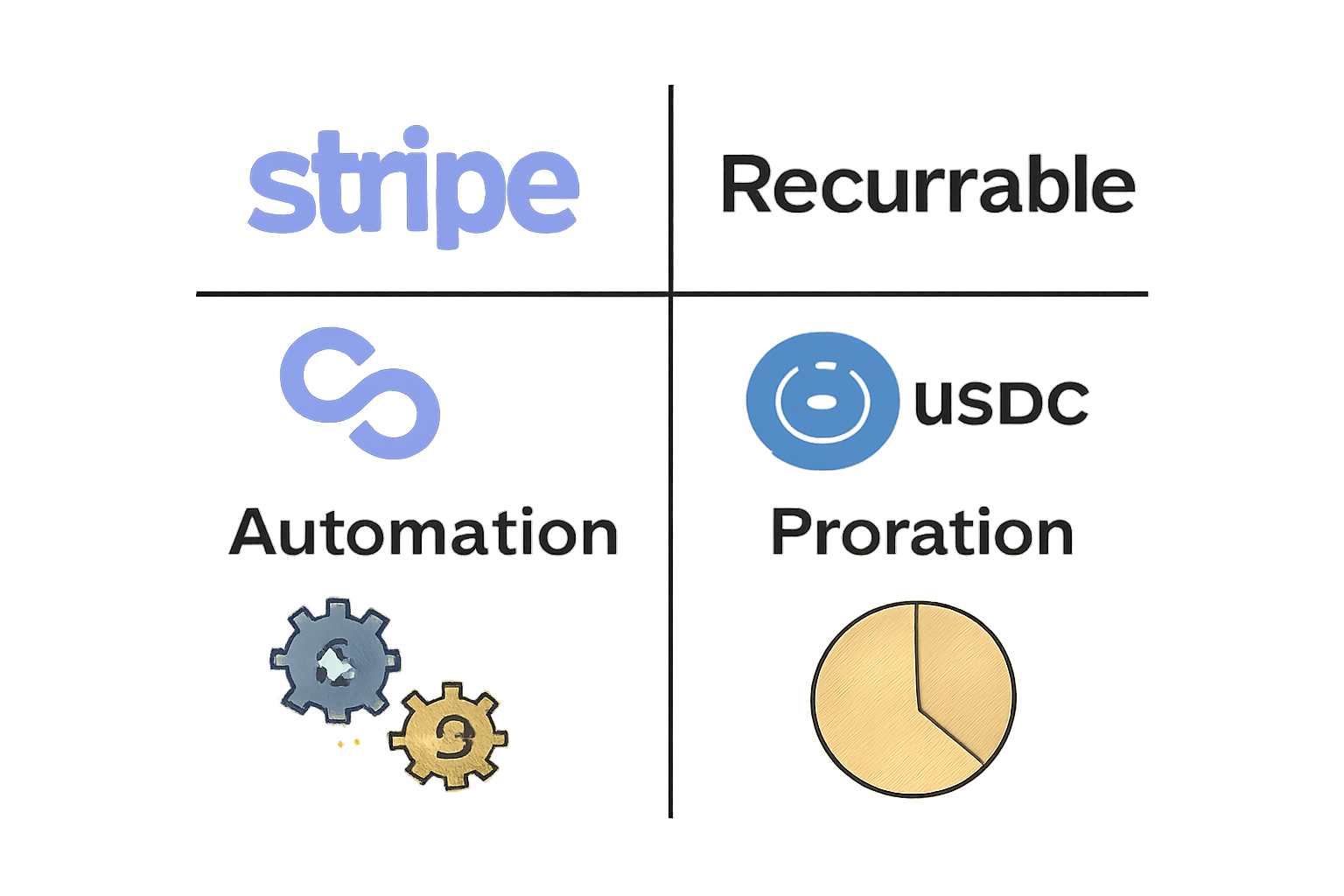
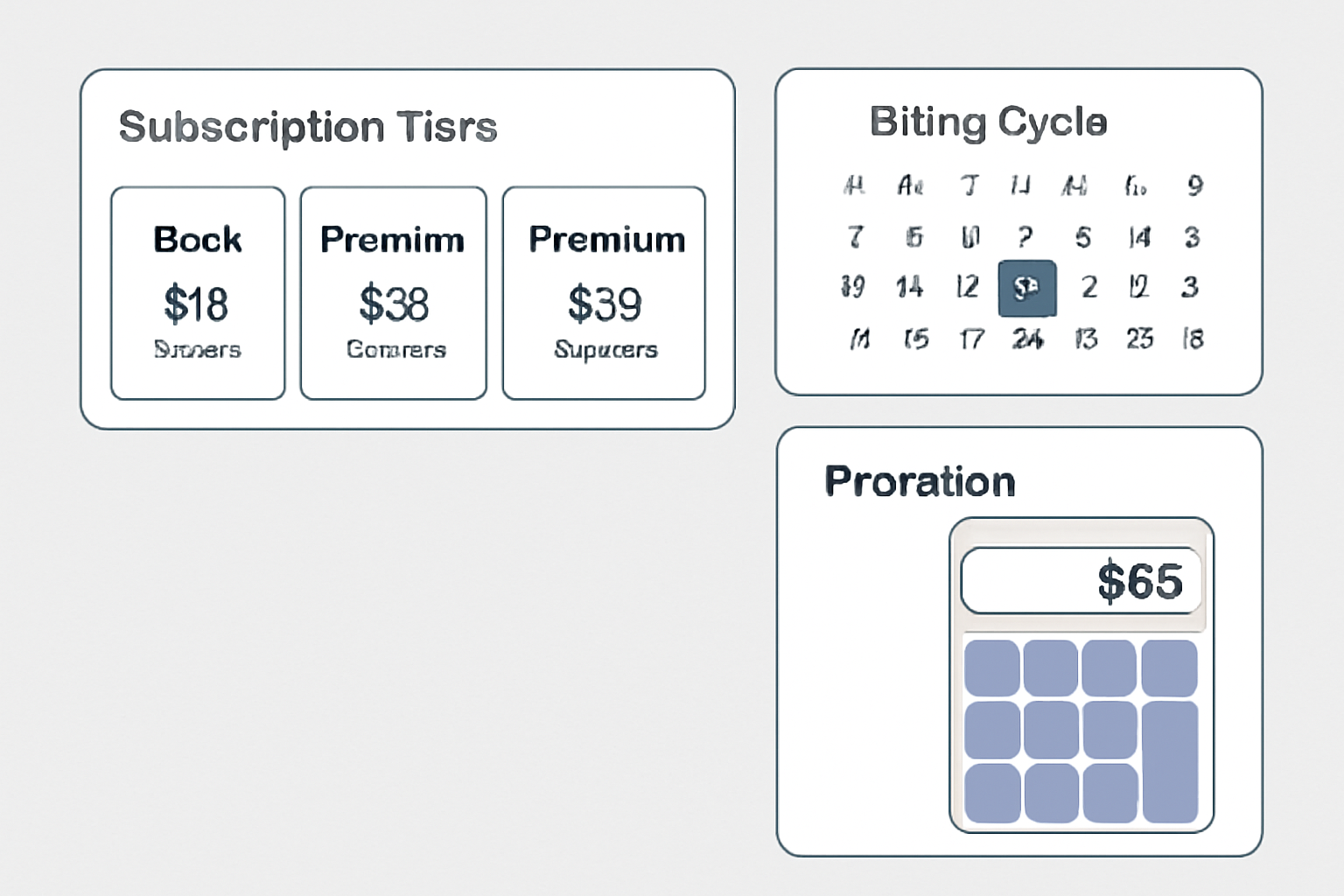
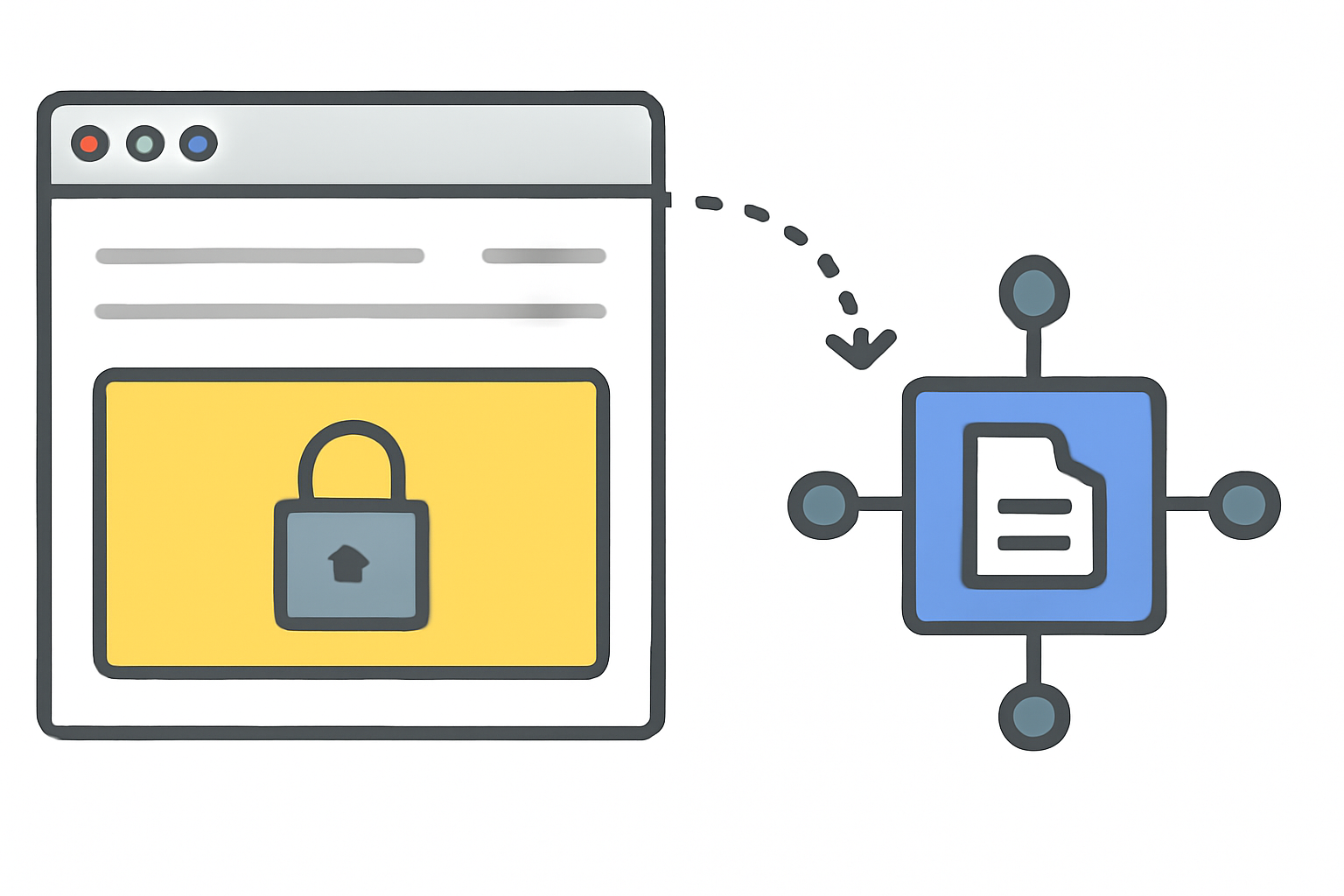
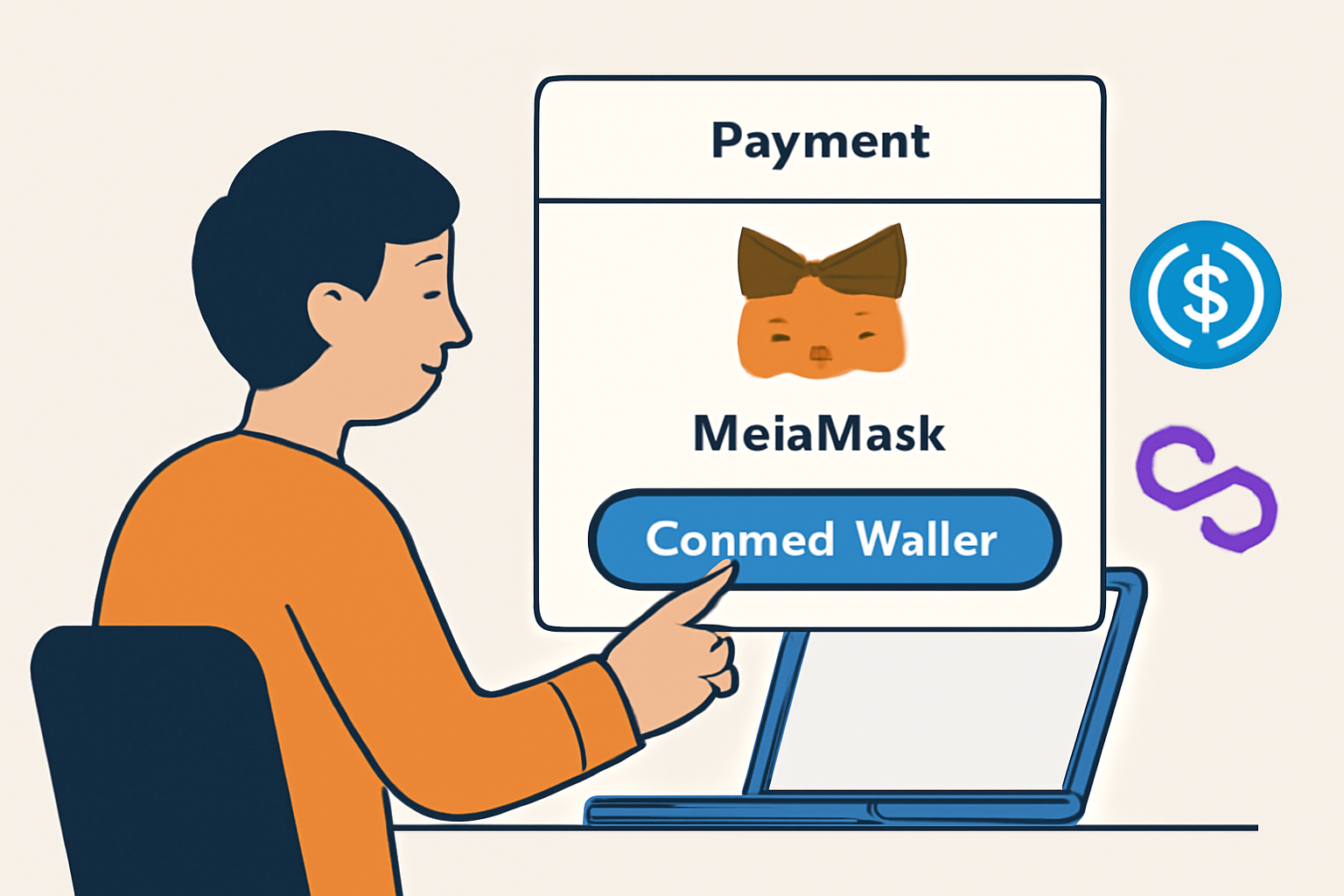
The process begins by selecting a platform that supports both recurring billing and automated proration logic, Stripe now offers seamless USDC subscription flows with fiat settlement options, while Recurrable delivers full crypto-native automation compatible with MetaMask wallets and e-commerce plugins like WooCommerce. These solutions empower you to define pricing tiers, configure billing intervals (monthly/annual), and integrate wallet-based authorization so customers can approve ongoing debits without repeated approvals each cycle.
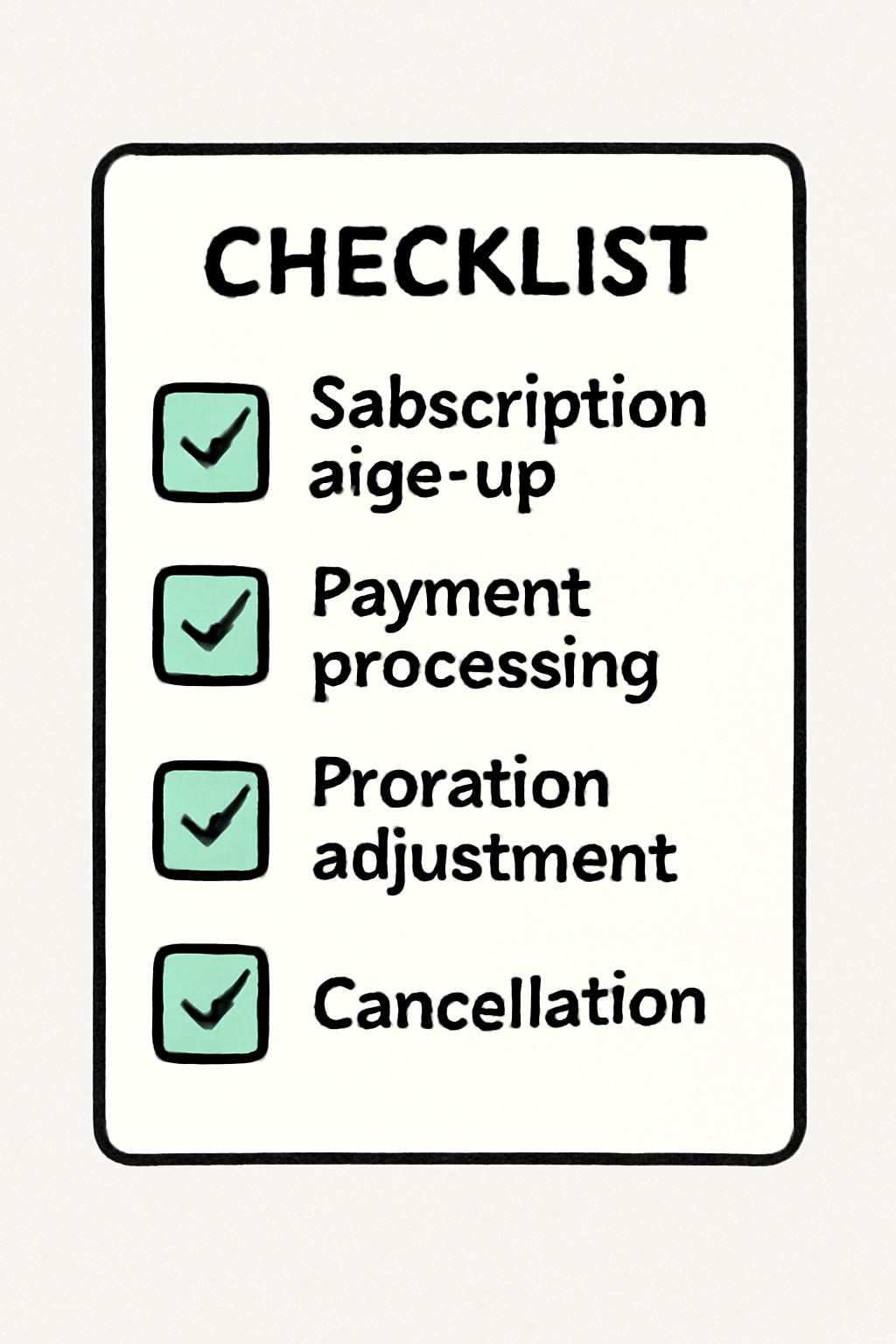
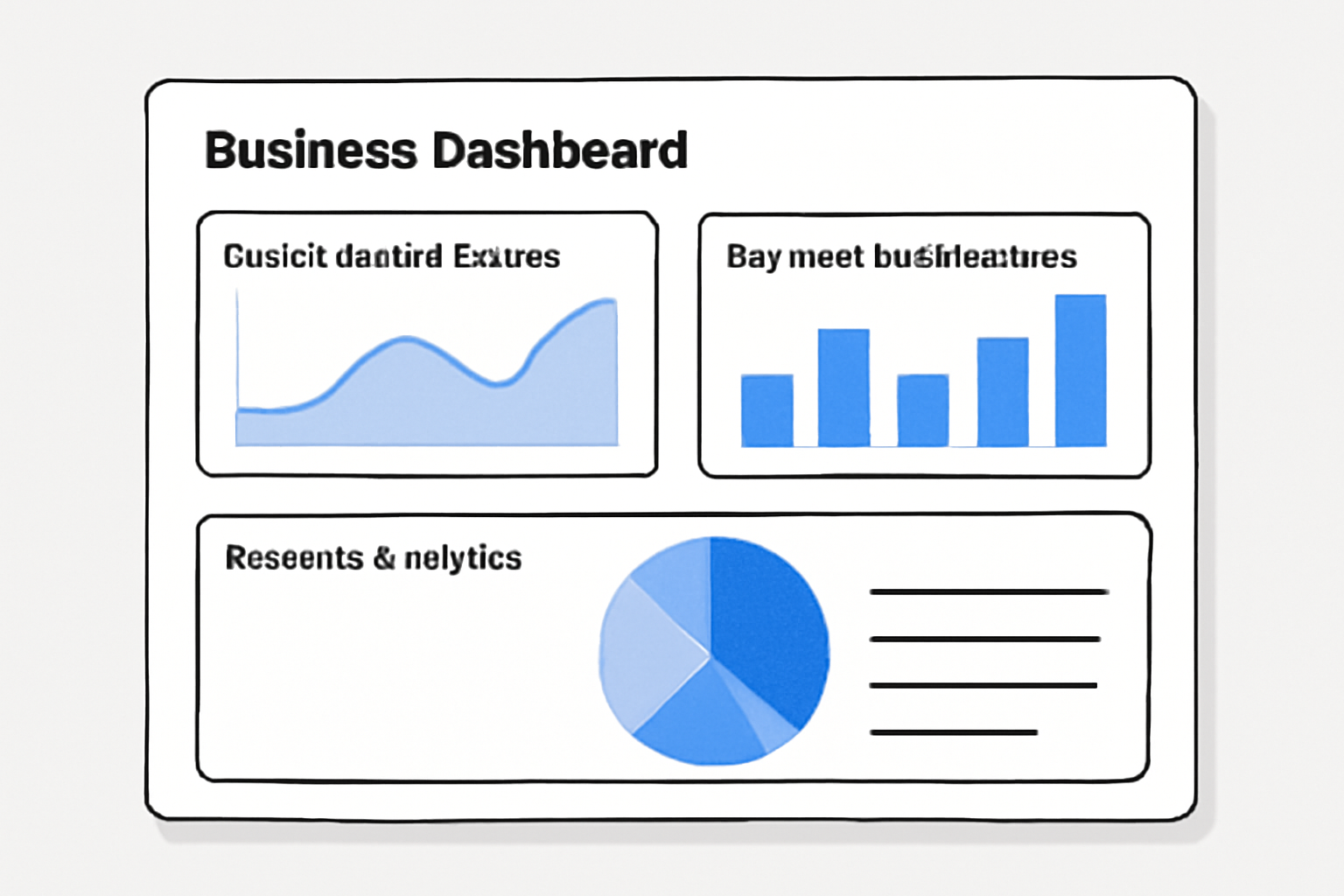
Testing is critical, before inviting your first subscriber, rigorously simulate every scenario: sign-ups, mid-cycle plan changes, prorated charges, and cancellations. This ensures your customers experience seamless access and accurate billing from day one. Platforms like Recurrable provide sandboxes and dashboards to monitor live events, while Stripe’s reporting tools unify onchain subscription data with your traditional revenue streams for holistic financial oversight.
Smart Contracts in Action: How Proration Logic Works Onchain
Under the hood, proration is handled by smart contracts that calculate the exact amount owed whenever a change occurs within a billing cycle. For example, if a user upgrades their tier halfway through the month, the contract determines the unused value of their current plan and applies it as a credit toward the new tier. This logic is transparent and immutable, every calculation can be audited onchain for maximum trust.
Example: Solidity Prorated Subscription Logic
Below is an example Solidity smart contract that demonstrates how to calculate and handle prorated subscription payments on Polygon. This contract allows users to subscribe, renew, and calculates the prorated price if they renew before their current period ends.
// SPDX-License-Identifier: MIT
pragma solidity ^0.8.20;

contract ProratedSubscription {
    uint256 public subscriptionPeriod = 30 days;
    uint256 public subscriptionPrice = 1 ether; // Example: 1 MATIC per period

    mapping(address => uint256) public subscriptionStart;
    mapping(address => uint256) public subscriptionEnd;

    event Subscribed(address indexed user, uint256 start, uint256 end, uint256 amountPaid);

    function subscribe() external payable {
        uint256 currentTime = block.timestamp;
        uint256 start = subscriptionEnd[msg.sender] > currentTime
            ? subscriptionEnd[msg.sender]
            : currentTime;
        uint256 end = start + subscriptionPeriod;
        require(msg.value >= subscriptionPrice, "Insufficient payment");
        subscriptionStart[msg.sender] = start;
        subscriptionEnd[msg.sender] = end;
        emit Subscribed(msg.sender, start, end, msg.value);
    }

    // Prorate the price based on the number of days left in the period
    function getProratedPrice(address user) public view returns (uint256) {
        uint256 currentTime = block.timestamp;
        uint256 end = subscriptionEnd[user];
        if (end <= currentTime) {
            return subscriptionPrice; // Full price if no active subscription
        }
        uint256 remaining = end - currentTime;
        uint256 prorated = (subscriptionPrice * remaining) / subscriptionPeriod;
        return prorated;
    }

    // Example: User upgrades or renews before expiry
    function renewWithProration() external payable {
        uint256 proratedPrice = getProratedPrice(msg.sender);
        require(msg.value >= proratedPrice, "Insufficient payment for proration");
        subscriptionEnd[msg.sender] = block.timestamp + subscriptionPeriod;
        emit Subscribed(msg.sender, block.timestamp, subscriptionEnd[msg.sender], msg.value);
    }
}
This example provides a foundation for implementing prorated subscription logic. In a production environment, you should further secure and optimize the contract, and consider edge cases such as overpayments, refunds, and upgradability.
With dynamic invoicing blockchain technology, invoices are generated automatically at each event, sign-up, upgrade, downgrade, reflecting only what’s fair. No more disputes over ambiguous charges or surprise fees; your users see exactly how their costs are determined.
Managing Growth and Revenue With Real-Time Analytics
Once live, you’ll benefit from real-time analytics on subscriber growth, churn rates, revenue forecasts, and failed payment events, all accessible via platform dashboards. This data-driven approach empowers SaaS founders and digital creators to iterate rapidly on pricing strategies and feature bundles without worrying about backend complexity or manual reconciliations.
For global businesses accepting USDC via Stripe’s Polygon rails or crypto-native payments through Recurrable, settlements are near-instant and borderless. You can choose to receive stablecoins directly or opt for fiat payouts depending on operational needs, all while maintaining full visibility into every transaction.
The Competitive Advantage of Onchain Subscription Models
The landscape in 2025 rewards those who can deliver flexibility and clarity at scale. By adopting onchain recurring subscriptions, you’re not just automating payments, you’re building trust through transparency and offering a frictionless experience that stands out in crowded markets.
- For SaaS providers: Reduce involuntary churn by eliminating failed card payments.
- For content creators: Reach global audiences with no currency barriers or restrictive platforms.
- For decentralized services: Enable permissionless access control tied directly to wallet-based subscriptions.
The result is predictable cash flow, lower operational overhead, and happier customers who know they’re always billed fairly, no matter how often they change plans or where they’re located.
The future of subscription billing is already here, and it’s onchain. With platforms like Stripe and Recurrable simplifying everything from wallet authorization to proration logic on Polygon’s efficient rails, forward-thinking businesses can focus less on payment headaches and more on delivering value to their communities.




No comments yet. Be the first to share your thoughts!