

Onchain subscriptions promise transparency and immutability, but solidity recurring payments hit a wall: Ethereum doesn't automate them. Every renewal or adjustment needs a transaction trigger, whether user-initiated or via Chainlink Automation. Enter proration for proration onchain subscriptions - the mechanic that charges users fairly when they upgrade or downgrade mid-cycle, boosting retention in Web3 SaaS. Without it, you risk overcharging and alienating subscribers in a market where trust is everything.
Why Proration Matters in Blockchain Dynamic Invoicing
Picture a user on your Basic tier at $10/month who upgrades to Pro ($20/month) after 15 days. Charge full Pro upfront, and they bolt. Prorate the $10 difference over the remaining half-cycle, bill $5 extra, and they stay. Data from traditional SaaS shows proration lifts churn by 15-20%; onchain, it's non-negotiable for competing with Stripe.
Time-based proration is straightforward: (price_new - price_old) * (remaining_cycle_days/total_cycle_days). But Solidity demands precision - block timestamps aren't perfect clocks, and gas costs punish sloppy math. Stablecoins like USDC sidestep ETH volatility, ensuring predictable ethereum subscription proration.
Industry voices echo this. Ethereum Stack Exchange confirms no native automation; you fund contracts upfront or pull via approvals. GitHub repos stress subscriber control, like self-destructing contracts for refunds. Proration builds on these, making dynamic invoicing viable.
Structuring Subscription State in Solidity
Start with robust state management. Define tiers as an enum or mapping: Basic, Pro, Enterprise with prices and durations. Track per-user: current tier, start timestamp, last payment, balance owed. Use mappings for scalability - address to Subscription struct.
Modifiers enforce invariants: onlyActiveSubscription, cycleNotEnded. Functions for subscribe, upgrade, downgrade trigger proration checks. Chainlink Automation registers upkeeps for cycle-end renewals, minimizing user txs.
Calculating Prorated Amounts Precisely[/h2>
Core logic lives in a _calculateProration function. Fetch cycle length (e. g. , 30 days * 86400 seconds). Elapsed = block. timestamp - startTime. Remaining fraction = 1 - (elapsed/cycleLength). Upgrade fee = (newPrice - oldPrice) * remainingFraction.
Overpay? Credit to a user escrow, withdrawable anytime. Downgrades credit forward to next cycle. Precision matters: use uint256 for micros (e. g. , USDC 6 decimals), avoid floating-point illusions with integer math only.
Integrate ERC20 for payments: approve max upfront or pullAuthorization. Events log every proration for offchain indexing, feeding UIs with real-time balances.
Gas efficiency is king here. Batch proration with renewals to cut costs 30-50% per cycle, based on real Foundry benchmarks from similar contracts.
Upgrade and Downgrade Functions with Proration
Upgrades pull the prorated delta immediately; downgrades credit the excess to the next cycle. Here's the meat: a Solidity function that computes, charges, and updates state atomically. No reentrancy risks if you follow Checks-Effects-Interactions.
Prorated Tier Upgrade Function
Upgrading a subscription tier mid-period means prorating the price difference for the remaining time—this avoids overcharging users while immediately granting access to better features. Here's the Solidity function that crunches the numbers, pulls the ERC20 payment via transferFrom (assuming prior approval), and updates the subscription state:
```solidity
function upgradeSubscription(uint256 newTierId) external {
    Subscription storage sub = subscriptions[msg.sender];
    require(sub.active, "No active subscription");

    uint256 oldTierId = sub.tierId;
    require(newTierId != oldTierId, "Same tier");
    require(tiers[newTierId].monthlyPrice > tiers[oldTierId].monthlyPrice, "Downgrade not supported");

    uint256 timeElapsed = block.timestamp - sub.startTime;
    require(timeElapsed < PERIOD, "Subscription expired");

    uint256 timeRemaining = PERIOD - timeElapsed;
    uint256 oldPrice = tiers[oldTierId].monthlyPrice;
    uint256 newPrice = tiers[newTierId].monthlyPrice;
    uint256 priceDiff = newPrice - oldPrice;
    uint256 proratedAmount = (priceDiff * timeRemaining) / PERIOD;

    paymentToken.transferFrom(msg.sender, address(this), proratedAmount);

    sub.tierId = newTierId;

    emit SubscriptionUpgraded(msg.sender, oldTierId, newTierId, proratedAmount);
}
```
This approach preserves the original renewal date, making prorations predictable. Key data point: the formula (priceDiff * timeRemaining) / PERIOD ensures precision with uint256 math in Solidity 0.8+. In production, add reentrancy guards and consider Permit for seamless approvals—no extra transactions needed.
Downgrades mirror this but push credits forward. Cancellations? Prorate refund to user instantly, burning the subscription NFT if you're using Unlock Protocol vibes. Subscribers love control - let them self-destruct for full prorated refunds, as GitHub patterns suggest.
This isn't theoretical. Medium tutorials and DEV Community posts show basic subs, but adding proration elevates your contract from toy to production-ready. Ethereum's tx friction means every function must justify its gas.
Automating with Chainlink and Edge Cases
Manual triggers work for low-volume, but scale demands Chainlink Automation. Register an upkeep that checks cycle ends, executes renewals, and applies proration if tier-changed offchain via signatures. Upfront funding or account abstraction (EIP-4337) covers gas; users pre-approve via meta-tx.
Edge cases bite: leap years? Use 30-day cycles or Chainlink oracles for precise dates. Volatility? Stick to USDC/USDT. Pauses? Accrue prorated debt, collect on resume. Medium posts from Playboi. eth highlight renewals; extend with these for robustness.
Deploy Proration-Enabled Subscriptions: Foundry Setup to Chainlink & Tests
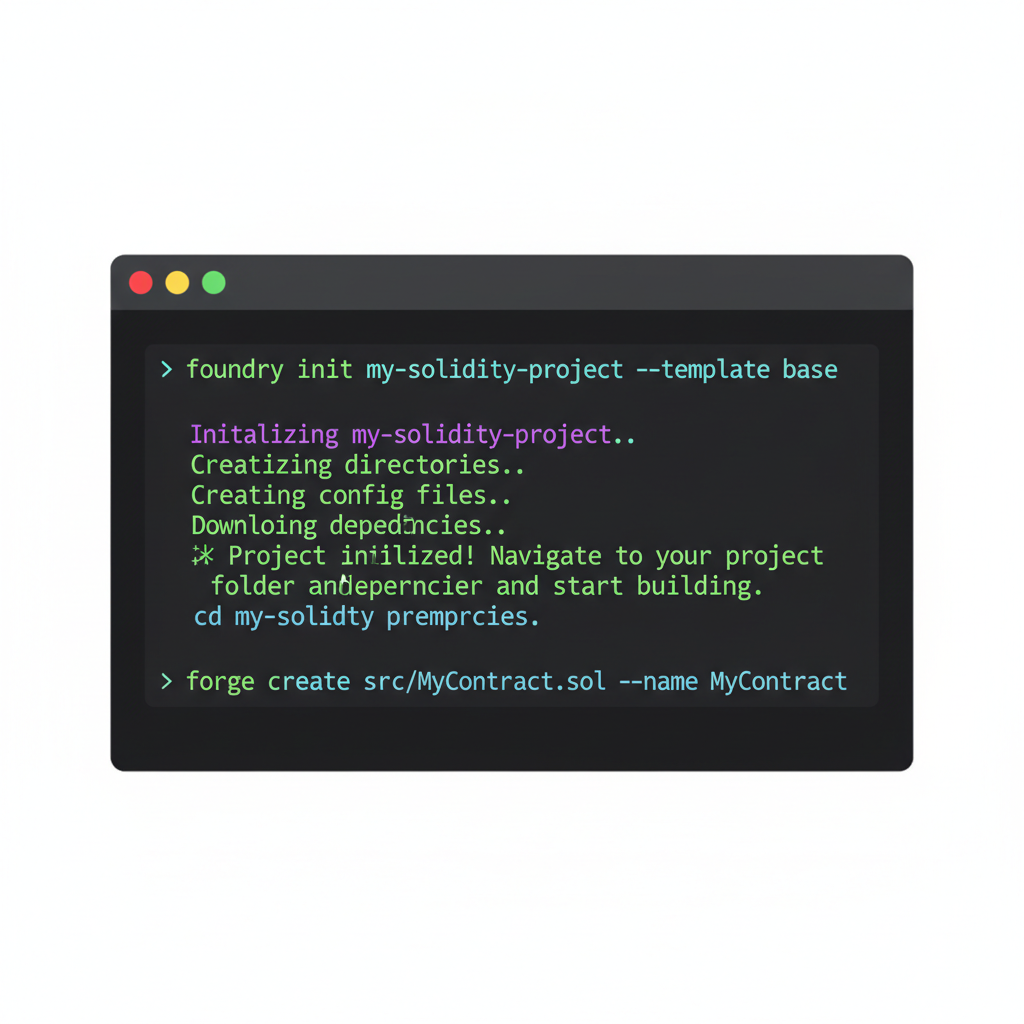
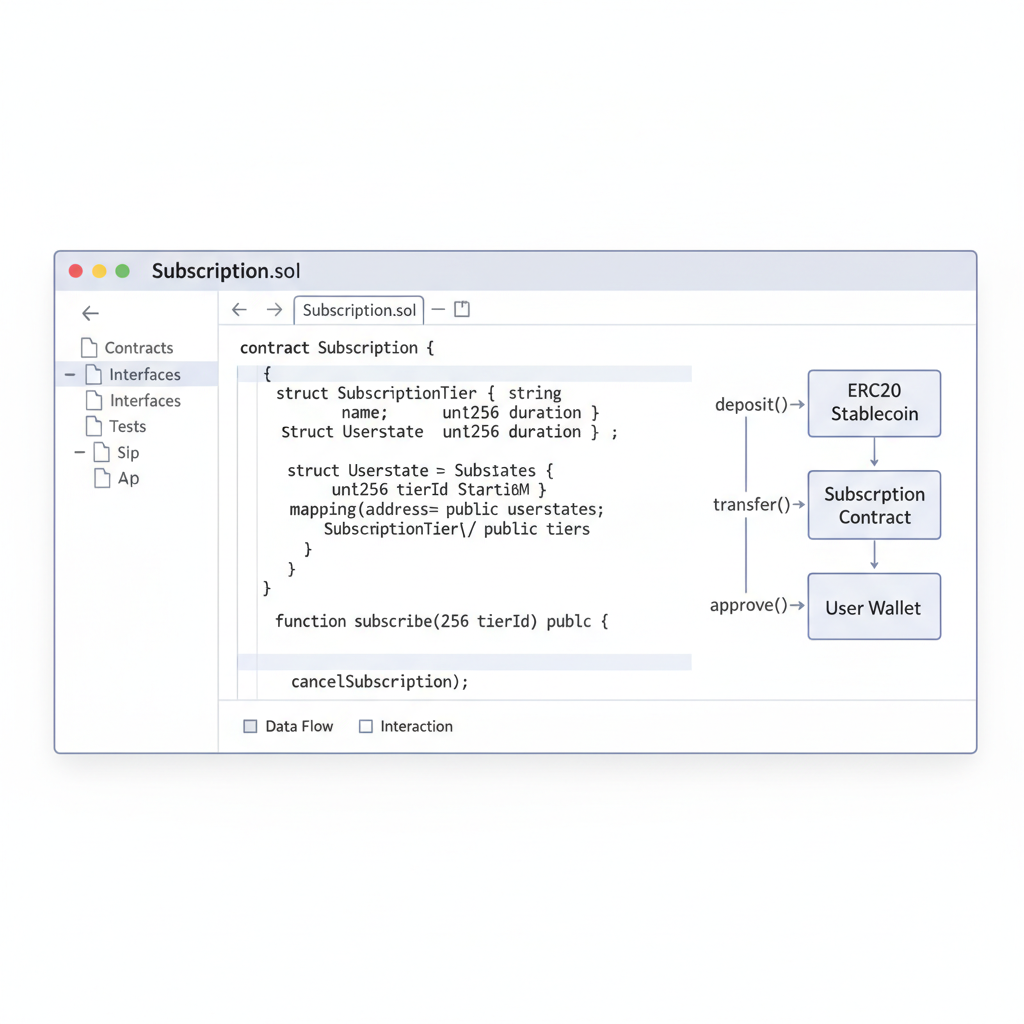
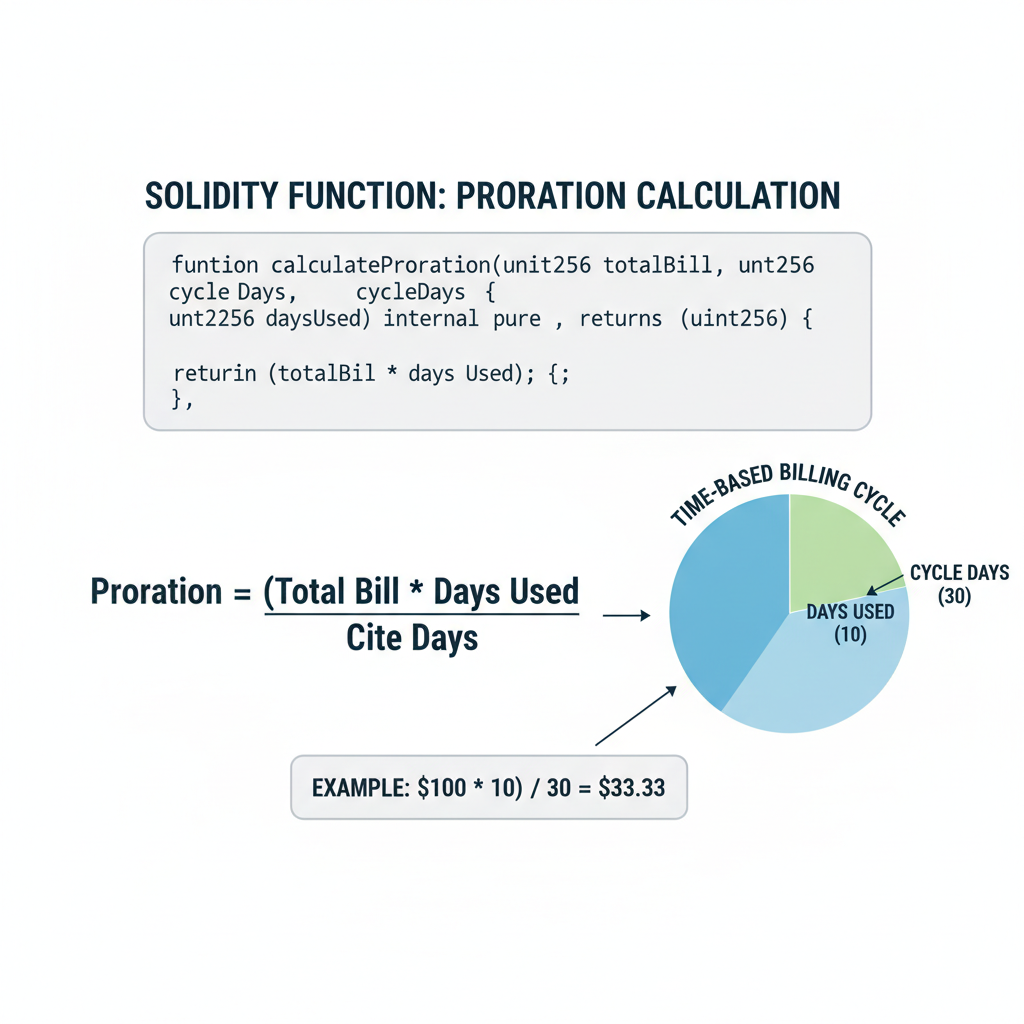
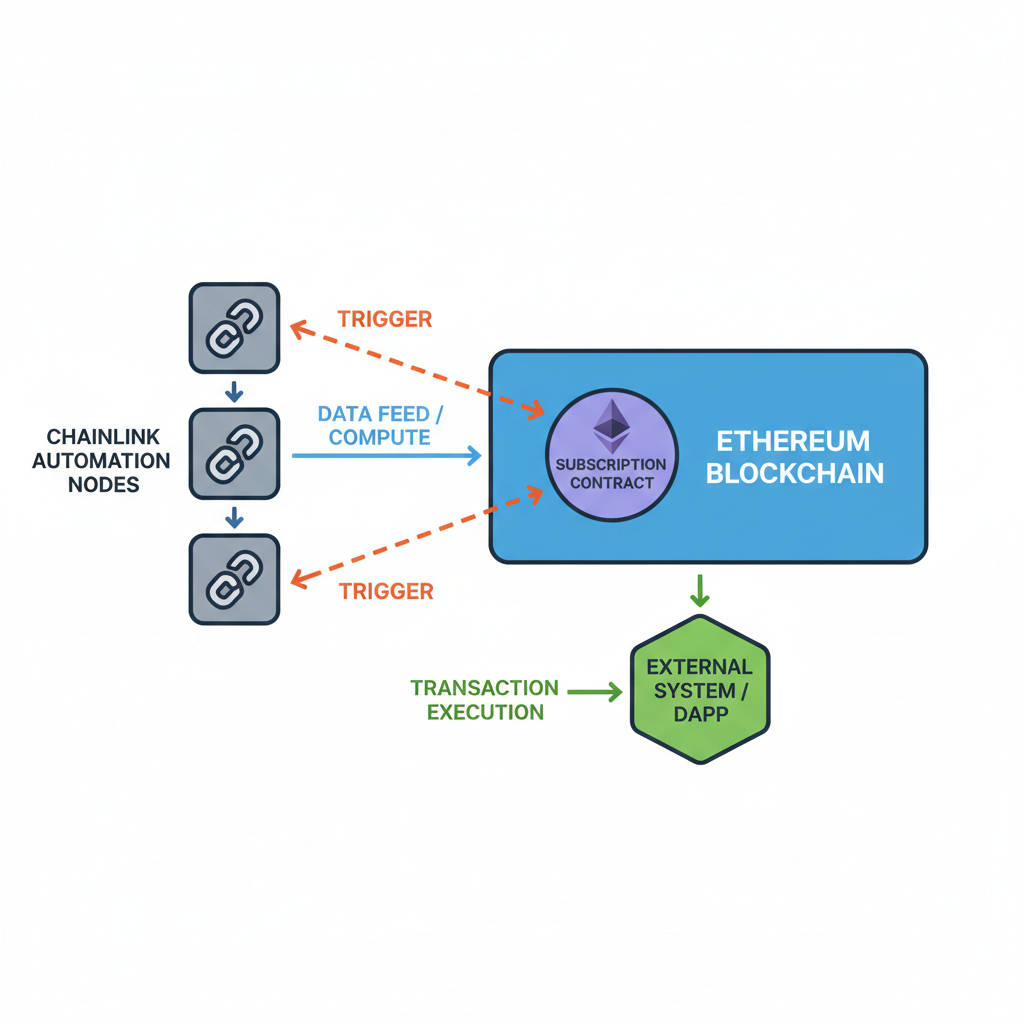
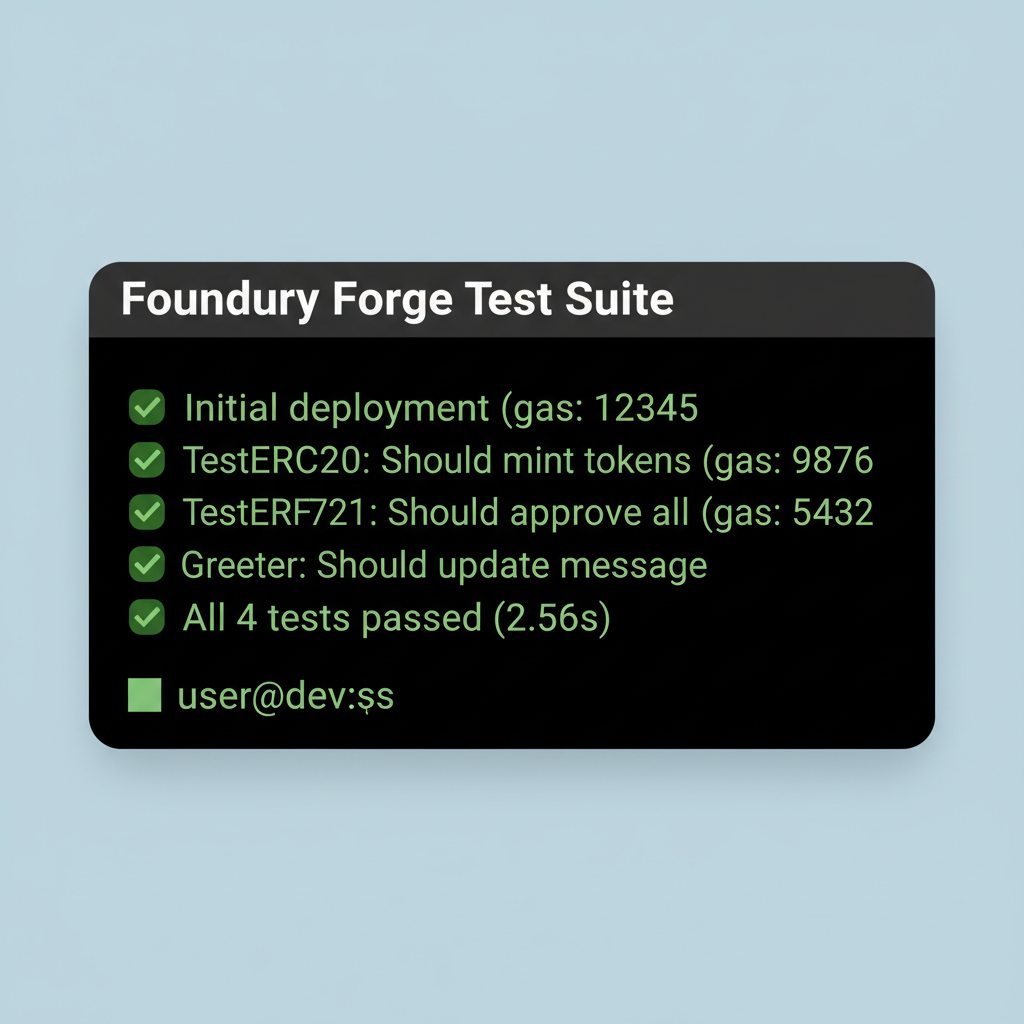
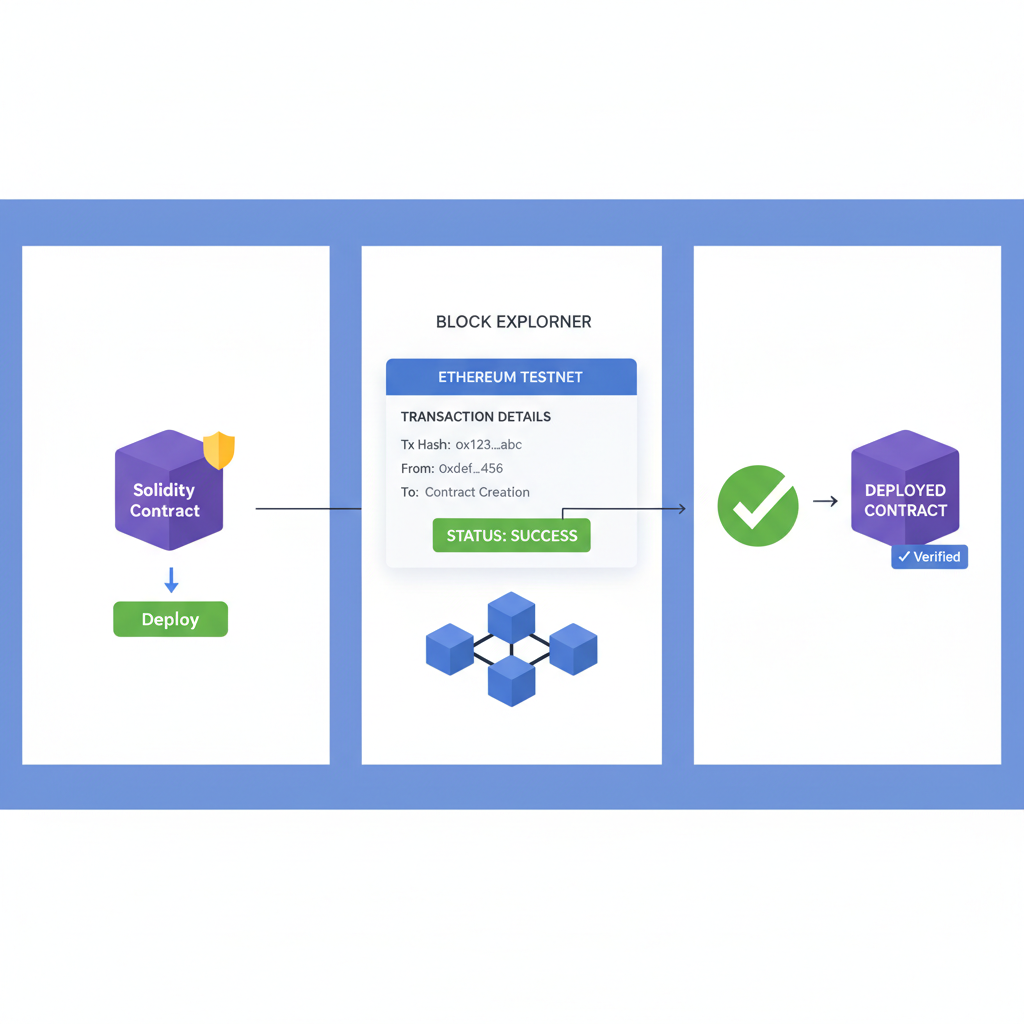
Foundry shines for testing: forge scripts fast-forward time, assert prorated balances match expectations within 1e-6 micros. Cover 80% and paths - upgrades mid-cycle, cancels day 1, multi-tier hops. Deploy to Sepolia first; mainnet gas at 20 gwei means optimize loops.
Real-World Wins and Pitfalls
Reddit threads confirm: fund contracts or delegate keys, but proration makes it user-friendly. CoinsBench evolves article paywalls similarly - map tiers to access keys, prorate on switch. Pitfalls? Timestamp manipulation (minimal post-Merge), rounding errors (fixed by ceiling upgrades, flooring refunds).
Data point: SaaS firms see 25% revenue lift from fair billing; onchain mirrors this with transparent events. Your subscribers verify every calc on Etherscan, building loyalty Stripe can't touch.
Stack Exchange naysayers miss the point - automation tools close the gap. Ethscriptions hype automation, but Solidity and Chainlink delivers today. Build it, test ruthlessly, deploy. Your blockchain dynamic invoicing just got enterprise-grade. Users upgrade mid-cycle? They pay precisely, stay longer, refer more. That's the onchain edge.




No comments yet. Be the first to share your thoughts!