
Recurring billing is the backbone of modern SaaS and digital content businesses, but until recently, implementing reliable onchain subscriptions with advanced features like proration on high-performance blockchains such as Solana was a daunting task. As of 2025, new tooling and best practices have emerged, making it possible to deploy automated, fair, and transparent subscription systems that leverage Solana’s lightning-fast throughput and low fees. With the current price of Binance-Peg SOL (SOL) at $158.07, the Solana ecosystem continues to attract developers building decentralized payment rails for the next generation of subscription businesses.
Why Onchain Subscriptions Need Proration
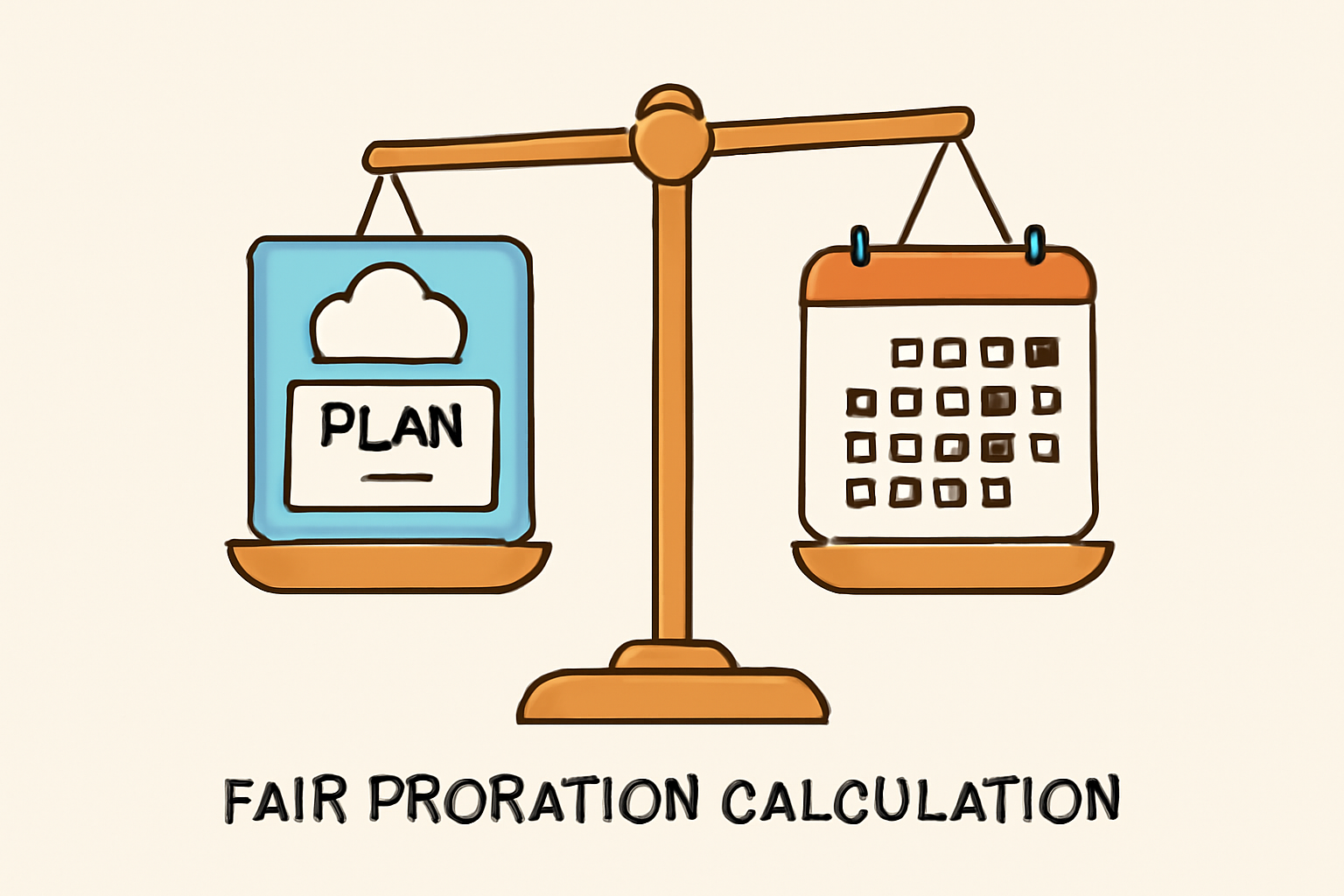
Traditional subscription models often struggle with fairness when users upgrade or downgrade their plans mid-cycle. Proration ensures customers pay only for what they use - a must-have for SaaS providers and decentralized platforms seeking to build trust and transparency. On Solana, proration is implemented directly in smart contracts, automatically adjusting charges based on the exact time spent on each plan tier.
This approach not only increases user satisfaction but also minimizes billing disputes. By anchoring all transactions onchain, you gain immutable records for every adjustment, making audits and customer support far simpler.
Core Components of an Onchain Subscription System on Solana
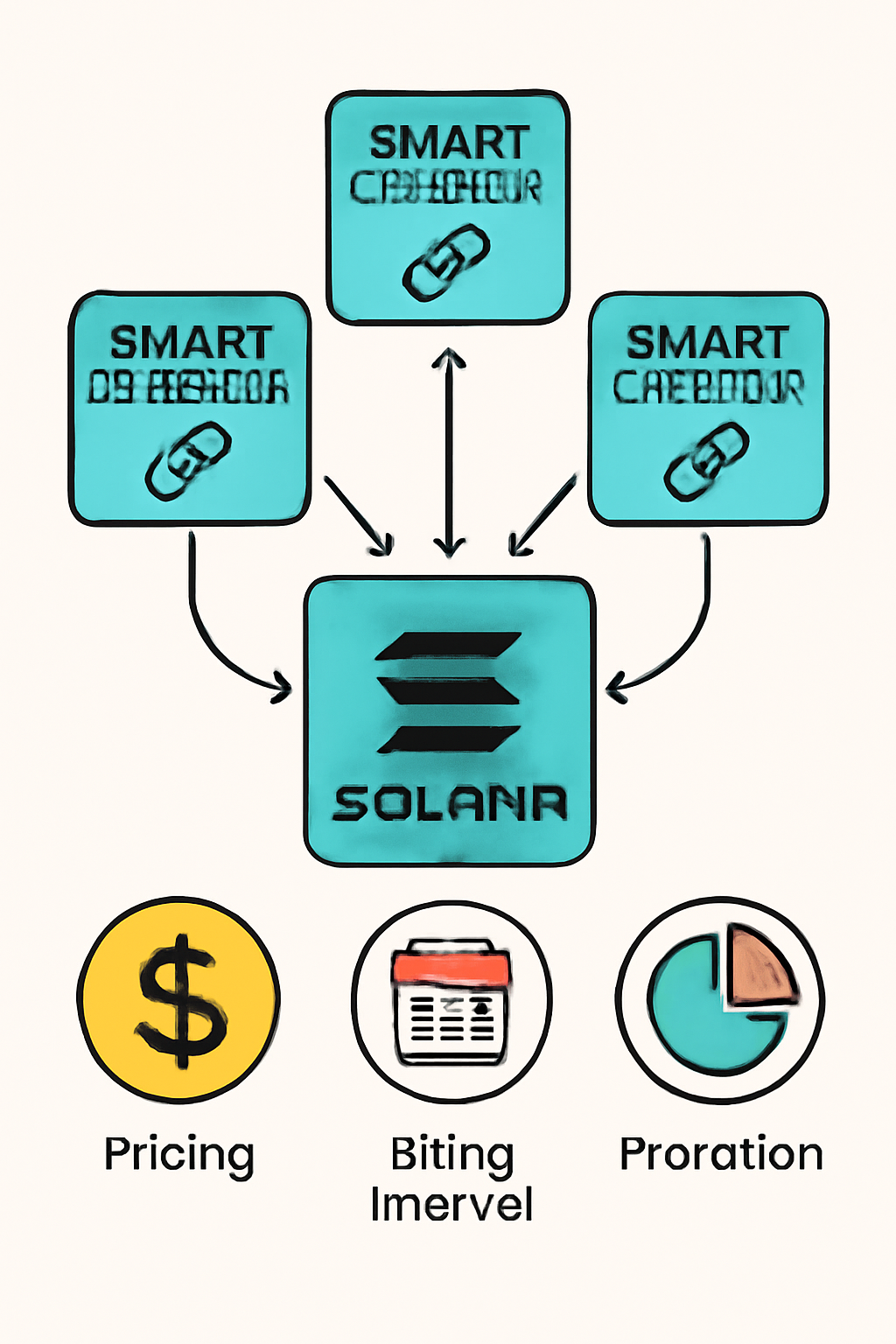
To implement a robust recurring billing system with proration on Solana in 2025, you’ll need to orchestrate several key components:
- Subscription Smart Contracts: Define plans, billing cycles, proration logic, upgrade/downgrade flows, and cancellation policies.
- Automated Payment Mechanisms: Utilize smart accounts (such as those from Squads) that allow users to pre-authorize recurring payments while retaining control over their funds.
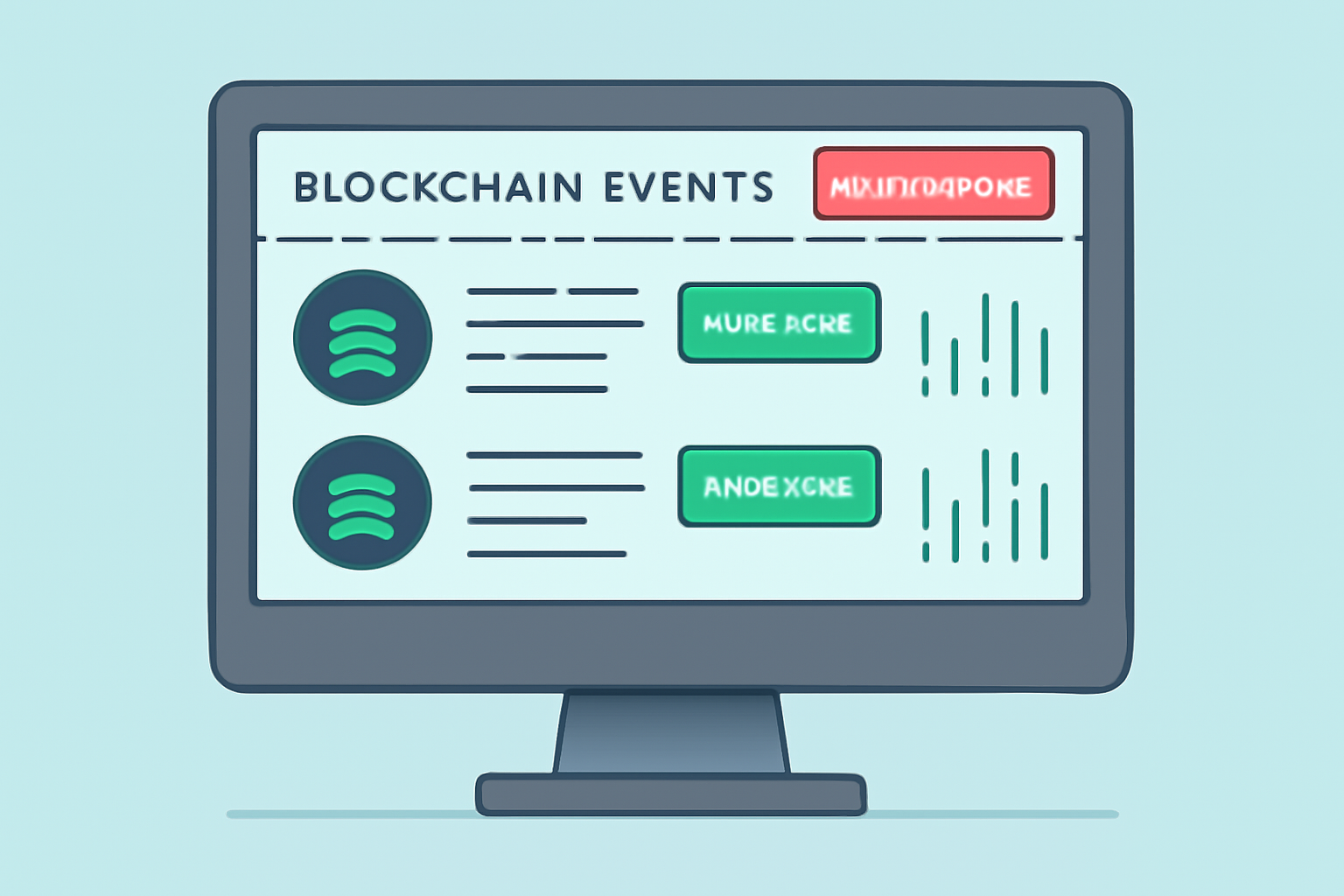
- Event Monitoring: Leverage Solana’s programSubscribe RPC method to listen for real-time changes in account data or lamport balances related to your contracts.
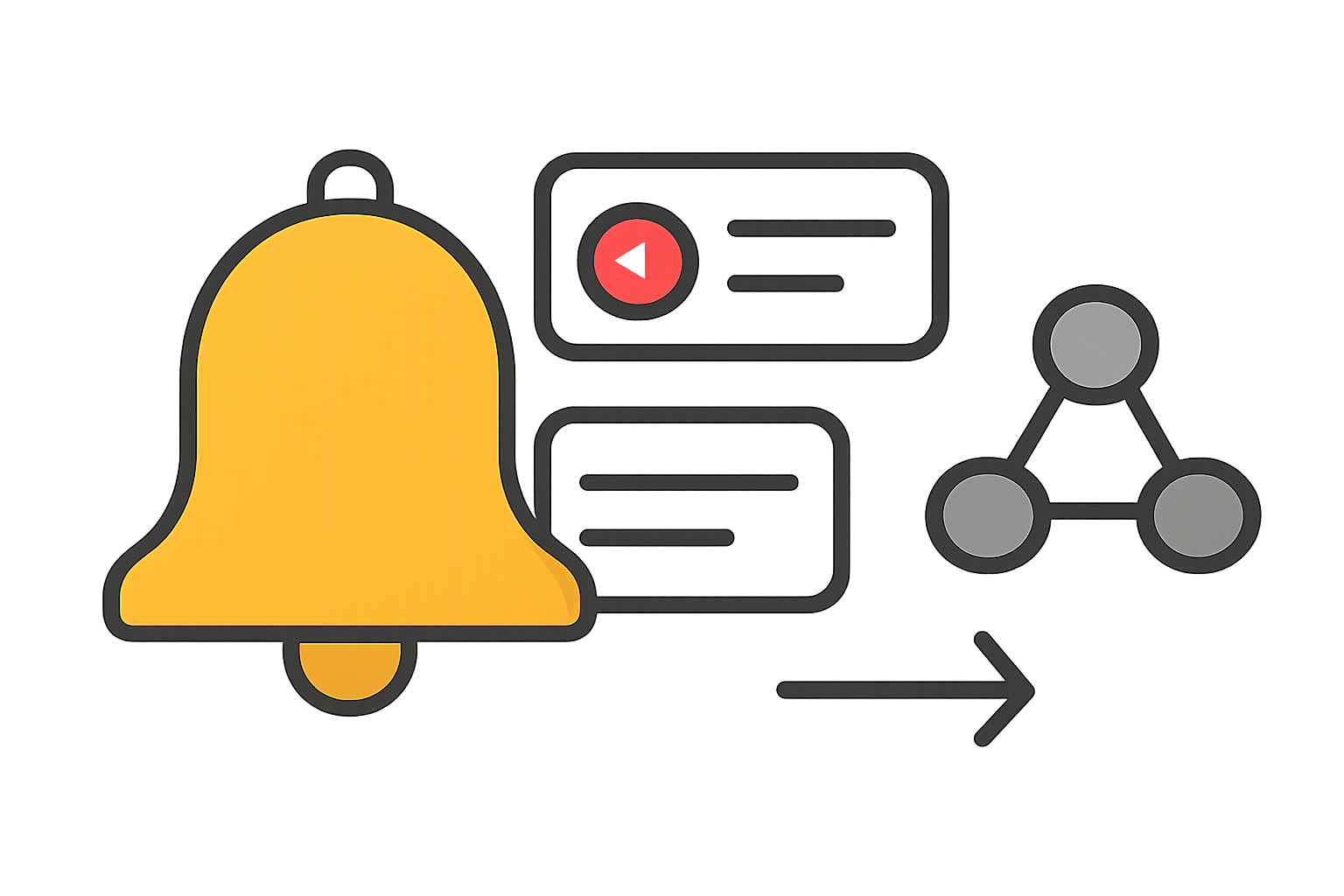
- User Notifications: Integrate webhook services or push notifications so users are instantly informed about billing events or required actions.
Step-by-Step Guide: Building Recurring Billing with Proration on Solana
The process can be distilled into a series of methodical steps. Below is an illustrated walkthrough covering everything from contract design to event monitoring and invoicing automation:
Implementing Onchain Recurring Subscriptions with Proration on Solana


If you’re looking for deep dives into specific implementation details - such as dynamic invoice generation or handling edge cases during plan changes - further resources are available at this practical guide.
The Role of Smart Accounts in Automated Payments
A significant innovation in 2025 is the widespread adoption of smart accounts for managing automated recurring payments on Solana. Unlike traditional custodial solutions or manual approvals every cycle, smart accounts (like those by Squads) enable users to set spending limits linked directly to subscription keys. This allows automatic debiting for subscription fees while maintaining strict user control over funds - no more overcharges or unauthorized withdrawals.
This architecture not only enhances security but also aligns perfectly with Web3 principles: self-custody, programmability, and transparency at every step of the billing process.
With these tools, businesses can now offer frictionless onboarding and seamless plan management, while users benefit from the assurance that their funds are only moved as authorized. As Solana’s ecosystem matures, expect further refinements in smart account tooling and UX, making recurring payments as effortless as their Web2 counterparts but with greater transparency and control.
Real-Time Monitoring and Dynamic Invoicing
Another critical advantage of onchain subscriptions on Solana is the ability to monitor events and trigger actions in real time. By subscribing to your program’s account changes using programSubscribe, you can detect new signups, cancellations, or plan modifications instantly. This enables your backend to generate dynamic invoices that reflect precise usage periods, including proration for mid-cycle changes, without manual reconciliation.
Integrating webhook services or leveraging third-party APIs such as Helius or Zerion lets your system push instant notifications to users and admins. Whether it’s a successful renewal at $158.07 per SOL or a failed payment due to insufficient balance, timely alerts keep everyone informed and reduce support overhead.
Sample Proration Logic in Rust (Anchor Framework)
Below is a simplified example illustrating how proration might be calculated within an Anchor-based Solana smart contract. This snippet assumes you track each user’s current plan, billing cycle start/end, and any mid-cycle changes:
Proration Calculation Example in Rust
When a user upgrades their subscription before the current billing cycle ends, you need to calculate how much they owe based on the time spent on each plan. Here is a Rust function that calculates the prorated amount given the old and new plan prices, the subscription period, and the upgrade time:
fn calculate_prorated_amount(
    old_plan_price: u64,        // price per period in lamports
    new_plan_price: u64,        // price per period in lamports
    period_start: u64,          // unix timestamp
    period_end: u64,            // unix timestamp
    upgrade_time: u64           // unix timestamp
) -> u64 {
    let total_period = period_end - period_start;
    let elapsed = upgrade_time - period_start;
    let remaining = period_end - upgrade_time;

    // Calculate the cost for the elapsed time at the old plan rate
    let old_cost = old_plan_price * elapsed / total_period;
    // Calculate the cost for the remaining time at the new plan rate
    let new_cost = new_plan_price * remaining / total_period;

    // The total prorated amount is the sum of both
    old_cost + new_cost
}

// Example usage:
// let amount_due = calculate_prorated_amount(100_000, 200_000, 1_700_000_000, 1_700_086_400, 1_700_043_200);
// This assumes a 1-day period (86400 seconds), upgrade at halfway point.
This function ensures users are charged fairly for the time spent on each subscription tier within the current billing cycle. Be sure to use Unix timestamps for all time values and lamports (the smallest unit of SOL) for price values.
The core idea is to compute the unused portion of the previous plan and apply it as a credit toward the new plan’s cost, ensuring fairness for both users and providers.
Security, Auditing, and Compliance
While automation is powerful, it must be paired with diligent security practices. Regularly audit your smart contracts for vulnerabilities using both automated tools and manual review. Implement robust access controls so only authorized actors can modify subscription parameters or withdraw funds. Transparent onchain records also make compliance easier, every adjustment or payment is immutably logged at prevailing rates (such as $158.07 per SOL), simplifying audits for both internal teams and external regulators.
Future-Proofing Your Subscription Stack
The market for decentralized recurring billing is evolving rapidly. As standards emerge around interoperability (think cross-chain subscriptions) and more user-friendly wallets are released, early adopters who invest in robust, transparent systems will enjoy significant advantages in user trust and operational efficiency.
- Optimize gas usage: Write lean contract logic to minimize transaction costs even as network activity fluctuates around price points like $158.07.
- Prioritize UX: Make onboarding intuitive, abstract away blockchain complexities wherever possible.
- Stay updated: Monitor Solana protocol upgrades that may impact billing intervals or event handling.
If you’re building SaaS platforms or digital content services wanting to leverage blockchain recurring billing with proration on Solana in 2025, now is the time to experiment with these best practices. For more actionable implementation strategies tailored to SaaS use cases, see our detailed resource at this walkthrough.




No comments yet. Be the first to share your thoughts!