

SaaS businesses are under increasing pressure to deliver transparent, accurate billing as customers demand flexibility in subscription management. Traditional payment rails often fall short when it comes to handling mid-cycle upgrades, downgrades, or cancellations. Enter onchain proration: a blockchain-native solution that leverages smart contracts to automate fair, real-time adjustments in SaaS billing cycles. By moving subscription logic and prorated calculations onchain, providers can eliminate manual intervention and reduce the risk of errors or disputes.
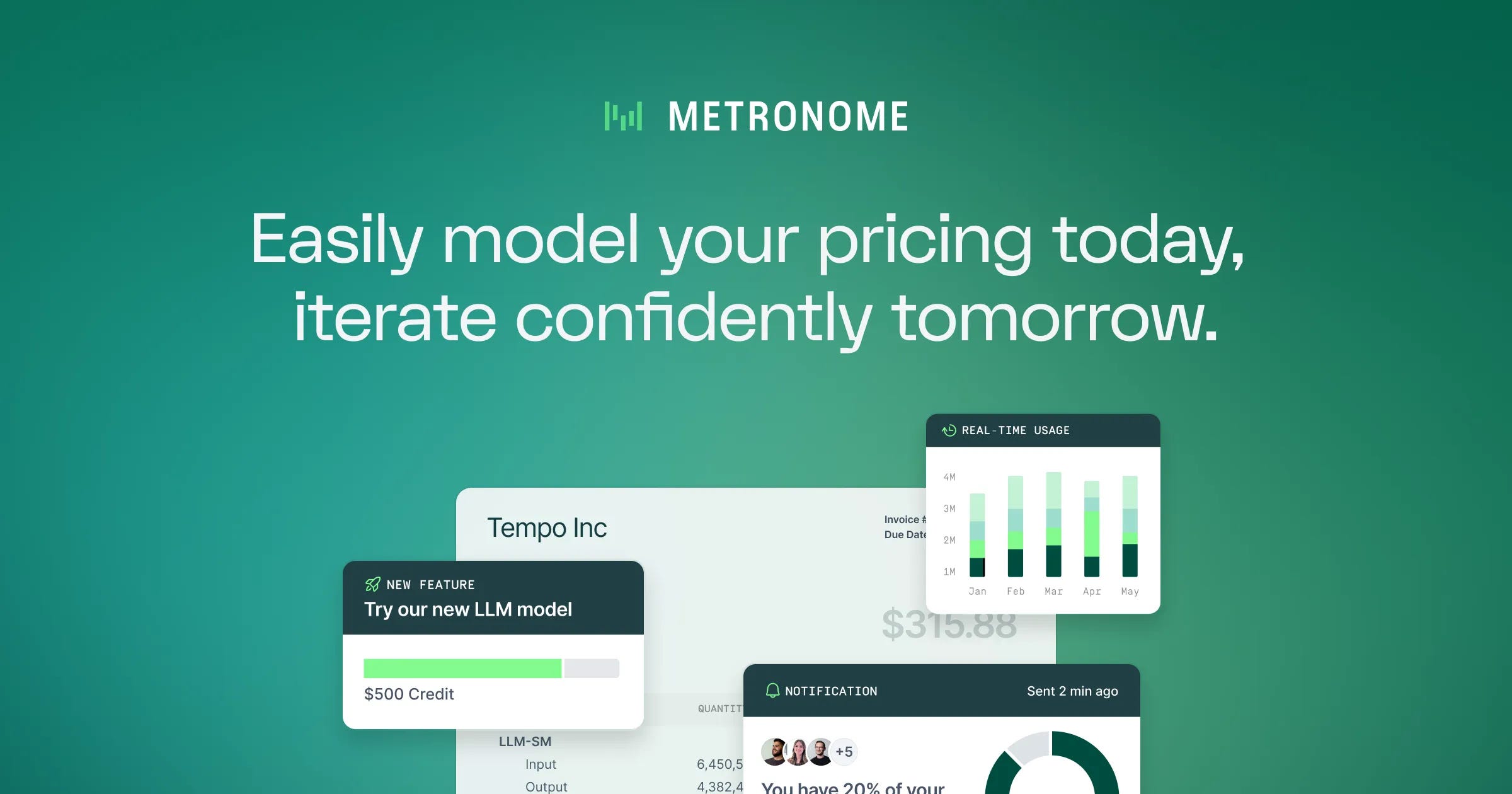
Why Proration Matters for Modern SaaS Billing
In today’s competitive SaaS landscape, customers expect to pay only for what they use. Proration ensures that when a customer changes their plan partway through a cycle, they’re charged precisely for the service consumed, no more, no less. For example, if a user upgrades from a $100/month plan to $150/month on day 15 of a 30-day period, the system should instantly calculate the correct split charge and any credits due. This granular accuracy not only builds trust but also strengthens retention by removing friction from the upgrade journey.
Blockchain proration takes this further by making every adjustment publicly auditable. All mid-cycle changes are immutably recorded onchain, giving both providers and subscribers confidence in the fairness of each transaction. As blockchain adoption accelerates, stablecoin volumes have surged to $250 billion in just 18 months according to Forbes, forward-thinking SaaS platforms are looking for ways to harness this technology for recurring subscriptions and dynamic invoicing.
Key Steps: Implementing Onchain Prorated Subscription Billing
Transitioning from legacy systems to decentralized billing automation requires careful planning. Let’s break down the three essential components that power accurate onchain proration for SaaS:
3 Key Steps for Onchain Prorated SaaS Billing
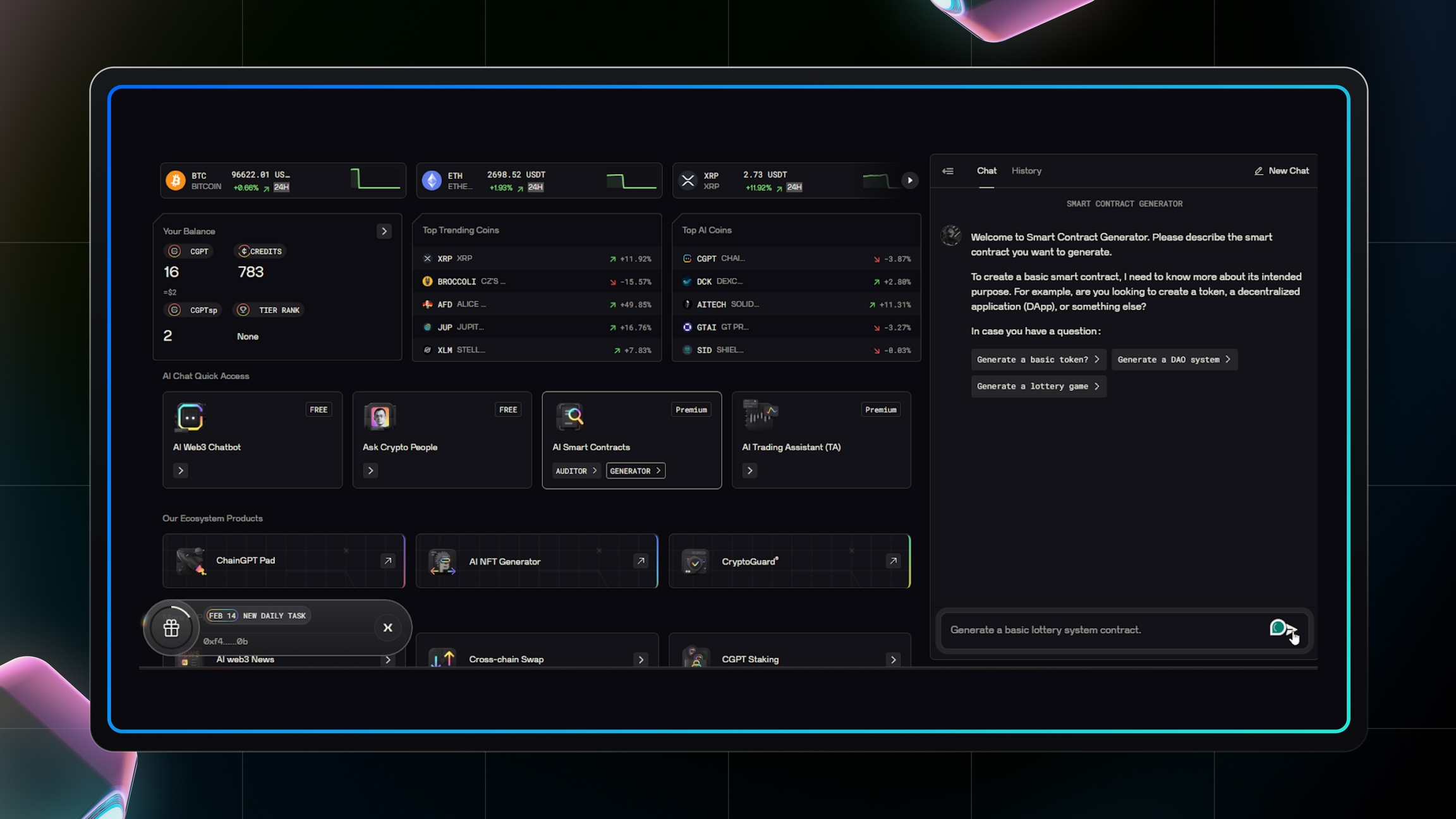
- Develop Smart Contracts with Proration CapabilitiesDesign and deploy robust smart contracts that can automatically calculate prorated charges for SaaS subscriptions. These contracts handle mid-cycle plan changes—like upgrades, downgrades, or cancellations—ensuring customers are billed precisely for what they use. Platforms such as SubscribeOnChain provide frameworks and best practices for implementing these smart contracts.
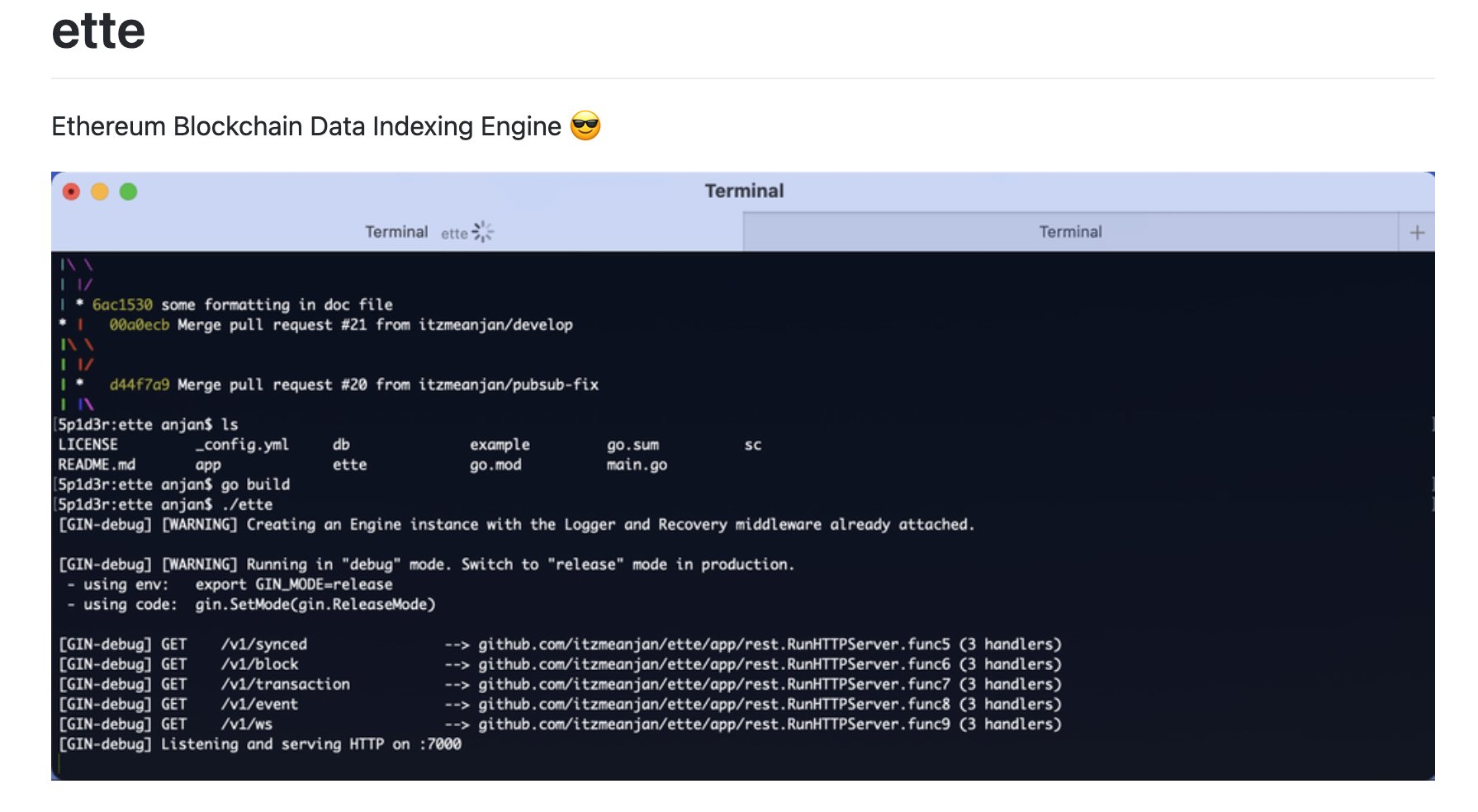
- Implement Onchain Time Tracking for Subscription EventsIntegrate onchain time tracking mechanisms to record every subscription event—activations, plan changes, cancellations—directly on the blockchain. This ensures all billing adjustments are transparent, auditable, and tamper-proof. Solutions like Aurpay Onchain Subscriptions leverage blockchain timestamps for accurate event logging.
- Automate Dynamic Invoice Generation and SettlementEnable automated, real-time invoice generation and settlement by connecting your smart contracts to payment rails and crypto wallets. This ensures instant, accurate billing and reduces manual intervention. Platforms such as Unisub and Aurpay offer tools for seamless invoice automation and crypto-based settlement.
1. Develop Smart Contracts with Proration Capabilities:
The foundation of onchain proration is robust smart contract design. These contracts encode business rules directly into code, calculating partial charges or credits automatically whenever users change their subscription tier mid-cycle. By embedding this logic into immutable contracts deployed on blockchain networks like Ethereum or Polygon, providers ensure consistent enforcement without manual oversight or risk of tampering.
This approach also enables programmable pricing models; smart contracts can dynamically adjust charges based on usage patterns or time elapsed within a billing period. The result is an automated system that guarantees fairness and compliance at scale.
Onchain Time Tracking: The Engine Behind Accurate Proration
The next critical step is implementing onchain time tracking. Unlike traditional systems that rely on off-chain clocks or server logs, which can be manipulated or desynchronized, blockchain timestamps provide an objective source of truth for all subscription events. Each upgrade, downgrade, or cancellation is recorded with an exact block timestamp, ensuring precise calculation of service periods.
This level of granularity allows smart contracts to determine exactly how long each plan was active during a cycle and apply proration formulas accordingly. It also simplifies compliance audits and dispute resolution since all event data is publicly verifiable.
If you’re interested in technical implementation details, including how time tracking integrates with smart contract logic, check out our guide here.
3. Automate Dynamic Invoice Generation and Settlement:
Once smart contracts and onchain time tracking are in place, the final pillar is automating invoice generation and settlement. Here, the blockchain’s programmability truly shines: as soon as a subscription event (like an upgrade) occurs, the contract instantly recalculates any prorated amounts, issues a new invoice, and can even trigger payment collection autonomously. This eliminates lag between usage changes and billing, while also reducing administrative overhead.
For SaaS providers, this means every mid-cycle adjustment is reflected in real-time invoices that customers can view and verify onchain. No more waiting for manual reconciliations or worrying about missed charges, the system is self-executing and fully transparent. With dynamic invoicing, both providers and users benefit from immediate feedback on billing status, credits due, or outstanding balances.
Solidity Example: Automated Prorated Invoice Generation
Let's look at a practical Solidity example that demonstrates how to generate prorated invoices for SaaS subscriptions onchain. This contract tracks user subscriptions, calculates the prorated amount based on elapsed time, and emits an invoice event.
// SPDX-License-Identifier: MIT
pragma solidity ^0.8.0;

contract SaaSProratedBilling {
    struct Subscription {
        address user;
        uint256 startTime;
        uint256 endTime;
        uint256 monthlyRateWei;
        bool active;
    }

    mapping(address => Subscription) public subscriptions;

    event InvoiceGenerated(address indexed user, uint256 amountWei, uint256 startTime, uint256 endTime);

    // Start a new subscription
    function startSubscription(uint256 monthlyRateWei, uint256 durationDays) external {
        require(!subscriptions[msg.sender].active, "Already subscribed");
        uint256 nowTime = block.timestamp;
        uint256 endTime = nowTime + durationDays * 1 days;
        subscriptions[msg.sender] = Subscription({
            user: msg.sender,
            startTime: nowTime,
            endTime: endTime,
            monthlyRateWei: monthlyRateWei,
            active: true
        });
    }

    // Generate a prorated invoice for the current period
    function generateProratedInvoice(address user) external returns (uint256) {
        Subscription storage sub = subscriptions[user];
        require(sub.active, "No active subscription");
        require(block.timestamp <= sub.endTime, "Subscription expired");

        uint256 elapsedSeconds = block.timestamp - sub.startTime;
        uint256 totalPeriodSeconds = sub.endTime - sub.startTime;
        uint256 invoiceAmount = (sub.monthlyRateWei * elapsedSeconds) / 30 days;

        emit InvoiceGenerated(user, invoiceAmount, sub.startTime, block.timestamp);
        return invoiceAmount;
    }

    // End subscription and generate final prorated invoice
    function endSubscription() external returns (uint256) {
        Subscription storage sub = subscriptions[msg.sender];
        require(sub.active, "No active subscription");
        sub.active = false;
        uint256 elapsedSeconds = block.timestamp - sub.startTime;
        uint256 invoiceAmount = (sub.monthlyRateWei * elapsedSeconds) / 30 days;
        emit InvoiceGenerated(msg.sender, invoiceAmount, sub.startTime, block.timestamp);
        return invoiceAmount;
    }
}
This contract provides a foundation for automated, transparent, and accurate proration of SaaS subscription fees directly on the blockchain. You can extend it to handle payments, upgrades, or more complex billing cycles as needed.
Benefits of Decentralized Billing Automation
Adopting onchain proration isn’t just about accuracy, it’s also about building trust, optimizing revenue recognition, and future-proofing your SaaS business. By leveraging decentralized billing automation:
- Disputes are minimized: All calculations are auditable by anyone with a blockchain explorer.
- Cash flow improves: Prorated charges and settlements happen instantly after every subscription event.
- User experience is elevated: Customers receive clear, itemized invoices that reflect real usage.
- Compliance is simplified: Immutable records support transparent audits and regulatory requirements.
This approach aligns directly with the demands of global SaaS markets where fairness, transparency, and automation are non-negotiable expectations. As stablecoin transaction volumes hit $250 billion in just 18 months (Forbes), it’s clear that blockchain-powered recurring subscriptions aren’t just a trend, they’re rapidly becoming best practice for digital businesses looking to scale with confidence.
Takeaways: Why Onchain Proration is the Future of SaaS Billing
If you’re building or scaling a SaaS platform today, ignoring blockchain-based automation could leave you behind. The synergy between programmable smart contracts, tamper-proof time tracking, and dynamic invoicing delivers not only operational efficiency but also measurable customer trust.
Want to explore more technical strategies or see live examples? Dive deeper into practical guides like this step-by-step walkthrough or learn how leading Web3 projects automate mid-cycle changes in our resource library at SubscribeOnChain. com.
The bottom line: Onchain proration isn’t just an upgrade, it’s a paradigm shift for SaaS subscription management. Those who embrace it now will set new standards for transparency, agility, and customer loyalty in the years ahead.




No comments yet. Be the first to share your thoughts!