


Recurring SaaS billing has always relied on trust and accuracy, but as customer expectations evolve, so must the technology behind subscription management. Today, onchain proration is becoming the gold standard for fair, transparent billing, especially when users upgrade or downgrade their plans mid-cycle. By leveraging smart contracts and blockchain automation, SaaS businesses can deliver seamless experiences that boost both revenue and customer satisfaction.

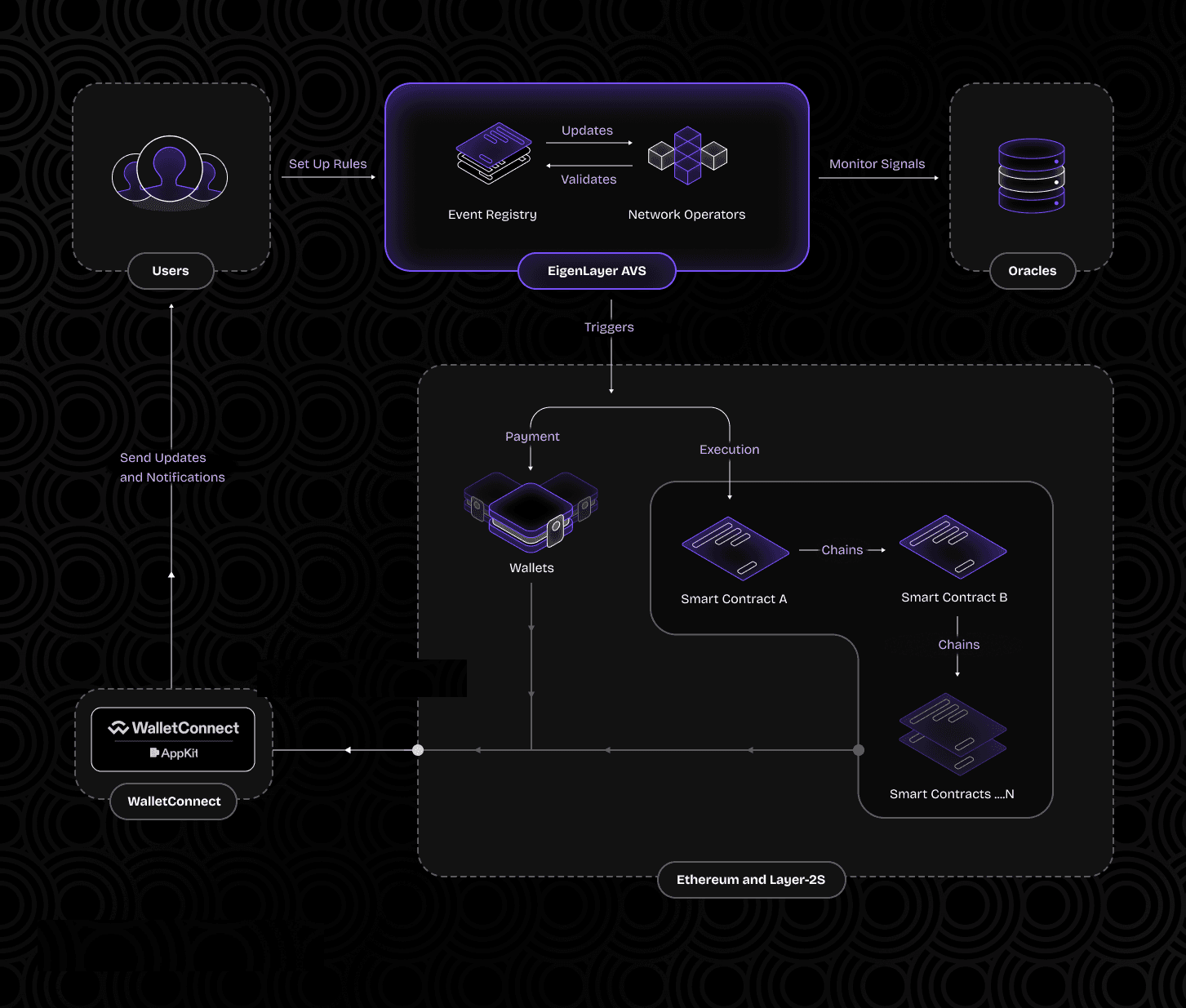
Why Onchain Proration Matters in SaaS Billing
Traditional subscription systems often struggle with mid-cycle changes. Customers who switch plans are either overcharged or undercharged, leading to support headaches and lost trust. Onchain proration solves this by automatically adjusting charges based on actual usage within a billing period, right down to the second if needed.
If a customer moves from a $100/month plan to a $150/month plan halfway through their cycle, proration ensures they pay exactly what they owe: $50 for the first half at $100/month, then $75 for the second half at $150/month. This kind of granular fairness is only possible with blockchain’s transparency and automation.
Step 1: Define Subscription Plans, Pricing, and Billing Cycles Onchain
The foundation of any successful onchain subscription system is a clear definition of your offerings. Start by outlining your SaaS tiers (for example: Basic, Pro, Enterprise), their respective pricing ($100/month, $150/month, etc. ), and billing cycles (monthly or annual). Codify these details directly into your smart contracts so that every user action triggers predictable outcomes on-chain.
This approach not only standardizes billing logic but also creates an immutable record of all pricing changes, critical for audits and customer disputes. For more technical guidance on this step-by-step process, see this practical guide.
Step 2: Design Smart Contracts to Handle Dynamic Proration Logic
Once your plans are defined, it’s time to build the brains of your system: smart contracts that calculate prorated charges in real time. These contracts should:
- Dynamically adjust charges whenever a user upgrades or downgrades their plan within an active cycle.
- Reference timestamps, plan prices, and user actions to calculate exactly how much is owed for each portion of the cycle.
- Create transparent logs of every adjustment, so both you and your customers can verify every calculation directly on-chain.
This level of automation reduces manual intervention while building trust through transparency, a huge win for both developers and business teams.
Step 3: Integrate Real-Time Usage Tracking and Event Triggers
The next step is connecting your smart contracts to real-world events. By integrating real-time usage tracking, such as API calls made or features accessed, you can trigger proration adjustments instantly when users take action. For example:
- A customer clicks “Upgrade” in their dashboard; a blockchain event is triggered.
- Your smart contract recalculates the remaining balance using precise timestamps.
- The new invoice reflects only what’s actually used at each tier.
This event-driven approach not only ensures absolute accuracy but also enables truly dynamic invoicing, one of the biggest advantages of moving recurring SaaS billing onto blockchain rails.
If you want to dive deeper into automated invoicing strategies powered by smart contracts, check out our in-depth resource on step-by-step implementation for SaaS platforms.
Step 4: Implement Automated Onchain Invoicing and Payment Collection
Once your smart contracts are handling proration and responding to real-time events, it’s time to automate the nuts and bolts of billing: invoicing and payment collection. With onchain invoicing for SaaS, every invoice is generated transparently by the smart contract whenever a subscription event occurs, be it an upgrade, downgrade, or renewal. The invoice details, including prorated charges, are immutably recorded on the blockchain so both you and your customers can verify them anytime.
Automated payment collection is just as critical. By integrating with crypto payment gateways and supporting stablecoins or major cryptocurrencies, your platform can pull subscription payments directly from user wallets based on the smart contract’s schedule. No more chasing down late payments or reconciling manual invoices, the process is trustless and self-enforcing by design.
Solidity Example: Prorated Subscription Charge Calculation
Let’s look at a simple Solidity contract that demonstrates how to calculate prorated charges when a user changes their subscription plan in the middle of a billing cycle.
// SPDX-License-Identifier: MIT
pragma solidity ^0.8.0;

contract SaaSProration {
    struct Subscription {
        uint256 startTime;
        uint256 lastPlanChange;
        uint256 planPricePerMonth; // in wei
        uint256 currentPlanPricePerMonth; // in wei
        uint256 lastChargedTime;
    }

    mapping(address => Subscription) public subscriptions;

    // Simulate plan change mid-cycle and calculate prorated charge
    function changePlan(address user, uint256 newPlanPricePerMonth, uint256 currentTime) public returns (uint256) {
        Subscription storage sub = subscriptions[user];
        require(sub.startTime > 0, "Subscription does not exist");

        uint256 billingCycleStart = sub.lastChargedTime;
        uint256 billingCycleEnd = billingCycleStart + 30 days;
        require(currentTime >= billingCycleStart && currentTime <= billingCycleEnd, "Invalid time");

        uint256 timeUsed = currentTime - billingCycleStart;
        uint256 timeLeft = billingCycleEnd - currentTime;

        // Prorated charges
        uint256 oldPlanCharge = (sub.planPricePerMonth * timeUsed) / 30 days;
        uint256 newPlanCharge = (newPlanPricePerMonth * timeLeft) / 30 days;
        uint256 totalCharge = oldPlanCharge + newPlanCharge;

        // Update subscription
        sub.planPricePerMonth = newPlanPricePerMonth;
        sub.lastPlanChange = currentTime;
        sub.lastChargedTime = billingCycleStart; // stays the same until next cycle

        return totalCharge;
    }

    // For demonstration: start a subscription
    function startSubscription(uint256 planPricePerMonth, uint256 currentTime) public {
        require(subscriptions[msg.sender].startTime == 0, "Already subscribed");
        subscriptions[msg.sender] = Subscription({
            startTime: currentTime,
            lastPlanChange: currentTime,
            planPricePerMonth: planPricePerMonth,
            currentPlanPricePerMonth: planPricePerMonth,
            lastChargedTime: currentTime
        });
    }
}
This example assumes monthly billing cycles and calculates the charge based on the time spent on the old plan and the remaining time on the new plan within the same cycle. You can expand this logic to handle more complex scenarios as needed.
Step 5: Audit, Test, and Monitor Proration Flows for Accuracy and Security
With great automation comes great responsibility! Before going live with your onchain proration system, comprehensive testing is non-negotiable. Audit your smart contracts with reputable third-party firms to catch vulnerabilities or edge cases in your proration logic. Simulate various user actions, mid-cycle upgrades, downgrades, cancellations, and verify that every scenario produces accurate invoices both on-chain and in your customer dashboard.
Ongoing monitoring is just as important as initial audits. Set up alerts for anomalous transactions or failed payments. Regularly review logs to ensure that every proration event matches expected outcomes. This proactive approach keeps you ahead of potential issues while reinforcing customer trust in your billing system.
Why SaaS Teams Are Embracing Blockchain Recurring Billing
The shift toward blockchain recurring billing isn’t just about transparency, it’s about agility, automation, and empowering users. When customers know they’re only paying for what they use (down to the second), satisfaction soars. And when finance teams can audit every invoice with a single click (or block explorer search), disputes drop dramatically.
This new paradigm also unlocks global reach: with crypto payments baked in from day one, SaaS businesses can serve customers anywhere without worrying about cross-border payment friction or currency conversions.
Ready to Build? Start Small and Iterate
If you’re considering this leap into automated, transparent subscription management, don’t feel pressured to overhaul everything at once. Many teams begin by running a pilot program, perhaps just one product tier, before rolling out full onchain proration across their entire portfolio. The key is to iterate fast: gather feedback from early users, refine your smart contract logic, and keep security top of mind at every step.
The future of SaaS billing will be programmable, precise, and provable, and those who embrace these innovations today will be tomorrow’s leaders in user trust and operational efficiency.
About the Author