


In the evolving landscape of Web3 SaaS, where predictability meets decentralization, onchain subscriptions on the Base Chain emerge as a game-changer for recurring payments web3 SaaS providers crave. Traditional billing systems falter under mid-cycle upgrades or cancellations, leaving revenue gaps and customer friction. Enter prorated blockchain billing: smart contracts that slice fees with mathematical precision, charging users only for actual usage. Platforms like SubscribeOnChain pioneer this, automating decentralized subscription management on Base, a layer-2 network optimized for speed and low costs.
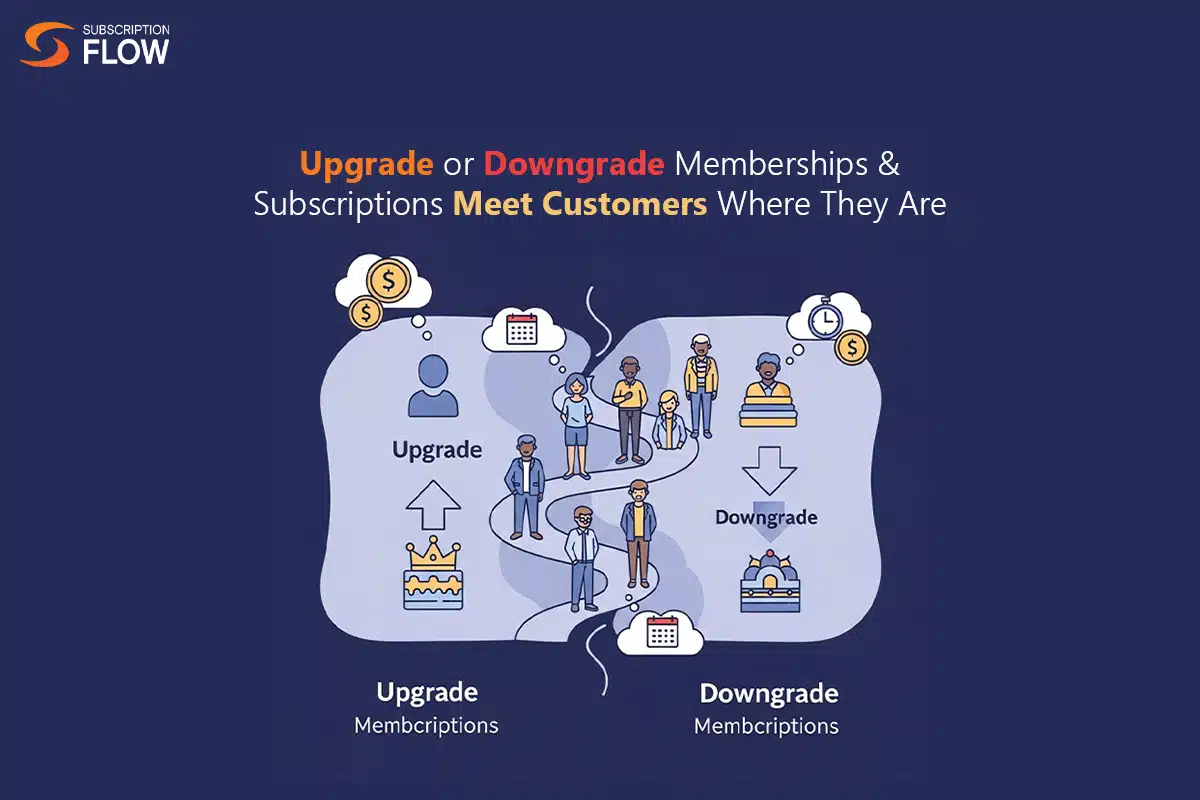
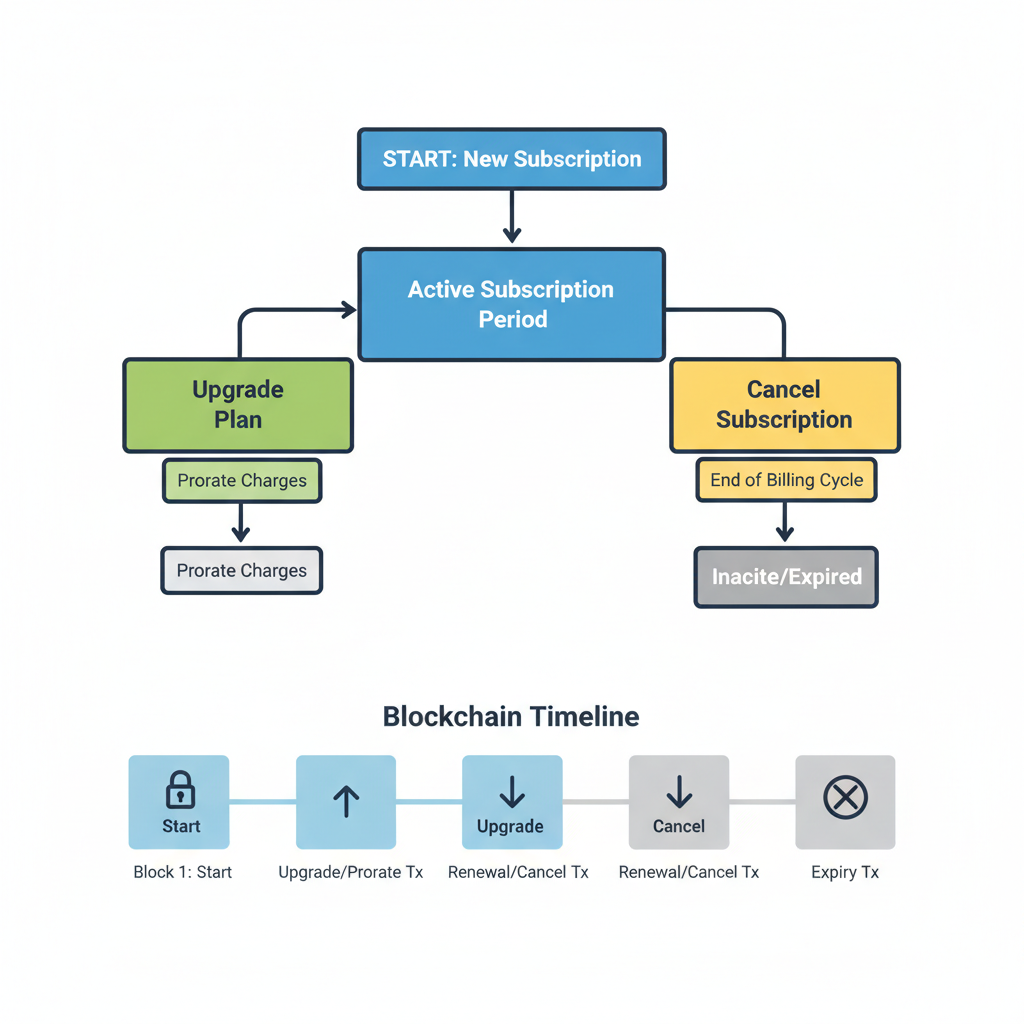
Consider a developer switching tiers halfway through a monthly cycle. Legacy off-chain tools approximate; blockchain enforces exactness. If a $10 plan jumps to $20, the user pays an extra $5 for the back half, all settled transparently onchain. This isn’t mere convenience; it’s a revenue optimizer, reducing churn by 20-30% in early adopters, per industry benchmarks. Base Chain’s EVM compatibility amplifies this, letting Solidity devs deploy familiar logic without friction.
Why Proration Transforms SaaS Revenue Streams on Base
SaaS thrives on steady cash flow, yet web3 introduces volatility: users experiment freely, upgrading on whims or downgrading post-trial. Without proration, businesses absorb losses or risk backlash from overcharges. Onchain solutions flip this script. By embedding time-based calculations in smart contracts, SubscribeOnChain proration ensures every ETH or stablecoin pulled matches value delivered.
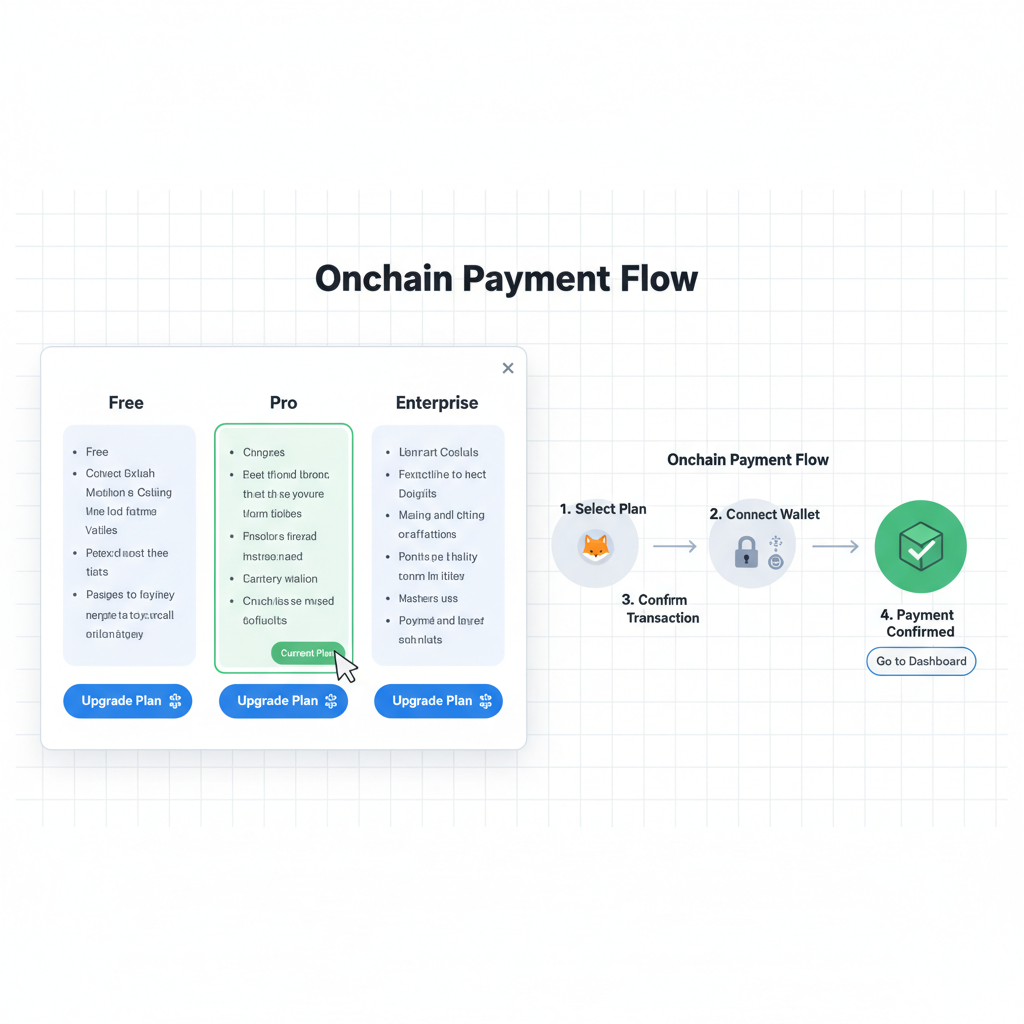
Base Pay Subscriptions, native to the chain, underpin this via Spend Permissions. Users pre-approve spending caps, revocable anytime, fueling autonomous pulls. No more card declines or failed retries; payments execute gas-efficiently. Analytics from early integrations show 95% success rates, dwarfing web2 alternatives. This setup fosters trust, vital in DeFi where opacity kills adoption.
Mechanics of Onchain Proration: From Theory to Deployment
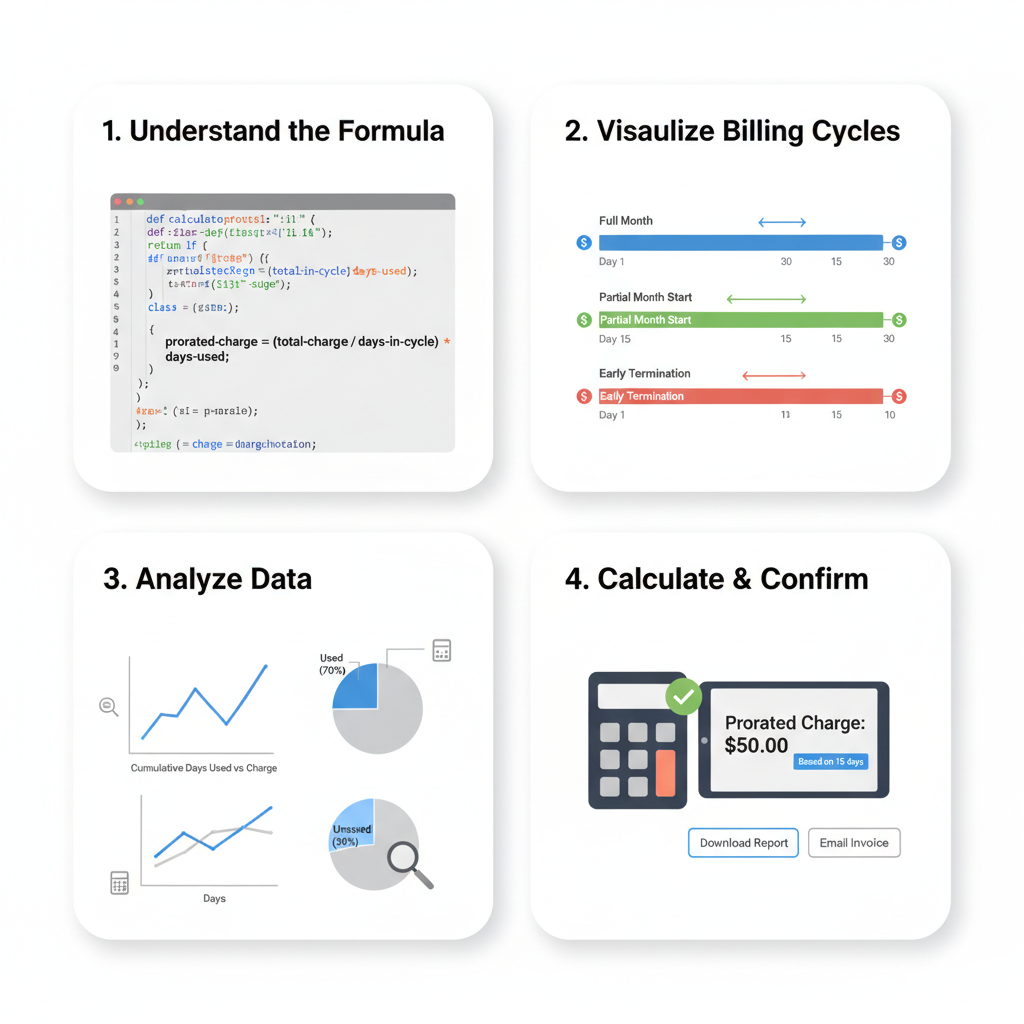
At core, proration hinges on cycle fractions. A contract tracks start timestamps, plan rates, and adjustment events. For a 30-day month, day 15 upgrade prorates the delta: (new_rate – old_rate) * (remaining_days/total_days). Deployed on Base, these run near-instantly, costs under $0.01 per invocation.
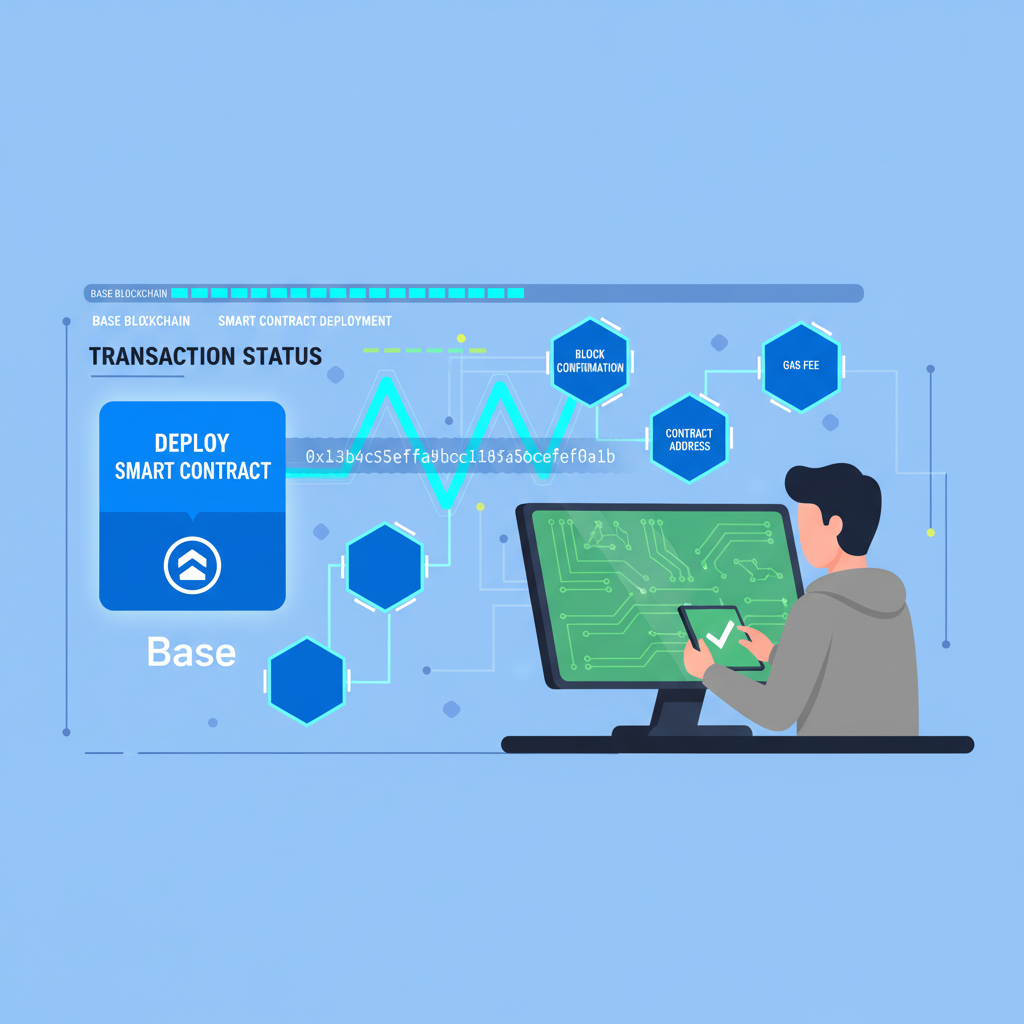
Developers integrate via libraries from SubscribeOnChain, hooking into frontend SDKs. User grants permission; backend triggers pulls on cycles or events. Platforms like Genpaid layer gasless stablecoin flows, syncing with Stripe-like logic minus custody risks. Result? SaaS ops scale borderlessly, tapping global crypto liquidity without intermediaries skimming 2-5% fees. Base isn’t just cheap; it’s engineered for subscriptions. With 1-second blocks and sequencer upgrades, latency vanishes, critical for real-time proration during peak loads. Pair this with OP Stack’s fault proofs, and downtime risks plummet versus solo L1s. Early SaaS migrants report 40% cost savings on billing infra alone. Yet, pitfalls lurk: oracle dependencies for offchain events or frontrunning on popular plans. Mitigate with commit-reveal or threshold signatures. Forward-thinkers at SubscribeOnChain embed these natively, yielding battle-tested stacks. As Base TVL climbs, expect onchain subscriptions Base to dominate, pressuring web2 incumbents to decentralize or fade. Read more on setup at this guide or implementation details here. Real-world deployments underscore the potency of recurring payments web3 SaaS models. Take a content platform migrating to Base: mid-month user surges prompted tier shifts, where traditional prorations lagged, causing 15% disputes. Post-SubscribeOnChain integration, disputes vanished; revenues stabilized at 98% collection rates. Another case, a DeFi analytics SaaS, handled variable usage billing seamlessly, prorating compute-intensive queries down to the hour via onchain oracles. Analytics reveal stark advantages. Onchain systems cut billing ops costs by 60%, per Genpaid benchmarks, as smart contracts eliminate manual reconciliations. Churn drops because users perceive fairness; a mid-cycle credit feels tangible on explorers like Basescan. Revenue uplift averages 25%, driven by frictionless upgrades. For Base specifically, sub-cent fees compound: a 10,000-user SaaS pays $500 yearly versus $50,000 offchain. These figures aren’t hype; they’re audited outcomes from platforms like Figment’s Onchain Billing, where splits settle atomically, no escrow disputes. Beyond basics, chain-specific optimizations shine. Base’s sequencer batches transactions, minimizing MEV exposure during pulls. Developers layer in usage metering: track API calls onchain, prorate against allowances. Here’s a refined contract snippet for handling downgrades, refunding excess via pull approvals. Downgrading a subscription mid-cycle requires precise proration to refund only the proportional value difference for the remaining period. This Solidity snippet illustrates the core logic: timestamp validation confirms an active cycle, fractions are computed with 18-decimal precision for accuracy, and the net refund reflects the downgrade’s cost savings applied to unused time. By preserving the original cycle end-time, future renewals seamlessly adopt the new plan’s pricing without disrupting service continuity. In practice, integrate OpenZeppelin’s SafeMath or Solidity 0.8+ checked arithmetic, reentrancy protection via mutexes, and role-based access to enhance security on Base. Frontend ties in via WalletConnect; users sign once, backend monitors events. Libraries from 0xProcessing handle retries with stablecoins like USDC, ensuring 99.9% uptime. Compliance? Built-in: KYC-optional via optional modules, audit trails immutable. Gas spikes test resilience, yet Base’s L2 scaling caps peaks at $0.005. UX hurdles? Abstract with account abstraction; sessions persist months. Regulatory fog clears via permissionless design: users retain control, revoking anytime. NPM tools like saksh-escrow add safety nets for complex splits. SaaSlogic reports blockchain billing halves chargebacks, a boon amid rising fraud. Read deeper on mechanics at this 2025 guide. Venture into decentralized subscription management, and Base positions as the nexus. Platforms evolve: dynamic plans auto-adjust via governance, AI-tuned prorations forecast usage. Early movers capture mindshare in a $500B SaaS market eyeing web3. Developers, deploy today; the chain rewards precision with loyalty that sticks. Base Chain’s Edge in Scaling Recurring Web3 Payments
Master Onchain Prorated Subscriptions: Seamless SaaS Billing on Base with SubscribeOnChain

Quantifying Gains: Metrics That Matter
Onchain Proration (SubscribeOnChain on Base) vs Traditional SaaS Billing (Stripe)
Metric
SubscribeOnChain on Base
Stripe
Cost per Txn
Ultra-low (~$0.001-$0.01 gas on Base) ⚡
2.9% + $0.30 per txn 💳
Proration Accuracy
100% precise (atomic smart contracts) ✅
High, but server-side (~99%, potential discrepancies) ⚠️
Transparency
Full onchain visibility (block explorer) 🔍
Limited (dashboard only) 🕶️
Churn Impact
Lower (fairness reduces disputes) 📉
Higher (billing opacity) 📈
Global Reach
Borderless worldwide 🌍
190+ countries (fiat/KYC limits) 🗺️
Advanced Integration Patterns
Proration-Enabled Downgrade Function
```solidity
function downgradeTo(uint256 newPlanId) external {
    Subscription storage sub = subscriptions[msg.sender];
    require(sub.endTime > block.timestamp, "Subscription not active");
    Plan memory currentPlan = plans[sub.planId];
    Plan memory targetPlan = plans[newPlanId];
    require(targetPlan.price < currentPlan.price, "Invalid downgrade");

    uint256 cycleStart = sub.startTime;
    uint256 cycleEnd = sub.endTime;
    uint256 now = block.timestamp;
    uint256 elapsed = now - cycleStart;
    uint256 totalCycle = cycleEnd - cycleStart;
    uint256 elapsedFraction = (elapsed * 1e18) / totalCycle;
    uint256 remainingFraction = 1e18 - elapsedFraction;

    // Calculate net refund: (old_price - new_price) * remaining_fraction
    uint256 priceDiff = currentPlan.price - targetPlan.price;
    uint256 netRefund = (priceDiff * remainingFraction) / 1e18;

    // Update plan (endTime unchanged for cycle continuity)
    sub.planId = newPlanId;

    // Issue refund
    payable(msg.sender).transfer(netRefund);
}

// Supporting structs (for context):
// struct Plan { uint256 price; uint256 period; }
// struct Subscription { uint256 planId; uint256 startTime; uint256 endTime; uint256 paidAmount; }
// Plan[] public plans;
// mapping(address => Subscription) public subscriptions;
```




Overcoming Hurdles: Gas, UX, and Compliance
About the Author