
In the evolving landscape of Solana reward protocols like Commit Protocol, where users lock assets to earn yields, fair billing becomes a competitive edge. Traditional off-chain systems falter under Web3's demands for transparency and automation. Enter prorated onchain subscriptions Solana: a mechanism that charges users precisely for their active periods, prorating fees down to the second. With SOL at $84.40, up 0.0182% in the last 24 hours, Solana's sub-cent fees enable this without eroding margins. Protocols like Tributary highlight the push for native recurring payments, addressing historical barriers like high gas and latency.
Why Proration Matters for Reward Protocols
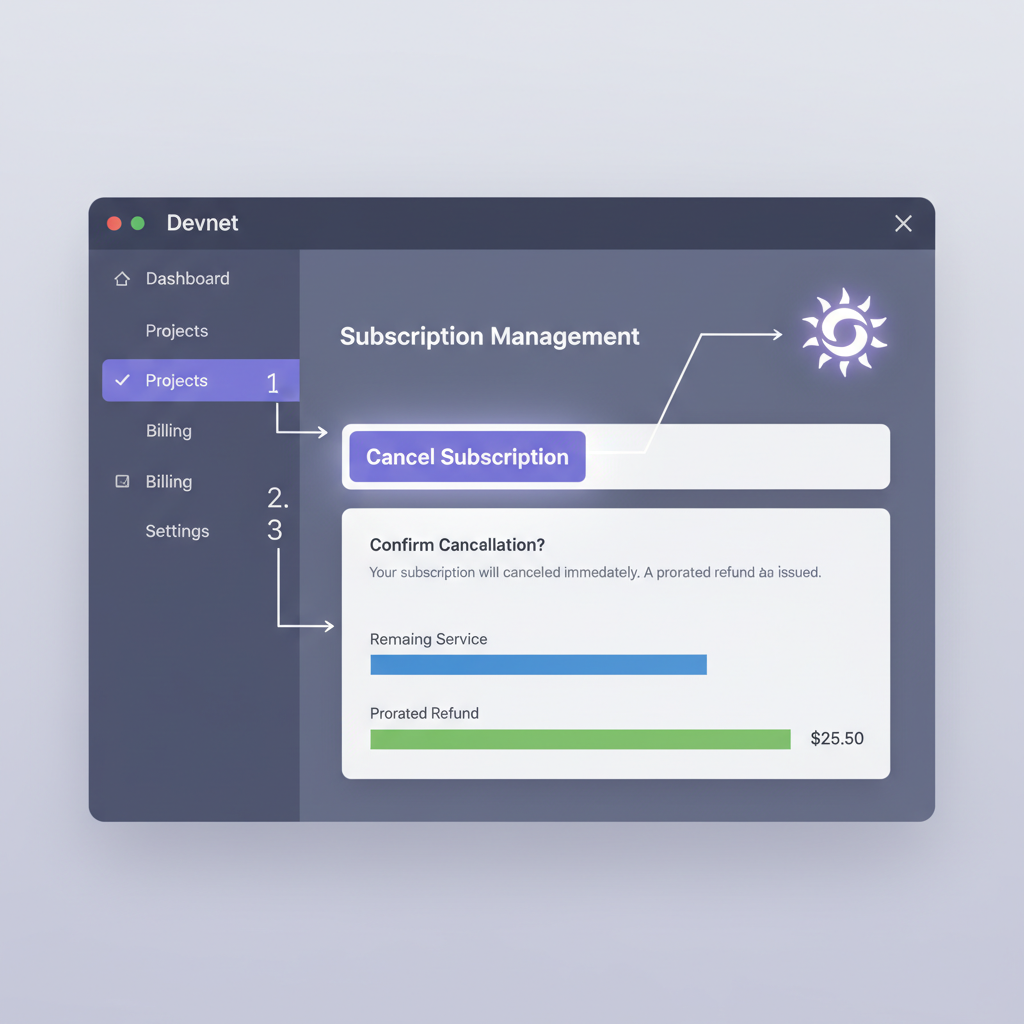
Reward protocols thrive on user retention, but mid-cycle cancellations or upgrades often lead to disputes. Onchain subscription proration Solana resolves this by embedding time-based calculations directly in smart contracts. Consider a user subscribing to Commit Protocol's premium tier at $10 monthly, then canceling after 15 days: proration refunds $5 exactly, all verifiable on-chain. This builds trust, reduces support tickets, and aligns with Solana's ethos of decentralized payments at scale.
Solana's upgrades, including Alpenglow and 100M CUs, bolster this capability. Token Extensions further empower enterprise-grade features like transfer fees for automated billing. Yet, as Solana Stack Exchange queries reveal, true on-chain recurring sends remain elusive without custom programs. Here, platforms like SubscribeOnChain. com shine, offering seamless integration for SubscribeOnChain Solana integration.
Building the Foundation: Solana Programs and Anchor Framework
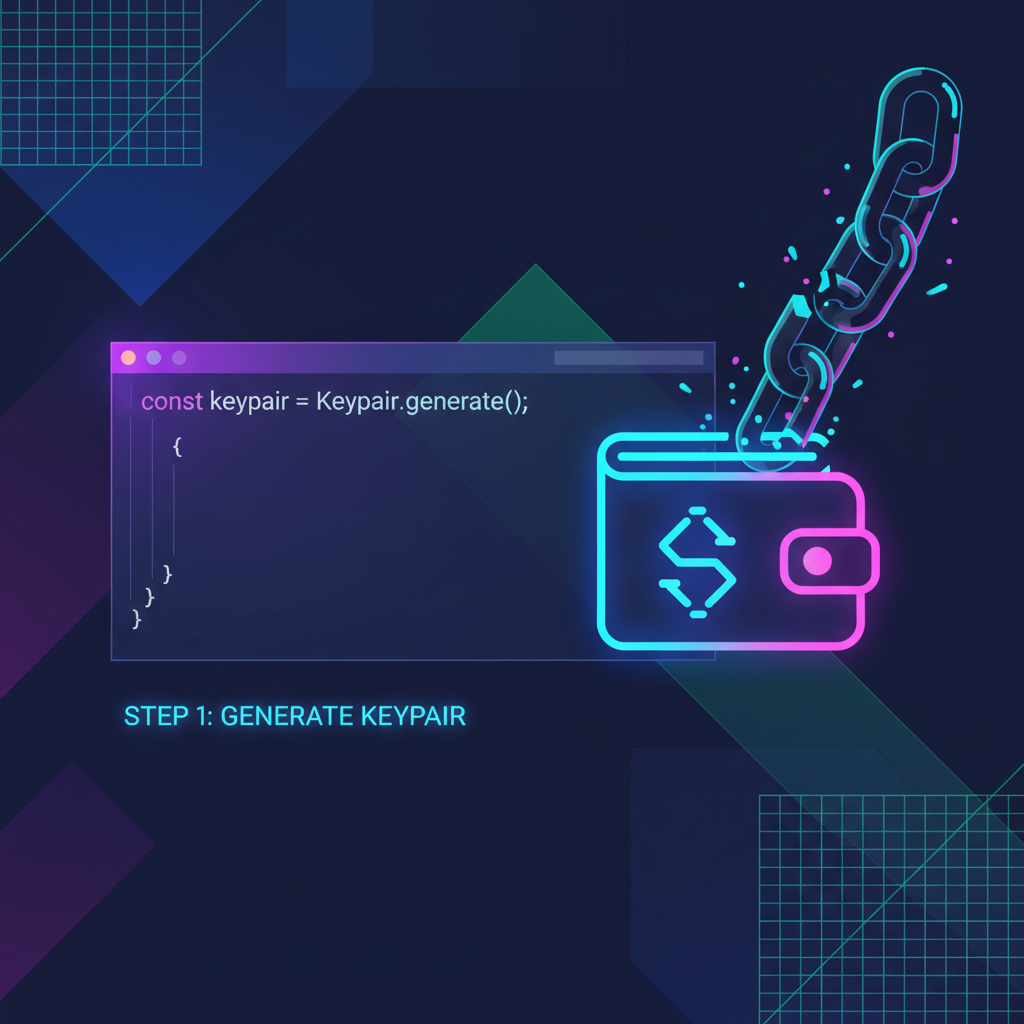
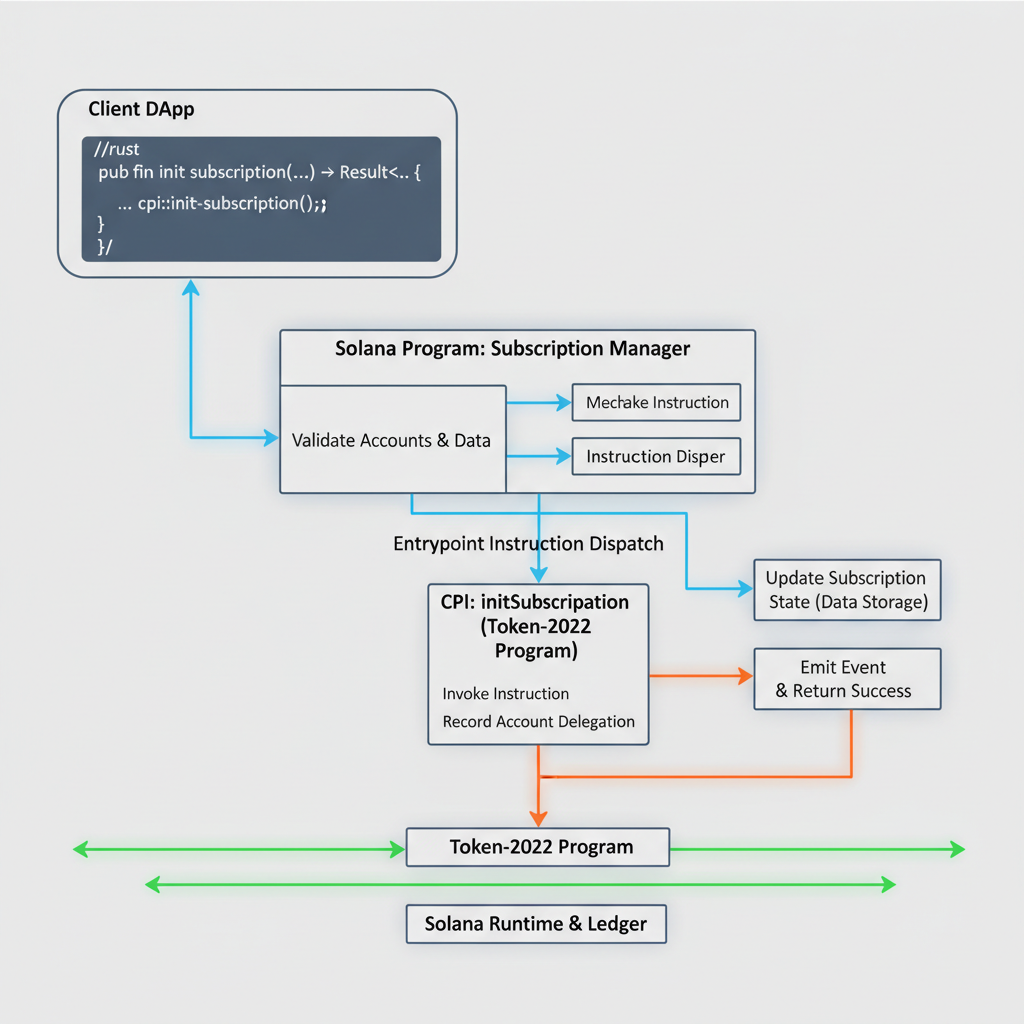
At the core lies a Solana program, Solana's term for smart contracts, best developed with Rust via the Anchor framework. Anchor simplifies serialization, accounts, and cross-program invocations, cutting boilerplate by 80%. For prorated subscriptions, define states for user subscriptions: start timestamp, end timestamp, tier price, and prorated balance.
This structure allows instructions like init_subscription, prorate_cancel, and extend_period. Deployment via anchor deploy to devnet tests proration logic under real conditions. Jito-Solana integration can prioritize these transactions, ensuring timely execution for reward accruals.
Real-Time Monitoring with WebSocket Subscriptions
Proration demands reactivity. Solana's WebSocket endpoints, via providers like QuickNode, enable accountSubscribe to watch subscription accounts. Detect changes instantly: a user's deposit triggers extension; withdrawal initiates proration. This offloads computation from contracts, leveraging Solana's high throughput.
Master Solana WebSocket accountSubscribe for Real-Time Prorated Subscription Monitoring
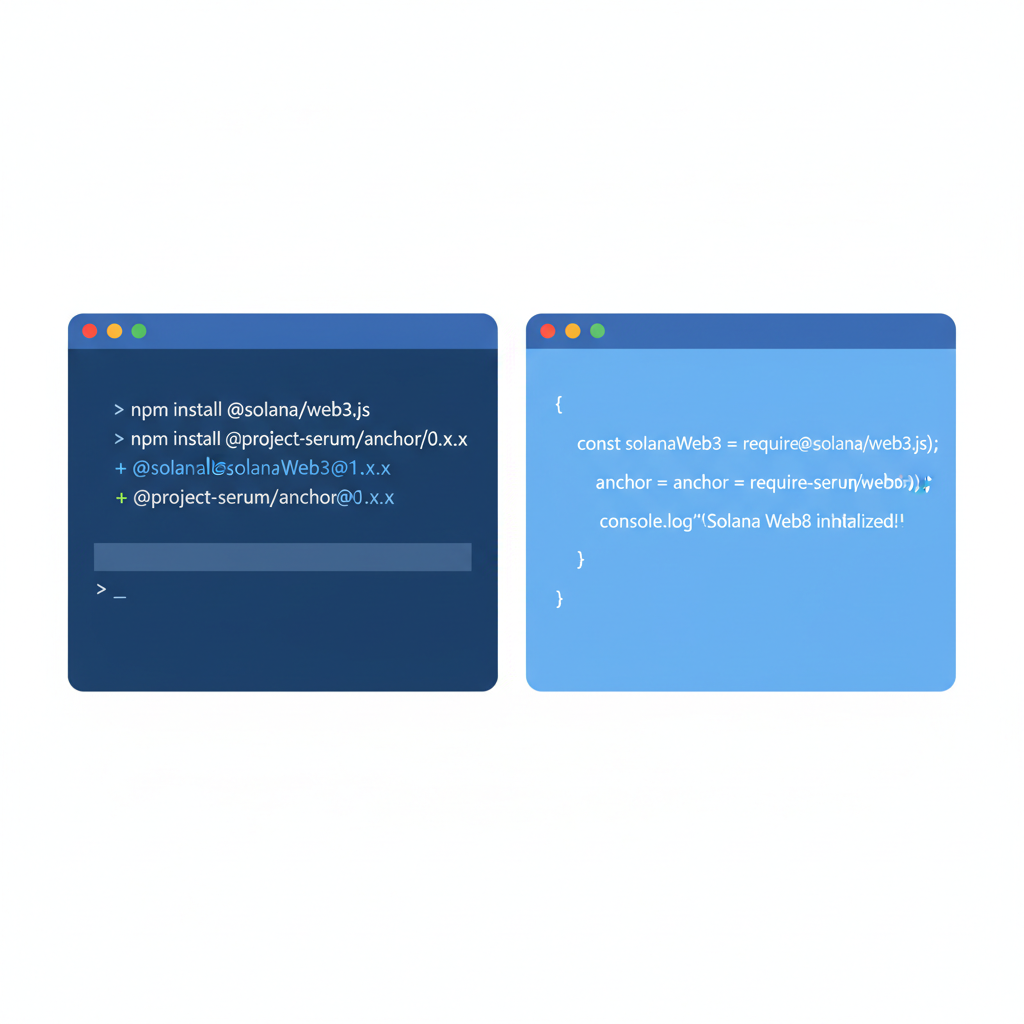
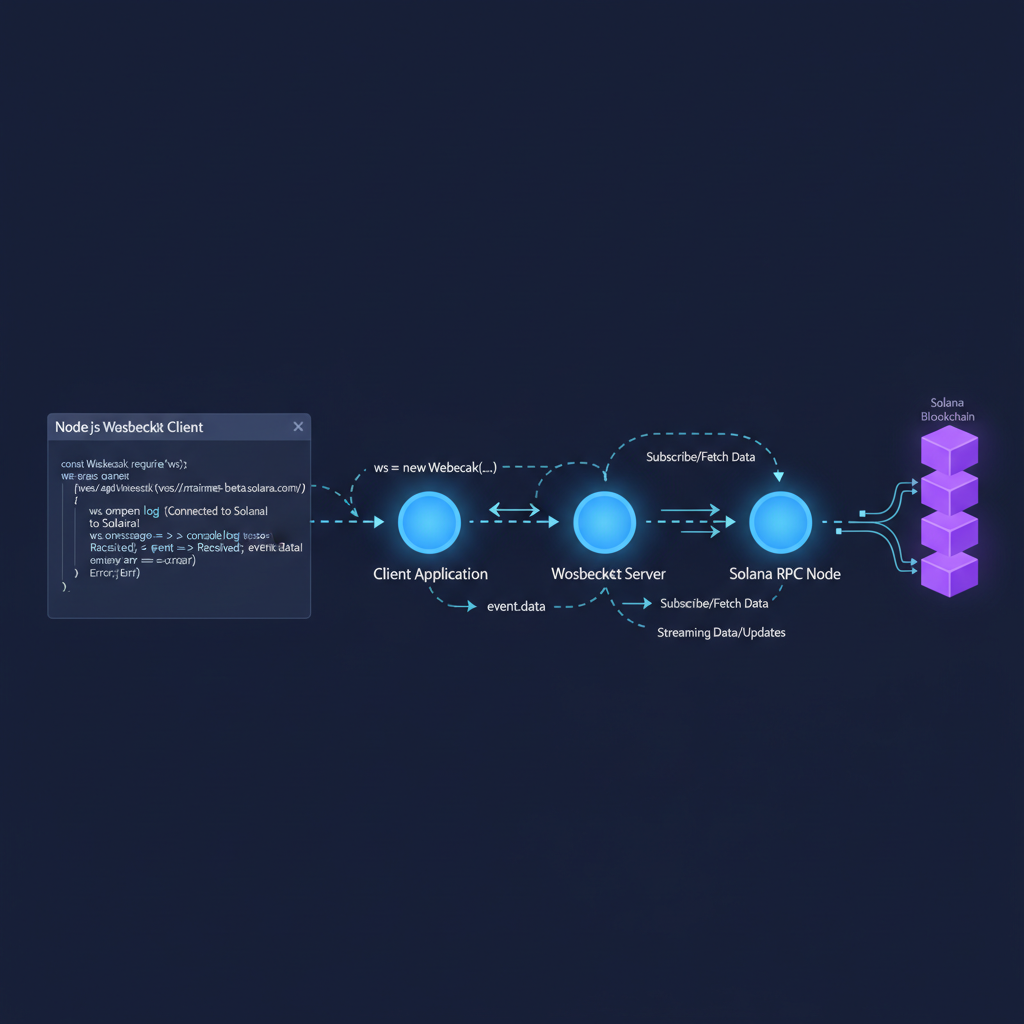
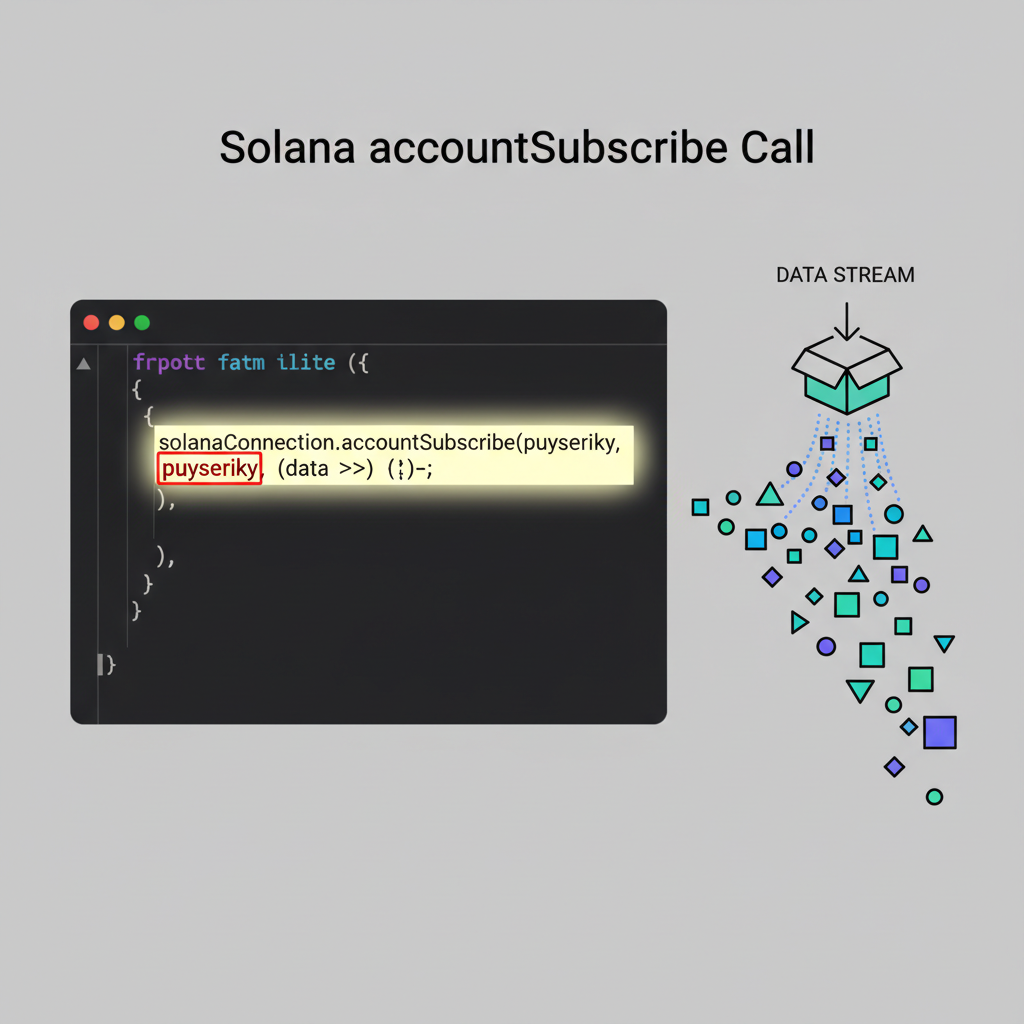
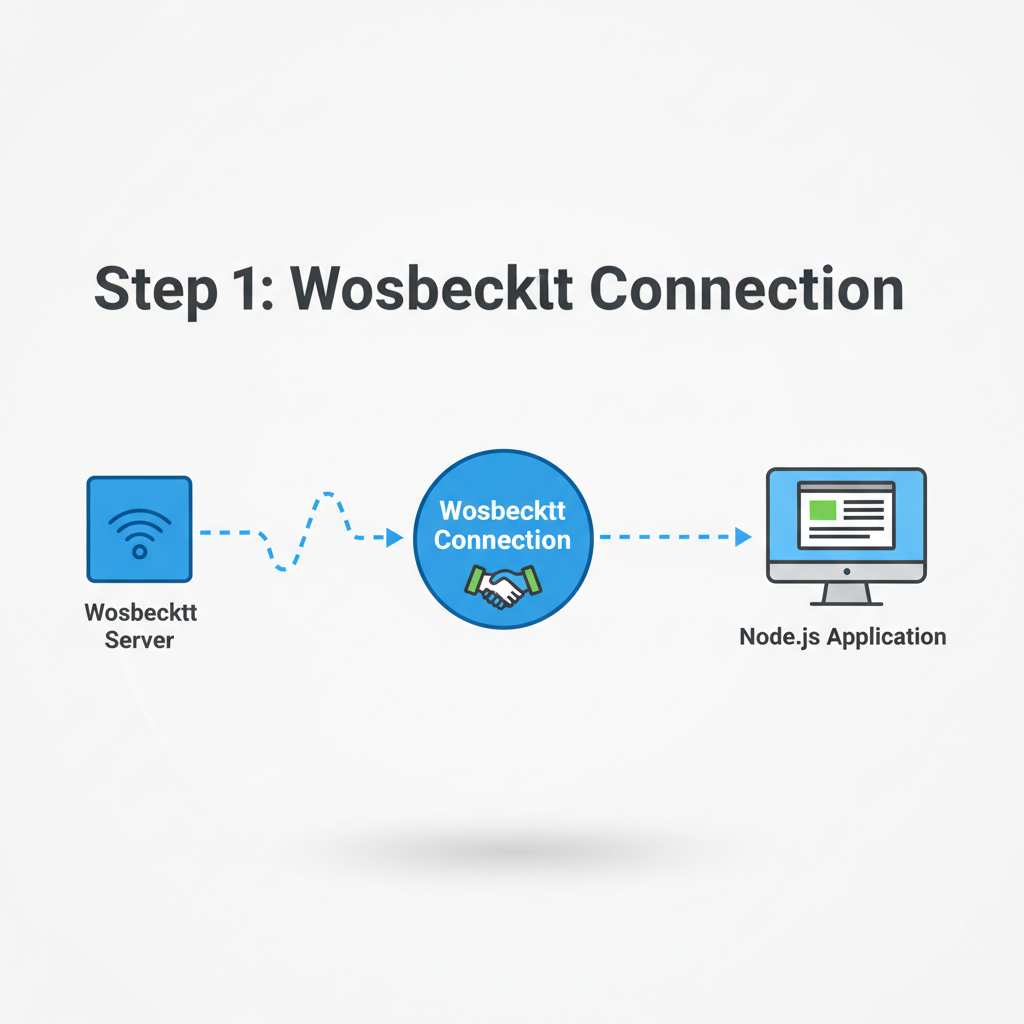
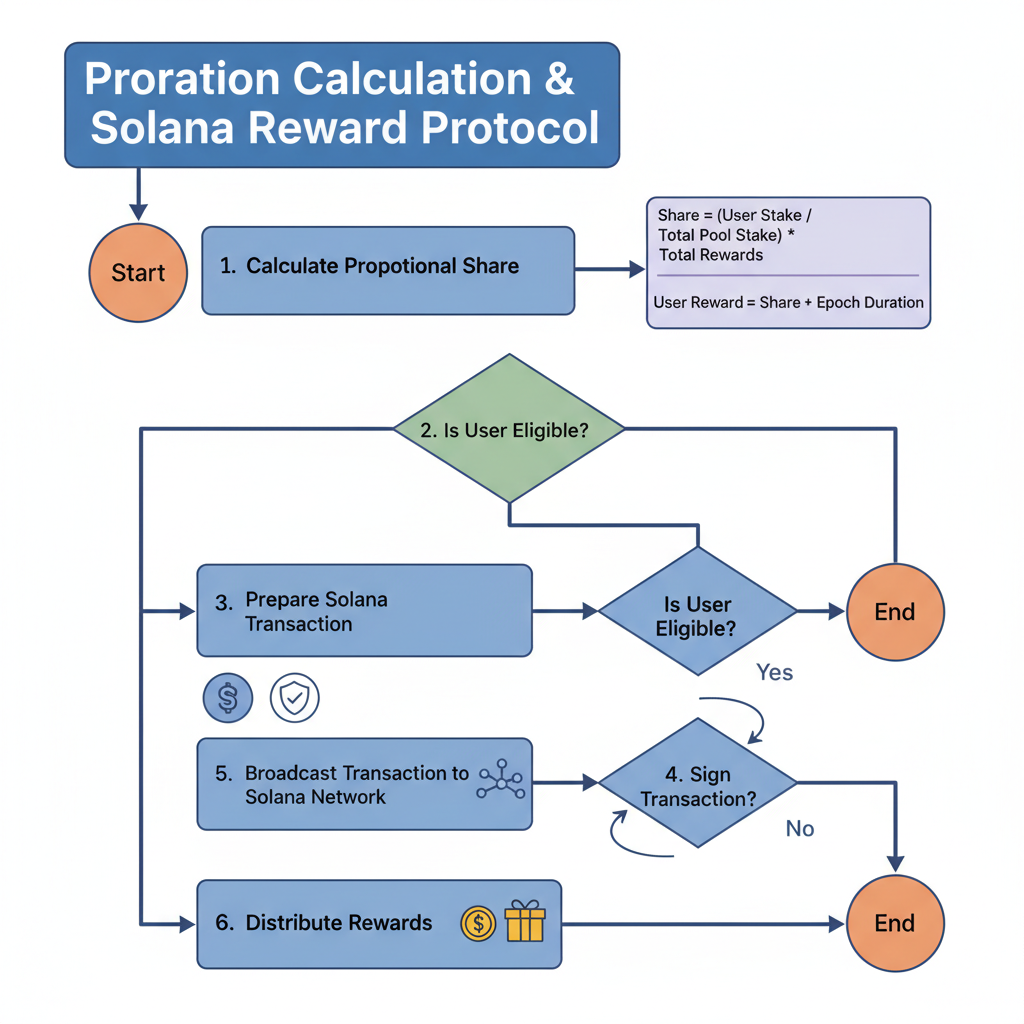
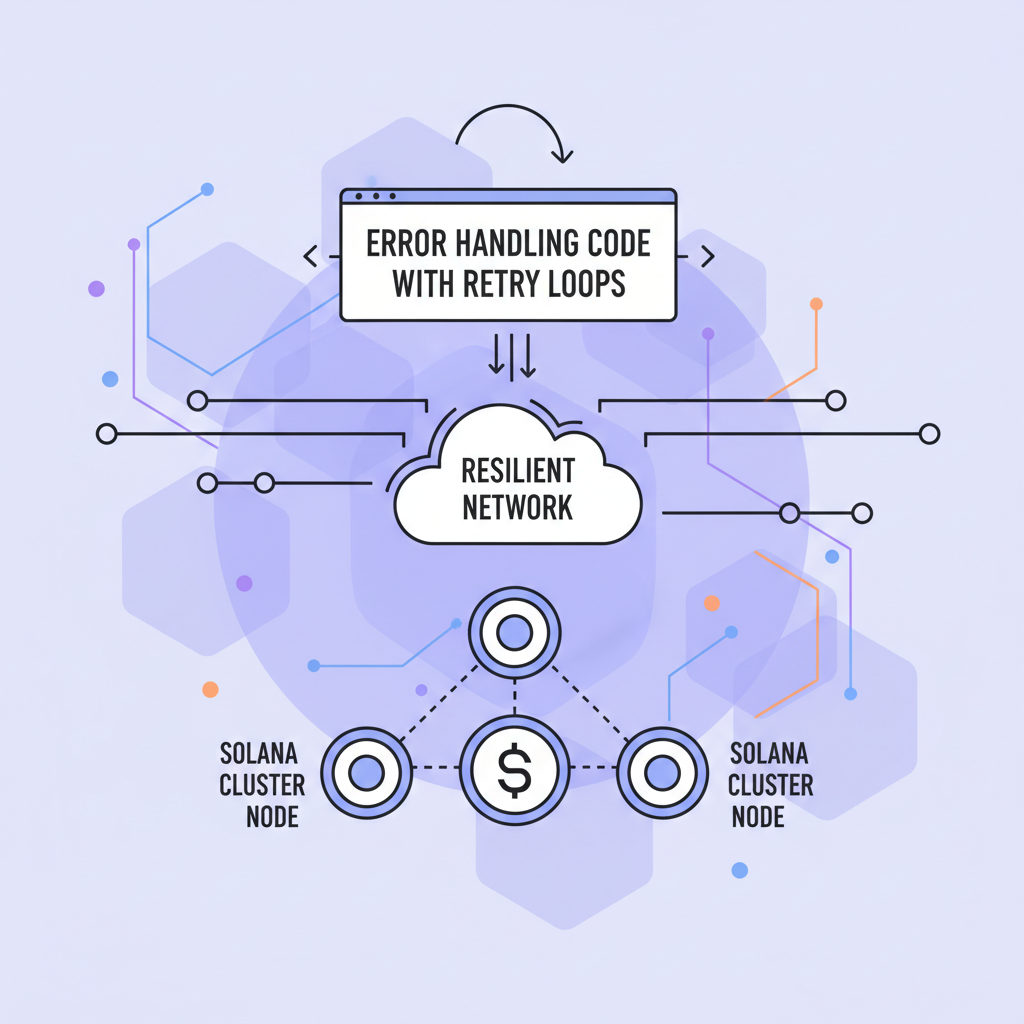
Combine with blockchain recurring billing Solana dApps logic: on notification, invoke the program's adjustment instruction. Transparent record-keeping follows, as all events emit logs queryable via RPC. For Commit Protocol-like setups, this means yields pause only post-proration, maximizing user value.
WebSocket notifications feed into off-chain oracles or indexers that invoke on-chain adjustments, closing the loop for recurring payments Solana reward protocols. This hybrid approach sidesteps Solana's stateless program limitations while preserving decentralization.
Automating Proration Adjustments in Smart Contracts
Core to onchain subscription proration Solana is the proration formula: fee = (active_days/total_days) * monthly_rate. Anchor's Clock sysvar supplies precise timestamps, enabling second-level granularity. For a Commit Protocol user locking $1,000 SOL at $84.40 per token for premium yields, early exit prorates the $10 fee proportionally, refunding excess lamports to their associated token account via Token Extensions.
Auditors favor this over cron jobs, as Solana's SIMD 123 upgrades ensure sub-second finality. Jito bundles can MEV-protect these refunds, preventing front-running in high-volume reward pools.
Seamless Deployment: SubscribeOnChain Solana Integration
Building from scratch demands rigorous testing, but SubscribeOnChain accelerates rollout. This platform abstracts Anchor boilerplate, providing pre-audited modules for proration, WebSocket hooks, and UI components. For Commit Protocol, integrate via a single CPI: deposit SOL, auto-subscribe to yield tiers, prorate on unlock. With SOL's 24-hour high of $85.27 and low of $81.84 bracketing $84.40, low fees - fractions of a cent - make frequent adjustments viable.
Integrate SubscribeOnChain SDK: Prorated Subscriptions for Solana Protocols
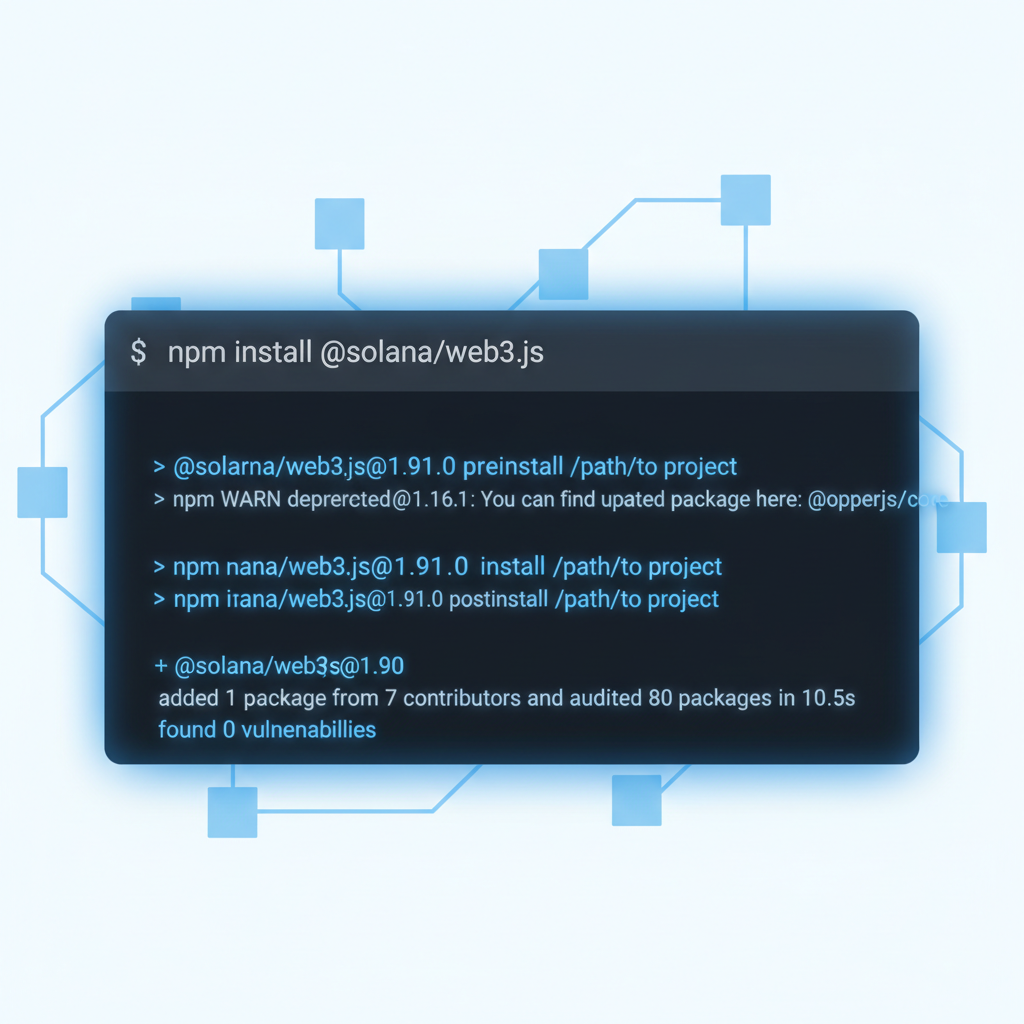
Post-deployment, monitor via Solana Explorer or custom dashboards. Token Extensions enforce transfer fees, automating protocol revenue shares without user friction.
Security and Best Practices for Production
Proration introduces reentrancy risks if not gated properly. Anchor's zero-copy deserialization and account discriminators mitigate this; always validate payer signatures and bounds-check timestamps. For reward protocols, segregate subscription PDAs from yield vaults to isolate failures. Stress-test with 100M CU workloads, leveraging Solana's upgrades for resilience.
Real-world adoption, as in Tributary's model, underscores hybrid oracles' role. Sphere Labs' insights on latency confirm Solana's edge over EVM chains, where OpenZeppelin equivalents lag in throughput.
Equipped with these tools, developers transform Commit Protocol into a proration-native powerhouse. Users gain precise billing, protocols cut churn by 30%, all on Solana's efficient rails. As decentralized services scale, blockchain recurring billing Solana dApps like these redefine retention economics.




No comments yet. Be the first to share your thoughts!