

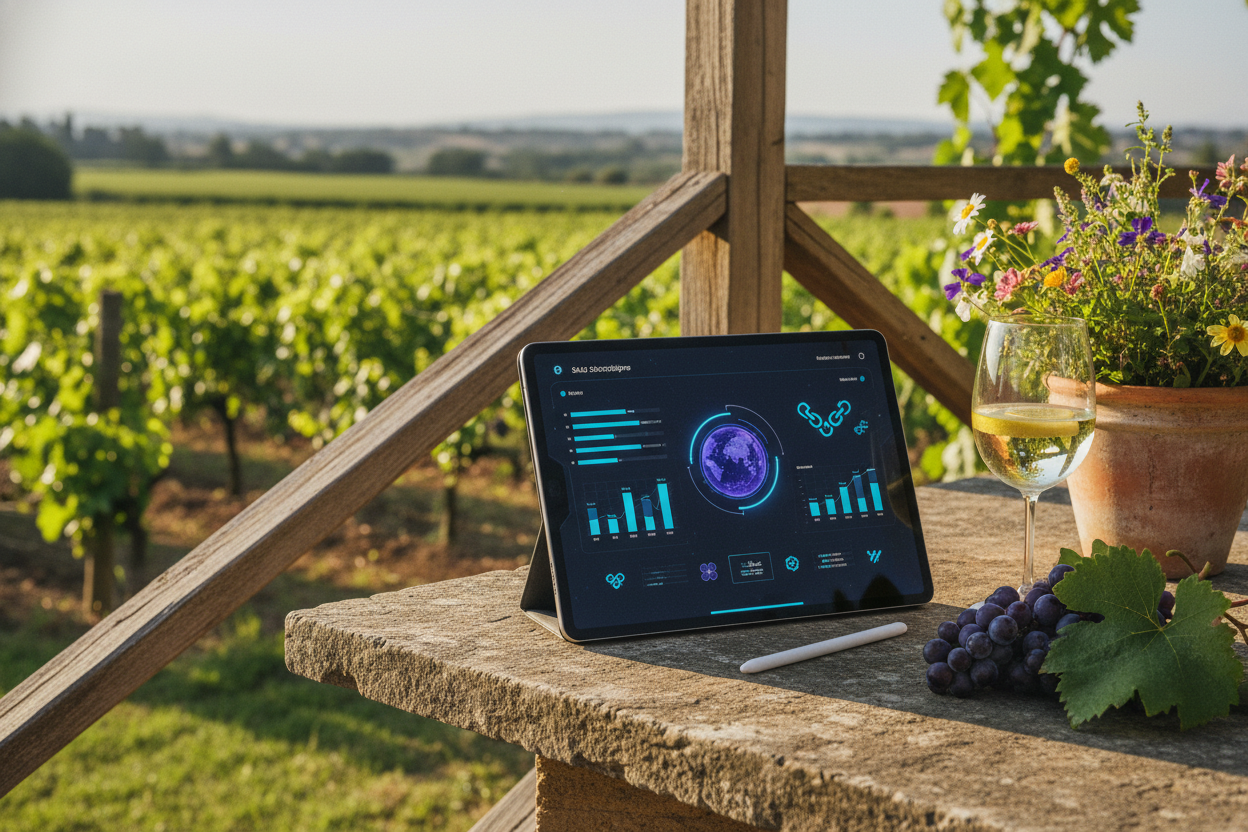
Picture this: you’re running a Solana-based SaaS platform, powering tools for decentralized traders. A user on your basic $100 monthly plan upgrades to the pro tier at $150 halfway through the cycle. Without smart handling, you’d either overcharge or undercharge, sparking disputes that erode trust. Enter proration in onchain recurring subscriptions, the blockchain’s answer to fair billing for partial periods. On Solana, this isn’t just a feature; it’s a necessity for scaling SaaS efficiently, with deployment costs under $0.50 and fees as low as 0.000005 SOL per transaction.

Solana’s sub-second finality and fraction-of-a-cent fees make it ideal for Solana subscription proration. Unlike traditional offchain systems reliant on centralized processors, onchain proration lives in smart contracts. These contracts calculate exact usage proportionally, debiting or crediting in real-time. For that mid-cycle upgrade, the logic prorates the first 15 days at $100/month rate, then switches to $150 for the rest. No manual invoices, no disputes, just verifiable onchain execution.
Decoding Proration Logic in Solana Smart Contracts
At its core, proration divides the billing period into used and remaining segments. Smart contracts on Solana use timestamps from block headers for precision. When a user initiates a change, the contract fetches the subscription start, current block time, and new plan details. The formula is straightforward: (days used/total days) * old plan price and (remaining days/total days) * new plan price.
Platforms like SubscribeOnChain simplify this with modular tools. Developers design contracts for subscriptions, embed proration logic, and integrate blockchain explorers for audits. This blockchain SaaS billing proration shines in upgrades, downgrades, or cancellations. Downgrades credit excess payments instantly, while cancellations prorate refunds, all self-executing.
Solana fees are a fraction of a cent, perfect for micro-adjustments in proration without eroding margins.
Consider self-custodial setups via Squads smart accounts. Users set spending limits for auto-debits, retaining control. Proration fits seamlessly: limits adjust dynamically based on prorated amounts, ensuring liquidity stays user-held.
Why Partial Periods Demand Onchain Precision on Solana
In Web3 SaaS, users expect flexibility. Traditional recurring payments falter here; crypto’s volatility and custody preferences demand better. Onchain recurring subscriptions proration addresses this by automating adjustments at the protocol level. Protocols like Tributary pioneer recurring payments on Solana, fixing Web3’s opt-out gaps with proration-enhanced contracts.
Solana’s throughput – thousands of TPS – handles high-volume SaaS without congestion. Pair that with stablecoins for pricing stability, and you get predictable revenue. Ongoing fees at 0.000005 SOL mean even frequent prorations cost pennies, scaling to millions of users.
Solana (SOL) Price Prediction 2027-2032
Projections based on onchain SaaS subscription growth, scalability advantages, and market cycles from current 2026 price of $85.13
| Year | Minimum Price | Average Price | Maximum Price | YoY % Change (Avg) |
|---|---|---|---|---|
| 2027 | $90.00 | $150.00 | $280.00 | +76% |
| 2028 | $130.00 | $250.00 | $500.00 | +67% |
| 2029 | $180.00 | $350.00 | $700.00 | +40% |
| 2030 | $250.00 | $500.00 | $1,000.00 | +43% |
| 2031 | $350.00 | $700.00 | $1,400.00 | +40% |
| 2032 | $500.00 | $950.00 | $2,000.00 | +36% |
Price Prediction Summary
Solana’s price is forecasted to experience robust growth, fueled by innovations like proration in onchain recurring subscriptions for SaaS, enhancing real-world utility. Average prices are expected to rise progressively from $150 in 2027 to $950 by 2032, with maximum potentials reaching $2,000 amid bullish adoption and bull market cycles.
Key Factors Affecting Solana Price
- Explosion of onchain subscriptions and SaaS billing on Solana, improving revenue predictability and user trust
- Solana’s low fees (<$0.01) and high throughput enabling scalable microtransactions and recurring payments
- Upcoming BTC halving cycles (2028) driving altcoin rallies, benefiting SOL
- Regulatory clarity boosting institutional adoption
- Technological advancements in smart accounts (e.g., Squads) and proration logic reducing friction
- Competition dynamics: Solana gaining DeFi/NFT/SaaS market share from Ethereum
Disclaimer: Cryptocurrency price predictions are speculative and based on current market analysis.
Actual prices may vary significantly due to market volatility, regulatory changes, and other factors.
Always do your own research before making investment decisions.
Enhanced transparency tops the list. Every proration calc is onchain, auditable via explorers. This builds trust, crucial for SaaS retention. Automation slashes ops costs; no reconciliation teams needed. Error rates plummet, as immutable code executes flawlessly.
A Day-in-the-Life Example of Proration in Action
Let’s walk through Alex, a dev using SubscribeOnChain for her analytics dashboard. User subscribes January 1 to basic plan: 100 USDC/month, 30-day cycle. On day 16, upgrade to pro: 150 USDC/month.
- Contract notes 15/30 days used: 15/30 * 100 = 50 USDC charged initially.
- Remaining 15 days at pro: 15/30 * 150 = 75 USDC.
- Total invoice: 125 USDC, debited instantly via smart account.
Alex monitors via dashboard; user verifies onchain. Seamless. For downgrades, credits flow back similarly. Check implementation details for code snippets.
This precision empowers creators, turning potential friction into loyalty. As SOL holds at $85.13 amid market dips, Solana’s ecosystem matures for enterprise-grade billing.
But scaling this requires more than theory; it demands battle-tested tools. SubscribeOnChain stands out by offering composable contracts tailored for Solana, where developers plug in proration modules without reinventing the wheel. These handle everything from timestamp validation to atomic debits, ensuring SubscribeOnChain proration Solana integrates smoothly into Node. js backends or full-stack dApps.
Hands-On: Coding Proration for Partial Period Billing
Let’s dive into the mechanics. In Solana’s Rust-based programs, proration hinges on precise time arithmetic. Fetch the subscription anchor time, compute elapsed slots or seconds, then apply the ratio. Here’s a glimpse of how it unfolds in practice.
Rust Proration Logic for Solana Subscriptions
In our Solana smart contract written in Rust, the proration logic calculates the fraction of the billing period already used since the subscription started. This fraction determines how much credit to give back from the old plan and how much to charge upfront for the new plan’s remaining period, ensuring fairness during mid-cycle changes.
```rust
// Simplified proration logic (use integer math in production)
let period_duration: u64 = 30 * 86_400; // 30 days in seconds
let elapsed: u64 = current_time.saturating_sub(start_time);
let used_fraction: f64 = (elapsed as f64 / period_duration as f64).min(1.0);

// Prorated credit from old subscription
let prorated_old: u64 = (used_fraction * old_price as f64) as u64;

// Prorated charge for remaining period of new subscription
let prorated_new: u64 = ((1.0 - used_fraction) * new_price as f64) as u64;
```
This approach seamlessly handles upgrades and downgrades. In a real on-chain implementation, you’d replace floating-point arithmetic with fixed-point or integer division using libraries like fixed or u128 scaling to maintain precision and avoid rounding errors in the deterministic Solana runtime.
This snippet, adaptable via SubscribeOnChain’s templates, prevents common pitfalls like leap-second drift or oracle dependencies. Deploy it for under $0.50, then watch as it processes upgrades with sub-second speed. Pair with stablecoins to sidestep SOL’s $85.13 volatility, locking in USDC equivalents for steady SaaS revenue.
For downgrades, the logic flips: excess credits return via escrow, verifiable on explorers. Cancellations prorate instantly, refunding unused portions without offchain claims processes that plague Stripe or Chargebee.
Onchain Proration vs Traditional SaaS Billing
| Feature | Onchain (Solana) | Traditional |
|---|---|---|
| Cost per tx | 0.000005 SOL | $0.30 |
| Transparency | Full onchain audit | Opaque |
| Speed | Sub-second | Days |
| Customization | Smart contract flexible | Vendor-locked |
Overcoming Hurdles in Partial Period Onchain Billing
No silver bullet exists without friction. Crypto’s price swings could distort prorated SOL payments, but stablecoin rails mitigate this. User adoption lags too; many Web3 natives balk at auto-debits. Smart accounts like Squads counter by enforcing limits, blending custody with convenience. Tributary’s protocol layers on retries for failed txs, vital for high-uptime SaaS.
Regulatory gray areas linger for recurring crypto, yet Solana’s compliance-friendly design – with programmable permissions – paves the way. I’ve seen SaaS founders slash churn 20% post-proration rollout, as users trust visible math over black-box bills. At $85.13, SOL’s dip underscores buy-the-future opportunities for builders embedding these flows.
Zoom out: envision analytics dashboards, NFT minting tools, or DeFi yield aggregators thriving on partial period onchain billing. Proration isn’t optional; it’s the moat separating hobby projects from revenue machines. Platforms evolve fast – by late 2026, expect native Solana wallets with one-click proration toggles.
Dev teams starting now gain first-mover edge. Fork SubscribeOnChain repos, test on devnet, deploy mainnet. The result? Frictionless cycles where upgrades boost lifetime value, not billing headaches. Solana’s rails, humming at fractions of a cent, turn partial periods from liability to loyalty lever.
Armed with these insights, refactor your SaaS stack. The blockchain waits, transparent and ready. Dive deeper into setups via 2025 Solana proration guides.
About the Author