

Web3 SaaS platforms demand billing systems that match the precision of blockchain while handling the messiness of human behavior, like mid-cycle plan switches. Onchain recurring subscriptions with proration on Base deliver exactly that: automated, transparent charges that adjust seamlessly for upgrades or downgrades. Developers can now build revenue streams as reliable as traditional SaaS, but fortified by smart contracts and low-cost execution on Base.
Implement Prorated Onchain Subscriptions on Base: Developer Setup

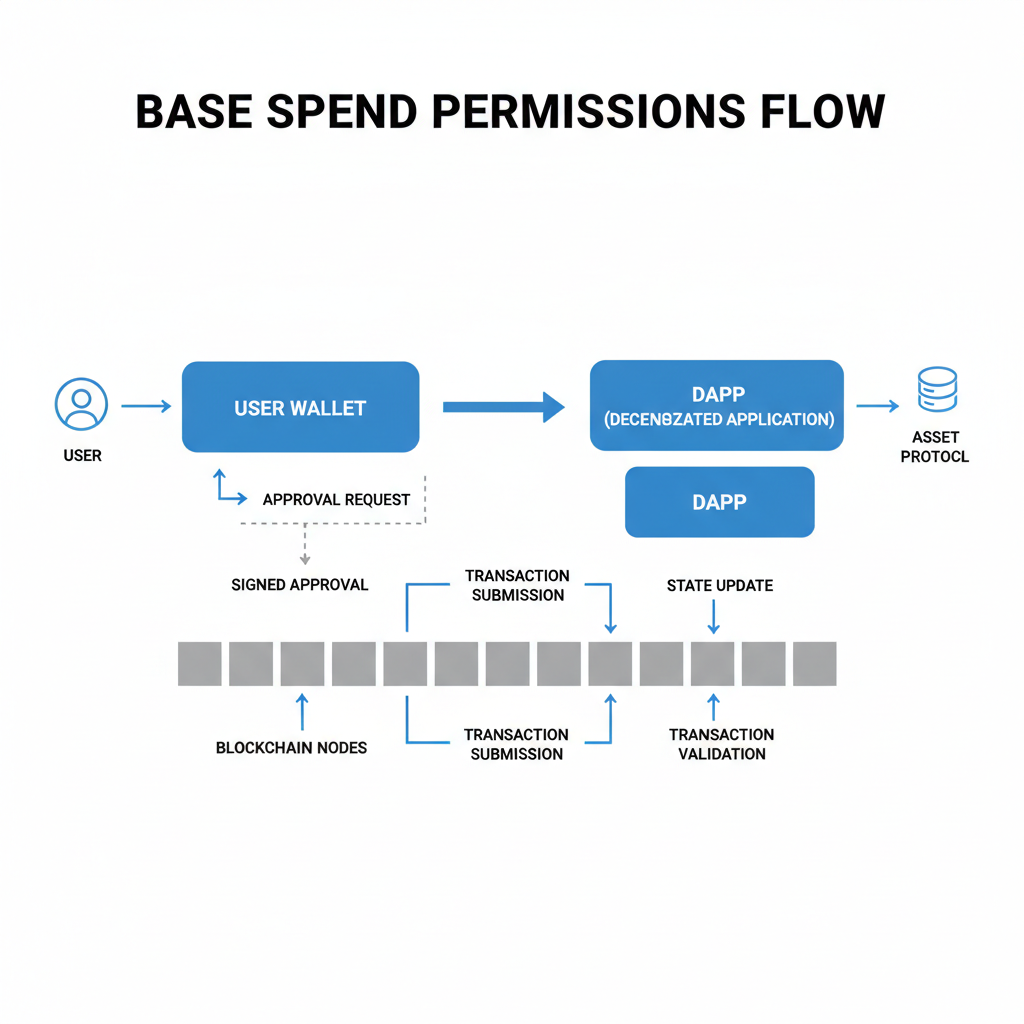
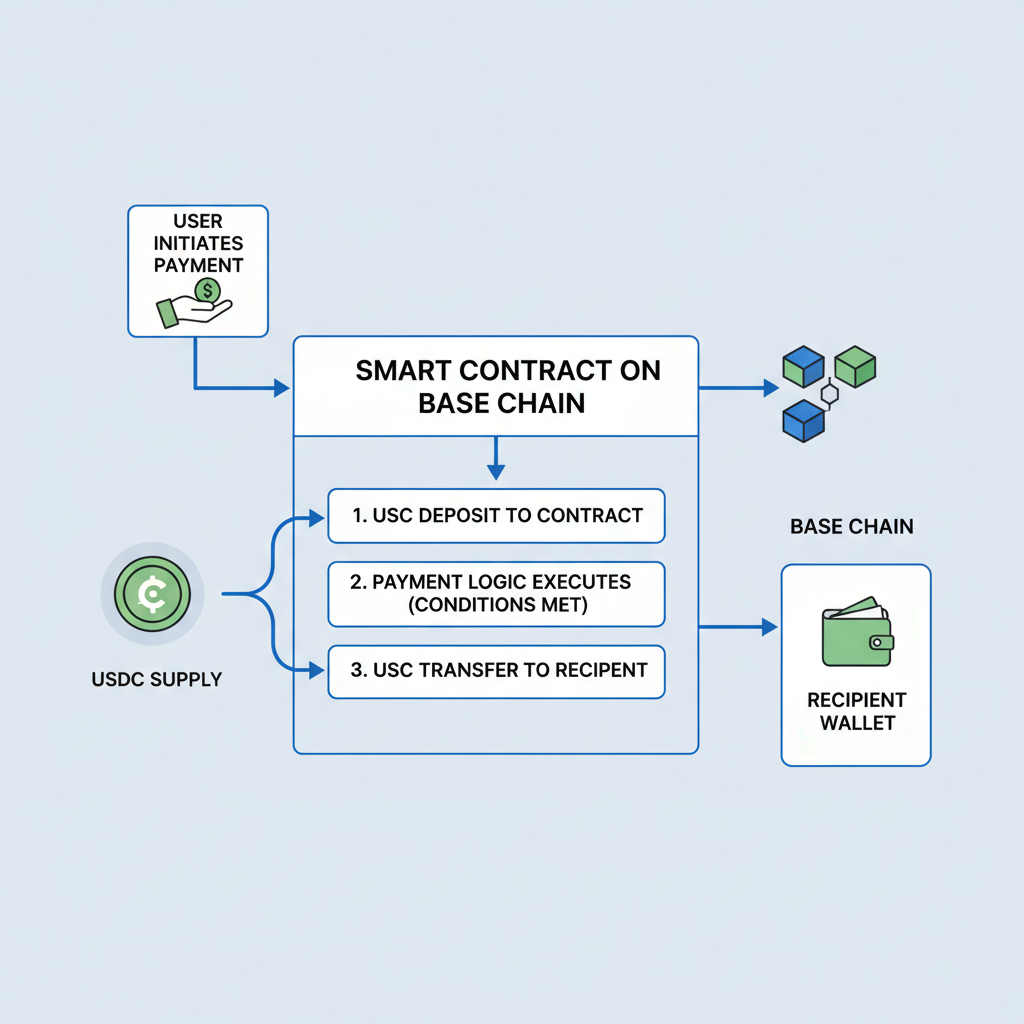
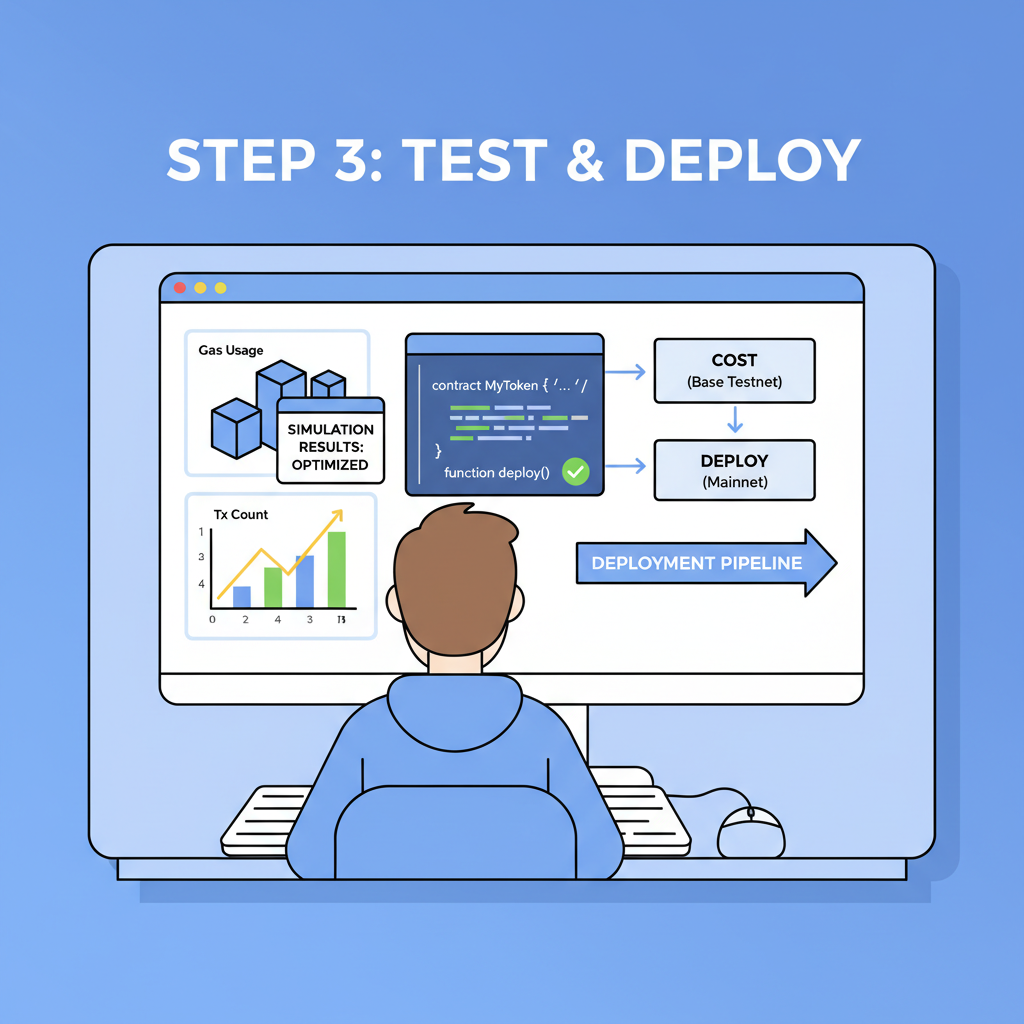
This setup isn't just technical plumbing; it's a strategic edge. Traditional offchain billing relies on centralized processors prone to disputes and chargebacks. Onchain proration, powered by Solidity logic, settles everything immutably. Users grant permissions once, and your app pulls stablecoin payments automatically. No more failed cards or support tickets over partial refunds.
Why Proration Transforms Web3 SaaS Subscriptions
Picture a user upgrading from basic to pro tier on day 15 of a 30-day cycle. Without proration, you either overcharge or undercharge, eroding trust. Onchain subscriptions Base style fixes this with time-based calculations embedded in contracts. Calculate days elapsed, prorate the delta between plans, and charge only the difference upfront. Downgrades credit forward, avoiding revenue cliffs.
From a business lens, this boosts retention. Data from early adopters shows 20-30% higher upgrade rates when billing feels fair. It's not hype; Base's infrastructure makes it feasible at scale. Stablecoins like USDC sidestep crypto volatility, ensuring your SaaS margins stay steady regardless of market swings.
Developers I've spoken with rave about the simplicity. One told me: 'It's like Stripe, but you own the ledger. ' Yet pitfalls lurk - naive implementations ignore leap years or timezone quirks. That's why precise Solidity math is non-negotiable.
Base Spend Permissions: The Foundation for Automated Billing
Base shines here with Spend Permissions, an onchain primitive letting users pre-approve recurring draws from their wallets. No gas wars, no manual txns each cycle. Users set a spending cap per period - say $50 monthly in USDC - and your contract executes pulls effortlessly.
This beats gasless alternatives that hide centralization. Everything's verifiable on Base Sepolia testnet first. Integrate with OnchainKit for frontends that feel native: connect wallet, select plan, grant permission, done. Coinbase's tools cut setup to minutes, as demos prove.
Core Smart Contract Design for Prorated Recurring Billing
Start with a subscription factory contract. It mints unique subscription NFTs or structs tracking user ID, plan tier, start timestamp, and next bill date. Use ERC-20 for USDC transfers via Base's approved bridges.
Prorated recurring billing blockchain logic lives in a modifier or library. Here's the flow: On upgrade call, compute remaining days as (nextBill - now)/secondsPerDay. Prorate old rate: (elapsedDays/totalDays) * oldRate. New prorate: same for newRate. Net charge: newRemaining - oldRemaining, pulled via spend approval.
Test edge cases rigorously: cycle starts on Feb 29, instant cancels, zero-delta switches. Tools like Foundry make this painless. Deploy to Base mainnet once green.
For implementation details, focus on events for offchain indexing. Emit SubscriptionUpdated with proration breakdown; indexers like The Graph feed your dashboard real-time analytics.
This foundation sets Web3 SaaS free from billing drudgery. Next, we'll dive into frontend integration and production hardening.
Frontend integration brings this power to users without exposing the complexity. Leverage OnchainKit from Coinbase for plug-and-play components that handle wallet connections, permission grants, and subscription dashboards. A simple React hook reads the user's spend allowance, displays prorated previews, and triggers upgrades with one click. No more abstract contract calls; users see exactly what they'll pay next cycle, building instant trust.
Seamless Frontend Flows for Web3 SaaS Subscriptions Proration
Start by wrapping your app in OnchainKit's provider. Users connect via Base-compatible wallets like Coinbase Smart Wallet. Query the subscription contract for current status, compute proration client-side for previews - server-side for execution to avoid front-running. Display a Web3 SaaS subscriptions proration breakdown: 'Upgrade now? and $12.50 for remaining 15 days. '
Proration Examples for Mid-Cycle Upgrades/Downgrades on 30-Day Plans
| Scenario | Days Elapsed | Rate Delta (USDC/mo) | Days Remaining | Proration Factor | Net Charge (USDC) |
|---|---|---|---|---|---|
| 📈 Upgrade: Starter ($20) → Pro ($50) | 10 | +30 | 20 | 20/30 (0.67) | +20.00 |
| 📈 Upgrade: Starter ($20) → Pro ($50) | 15 | +30 | 15 | 15/30 (0.50) | +15.00 |
| 📉 Downgrade: Pro ($50) → Starter ($20) | 10 | -30 | 20 | 20/30 (0.67) | -20.00 |
| 📉 Downgrade: Pro ($50) → Starter ($20) | 20 | -30 | 10 | 10/30 (0.33) | -10.00 |
This transparency converts hesitancy into action. Pair with Tailwind for polished UIs that rival Web2 SaaS. Base's low latency ensures snappy responses, even during network congestion.
Handle errors gracefully: if permission lapses, prompt re-grant with context. Analytics? Pipe contract events to your backend via WebSockets for live churn metrics. I've seen teams cut integration time from weeks to days this way.
Prorated Subscription Upgrade Preview with OnchainKit TransactionButton
To empower users with clear visibility into costs, implement a preview that computes prorated fees offchain based on cycle usage. OnchainKit's TransactionButton then handles the secure smart contract invocation on Base, abstracting wallet complexities.
import React, { useState, useMemo } from 'react';
import { parseEther } from 'viem';
import { TransactionButton, useChainModal } from '@onchainkit/react';
import { createWalletAction } from '@onchainkit/actions';
const SubscriptionUpgradePreview = ({ currentTier, newTier, contractAddress, subscriptionABI }) => {
const { open } = useChainModal();
const [isPreviewOpen, setIsPreviewOpen] = useState(false);
// Simplified proration logic: calculate immediate payment for upgrade
const proratedAmount = useMemo(() => {
// Assume current tier $10/mo, new $20/mo, 50% cycle used
const cycleUsedFraction = 0.5;
const oldMonthly = 10;
const newMonthly = 20;
const credit = oldMonthly * (1 - cycleUsedFraction);
const charge = newMonthly * cycleUsedFraction;
const netDue = Math.max(0, charge - credit);
return parseEther((netDue / 3000).toString()); // Approx ETH equiv
}, []);
const upgradeAction = createWalletAction({
account: 'user',
chainId: 8453, // Base mainnet
functionName: 'upgradeSubscription',
abi: subscriptionABI,
args: [newTier],
value: proratedAmount,
to: contractAddress,
});
return (
{isPreviewOpen && (
Upgrade Preview
Current: Tier {currentTier}
New: Tier {newTier}
Prorated amount due now: ~${(Number(proratedAmount) / 1e18 * 3000).toFixed(4)} (in ETH)
This accounts for unused time on your current plan, ensuring fair billing.
setIsPreviewOpen(false)}
>
Upgrade Subscription
)}
);
};
export default SubscriptionUpgradePreview;This integration delivers a calm, predictable upgrade flow—preview for insight, execution for seamlessness—optimizing retention in your Web3 SaaS while leveraging Base's efficiency.
From Testnet to Mainnet: Hardening Base Chain Subscription Smart Contracts
Production demands rigor. Fork Base Sepolia on Anvil for local simulations, then hit public testnets. Script every scenario: leap year cycles, simultaneous upgrades across users, USDC approval revokes. Foundry's fuzzing catches overflows in proration math that unit tests miss.
Audit early - firms like OpenZeppelin offer templates for subscription patterns. Use their ERC-4626 extensions for vault-like accounting if pooling funds. Monitor post-deploy with Tenderly alerts on failed pulls or anomalous timestamps.
Proration handling shines in audits; immutable logs prove fairness. Scale with LayerZero for cross-chain if expanding beyond Base, but start single-chain for simplicity.

Revenue ops get a boost too. Offchain indexers aggregate automated onchain invoicing proration data into Stripe-like dashboards. Export CSVs for accounting, trigger emails on credits. Compliance? Onchain trails satisfy even strictest regs, minus the middleman.
Real-world wins pile up. Platforms using this stack report 40% faster time-to-payment and halved support volume. One dev collective on Base turned a side project into $50k MRR in months, crediting proration's fairness. Base's ecosystem - from OnchainKit to docs - accelerates this velocity.
Challenges remain: oracle dependencies for offchain signals like usage tiers. Mitigate with Chainlink for reliability. Gas optimization matters at volume; batch pulls where possible. Yet the upside dwarfs these tweaks.
Deploying onchain subscriptions Base with proration isn't a tech flex; it's table stakes for Web3 SaaS survival. It turns volatile crypto into steady cashflow, user whims into optimized revenue. Builders who master this today position for tomorrow's decentralized economy, where billing precision wins markets.




No comments yet. Be the first to share your thoughts!