

In the fast-evolving landscape of Web3 SaaS, where user demands shift rapidly and blockchain underpins every transaction, handling mid-cycle upgrades smoothly is no longer optional. Traditional subscription models often stumble here, leaving providers with billing disputes and customers feeling shortchanged. Enter onchain proration, a mechanism that recalibrates charges precisely when subscribers upgrade plans partway through a cycle, all executed transparently on the blockchain.
This approach aligns perfectly with the decentralized ethos, ensuring fairness without intermediaries. As platforms like SubscribeOnChain. com demonstrate, web3 saas proration leverages smart contracts to compute adjustments in real time, fostering trust and reducing churn.
The Friction of Mid-Cycle Upgrades in Legacy SaaS Billing
Picture a user on a basic plan midway through their monthly cycle, realizing they need premium features to scale their dApp. In conventional SaaS setups, upgrading triggers a mess: partial refunds for unused time on the old plan, prorated charges for the new one, and often manual invoices that invite errors or delays. Sources highlight how this "messy proration" fuels friction, with billions lost annually to chargeback fraud and dissatisfied users pausing plans altogether.
Web3 amplifies these issues. Global, borderless users expect instant changes, yet offchain systems falter under volatility and compliance hurdles. Blockchain recurring subscriptions proration steps in as the fix, automating what was once a nightmare of spreadsheets and support tickets.
Key Differences Between Traditional SaaS Proration and Onchain Proration
| Aspect | Traditional SaaS Proration | Onchain Proration |
|---|---|---|
| Transparency | Opaque backend calculations, not publicly verifiable | Fully transparent via public blockchain ledger; all adjustments and transactions visible on-chain |
| Automation | Semi-automated or manual processes prone to human error and delays | Fully automated by smart contracts; instant calculations for unused value, new plan costs, and net adjustments (e.g., $50 unused + $75 new = $25 charge) |
| Dispute Resolution | Relies on customer support, manual reviews, and chargebacks; billions lost annually to fraud | Immutable on-chain records reduce disputes; transparent proof eliminates manual interventions |
| Cost Efficiency | Involves payment processors, support overhead, and fraud losses | Lower costs with no intermediaries; automated stablecoin payments enhance efficiency and security |
By recording every adjustment on a public ledger, crypto subscription mid-cycle billing eliminates opacity. No more "trust us" emails; users verify calculations themselves.
Decoding Onchain Proration Mechanics
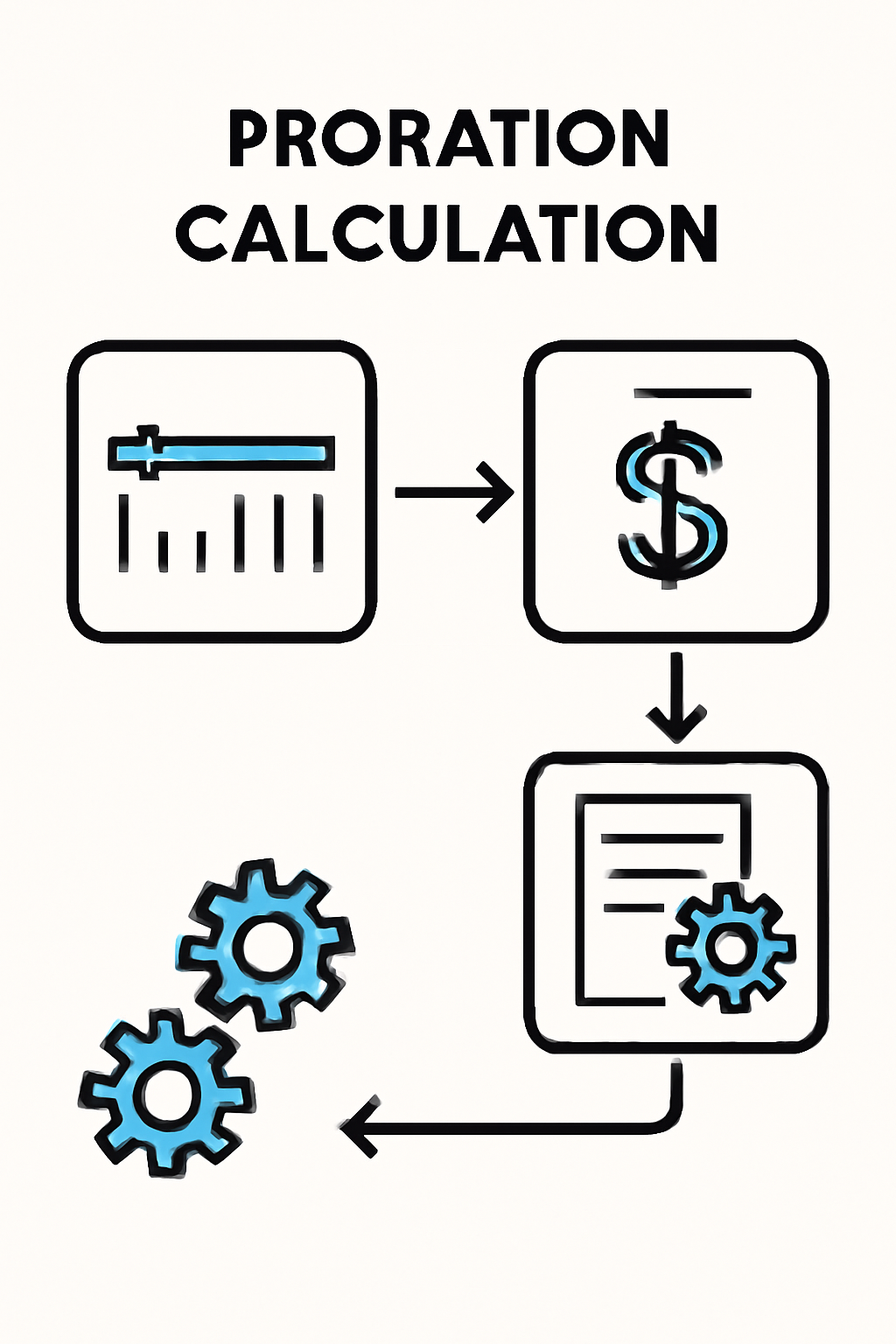
At its core, proration apportions billing based on time used within a cycle. In Web3 SaaS, smart contracts orchestrate this: they track subscription start dates, plan tiers, and cycle endpoints. When an upgrade hits, the contract assesses the remaining period, credits unused value from the old plan, and debits the pro-rated new plan cost.
This net adjustment settles immediately via stablecoins, sidestepping crypto volatility. As detailed in recent guides, it's immutable and auditable, slashing disputes. Platforms gain efficiency; users, satisfaction. Consider the transparency boost: every transaction lives onchain, verifiable by anyone.
"Onchain proration leverages blockchain's public ledger, ensuring all billing adjustments and transactions are transparent. "
This isn't hype; it's a strategic edge for SaaS providers eyeing recurring revenue in decentralized ecosystems. Visit this resource for deeper dives into solving upgrade pains.
A Real-World Mid-Cycle Upgrade Walkthrough
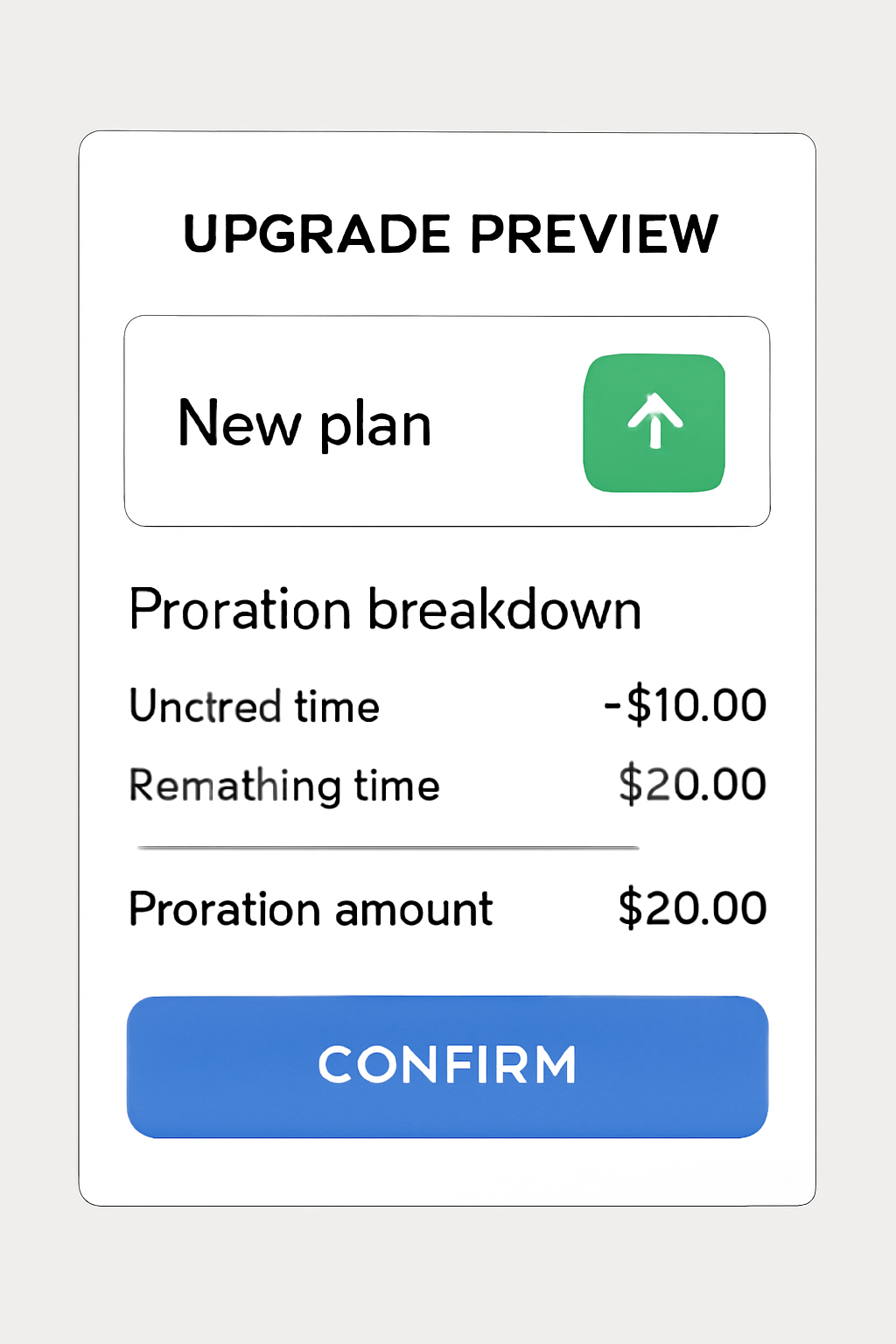
Let's ground this in numbers. A subscriber on a $100/month basic plan upgrades to $150/month premium at the halfway mark. The smart contract first values the unused original portion: $50 credit. For the remaining half-cycle, the new plan costs $75, yielding a $25 net charge.
Executed flawlessly, no overcharges, no refunds needed next cycle. This precision exemplifies decentralized prorated payments, where code enforces equity. Contrast with legacy systems, where such math often demands human oversight, prone to glitches.
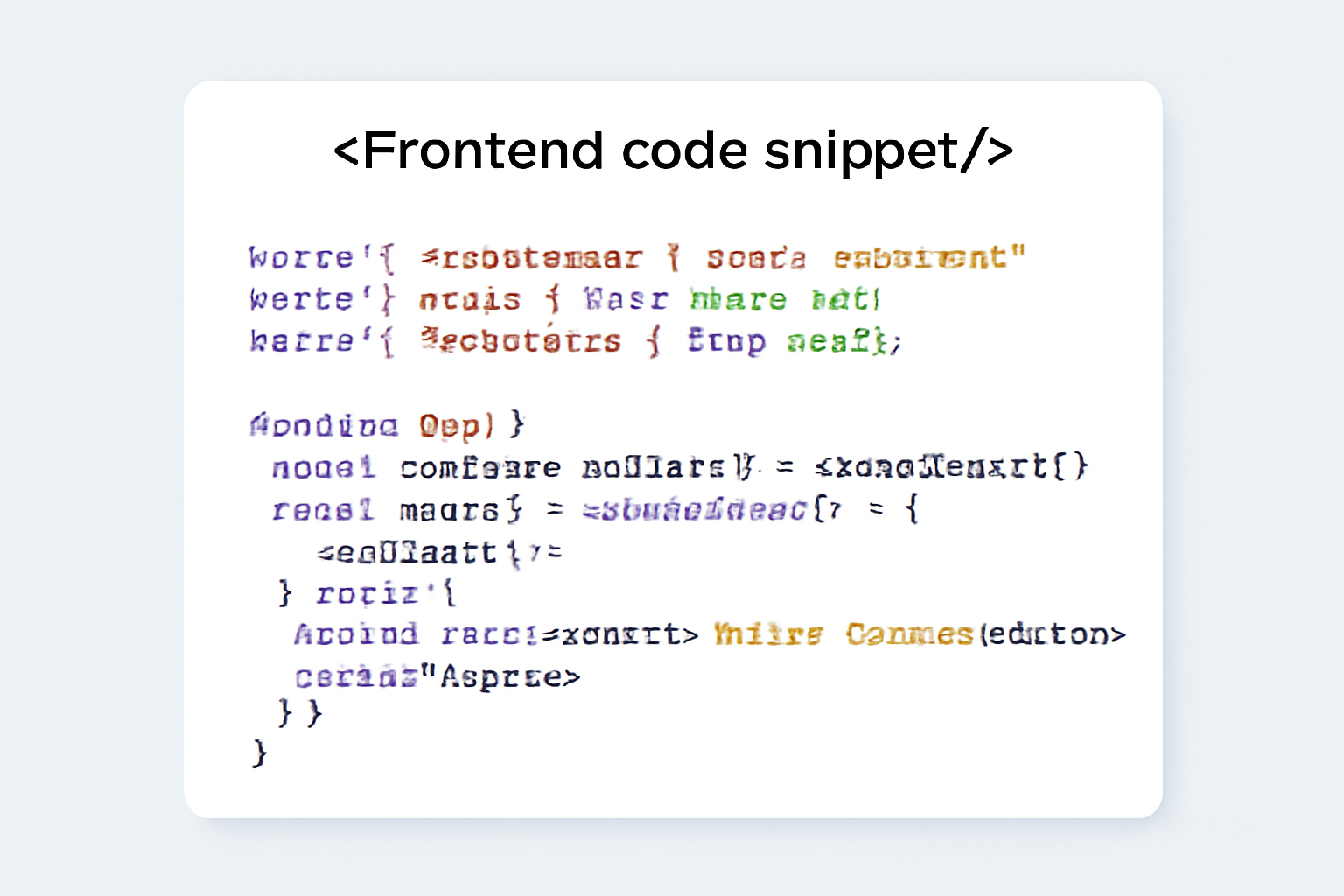
Integrating this requires thoughtful smart contract design. Here's a glimpse at the logic in action.
Simplified Solidity Proration Function for Mid-Cycle Upgrades
Mid-cycle upgrades require precise proration to credit unused time from the old plan while debiting the pro-rated cost of the new plan for the remaining period. This maintains user trust and billing accuracy in onchain subscriptions. The simplified Solidity function below computes these values efficiently:
```solidity
pragma solidity ^0.8.0;

function calculateProration(
    uint256 oldPlanPrice,
    uint256 newPlanPrice,
    uint256 cycleDuration,
    uint256 timeElapsed
) public pure returns (uint256 unusedCredit, uint256 newPlanDebit) {
    uint256 remainingTime = cycleDuration - timeElapsed;

    // Credit unused portion of old plan
    unusedCredit = (oldPlanPrice * remainingTime) / cycleDuration;

    // Debit pro-rated new plan for remaining cycle
    newPlanDebit = (newPlanPrice * remainingTime) / cycleDuration;
}
```
Integrate this logic into your subscription contract to handle upgrades seamlessly. It assumes consistent units for prices and durations, with real-world adaptations for token precision and security.
Such automation not only streamlines operations but positions Web3 platforms ahead of Web2 rivals still grappling with billing bandaids. As user behaviors grow dynamic, mastering blockchain recurring subscriptions proration becomes table stakes for sustainable growth.
Web3 platforms that embed this logic early reap outsized rewards. Churn drops as users upgrade without hesitation, knowing the system treats them equitably. Revenue streams stabilize too, with proration capturing incremental value from evolving needs rather than rigid cycles.
Overcoming Implementation Hurdles
Transitioning to onchain proration isn't without pitfalls. Gas fees on networks like Ethereum can spike during upgrades, though layer-2 solutions like Optimism or Base mitigate this effectively. Smart contract vulnerabilities demand rigorous audits; a single flaw could expose funds or miscalculate credits.
Yet these are surmountable. Start with modular contracts that isolate proration functions, integrating oracles only for offchain data like timestamps if needed. Stablecoin rails, such as USDC, anchor payments against volatility, ensuring the $25 net charge in our example holds steady regardless of market swings. Platforms like SubscribeOnChain. com provide battle-tested templates, slashing development time.
For teams new to this, prioritize user experience. Frontend integrations via wallets like MetaMask should trigger upgrades with one click, displaying the exact adjustment preview before confirmation. This foresight builds loyalty in competitive Web3 SaaS landscapes.
Consider edge cases: what if a user upgrades multiple times in a cycle? Robust contracts stack adjustments linearly, maintaining precision. Or cross-chain subscriptions? Bridges with atomic swaps extend proration seamlessly. These nuances elevate decentralized prorated payments from feature to foundation.
Integrate Onchain Proration: Seamless Mid-Cycle Upgrades for Web3 SaaS

Quantifying the Edge in Web3 SaaS
Numbers tell the story. Traditional SaaS sees 20-30% churn from billing friction alone; onchain models cut this by automating trust. A recent analysis notes how transparent ledgers reduce disputes by 80%, freeing support teams for growth tasks.
Revenue optimization shines brighter. Dynamic proration unlocks upsell velocity: users experiment with tiers freely, boosting average revenue per user without aggressive tactics. In Web3, where communities drive adoption, this fairness fosters viral advocacy. dApps with crypto subscription mid-cycle billing report 15-25% higher lifetime value, per platform benchmarks.
Global reach amplifies gains. No regional payment gateways or currency conversions; stablecoins unify billing worldwide. SaaS providers tap emerging markets effortlessly, prorating in USD equivalents across chains.
Layer in analytics: onchain data yields granular insights into upgrade patterns, informing product roadmaps. Spot when basic users hit feature walls and proactively suggest premiums. This closed loop turns billing into a strategic asset.
Charting the Path Forward
As 2025 unfolds, web3 saas proration will standardize across ecosystems. Expect ERC-7521 standards for subscriptions to bake in proration natively, simplifying composability. Integrations with AI-driven personalization could predict upgrades, preempting changes with tailored offers.
Providers ignoring this risk obsolescence. Legacy Web2 stacks, laden with chargebacks and opacity, can't compete in a decentralized world demanding precision. Forward-thinking teams integrate now, leveraging tools that automate the complex.
Explore practical setups via smart contract guides tailored for SaaS. The shift demands intention, but yields enduring advantages: resilient revenue, devoted users, and a moat built on code.
SubscribeOnChain. com stands ready with plug-and-play solutions, proving that mastering mid-cycle upgrades isn't just technical, it's a deliberate play for long-term dominance in Web3 billing.




No comments yet. Be the first to share your thoughts!