
In the SaaS economy, flexibility is a competitive edge. Customers expect to upgrade or downgrade their subscriptions at any time, and they demand to be charged only for what they use. This is where onchain prorated billing becomes a game-changer, especially for mid-cycle subscription upgrades. The convergence of blockchain technology and SaaS recurring billing not only solves the fairness problem but also delivers a transparent, tamper-proof record of every adjustment and invoice.

Why Traditional SaaS Billing Falls Short on Mid-Cycle Upgrades
Legacy SaaS billing platforms often struggle with the nuances of proration. When a user moves from a $30/month Basic plan to a $60/month Pro plan halfway through their billing cycle, the system must calculate the exact charges for each period. Traditional systems tend to either overcharge or under-credit users, creating friction and eroding trust. Worse, manual adjustments are error-prone and lack transparency.
Onchain solutions flip this script by encoding proration logic directly into smart contracts. Every upgrade, downgrade, or pause is executed and recorded onchain, ensuring that every customer interaction is auditable and mathematically precise.
How Onchain Prorated Billing Works: A Transparent Example
Let’s break down a real-world scenario using current context:
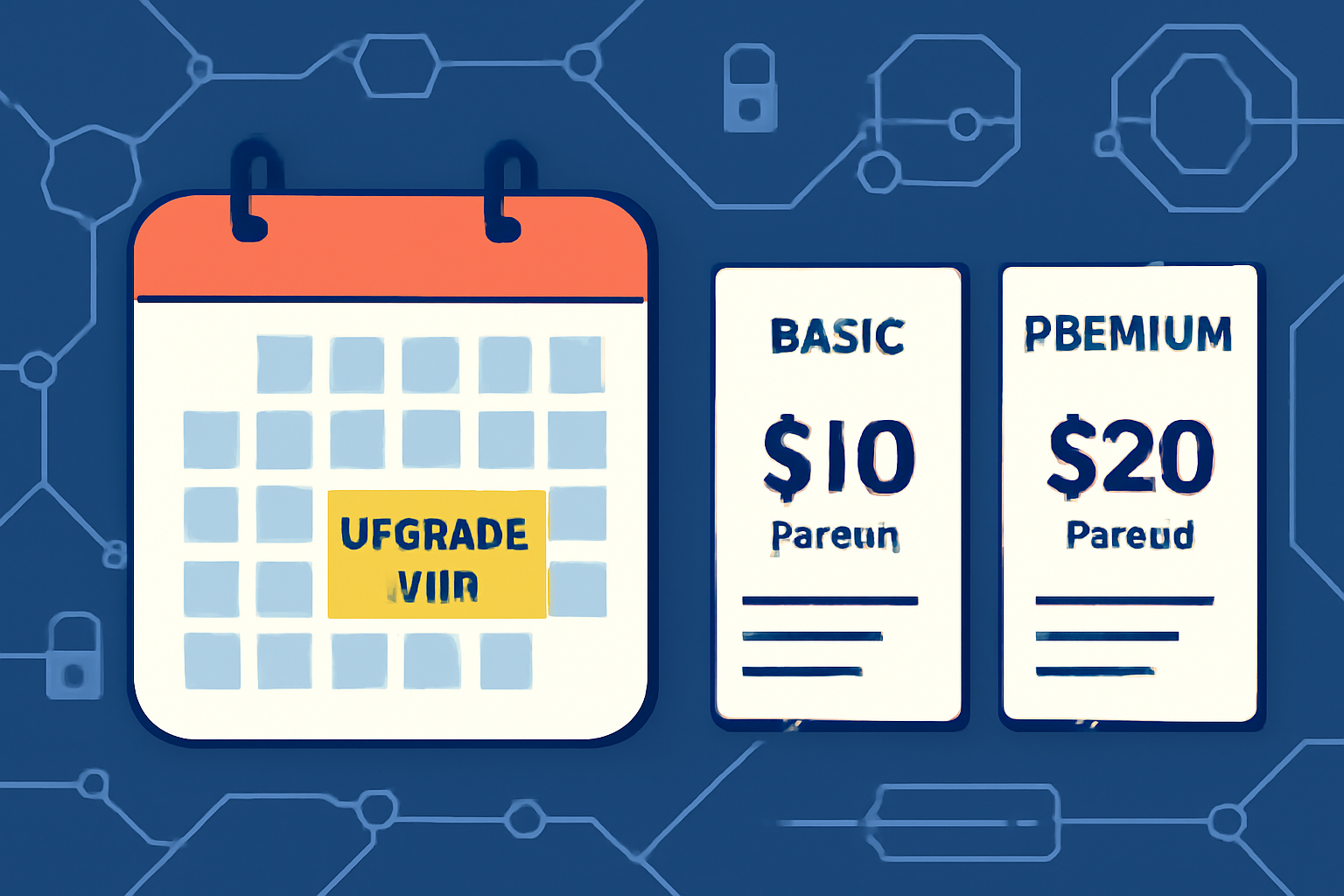
- Current Plan: Basic at $30/month
- New Plan: Pro at $60/month
- Billing Cycle: 30 days
- Upgrade Date: Day 15
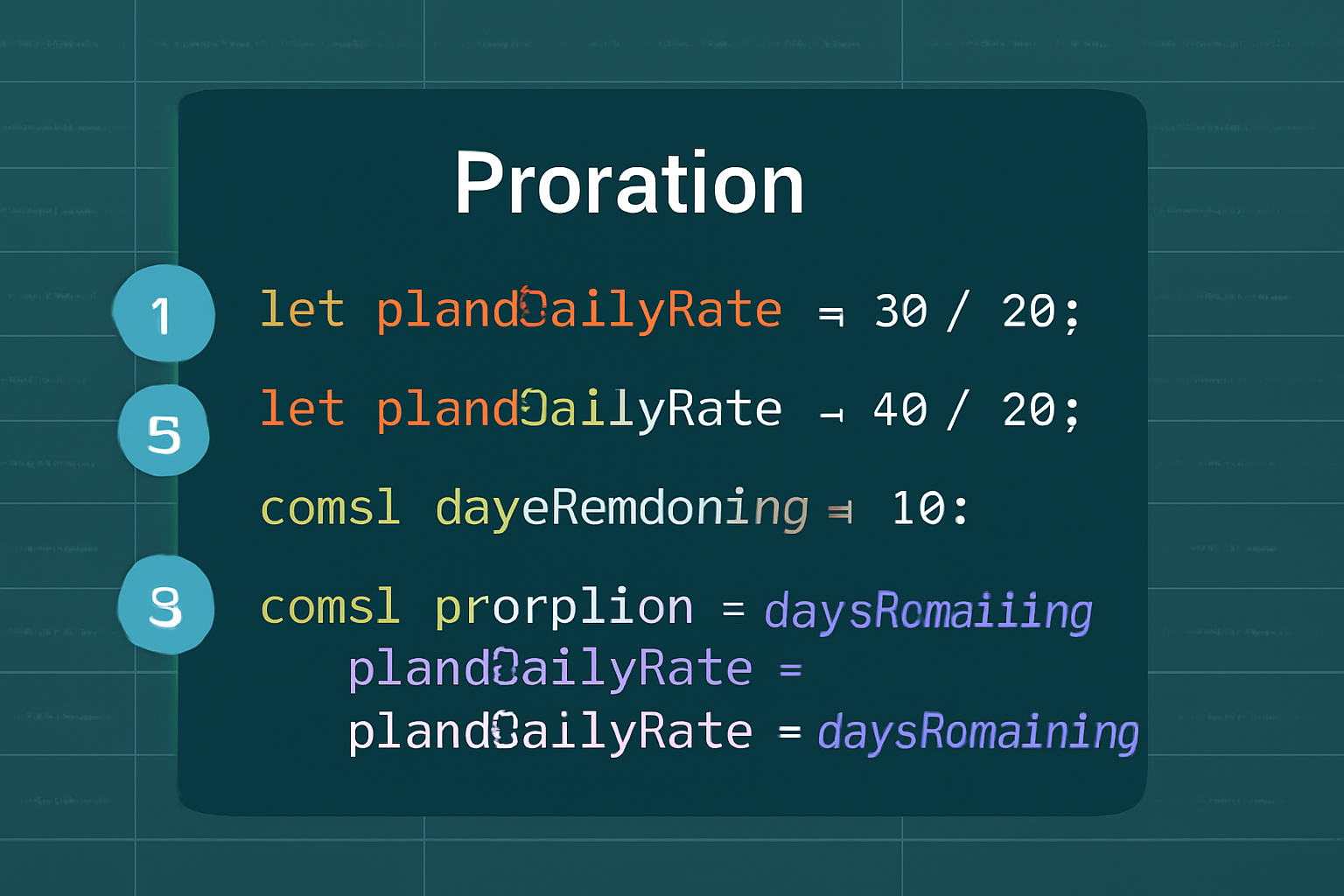
The smart contract calculates daily rates for both plans: $1/day for Basic and $2/day for Pro. After 15 days on Basic ($15), the user upgrades and spends 15 days on Pro ($30). The total monthly charge? $45, reflecting exactly what was consumed. No more, no less.
Key Benefits of Onchain Proration for SaaS Founders
- Fair, Usage-Based Billing: Onchain proration ensures customers are charged only for the exact portion of the subscription period they use, eliminating overcharging and enhancing perceived value.

- Real-Time Revenue Recognition: Blockchain-based proration enables immediate, transparent revenue tracking, allowing founders to monitor subscription income accurately as customers upgrade or downgrade plans.

- Enhanced Customer Trust & Transparency: Prorated charges are recorded immutably onchain, providing customers with clear, auditable billing records and reinforcing trust in the platform.

- Seamless Mid-Cycle Upgrades & Downgrades: Onchain proration allows users to change plans at any point in their billing cycle without penalty, promoting flexibility and reducing churn risk.
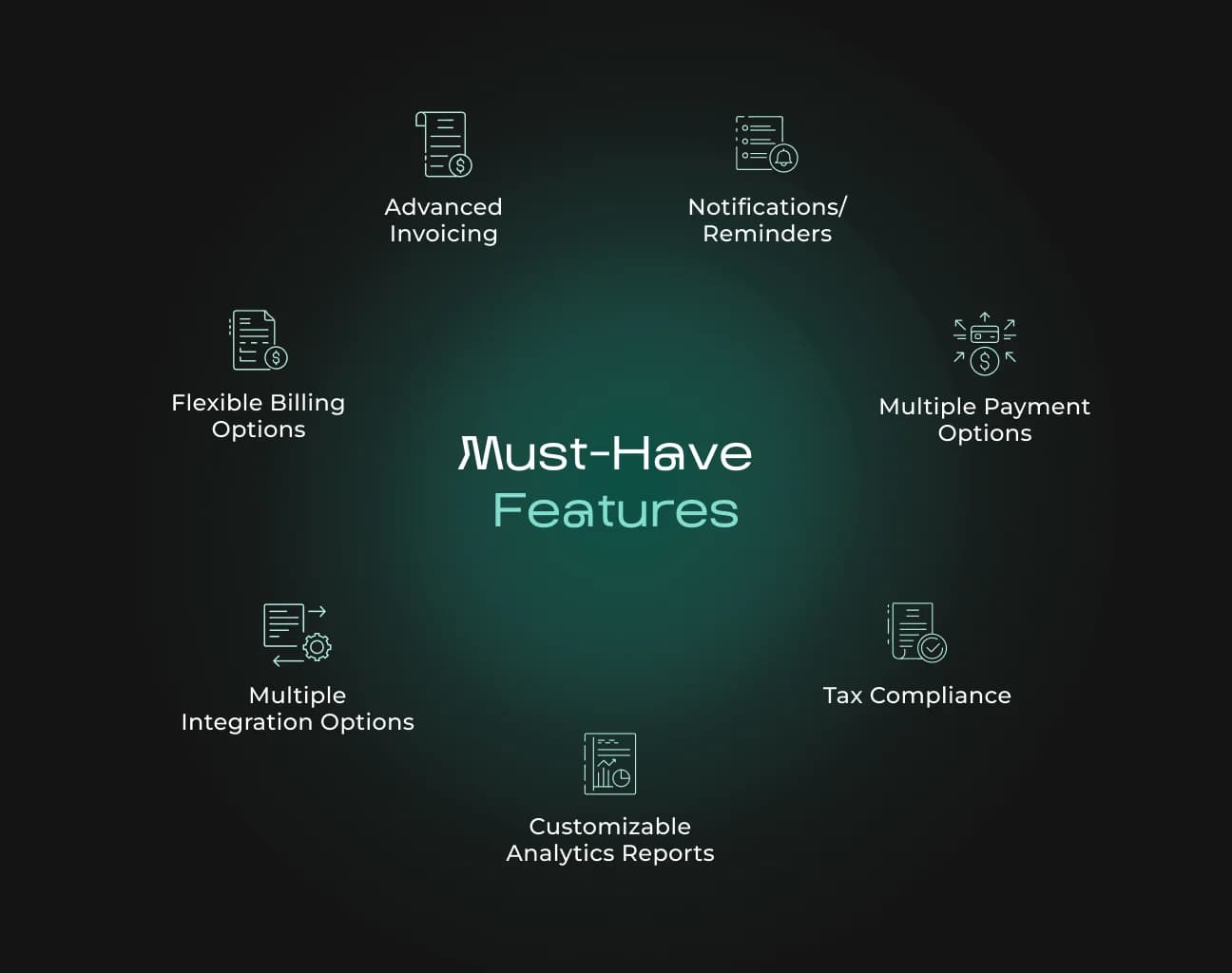
- Automated, Tamper-Proof Invoicing: Smart contracts automate proration logic and invoice adjustments, minimizing manual errors and safeguarding against disputes or fraud.
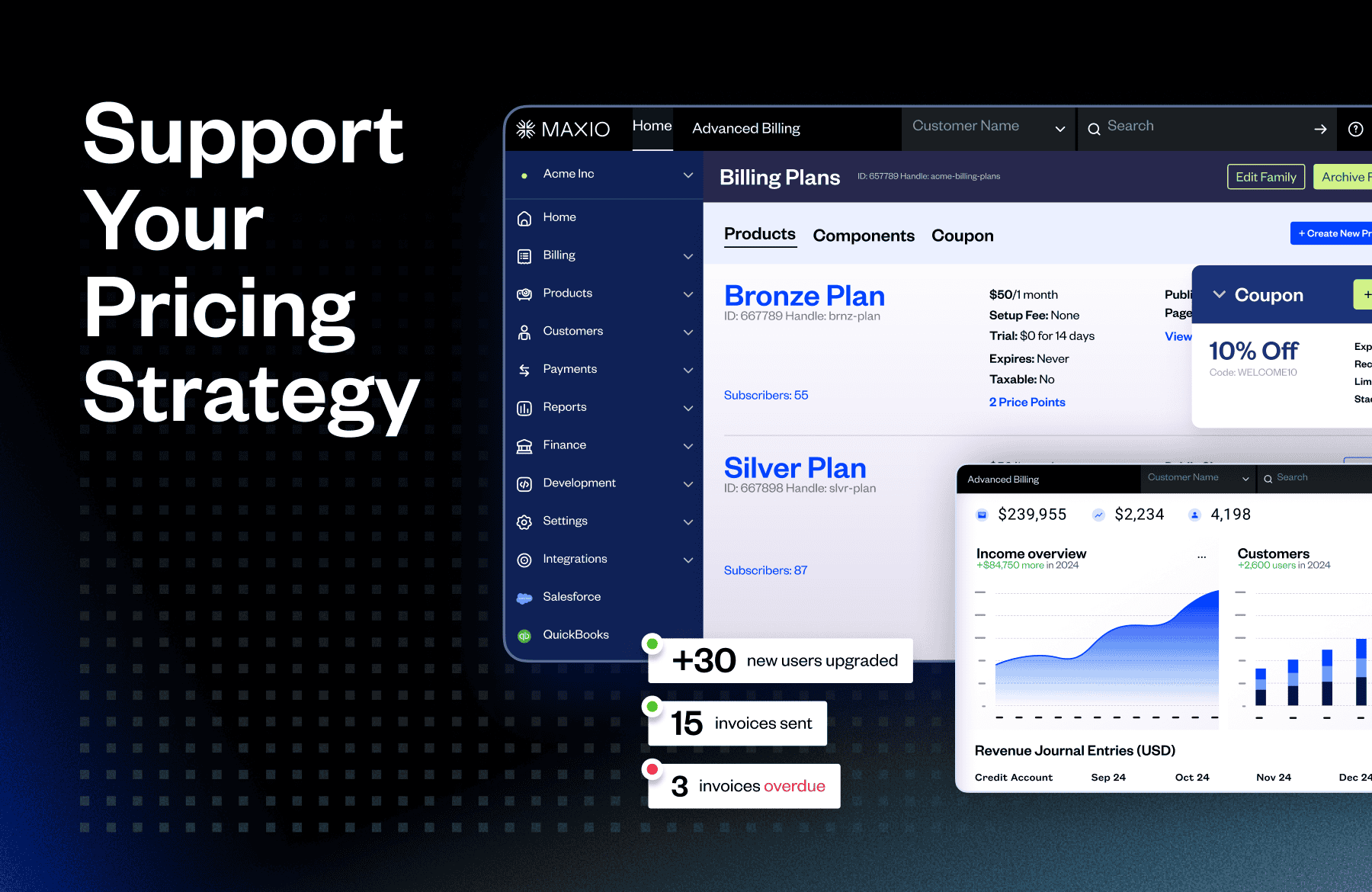
This level of granularity is only possible when proration logic is automated and executed on blockchain rails. Platforms like SubscribeOnChain.com are pioneering these standards, making it easy for SaaS teams to implement fair and dynamic billing without reinventing the wheel.
The Core Mechanics Behind Onchain Prorated Upgrades
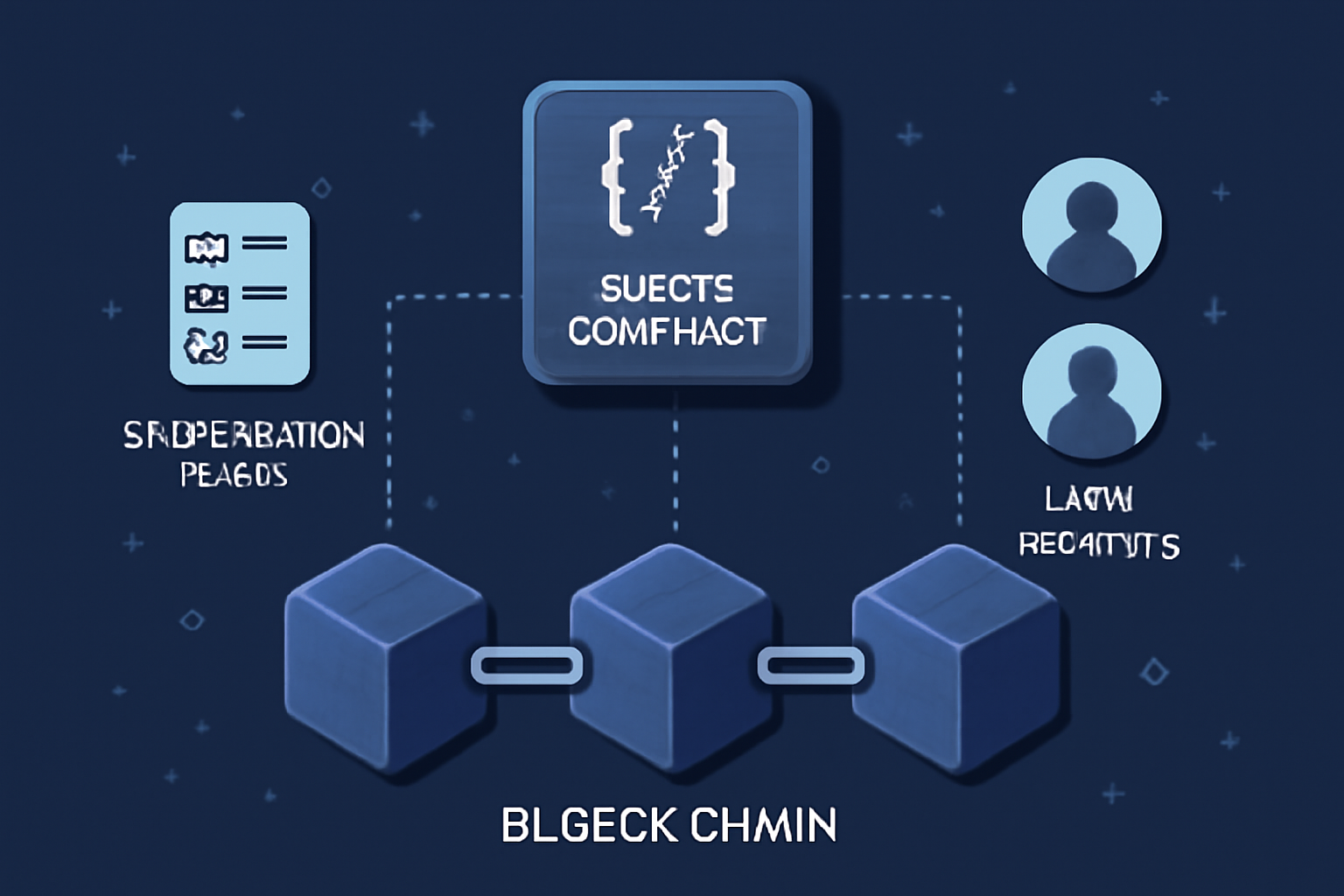
The engine behind onchain proration consists of three critical steps:
- Smart Contract Subscription Design: Plans and user entitlements are encoded as immutable blockchain logic.
- Proration Calculation: When an upgrade is triggered mid-cycle, the contract computes charges and credits based on daily (or even hourly) rates.
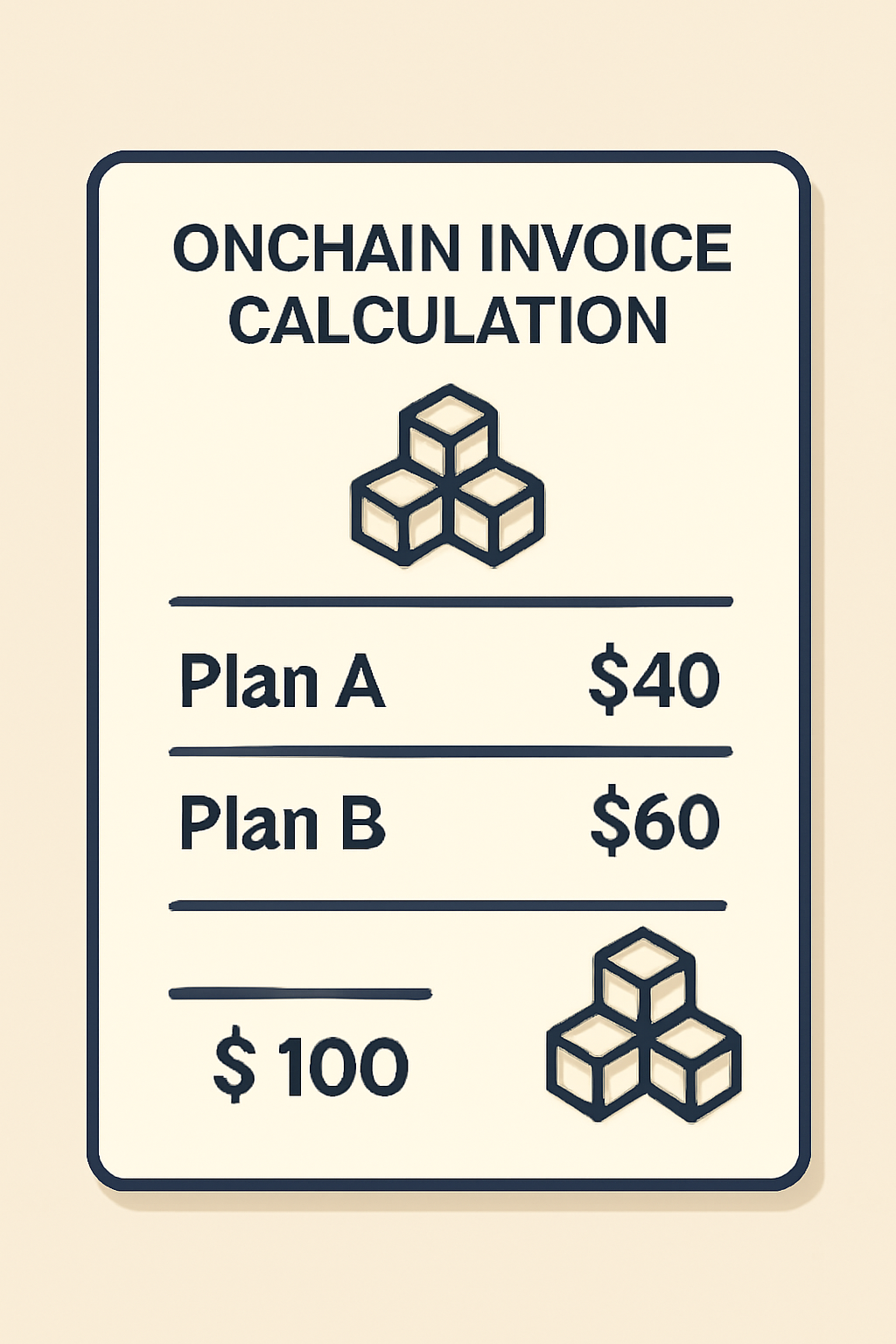
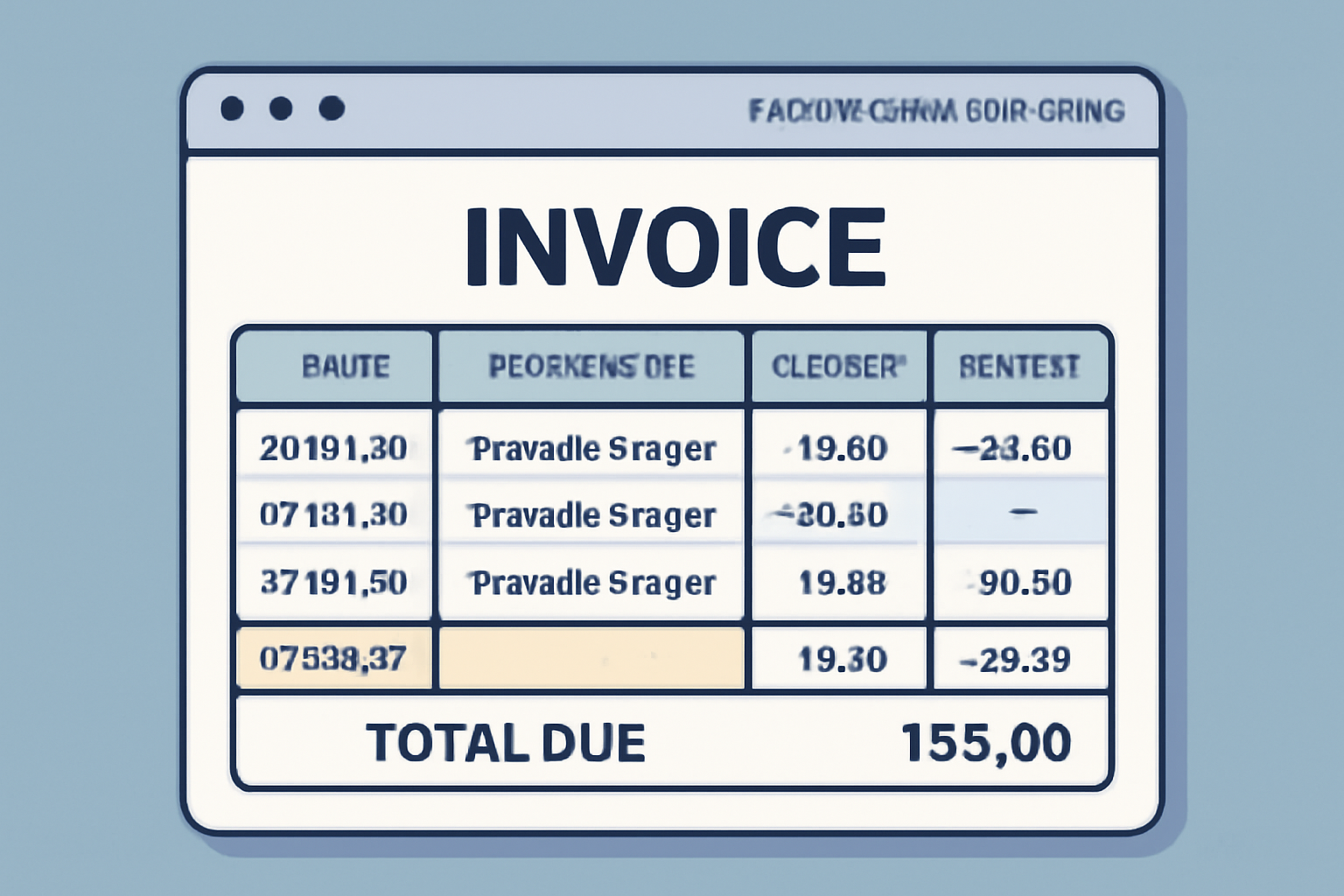
- Automated Invoicing: The smart contract issues an onchain invoice reflecting the adjusted amount, no manual intervention required.
This automation guarantees that users are always billed fairly, and that every transaction can be independently verified on the blockchain. It’s a radical leap forward from opaque SaaS billing models where customers often have to trust (and sometimes dispute) backend calculations.
The Modern SaaS Stack: Embracing Blockchain-Powered Recurring Billing
SaaS businesses are increasingly integrating blockchain-based recurring billing engines to unlock new levels of transparency and user trust. By leveraging onchain proration, founders can offer their customers real-time upgrades without fear of overcharging or missed revenue opportunities. The result? Reduced churn, higher upgrade rates, and a billing experience that aligns with Web3’s ethos of openness and fairness.
But the advantages don’t stop with fairness and transparency. Onchain proration also empowers SaaS teams with programmable revenue streams, real-time analytics, and composability with other decentralized finance (DeFi) protocols. This means every mid-cycle upgrade, downgrade, or pause is not just a line item on an invoice, but a verifiable onchain event that can trigger automated workflows, loyalty rewards, or even cross-platform integrations.
Navigating Implementation: From Smart Contracts to Seamless User Experience
Deploying prorated onchain billing isn’t reserved for blockchain engineers. Platforms like SubscribeOnChain.com abstract away the complexity, offering ready-made smart contract templates, API integrations, and developer tools. Here’s how SaaS teams can get started:
Implementing Onchain Prorated Billing for SaaS Upgrades: Step-by-Step
By following these steps, founders can future-proof their billing stack, ensuring every customer interaction is accounted for and immutable. The result is a system where trust is built into the architecture, not tacked on as an afterthought.
Why Onchain Prorated Billing is the Future of SaaS Monetization
The shift toward recurring billing on blockchain isn’t just a technical upgrade - it’s a philosophical one. Customers are increasingly savvy and expect full visibility into how they’re charged. Onchain proration meets this demand with:
- Instant, tamper-proof invoices
- Fair and dynamic adjustments for every mid-cycle subscription upgrade
- Seamless auditability for compliance and financial ops teams
- Composable billing logic that adapts to any SaaS model, from content platforms to developer APIs
This isn’t just about reducing churn or boosting upgrades. It’s about building a business model where customers are partners, not just payers. With every charge and adjustment visible onchain, disputes drop and loyalty grows.
The Road Ahead: Dynamic Invoicing and the Decentralized Subscription Economy
As we move into a world where SaaS products are increasingly decentralized and borderless, the demand for prorated invoicing smart contracts will only rise. Expect to see:
- More SaaS platforms offering real-time plan changes with instant onchain reconciliation
- Integration with DeFi protocols for automated revenue sharing or staking rewards
- Dynamic pricing models that respond to usage or community governance
The convergence of SaaS and blockchain is not a passing trend - it’s the new standard for recurring revenue models. By adopting onchain proration today, SaaS founders position themselves at the forefront of this transformation.
Real SaaS Use Cases Enhanced by Onchain Recurring Billing
- Subscription Management Platforms (e.g., Chargebee, Paddle): Integrating blockchain-based proration ensures fair, tamper-proof mid-cycle upgrades and transparent invoicing for SaaS vendors and their customers.
- Cloud Storage Services (e.g., Dropbox, Box): Onchain prorated billing allows users to seamlessly upgrade or downgrade storage plans mid-cycle, with automated, auditable adjustments and minimized billing disputes.

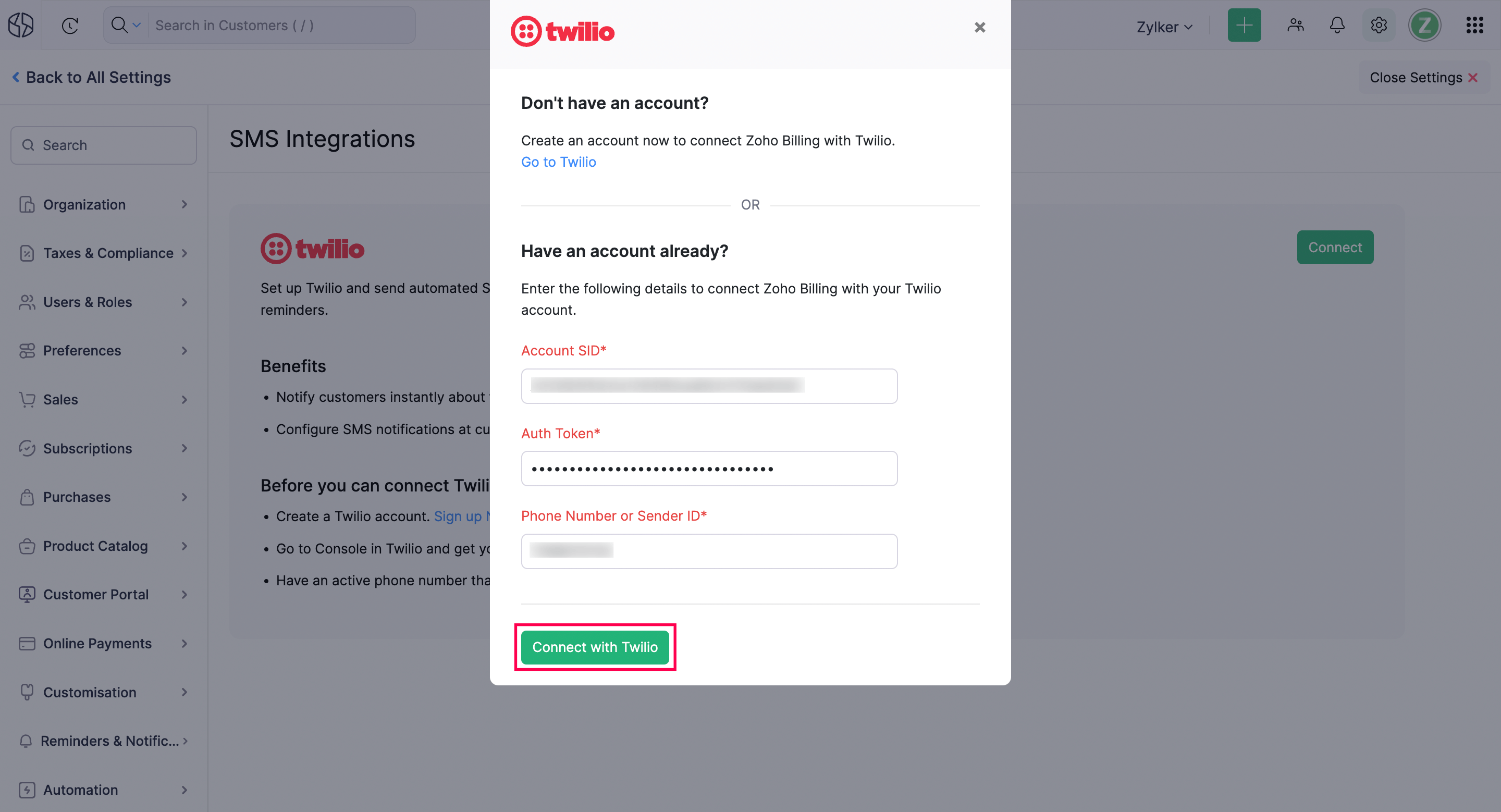
- Developer Tools & API Platforms (e.g., Twilio, Stripe): Dynamic usage and tier changes are common; blockchain-powered recurring billing provides real-time, immutable records for API consumption and proration.
- Streaming & Content Platforms (e.g., Spotify, Netflix): Onchain proration enables flexible plan changes (e.g., family to premium) with precise, trustless billing adjustments, enhancing user trust and retention.

- Enterprise SaaS Suites (e.g., Salesforce, Microsoft 365): Large organizations benefit from onchain transparency when scaling seats or features mid-cycle, simplifying compliance and audit trails for subscription changes.

The bottom line: Onchain prorated billing isn’t just about solving the mid-cycle upgrade problem. It’s about reimagining trust, transparency, and flexibility in the subscription economy. For the next wave of SaaS innovation, programmable billing logic isn’t a luxury - it’s table stakes.




No comments yet. Be the first to share your thoughts!