

Subscription-based business models are rapidly shifting to blockchain, bringing with them a new set of expectations for fairness and transparency. For SaaS and Web3 platforms, onchain subscription proration is emerging as a key differentiator in how recurring billing is handled. Prorated billing ensures users are charged only for the portion of service they actually consume, which is especially important when customers upgrade, downgrade, or cancel plans mid-cycle.
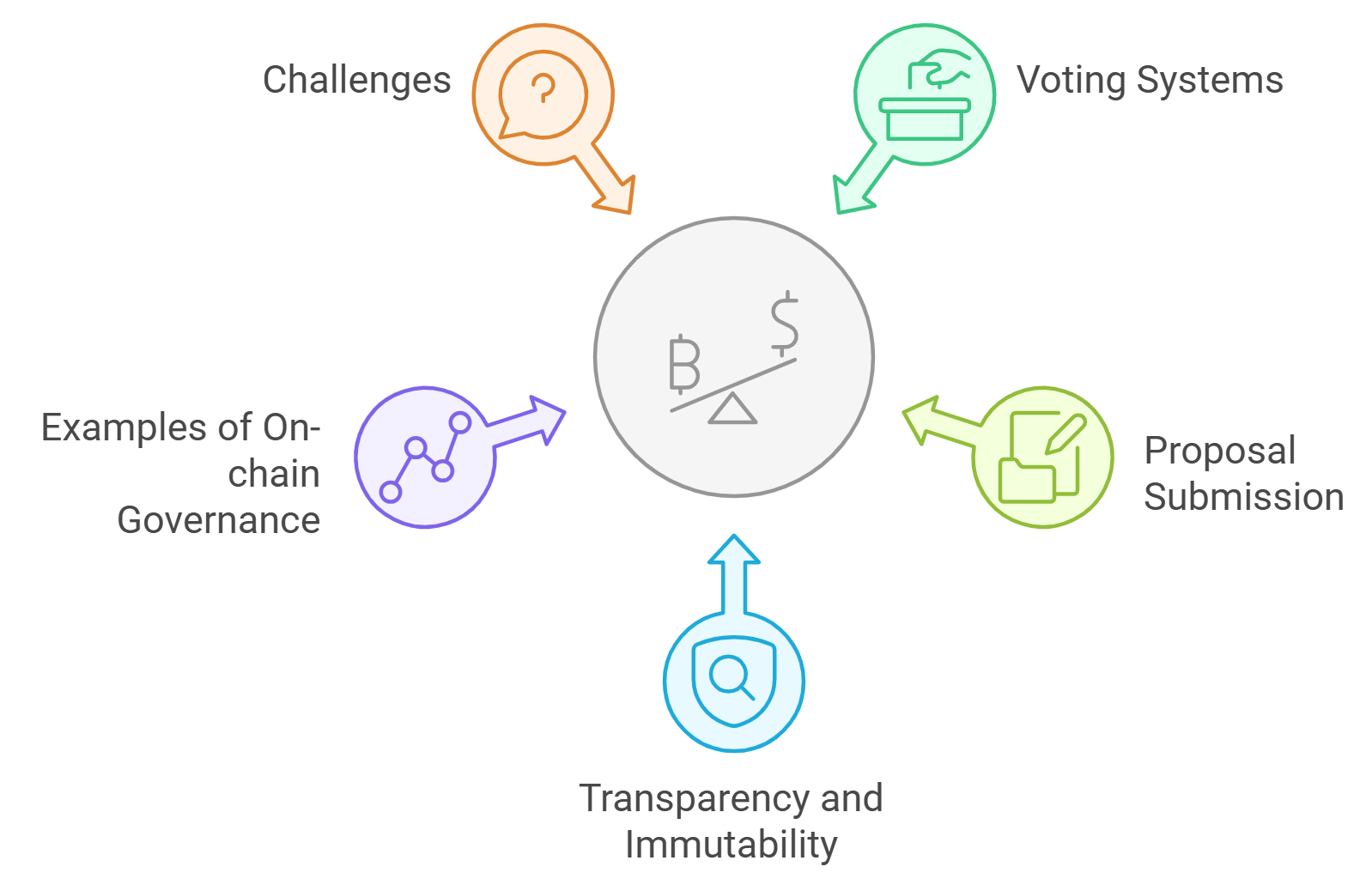
Why Prorated Billing Matters for Blockchain Subscriptions
Legacy SaaS systems often struggle with proration. Manual calculations and invoice adjustments can lead to customer frustration and revenue leakage. In fact, failed payments and messy proration contribute to 10, 15% churn rates for many subscription businesses (source). Blockchain technology offers a fundamentally different approach: smart contracts automate calculations and enforce rules without manual intervention.
Here’s why this matters:
- Fairness: Customers pay only for what they use, building trust.
- Transparency: Every transaction is recorded on the blockchain, eliminating disputes over charges.
- Efficiency: Automation reduces human error and operational overhead.
The Mechanics of Blockchain Prorated Billing
SaaS onchain billing leverages smart contracts that encode the logic for subscriptions, including start dates, plan changes, and cancellations. When a user changes their plan mid-cycle, the contract calculates the exact number of days (or even minutes) at each tier and determines the appropriate charge or credit. This process is fully automated - no spreadsheets or manual invoice edits required.
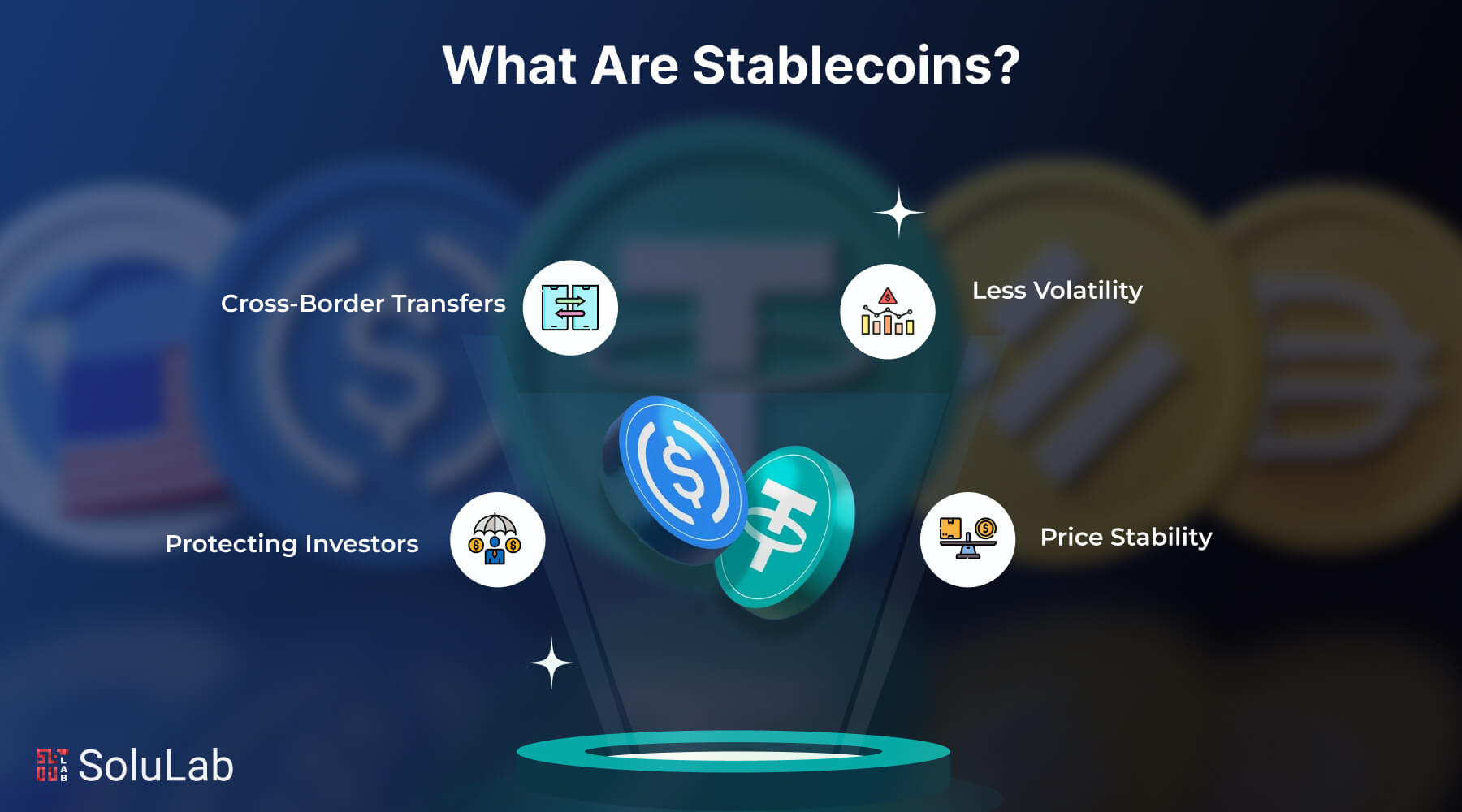
The integration of stablecoins further enhances this model by providing price stability. No one wants their monthly bill swinging wildly due to crypto volatility. Stablecoin-denominated subscriptions ensure predictable cash flows for providers and clear costs for customers (source).
Key Advantages of Smart Contract Proration in SaaS & Web3
- Automated, Error-Free Billing: Smart contracts like those on Ethereum autonomously calculate and process prorated charges, eliminating manual errors and reducing administrative overhead.
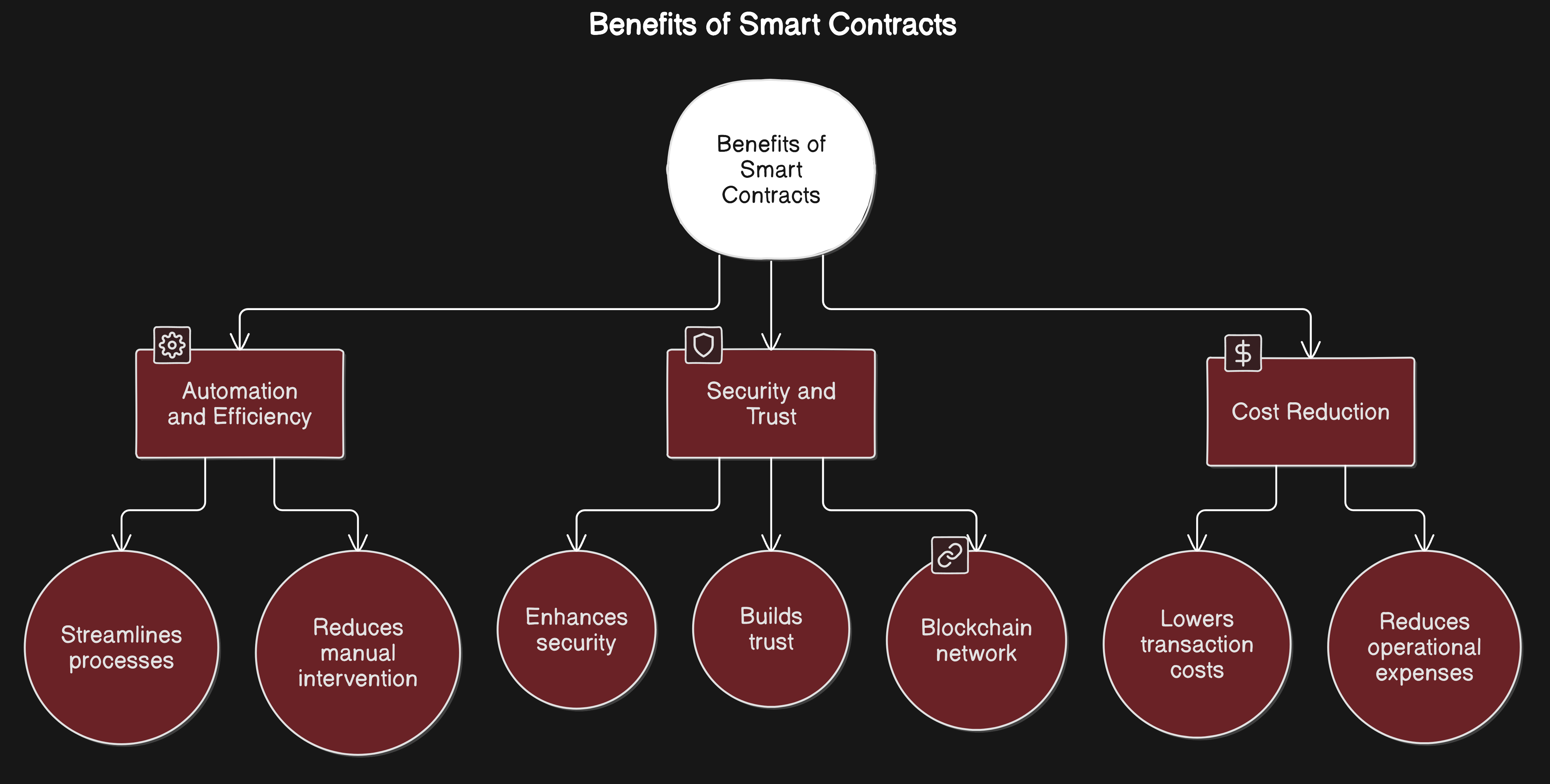
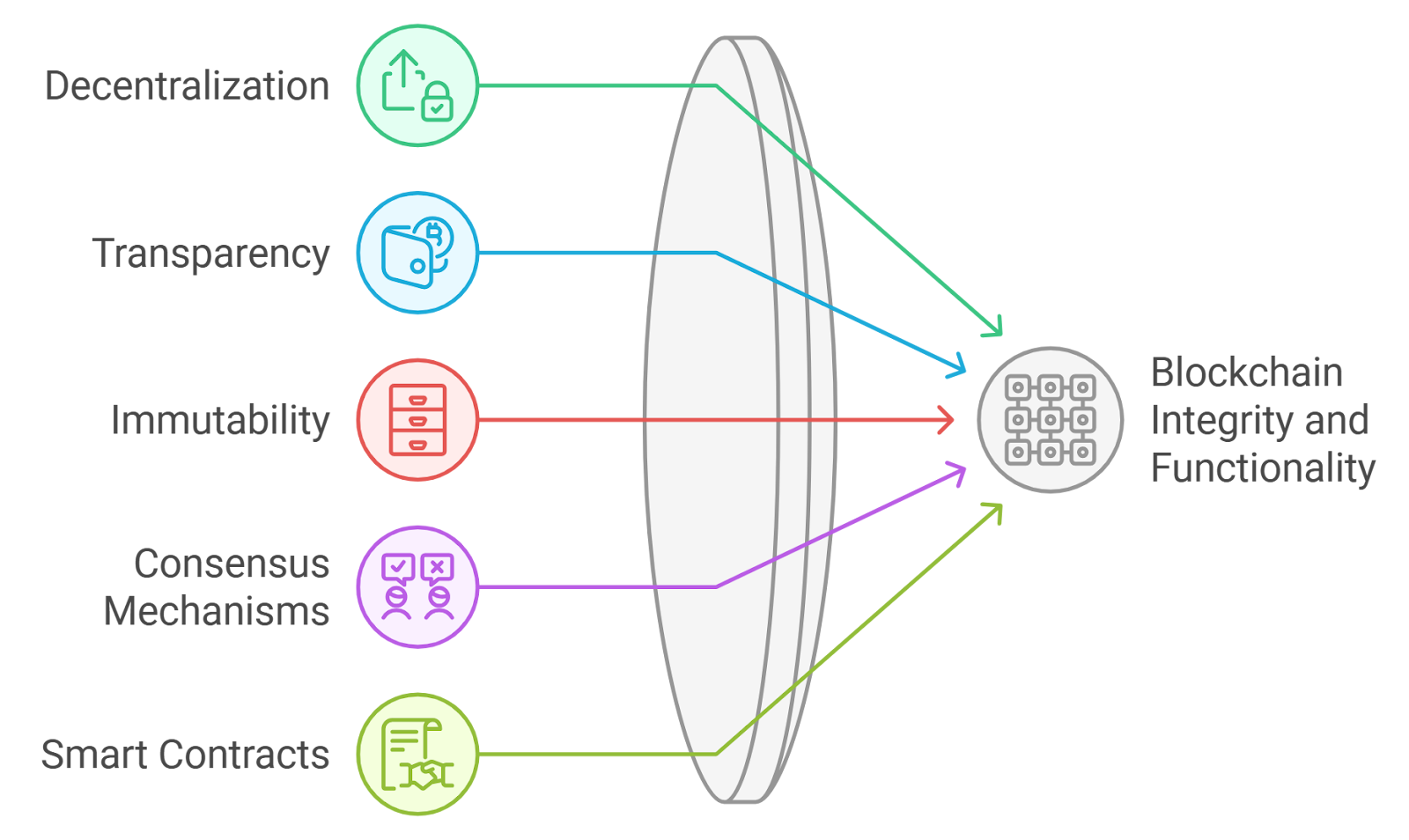
- Transparent and Immutable Records: Every subscription change and payment is recorded on the blockchain, creating an auditable, tamper-proof ledger that enhances trust for both providers and customers.
- Consistent Payments with Stablecoins: Platforms such as TransFi leverage stablecoins for subscription payments, ensuring fee stability and shielding users from crypto price volatility.
- Real-Time Proration for Flexible Plans: Smart contracts can instantly adjust charges for upgrades, downgrades, or cancellations, so users pay only for what they use—improving fairness and customer satisfaction.
- Reduced Payment Failures: On-chain recurring payments lower the risk of failed transactions due to expired cards or banking issues, as seen with solutions like Subscrypts and Onchainpay.

- Enhanced User Trust and Self-Service: Customers can independently verify their subscription status and payment history on-chain, fostering transparency and empowering user control.

How Smart Contract Proration Works in Practice
A typical flow might look like this: A user subscribes to a service using their wallet and pays with stablecoins. Midway through the month, they upgrade to a higher tier. The smart contract instantly calculates how much was used at the original tier versus the upgraded one - then automatically processes either an additional charge or credits unused value toward the next cycle.
This logic isn’t just theoretical; it’s already being deployed by forward-thinking platforms aiming to optimize both user experience and revenue recognition (source). The entire process is auditable on-chain - every adjustment is visible to both provider and customer.
For SaaS and Web3 teams, this level of automation eliminates the painstaking reconciliation processes that have plagued subscription businesses for years. Instead of chasing down missed payments or manually issuing refunds, smart contracts enforce the rules with mathematical precision. The result: lower churn, fewer disputes, and more predictable revenue streams.
Building Trust Through Onchain Transparency
One of the most compelling aspects of blockchain prorated billing is its inherent transparency. Every transaction, adjustment, and invoice is written directly to an immutable ledger. This means customers can independently verify exactly what they were charged for and when, no more opaque billing statements or hidden fees. For providers, this transparency builds long-term trust and reduces support overhead.
Consider a scenario where a customer questions a mid-cycle upgrade charge. Instead of a drawn-out support ticket, both parties can instantly reference the onchain record. This clarity not only streamlines operations but also enhances your brand’s reputation for fairness and openness.
Implementing Prorated Billing: Key Steps for SaaS and Web3 Builders
Transitioning to web3 subscription management with proration doesn’t have to be daunting. Here’s a proven path forward:
Implementing Smart Contract-Based Prorated Billing for Web3 SaaS Platforms
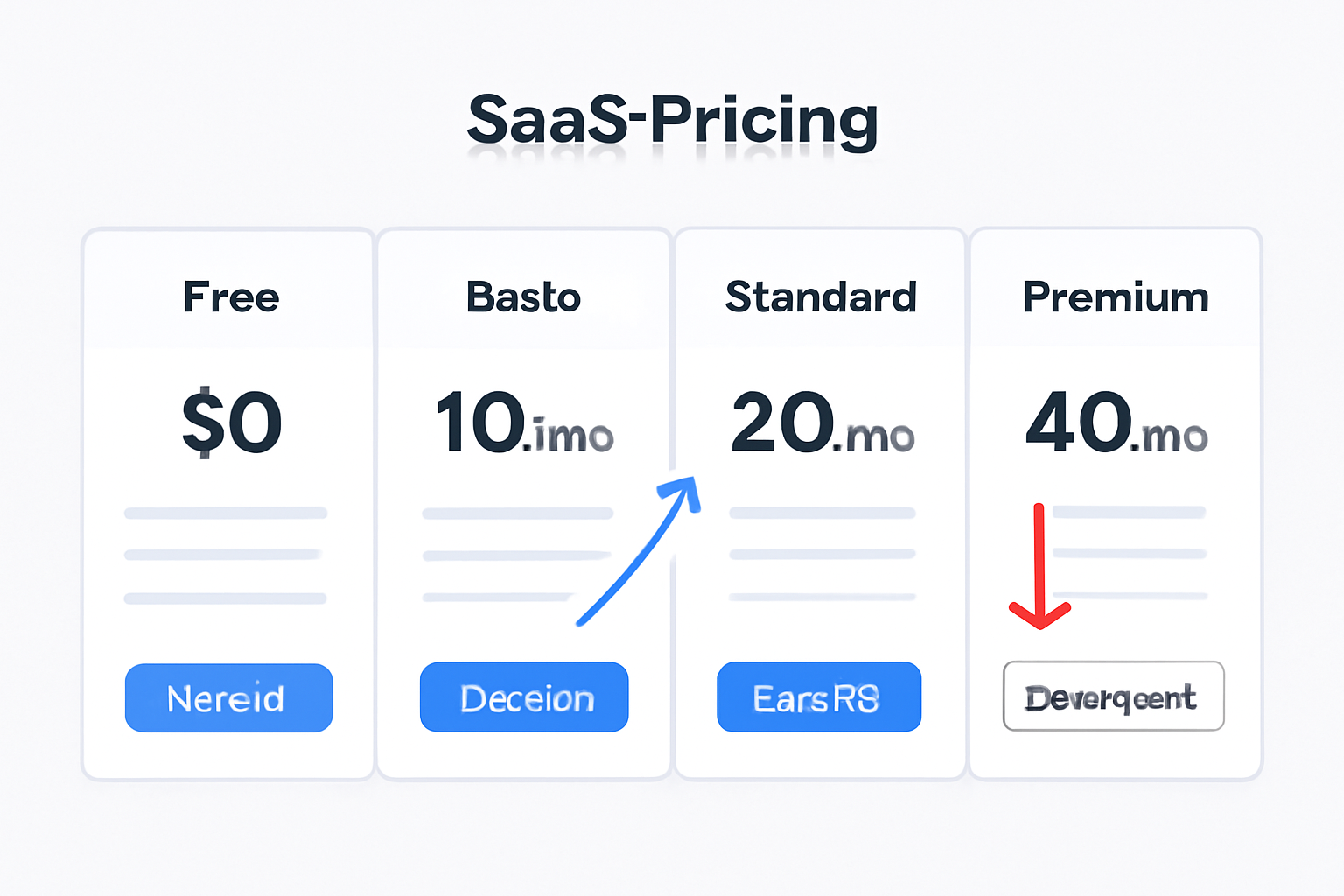




It’s important to select audited smart contract templates or work with experienced blockchain developers who understand both security best practices and the nuances of recurring billing logic. Stablecoin integration should be prioritized for price predictability, choose assets with deep liquidity and established reputations in your target markets.
You’ll also want to invest in clear user interfaces that display upcoming charges, proration adjustments, and historical invoices directly from the blockchain. This level of visibility not only delights users but also reduces friction when plans change unexpectedly.
The Competitive Edge: Why Early Adopters Win
The move toward automated, transparent SaaS onchain billing with proration is more than just a technical upgrade, it’s a strategic advantage. Early adopters are already seeing measurable reductions in failed payments and customer churn compared to legacy systems (source). As expectations around fairness continue to rise across digital services, platforms that can offer real-time proration and immutable invoicing will stand out from competitors still relying on manual processes.
The future of subscription commerce is decentralized, where every customer interaction is fair, auditable, and automated by code rather than subject to human error or interpretation.
If you’re building or scaling a SaaS or Web3 business today, now is the time to explore how onchain subscription proration can transform your billing experience, for both you and your customers. The technology is here; the market demand is growing; all that’s left is execution.




No comments yet. Be the first to share your thoughts!